
Topic: Driving safely in difficult conditions · Nº 21 / 247
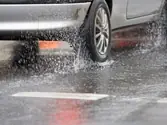
Cuando llueve, ¿cómo afecta la adherencia de las ruedas del vehículo a la calzada?
When it rains, how is the grip of the vehicle's wheels on the carriageway affected?
- ALa adherencia es menor, por lo que las ruedas se agarran menos a la calzada.Grip is lower, so the wheels hold the road less.
- BLa adherencia es mayor, por lo que las ruedas se agarran más a la calzada.Grip is higher, so the wheels hold the road more.
- CLa adherencia es igual que cuando no llueve, por lo que las ruedas se agarran igual.Grip is the same as when it is not raining, so the wheels hold the road in the same way.
Show answer
Correct answer
- ALa adherencia es menor, por lo que las ruedas se agarran menos a la calzada.Grip is lower, so the wheels hold the road less.
When it rains, the carriageway becomes more slippery because of the water on the surface. This reduces the grip of the vehicle's tyres, that is, the ability of the wheels to “hold” the road surface. In dry conditions grip is higher because the tyres can make better contact with the road surface. When it rains, the water acts as a layer between the tyres and the road, which reduces friction. This can make the vehicle take longer to stop and make it harder to keep control, especially if the carriageway is wet or there is standing water (such as puddles).
Independent app: not affiliated with or endorsed by the DGT (Spain's Directorate-General for Traffic) or the Ministry of the Interior. The official exam is booked with the DGT and taken at its test centres. The questions here are practice material; the DGT's official question bank is not public.