
Topic: Driving safely in difficult conditions · Nº 52 / 247
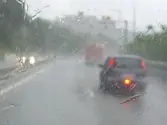
¿Cuándo se producirá aquaplaning?
When will aquaplaning occur?
- ASolo cuando la calzada esté cubierta de hielo.Only when the carriageway is covered with ice.
- BCuando con lluvia circulemos con el dibujo del neumático un poco gastado.When we drive in the rain with slightly worn tyre tread.
- CCuando circulemos a mucha velocidad con lluvia, aunque el dibujo del neumático esté en buen estado.When we drive at high speed in the rain, even if the tyre tread is in good condition.
Show answer
Correct answer
- CCuando circulemos a mucha velocidad con lluvia, aunque el dibujo del neumático esté en buen estado.When we drive at high speed in the rain, even if the tyre tread is in good condition.
One of the most dangerous effects of rain is what is known as aquaplaning. It can happen when driving at a certain speed over stretches of carriageway where water has built up. The job of the tyre tread is to push the water out to the sides of the wheel, clearing the contact area, which is what gives the vehicle its grip. When the tyre tread cannot clear the amount of water that has built up, the tyre loses contact with the road surface and slides, floating on the water, and the driver loses control of the vehicle. Whether aquaplaning happens depends on how much water the tyres can clear, which is measured in litres per second, and on the speed we are driving at. The higher the speed, the less time the tyres have to clear the water from the carriageway, and the more likely aquaplaning becomes. The best way to prevent aquaplaning is to reduce speed.
Independent app: not affiliated with or endorsed by the DGT (Spain's Directorate-General for Traffic) or the Ministry of the Interior. The official exam is booked with the DGT and taken at its test centres. The questions here are practice material; the DGT's official question bank is not public.