
DGT test · 590 questions
The driver's condition
Alcohol, drugs, medicines, fatigue, sleepiness and distraction: how they affect driving, the legal alcohol limits and roadside testing.
20 random questions
Loading questions…
Questions in this topic, with answers
590 questions, 50 per page, with the correct answer and the explanation. Page 1 of 12.
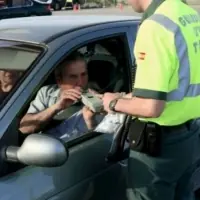
¿Cuál es la tasa máxima de alcoholemia permitida en aire espirado para conductores en general?
What is the maximum breath alcohol level allowed for drivers in general?
- A0.15 miligramos por litro.0.15 milligrams per litre.
- B0.50 gramos por litro.0.50 grams per litre.
- C0.25 miligramos por litro.0.25 milligrams per litre.
ExplanationThe general maximum alcohol level is 0.25 milligrams per litre of exhaled air, which is equivalent to 0.5 grams per litre of blood. The figure of 0.50 grams is measured in blood, not in breath, and the figure of 0.15 mg applies to novice and professional drivers.
¿qué situaciones de tráfico favorecen la aparición de somnolencia?
Which traffic situations make drowsiness more likely?
- ALas monótonas.Monotonous ones.
- BLas que tienen cambios en el entorno con mucha frecuencia.Those where the surroundings change very often.
- CLa conducción en zona urbana con bastante tráfico.Driving in urban areas with fairly heavy traffic.
ExplanationMonotonous situations, such as long straight stretches of motorway with little traffic and surroundings that hardly change, reduce attention and make drowsiness more likely. Surroundings with frequent stimuli, on the other hand, keep the driver more alert.

¿Es conveniente tomar bebidas estimulantes para combatir el sueño durante la conducción?
Is it a good idea to have stimulant drinks to fight sleepiness while driving?
- ASí, la cafeína de estas bebidas nos mantiene despiertos.Yes, the caffeine in these drinks keeps us awake.
- BPueden ser útiles a corto plazo, pero pueden producir el efecto rebote.They can be useful in the short term, but they can cause a rebound effect.
- CNo es conveniente y además está totalmente prohibido.It is not a good idea and it is also completely prohibited.
ExplanationStimulant drinks such as coffee should be taken with care, because when their effects wear off there can be a rebound effect, in which the driver suddenly becomes sleepy.
El conductor de una ambulancia cuando circula en servicio urgente, debe saber que la tasa máxima autorizada de alcohol por litro en aire espirado que le está permitida es...
The driver of an ambulance on an emergency call should know that the maximum breath alcohol level allowed for them, per litre of exhaled air, is...
- A0,30 miligramos.0.30 milligrams.
- B0,15 miligramos.0.15 milligrams.
- C0,5 miligramos.0.5 milligrams.
ExplanationThe correct answer is 0.15 milligrams. This is because drivers of priority (emergency) vehicles, such as ambulances, have a maximum permitted alcohol level of 0.15 milligrams per litre of exhaled air. This rule exists to ensure the safety and the ability to respond of drivers in emergency situations.
¿Cuál será la tasa máxima de alcohol en sangre para un conductor novel?
What is the maximum blood alcohol level for a novice driver?
- A0,3 gr/l.0.3 g/l.
- B0,15 gr/l.0.15 g/l.
- C0,25 gr/l.0.25 g/l.
ExplanationUnder Article 20 of the General Traffic Regulations (RGC), for the two years after getting the licence the driver must not exceed 0.3 grams of alcohol per litre of blood, or 0.15 milligrams per litre of exhaled air. The L plate, however, is only displayed during the first year.

Fumar, beber o tomar chicles o caramelos, ¿reduce la tasa de alcoholemia?
Does smoking, drinking, or chewing gum or sucking sweets reduce your alcohol level?
- ANo.No.
- BSolo los caramelos que tengan mucha azúcar.Only sweets that contain a lot of sugar.
- CSí.Yes.
ExplanationContrary to what some people believe, none of the following has been shown to reduce the alcohol level or to avoid a penalty: doing exercise, chewing gum or sucking sweets, drinking coffee or chewing coffee beans, smoking, taking cocaine, using certain mouth sprays, drinking a lot of water or eating egg white.

Si sufrimos de alergia respiratoria...
If we suffer from a respiratory allergy...
- Acircularemos con la ventanilla abierta para airear mejor el habitáculo.we should drive with the window open to air the inside of the car better.
- Bcircularemos con la ventanilla cerrada.we should drive with the window closed.
- Ccircularemos con la ventanilla cerrada solo en primavera.we should drive with the window closed only in spring.
ExplanationIf we suffer from a respiratory allergy, it is advisable to drive with the windows closed, because draughts can make attacks worse if they carry large amounts of pollen.
¿Cuál será la tasa máxima de alcohol en aire conduciendo un taxi?
What is the maximum breath alcohol level when driving a taxi?
- A0,15 mg/l de aire.0.15 mg/l of air.
- B0,5 mg/l de aire.0.5 mg/l of air.
- C0,3 mg/l de aire.0.3 mg/l of air.
ExplanationUnder Article 20 of the General Traffic Regulations (RGC), drivers of public service vehicles, such as taxis, may not exceed 0.15 mg/l of alcohol in exhaled air. The same limit applies, among others, to goods vehicles over 3,500 kg, emergency vehicles, school transport and novice drivers.
¿Se puede negar un conductor a realizar la prueba de alcoholemia?
May a driver refuse to take a breath test for alcohol?
- ASí, es un derechoYes, it is a right
- BNo, negarse es delito penalNo, refusing is a criminal offence
- CSí, pero con multaYes, but with a fine
ExplanationRefusing an alcohol test is a criminal offence.
La tasa máxima de alcohol permitida en aire espirado a un conductor novel es...
The maximum breath alcohol level allowed for a novice driver is...
- A0,30 miligramos por litro durante los dos primeros años.0.30 milligrams per litre during the first two years.
- B0,25 miligramos por litro durante el primer año.0.25 milligrams per litre during the first year.
- C0,15 miligramos por litro durante los dos primeros años.0.15 milligrams per litre during the first two years.
ExplanationUnder Article 20 of the General Traffic Regulations, during the two years after obtaining the licence the maximum level is 0.15 mg of alcohol per litre of exhaled air (0.3 g per litre of blood). The general level is 0.25 mg per litre of air.
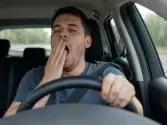
¿Cuál es el tiempo de sueño recomendable antes de conducir un vehículo?
How much sleep is recommended before driving a vehicle?
- ADormir al menos 4 horas, siempre que no se sienta somnolencia.At least 4 hours, as long as you do not feel sleepy.
- BDormir entre 5 y 6 horas, si el descanso ha sido de calidad.Between 5 and 6 hours, if the rest has been of good quality.
- CDormir entre 7 y 9 horas, como recomendación general para una conducción segura.Between 7 and 9 hours, as a general recommendation for safe driving.
ExplanationSleep is a key factor for safe driving, because lack of rest causes sleepiness, less attention, a longer reaction time and worse decisions. As a general recommendation, you should sleep between 7 and 9 hours before driving, because this gives most people enough rest. Sleeping fewer hours, even if it sometimes seems enough, increases the risk of fatigue and of microsleeps at the wheel, which can cause serious accidents. So you should not drive without enough rest, or trust that 'feeling fine' can replace proper sleep.
¿Qué efecto produce la cocaína en la conducción?
What effect does cocaine have on driving?
- ADisminuye la distancia de reacción.It reduces the reaction distance.
- BNo afecta las condiciones psicofísicas del conductor.It does not affect the driver's physical and mental condition.
- CAumenta la distancia de reacción.It increases the reaction distance.
ExplanationUnder the effects of cocaine, behaviour can become more competitive and even aggressive. Drivers overrate their own abilities at the wheel and accept a higher level of risk because they have a wrong perception of their surroundings, which increases the reaction distance.
La depresión causa...
Depression causes...
- Amás irritabilidad y ansiedad.more irritability and anxiety.
- Bmenos ansiedad.less anxiety.
- Cmenor irritabilidad y mayor ansiedad.less irritability and more anxiety.
ExplanationDepression has a significant impact on the driver's condition. People with depression may feel more irritable and anxious, which harms their ability to make decisions, concentrate and react in traffic. This increases the risk of dangerous situations. Drivers with symptoms of depression are advised to see a specialist and to avoid driving when they are under emotional stress.
¿La fatiga provoca que los movimientos sean más lentos y menos precisos?
Does fatigue make your movements slower and less precise?
- ANo, la fatiga solo causa calambres.No, fatigue only causes cramps.
- BNo.No.
- CSí, por eso conducir se vuelve más peligroso.Yes, and that is why driving becomes more dangerous.
ExplanationFatigue harms the driver's concentration and attention. This makes movements slow and less precise, and so increases the risk of accidents. According to the General Traffic Regulations, driving requires an optimal condition to ensure road safety. This is in line with the rules on fitness to drive, which state that factors such as fatigue can affect the driver's vision and ability to react.

¿Cuál es la tasa máxima de alcohol en sangre para un conductor de bicicleta?
What is the maximum blood alcohol level for a cyclist?
- ALos conductores de bicicletas no tienen tasa máxima de alcoholemia.Cyclists do not have a maximum alcohol level.
- B0,5 gramos de alcohol por cada litro de sangre.0.5 grams of alcohol per litre of blood.
- C0,3 gramos de alcohol por cada litro de sangre.0.3 grams of alcohol per litre of blood.
ExplanationCyclists have the same maximum alcohol limit as other drivers, which, as a general rule, is 0.5 grams of alcohol per litre of blood.
¿Cuál es la tasa máxima de alcohol permitida para conductores noveles?
What is the maximum alcohol level allowed for novice drivers?
- A0,5 g/l en sangre0.5 g/l in blood
- B0,3 g/l en sangre0.3 g/l in blood
- C0,1 g/l en sangre0.1 g/l in blood
ExplanationNovice drivers have a lower limit: 0.3 g/l in blood (0.15 mg/l in exhaled air).
¿Cuál es la tasa máxima permitida de alcohol en sangre para un conductor novel?
What is the maximum blood alcohol level allowed for a novice driver?
- A0,5 g/l.0.5 g/l.
- B0,3 g/l.0.3 g/l.
- C0,25 g/l.0.25 g/l.
ExplanationFor a novice driver, the maximum alcohol level allowed for driving is 0.3 grams of alcohol per litre of blood, which is equivalent to 0.15 milligrams of alcohol per litre of exhaled air.
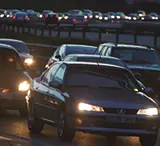
Por la noche, la agudeza visual...
At night, visual acuity...
- AAumenta.increases.
- BNo varía.does not change.
- CSe reduce.is reduced.
ExplanationDriving at night requires special care, because darkness makes it harder to see and to judge distances and objects. Visual acuity is therefore reduced.
El tiempo de reacción, ¿será igual en todos los conductores?
Is the reaction time the same for all drivers?
- ASí, para todos los conductores será de 3/4 de segundo.Yes, for all drivers it is 3/4 of a second.
- BSí, para todos los conductores será de menos de un segundo.Yes, for all drivers it is less than one second.
- CNo.No.
ExplanationReaction time can vary from person to person; it is normally between 3/4 of a second and one second. It also varies for the same person depending on their circumstances at each moment.
¿Se puede hablar por el teléfono móvil mientras se conduce?
Can you talk on a mobile phone while driving?
- ANo, en ningún caso.No, never.
- BSí, si utilizo un dispositivo homologado.Yes, if I use an approved device.
- CSí, cuando la comunicación tenga lugar sin usar las manos, cascos ni auriculares.Yes, when the call is made without using your hands, earphones or a headset.
ExplanationUnder Article 18.2 of the General Traffic Regulations (RGC), using a mobile phone while driving is prohibited, except when the call is made without using your hands and without earphones, a headset or similar devices. An approved (type-approved) device is not enough if you have to use your hands or earphones.
¿Es recomendable fumar mientras conduces?
Is it advisable to smoke while you drive?
- ASí, para las personas que fuman con regularidad, porque les relaja.Yes, for people who smoke regularly, because it relaxes them.
- BNo, puede provocar distracciones en el conductor.No, it can distract the driver.
- CSí, siempre.Yes, always.
ExplanationSmoking while driving can cause distractions. This goes against Article 18 of the General Traffic Regulations, which states that drivers must pay attention and keep control of the vehicle. Distraction can increase the risk of accidents, so it is advisable to avoid any activity that is not related to driving.
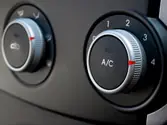
¿La temperatura interior del vehículo influye en las capacidades del conductor?
Does the temperature inside the vehicle affect the driver's abilities?
- ANo, solo repercutirá en el confort.No, it only affects comfort.
- BSí.Yes.
- CNo, es solo una cuestión de comodidad.No, it is only a question of comfort.
ExplanationA high temperature inside the vehicle can increase the driver's reaction time and can also cause fatigue and sleepiness.
Negarse a someterse a las pruebas de drogas requeridas por un agente de la autoridad:
Refusing to take the drug tests required by a police officer:
- ASupone una pérdida de 4 puntos de nuestro permiso o licencia.means losing 4 points from our licence.
- BSupone una pérdida de 6 puntos de nuestro permiso o licencia.means losing 6 points from our licence.
- CSupone una pérdida de 2 puntos de nuestro permiso o licencia.means losing 2 points from our licence.
ExplanationRefusing to take the drug tests required by a police officer means losing 6 points from our licence, because it is considered a very serious offence.
Bajo los efectos del cannabis, ¿se verá afectado el tiempo de reacción?
Under the effects of cannabis, is reaction time affected?
- ASí, disminuye.Yes, it decreases.
- BSí, aumentaYes, it increases.
- CNo se ve afectado.It is not affected.
ExplanationUnder the effects of cannabis, the perception of your surroundings, of time and of space is altered, and it is hard to stay focused, so reaction time increases.
¿El consumo de alcohol cambia la probabilidad de que un conductor sufra deslumbramiento?
Does drinking alcohol change how likely a driver is to be dazzled?
- ASí — la reduce.Yes — it makes it less likely.
- BNo — no la altera.No — it does not change it.
- CSí — la aumenta.Yes — it makes it more likely.
ExplanationAlcohol makes the pupil adjust more slowly to changes in light. That is why it increases sensitivity to glare, for example from the headlights of oncoming vehicles, and increases the time it takes to see normally again afterwards.
El conductor de una bicicleta ha consumido estupefacientes, ¿tiene permitido circular?
The rider of a bicycle has taken drugs. Are they allowed to ride?
- ANo.No.
- BSí, porque la bicicleta no es un vehículo a motor.Yes, because a bicycle is not a motor vehicle.
- CSí, cuando ha consumido poca cantidad.Yes, if they have taken only a small amount.
ExplanationNo. The ban on driving after taking drugs applies to all drivers of vehicles, including bicycles, even though they are not motor vehicles. Any amount of drugs is prohibited, because it affects perception and reactions.
Tomar café, ¿puede afectar a la conducción?
Can drinking coffee affect driving?
- ASí, beneficia y estimula al conductor.Yes, it benefits and stimulates the driver.
- BNo, no afecta a la conducción.No, it does not affect driving.
- CCuando pasan sus efectos estimulantes puede producir el efecto rebote.When its stimulating effects wear off, it can cause a rebound effect.
ExplanationWhen the stimulating effects of coffee wear off, there can be a rebound effect, in which sleepiness appears suddenly and catches the driver off guard.
¿Pueden conducir los enfermos crónicos?
Can people with chronic illnesses drive?
- ANo durante una crisis o en fase aguda de la enfermedad.Not during a crisis or an acute phase of the illness.
- BSí, siempre que se mediquen adecuadamente.Yes, as long as they take the right medication.
- CNo en ningún caso.No, never.
ExplanationA person with a chronic illness should avoid driving during a crisis or an acute phase of the illness and should always follow their doctor's instructions. This way they will reduce the risk of having an accident.
¿Cuál de las siguientes situaciones puede causar fatiga en el conductor?
Which of the following situations can cause driver fatigue?
- AConducir de noche con poca luz.Driving at night with poor light.
- BCircular por una vía con la calzada en buen estado.Driving on a road with a carriageway in good condition.
- CVentilar correctamente el interior del vehículo.Ventilating the inside of the vehicle properly.
ExplanationDriving at night with poor lighting makes driver fatigue more likely, because it reduces visibility and increases the mental and physical load of driving. According to the Traffic and Road Safety Code, fatigue is one of the factors that significantly affect the ability to drive and can lead to crashes. The factors that contribute to fatigue must be identified and dealt with to ensure road safety.
¿Programar el GPS mientras conduces distrae y afecta la conducción?
Does programming the GPS while you drive distract you and affect your driving?
- ANo, siempre que conduzcas a una velocidad moderada.No, as long as you drive at a moderate speed.
- BSí.Yes.
- CNo, porque el GPS es una ayuda y nunca distrae al conductor.No, because the GPS is an aid and never distracts the driver.
ExplanationProgramming the GPS while moving forces you to take your eyes off the road and your hands off the wheel, and to think about something else. Under Article 18.1 of the General Traffic Regulations, the driver must pay constant attention to driving; set the destination before setting off or with the vehicle stopped.
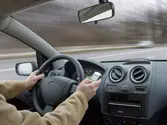
¿Qué puede hacer para evitar los peligros que causa el uso del teléfono móvil durante la conducción?
What can you do to avoid the dangers caused by using a mobile phone while driving?
- AEsperar a detenerse en un semáforo o en un paso de peatones para usarlo.Wait until you stop at a traffic light or a pedestrian crossing to use it.
- BDetener el vehículo en un lugar seguro para poder usar el teléfono.Stop the vehicle in a safe place so that you can use the phone.
- CColgar las llamadas cuando suenen.Hang up calls when the phone rings.
ExplanationUnder article 18.2 of the General Traffic Regulations, a mobile phone may not be used while driving, except hands-free without earphones. Stopping at a traffic light or a pedestrian crossing still counts as driving; to use the phone you must stop the vehicle in a safe place where stopping is allowed.

Conducir habiendo tomado cannabis puede producir...
Driving after taking cannabis can cause...
- AUna disminución del tiempo de reacción.a shorter reaction time.
- BUn aumento del tiempo de reacción.a longer reaction time.
- CUn aumento de su capacidad de reacción.a greater ability to react.
ExplanationTaking cannabis makes the driver's reaction time longer; in other words, they will take longer to decide what to do in response to a stimulus and will be slower.
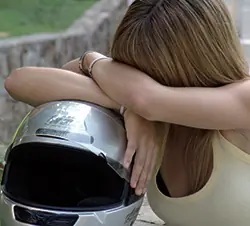
La fatiga, ¿puede alterar el tiempo de reacción del conductor?
Can fatigue change a driver's reaction time?
- ASí, lo aumenta.Yes, it increases it.
- BSí, lo disminuye.Yes, it reduces it.
- CNo.No.
ExplanationFatigue increases reaction time: the driver takes longer to see the danger and to act, so they travel further before braking. It also reduces concentration and makes distractions more likely.
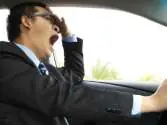
¿Cuál de las siguientes acciones puede ayudar a reducir la fatiga al volante?
Which of the following actions can help reduce fatigue at the wheel?
- ATomar una siesta corta antes de conducir largas distancias.Taking a short nap before driving long distances.
- BConsumir bebidas energéticas con cafeína durante el viaje.Having energy drinks with caffeine during the journey.
- CIgnorar los signos de cansancio y continuar conduciendo sin descanso.Ignoring the signs of tiredness and carrying on driving without a rest.
ExplanationResting before a long journey, even with a short nap, reduces fatigue at the wheel. Caffeine and energy drinks only hide tiredness for a while and do not replace rest; at the first signs of sleepiness you must stop.
Los accidentes por sueño ocurren...
Accidents caused by sleepiness happen...
- Asiempre de noche.always at night.
- Btambién antes de que el conductor se duerma por completo.also before the driver falls completely asleep.
- Csolo cuando el conductor se duerme por completo.only when the driver falls completely asleep.
ExplanationAccidents caused by sleepiness can happen before the driver is completely asleep, because of fatigue and drowsiness, which are dangerous because they reduce the driver's attention. The General Traffic Regulations stress the importance of staying constantly alert at the wheel to ensure road safety. Drowsiness can appear at any time, not only at night, and it is critical to spot the early signs to avoid accidents.
El tiempo de reacción medio de un conductor es de...
A driver's average reaction time is...
- A1,55 segundos.1.55 seconds.
- B3 ó 4 segundos.3 or 4 seconds.
- C0,75 segundos.0.75 seconds.
ExplanationA driver's average reaction time is 0.75 seconds.
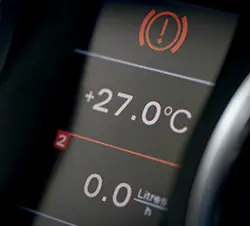
El calor afecta negativamente a las capacidades para conducir con seguridad. Un conductor que se encuentra bajo sus efectos normalmente:
Heat has a negative effect on the abilities needed to drive safely. A driver who is affected by heat normally:
- ATarda más en reaccionar y es menos agresivo.takes longer to react and is less aggressive.
- BTarda más en reaccionar y es más agresivo.takes longer to react and is more aggressive.
- CTarda menos en reaccionar y es más agresivo.reacts more quickly and is more aggressive.
ExplanationHeat impairs the driver's abilities: it makes the reaction time longer and at the same time increases irritability and aggression at the wheel. So you should ventilate the inside of the car and rest more often.
Colocar el soporte de un GPS cerca del airbag….
Placing a GPS holder near the airbag...
- APuede obstaculizar su apertura.can obstruct the airbag when it opens.
- BEs aconsejable en algunos vehículos.is advisable in some vehicles.
- CNo afecta al correcto funcionamiento del airbag.does not affect the correct working of the airbag.
ExplanationAny object placed near the area where the airbag opens, such as a GPS or mobile phone holder, can prevent the airbag from opening or change its direction, and can be thrown against the occupants. These holders must be fitted outside those areas.
Para evitar o retrasar la aparición de la fatiga, los conductores deben...
To prevent or delay fatigue, drivers should...
- Amantener el interior del vehículo a una temperatura elevada, siempre por encima de los 25 grados.keep the inside of the vehicle at a high temperature, always above 25 degrees.
- Bmantener bien ventilado el interior del vehículo.keep the inside of the vehicle well ventilated.
- Ccerrar totalmente las ventanillas.close the windows completely.
ExplanationOne way to prevent or delay fatigue is to ventilate the inside of the vehicle properly and keep a suitable temperature, for example between 20 and 23 degrees.
¿Cuál es el límite máximo de alcohol en sangre para los conductores en general?
What is the maximum blood alcohol limit for drivers in general?
- A0,5 gramos por litro.0.5 grams per litre.
- B0,25 miligramos por litro.0.25 milligrams per litre.
- C0,3 gramos por litro.0.3 grams per litre.
ExplanationUnder Article 20 of the General Traffic Regulations, as a general rule you may not drive with more than 0.5 grams of alcohol per litre of blood (0.25 mg per litre of exhaled air). For novice and professional drivers the limit is 0.3 g per litre of blood.
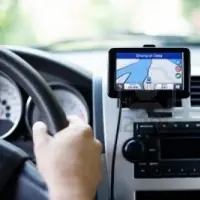
¿Es conveniente poner al lado de un airbag el dispositivo GPS?
Is it a good idea to place the GPS device next to an airbag?
- ANo, ya que el soporte puede obstaculizar la correcta apertura del airbag.No, because the holder may stop the airbag from opening properly.
- BSí, es obligatorio situarlo en ese lugar.Yes, it is compulsory to place it there.
- CSí, ya que así la visión del GPS será mejor para el conductor.Yes, because the driver will then see the GPS better.
ExplanationNo. The holder of the GPS, or of any other device placed where the airbag opens, can stop it from opening properly or be thrown at the occupants in a collision. These devices must be placed outside that area and without blocking the view.
En caso de duda sobre las indicaciones del GPS...
If you are unsure about the GPS directions...
- Ahay que volver a introducir la ruta.you must enter the route again.
- Bes mejor reiniciar el GPS.it is better to restart the GPS.
- Cse debe seguir la opinión del conductor.you should follow the driver's own judgement.
ExplanationThe GPS is only an aid: if its directions raise doubts or do not match the signs or what the driver sees, the driver's judgement and what the signs show take precedence. Reprogramming or restarting it while driving is distracting and does not solve the situation.
Conforme a las definiciones recogidas en el Reglamento General de Vehículos, un remolque o semirremolque concebido y acondicionado para ser utilizado como vivienda móvil, permitiéndose el uso de su habitáculo cuando el vehículo se encuentra estacionado, es...
According to the definitions in the General Vehicle Regulations, a trailer or semi-trailer designed and equipped to be used as a mobile home, whose living space may be used when the vehicle is parked, is...
- Aun vehículo acondicionado.a conditioned vehicle.
- Buna caravanaa caravan.
- Cuna autocaravana.a motorhome.
ExplanationAccording to Annex II of the General Vehicle Regulations, a caravan is a trailer or semi-trailer designed and equipped to be used as a mobile home, whose living space may be used when the vehicle is parked. A motorhome is a motor vehicle, and a 'conditioned vehicle' is one equipped to carry goods at controlled temperatures.
¿Cómo afecta el consumo de cannabis a la conducción?
How does using cannabis affect driving?
- AAumenta la capacidad de reacción del conductor.It increases the driver's ability to react.
- BDisminuye la capacidad de reacción del conductor.It reduces the driver's ability to react.
- CDisminuye el tiempo de reacción del conductor.It reduces the driver's reaction time.
ExplanationCannabis reduces the driver's ability to react, and so it increases the driver's reaction time.
¿Cuántos puntos se pierden por conducir con el móvil en la mano?
How many points do you lose for driving with a mobile phone in your hand?
- A3 puntos3 points.
- B6 puntos6 points.
- C4 puntos4 points.
ExplanationDriving while holding a mobile phone in your hand means losing 6 points and a fine of €200. It is one of the offences with the highest points penalty because it is very dangerous.
¿Puedes negarte a la segunda prueba de alcoholemia (evidencial)?
Can you refuse the second (evidential) alcohol test?
- ASí, si la primera fue negativaYes, if the first one was negative.
- BNo, la negativa constituye delitoNo, refusing is a criminal offence.
- CSí, es voluntariaYes, it is voluntary.
ExplanationRefusing any of the alcohol or drug tests is a criminal offence of serious disobedience, punishable by 6 months to 1 year in prison.
Circular por una vía con mucho tráfico, ¿puede favorecer la aparición de fatiga?
Can driving on a road with heavy traffic make fatigue more likely?
- ASí.Yes.
- BNo.No.
- CNo, solo en trayectos de más de dos horas.No, only on journeys of more than two hours.
ExplanationDriving on a road with heavy traffic requires more concentration to drive safely, and this makes fatigue more likely.
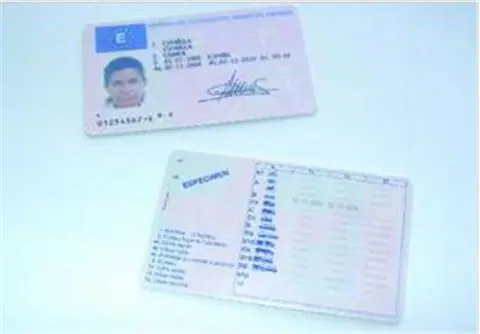
Tiene el permiso A desde hace dos años y acaba de obtener el B. ¿Cuál será la tasa máxima de alcohol permitida cuando conduzca un turismo?
You have held licence A for two years and have just obtained licence B. What is the maximum alcohol level allowed when you drive a car?
- A0,25 miligramos de alcohol por litro de aire espirado.0.25 milligrams of alcohol per litre of exhaled air.
- B0,50 miligramos de alcohol por litro de aire espirado.0.50 milligrams of alcohol per litre of exhaled air.
- C0,15 miligramos de alcohol por litro de aire espirado.0.15 milligrams of alcohol per litre of exhaled air.
ExplanationThe reduced level of 0.15 mg/l of exhaled air applies during the two years after obtaining the first licence. A person who has held licence A for more than two years is no longer a novice driver, so when driving a car the general level of 0.25 mg/l applies.
¿Cual es la tasa máxima de alcohol en sangre para un conductor de camión de hasta 3500 kg.?
What is the maximum blood alcohol level for the driver of a lorry of up to 3,500 kg?
- A0,3 gr. por litro de sangre.0.3 g per litre of blood.
- B0,5 gr. por litro de sangre.0.5 g per litre of blood.
- C0,25 gr. por litro de sangre.0.25 g per litre of blood.
ExplanationFor the driver of a lorry of up to 3,500 kg, the alcohol limit is the same as the general one. For the driver of a lorry of more than 3,500 kg, the maximum level allowed is 0.3 g of alcohol per litre of blood.
¿Qué efecto produce el estrés en la conducción?
What effect does stress have on driving?
- AEl estrés no afecta para nada en la conducción.Stress does not affect driving at all.
- BAumenta el nivel de agresividad, hostilidad y competitividad hacia los demás conductores.It increases aggression, hostility and competitiveness towards other drivers.
- CSomnolencia.Sleepiness.
ExplanationStress is a defence mechanism that switches on when we face situations that need a great effort, so it increases aggression, hostility and competitiveness towards other drivers.
All topics
- Definitions
- Documents and penalty points
- Duties of drivers and pedestrians
- Vehicle safety devices
- Vehicle controls and equipment
- Vehicle lights and horn
- Traffic signs, markings and signals
- The road and its lanes
- Speed and distances
- Manoeuvres
- Right of way
- Carrying passengers and loads
- Driving safely in difficult conditions
- Vehicle mechanics and maintenance
- Road accidents and first aid
- Defensive and eco-driving
Independent app: not affiliated with or endorsed by the DGT (Spain's Directorate-General for Traffic) or the Ministry of the Interior. The official exam is booked with the DGT and taken at its test centres. The questions here are practice material; the DGT's official question bank is not public.
Basado en datos de la Agencia Estatal Boletín Oficial del Estado (https://www.boe.es). Textos consolidados de carácter meramente informativo. La AEBOE no patrocina ni respalda este sitio.
Parte de las preguntas procede de los tests de la revista «Tráfico y Seguridad Vial» de la DGT, reproducidos con indicación de la fuente.