
DGT test · 590 questions
The driver's condition · Page 7 of 12
Alcohol, drugs, medicines, fatigue, sleepiness and distraction: how they affect driving, the legal alcohol limits and roadside testing.
Questions in this topic, with answers
590 questions, 50 per page, with the correct answer and the explanation. Page 7 of 12.
Ante la presencia de drogas en el organismo, el límite legal para conducir es:
When there are drugs in the body, the legal limit for driving is:
- ATasa cero, salvo prescripción médica que no merme la capacidad.Zero, except for medical prescriptions that do not reduce the ability to drive.
- BEl mismo que para el alcohol.The same as for alcohol.
- CNo existe límite.There is no limit.
ExplanationFor drugs a zero limit applies; the only exception is substances taken on medical prescription that do not affect driving.
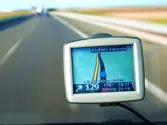
El navegador GPS se tendrá que programar...
The GPS navigator must be programmed...
- ADeteniéndonos donde sea necesario.stopping wherever necessary.
- BCuando necesitemos ayuda vía satélite.when we need satellite help.
- CAntes de iniciar el viaje.before starting the journey.
ExplanationSetting up the GPS and searching for the route must be done before starting the journey, so as not to cause distractions during it.
¿Qué percibe el conductor con el efecto túnel?
What does the driver perceive with tunnel vision?
- AUna pérdida de la sensación de la velocidad.A loss of the sense of speed.
- BPercibe como la fatiga disminuye.They feel their tiredness decreasing.
- CSólo percibe el centro de la calzada y deja de ver los laterales.They only perceive the centre of the carriageway and stop seeing the sides.
ExplanationWith tunnel vision, caused mainly by high speed, the field of vision narrows: the driver only clearly perceives the centre of the carriageway and stops seeing what is happening at the sides, such as vehicles or pedestrians approaching from one side.
¿Cuál es la tasa máxima de alcohol en el aire espirado permitida para un conductor novato?
What is the maximum breath alcohol level allowed for a novice driver?
- A0,30 miligramos por litro durante los dos primeros años.0.30 milligrams per litre during the first two years.
- B0,25 miligramos por litro durante el primer año.0.25 milligrams per litre during the first year.
- C0,15 miligramos por litro durante los dos primeros años.0.15 milligrams per litre during the first two years.
ExplanationThe correct maximum breath alcohol level allowed for a novice driver is 0.15 milligrams per litre during the first two years after obtaining the driving licence. This is set out in Article 20 of the General Traffic Regulations, which states that novice drivers must respect this stricter limit to ensure road safety, because their lack of experience can make them more likely to make wrong decisions under the influence of alcohol.
¿Qué debe hacer un conductor con sueño?
What should a sleepy driver do?
- ABeber algo refrescante.Have a refreshing drink.
- BDescansar lo antes posible en un lugar adecuado.Rest as soon as possible in a suitable place.
- CSeguir conduciendo y descansar solo después de 2 horas o 200 kilómetros.Keep driving and rest only after 2 hours or 200 kilometres.
ExplanationDrowsiness reduces attention, increases reaction time and can cause microsleeps. At the first symptoms you must stop in a safe place and rest; having a refreshing drink or opening the window only helps for a few minutes. A break every 2 hours or 200 km is a preventive measure, not a deadline to hold out until.
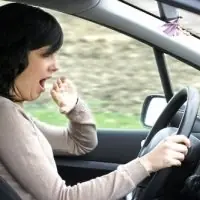
En general, el sueño aparece con mayor frecuencia...
In general, sleepiness appears most often...
- Aen las primeras horas de la mañana y al final de la tarde.in the early morning and in the late afternoon.
- Bdurante la madrugada y en las primeras horas de la tarde.in the small hours of the night and in the early afternoon.
- Cdurante las horas centrales de la mañana y en las primeras horas de la tarde.in the middle of the morning and in the early afternoon.
ExplanationSleepiness usually appears most often in the small hours of the night (between 4:00 and 5:00) and in the early afternoon (between 14:00 and 16:00). The most important rules to avoid an accident caused by sleepiness or fatigue are: if we feel tired or sleepy while driving, the best thing is to stop and rest in a suitable place and sleep for about 20 or 30 minutes; rest for 20 to 30 minutes every 2 hours or every 200 kilometres at most; always watch for the signs and symptoms of sleepiness or fatigue.
¿Cuál es la tasa máxima de alcohol en aire con carácter general?
What is the maximum breath alcohol level as a general rule?
- A0,50 mg/litro de aire.0.50 mg per litre of air.
- B0,30 mg/litro de aire.0.30 mg per litre of air.
- C0,25 mg/litro de aire.0.25 mg per litre of air.
ExplanationAs a general rule, the maximum level with which a driver may drive is 0.25 mg per litre of air. For novice drivers of any type of vehicle during the first 2 years after obtaining their first licence or permit, and for professional drivers, the level is 0.15 mg per litre of air.
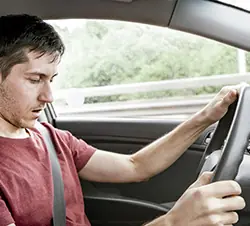
¿Qué es un microsueño?
What is a microsleep?
- AUn periodo de unos segundos durante el cual el conductor sueña mientras conduce.A period of a few seconds during which the driver dreams while driving.
- BUn periodo de unos segundos durante el cual el conductor queda ligeramente dormido sin darse cuenta.A period of a few seconds during which the driver dozes off slightly without realising it.
- CUn periodo corto de descanso que el conductor realiza cuando siente fatiga.A short rest the driver takes when they feel tired.
ExplanationA microsleep is an episode of a few seconds in which the driver falls asleep without realising it; it is typical of fatigue and drowsiness. During that time the vehicle travels tens of metres completely out of control.
¿Está permitido usar el teléfono móvil en una detención?
Are you allowed to use a mobile phone when your vehicle is stopped in traffic?
- ASólo si dispone de un dispositivo de manos libres, sin utilizar auriculares.Only if you have a hands-free device, without using earphones.
- BSí, porque el vehículo no está en movimiento.Yes, because the vehicle is not moving.
- CSí, si está detenido más de dos minutos.Yes, if you have been stopped for more than two minutes.
ExplanationIt is prohibited to use a mobile phone while driving, and a vehicle stopped because of traffic or at traffic lights is still on the road in traffic. You may only talk if the call takes place without using your hands and without a headset, earphones or similar devices.
El estrés, ¿puede afectar al conductor?
Can stress affect the driver?
- ANo, el estrés no afecta para nada al conductor.No, stress does not affect the driver at all.
- BSí, puede afectar gravemente las capacidades del conductor.Yes, it can seriously affect the driver's abilities.
- CSí, pero solo a los conductores noveles.Yes, but only novice drivers.
ExplanationStress can affect the driver's abilities, for example by increasing aggressiveness or slowing down decision-making in dangerous situations.
¿Cuál es la tasa máxima de alcohol en aire para un conductor profesional?
What is the maximum breath alcohol level for a professional driver?
- A0,3 mg/l.0.3 mg/l.
- B0,5 mg/l.0.5 mg/l.
- C0,15 mg/l.0.15 mg/l.
ExplanationA professional driver has the same maximum alcohol level as a driver during the first 2 years after obtaining their first licence, which is 0.15 mg/l of air.
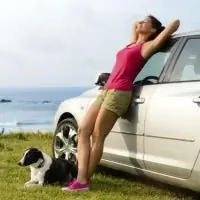
Para prevenir la fatiga debe parar a descansar 20 ó 30 minutos...
To prevent fatigue, you should stop and rest for 20 or 30 minutes...
- Acada 2 horas o 200 kilómetros de conducción continuada.every 2 hours or 200 kilometres of continuous driving.
- Bcada 4 horas o 400 kilómetros de conducción continuada.every 4 hours or 400 kilometres of continuous driving.
- Ca mitad de recorrido.halfway through the journey.
ExplanationThe most important rules to avoid an accident caused by sleepiness or fatigue are: if we feel tired or sleepy while driving, the best thing is to stop and rest in a suitable place and sleep for about 20 or 30 minutes; rest for 20 to 30 minutes every 2 hours or every 200 kilometres at most; always watch for the signs and symptoms of sleepiness or fatigue.
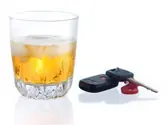
¿Cuál será la tasa máxima de alcohol en aire expirado durante los 2 años siguientes a la obtención del primer permiso de conducción?
What is the maximum breath alcohol level during the 2 years after obtaining your first driving licence?
- A0,25 mg/l.0.25 mg/l.
- B0,15 mg/l.0.15 mg/l.
- C0,30 mg/l.0.30 mg/l.
ExplanationDuring the 2 years after obtaining the driving licence, the breath alcohol level is 0.15 mg/l of air.
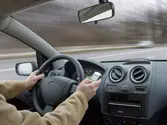
Usar el móvil con un sistema "manos libres" mientras se conduce, ¿puede influir en la capacidad de atención del conductor?
Can using a mobile phone with a hands-free system while driving affect the driver's ability to pay attention?
- ANo, el uso del móvil no influye para nada en la capacidad de atención.No, using a mobile phone does not affect the ability to pay attention at all.
- BSí, resulta difícil mantener una atención adecuada mientras se utiliza el teléfono.Yes, it is hard to keep proper attention while using the phone.
- CSí, resulta más fácil mantener la atención en la conducción.Yes, it makes it easier to keep your attention on driving.
ExplanationWhile driving, it is prohibited to use a mobile phone manually because of the danger it involves. However, it is important to understand that using hands-free devices also involves risks, because it also stops us from keeping proper attention while driving.
Conductores noveles: ¿cuál es la tasa máxima de alcohol en sangre?
Novice drivers: what is the maximum blood alcohol level?
- A0,5 g/l0.5 g/l
- B0,3 g/l0.3 g/l
- C0,1 g/l0.1 g/l
ExplanationNovice drivers (less than 2 years) have a maximum level of 0.3 g/l in the blood.
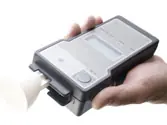
Si hemos obtenido un permiso de conducción por primera vez hace 13 meses, ¿cuál será nuestra tasa máxima de alcoholemia permitida?
If we obtained a driving licence for the first time 13 months ago, what is our maximum permitted alcohol level?
- A0,3 mg/litro de aire.0.3 mg per litre of air.
- B0,15 mg/litro de aire.0.15 mg per litre of air.
- C0,50 mg/litro de aire.0.50 mg per litre of air.
ExplanationDuring the 2 years after obtaining the first driving licence, the maximum alcohol level is 0.15 mg of alcohol per litre of air. As we obtained our first licence 13 months ago, this will be the maximum level until 24 months have passed.
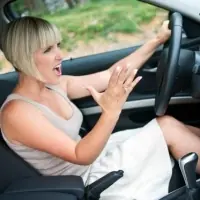
La depresión puede provocar en la conducción…
When driving, depression can cause...
- AMás capacidad de reacción.a greater ability to react.
- BUn aumento de las distracciones.more distractions.
- CUna percepción más eficiente.more efficient perception.
ExplanationThe possible effects of depression on the driver of a vehicle include more distractions at the wheel, a lower ability to react, an incorrect perception of their surroundings and more insecurity, which leads them to make wrong decisions. In any case, a driver affected by depression should consult a specialist before getting behind the wheel.
Negarse a la prueba de alcoholemia es:
Refusing to take an alcohol test is:
- AUna falta levea minor offence.
- BUn delitoa crime.
- CNo tiene consecuenciaswithout consequences.
ExplanationRefusing to take an alcohol test is a crime of disobedience, punishable by 6 months to 1 year in prison and loss of the licence for 1 to 4 years.
¿Cómo afectan el sueño y la fatiga a la conducción?
How do sleepiness and fatigue affect driving?
- AAumentan la distancia de reacción.They increase the reaction distance.
- BDisminuyen el tiempo de reacción.They reduce reaction time.
- CAumentan la capacidad de reacción.They increase the ability to react.
ExplanationSleepiness and fatigue harm the driver's physical and mental abilities. Fatigue can increase the reaction distance, because the driver may take longer to perceive a danger and react properly. This is supported by the Traffic and Road Safety Code, which mentions the role of fatigue in crashes and the need to prevent its effects at the wheel. So the correct answer is that sleepiness and fatigue increase the reaction distance, making it harder for the driver to respond quickly and effectively to dangerous situations.
Hace un año obtuvo el permiso A2 y ahora obtiene el permiso B. ¿Cuál será la tasa máxima de alcohol permitida?
You got your A2 licence a year ago and now you get your B licence. What will your maximum alcohol level be?
- A0,3 gramos por litro de sangre durante dos años.0.3 grams per litre of blood for two years.
- BUna tasa que no supere los 0,5 gramos por litro de sangre.A level of no more than 0.5 grams per litre of blood.
- C0,3 gramos por litro de sangre durante un año.0.3 grams per litre of blood for one year.
ExplanationThe 0.3 grams per litre of blood limit applies for the two years after getting your first licence, not after each new licence. Since you got the A2 a year ago, when you get the B you only have one more year at that limit; after that, the general limit of 0.5 g/l applies.
¿Cuál es la tasa máxima de alcoholemia en aire para un conductor novel?
What is the maximum breath alcohol level for a novice driver?
- A0,25 mg/l.0.25 mg/l.
- B0,15 mg/l.0.15 mg/l.
- C0,3 mg/l.0.3 mg/l.
ExplanationAll drivers of vehicles, during the two years after obtaining their first driving licence or permit, are prohibited from driving with alcohol levels above: in blood, 0.3 grams per litre (g/l); in breath, 0.15 milligrams per litre (mg/l).

El tiempo de reacción puede aumentar...
Reaction time can increase...
- Adespués de una comida ligera.after a light meal.
- Bsi usamos gafas graduadas.if we wear prescription glasses.
- Cdespués de una fuerte discusión.after a heated argument.
ExplanationIntense emotional states, such as anger after an argument, distract your attention and slow down your response to something unexpected, so they increase reaction time. Neither a light meal nor wearing prescription glasses makes it worse.
¿Cuál es la tasa máxima de alcoholemia como norma general?
What is the maximum alcohol level as a general rule?
- A0,25 miligramos de alcohol por litro de aire.0.25 milligrams of alcohol per litre of air.
- B0,5 miligramos de alcohol por litro de aire.0.5 milligrams of alcohol per litre of air.
- C0,3 gramos de alcohol por litro de sangre.0.3 grams of alcohol per litre of blood.
ExplanationAs a general rule, drivers of any vehicle are prohibited from driving with alcohol levels above 0.25 milligrams of alcohol per litre of air or 0.50 grams per litre of blood.
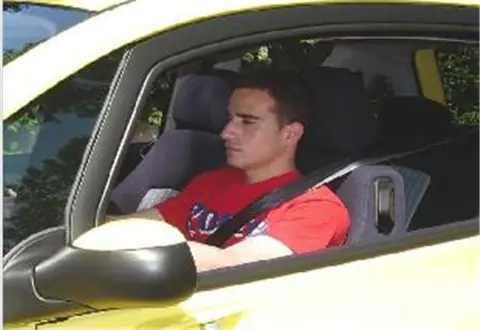
Los accidentes debidos al sueño suceden...
Accidents caused by sleepiness happen...
- Aúnicamente cuando el conductor se queda totalmente dormido.only when the driver falls completely asleep.
- Bsiempre por la noche.always at night.
- Ctambién antes de que el conductor se quede totalmente dormido.also before the driver falls completely asleep.
ExplanationMany sleep-related accidents happen before the driver is fully asleep, because of microsleeps or drowsiness, which reduces attention and makes reaction time longer. They can happen at any time, not only at night.
Respecto al llamado "efecto túnel", producido al circular con una velocidad elevada:
Regarding the so-called 'tunnel effect' caused by driving at high speed:
- ASe trata de un fenómeno positivo, puesto que permite ver mejor los posibles peligros de la vía.It is a positive phenomenon, because it lets you see possible dangers on the road better.
- BImpide ver adecuadamente cualquier peligro en los laterales de la carretera.It stops you from seeing any danger at the sides of the road properly.
- CMejora la capacidad de anticipación a los eventos del tráfico.It improves your ability to anticipate traffic events.
ExplanationThe tunnel effect stops you from seeing any danger at the sides of the road properly, because when driving at high speed our field of vision narrows and we can only see the central part of the road clearly. The sides are almost not seen, or are seen very blurred. This increases the risk of not noticing traffic signs, other vehicles or pedestrians, putting our safety and that of others at risk.
Las distracciones pueden originarse...
Distractions can be caused...
- Asolo por elementos dentro del vehículo.only by things inside the vehicle.
- Bpor elementos externos e internos del vehículo.by things outside and inside the vehicle.
- Csolo por elementos fuera del vehículo.only by things outside the vehicle.
ExplanationThe correct answer is the option about things outside and inside the vehicle, because distractions while driving can be caused both by things inside the vehicle, such as using navigation devices or music players, and by things outside, including other vehicles, pedestrians or traffic signs. According to the Spanish Highway Code, distractions are a significant risk factor for road safety, and it is essential to stay alert to both types to avoid accidents.
La alcoholemia hará que los deslumbramientos durante la conducción...
Having alcohol in your blood will make glare while driving...
- AAumenten.increase.
- BDisminuyan.decrease.
- CNo afecta.It has no effect.
ExplanationThe effects of alcohol on driving include judging distances and speed less well, experiencing the tunnel effect and being more sensitive to glare.

Mirar un cartel publicitario situado en el entorno de la vía, ¿puede distraer al conductor de un vehículo?
Can looking at an advertising board by the road distract the driver of a vehicle?
- ASolo si se circula de noche y el cartel está iluminado.Only if you are driving at night and the board is lit.
- BNo.No.
- CSí.Yes.
ExplanationLooking at an advertising board by the road can distract the driver of a vehicle because it takes their attention away from the road. When the driver looks at a board, even for a moment, they may lose concentration on driving, which increases the risk of accidents. This applies at any time of day, not only at night or when the board is lit.

Para evitar el cansancio al conducir, ¿cada cuánto tiempo debes descansar?
To avoid tiredness when driving, how often should you rest?
- ACada 2 horas o cada 200 kilómetros.Every 2 hours or every 200 kilometres.
- BSiempre que hay un área de descanso.Whenever there is a rest area.
- CCada 3 horas o cada 400 kilómetros.Every 3 hours or every 400 kilometres.
ExplanationIt is recommended to stop and rest at least every two hours or every 200 kilometres, even if you do not feel tired, because fatigue builds up gradually and reduces attention and reflexes. Waiting for a rest area to appear can make your time at the wheel too long.
Si circulando le sorprende el sueño debe:
If sleepiness catches you by surprise while driving, you should:
- AAumentar la velocidad para tratar de llegar cuanto antes a su destino.increase speed to try to reach your destination as soon as possible.
- BEstacionar el vehículo en lugar permitido y dormir.park the vehicle in a permitted place and sleep.
- CReducir la velocidad y circular por el arcén.reduce speed and drive on the hard shoulder.
ExplanationThe most important rules to avoid an accident caused by sleepiness or fatigue are: if we feel tired or sleepy while driving, the best thing is to stop and rest in a suitable place and sleep for about 20 or 30 minutes; rest for 20 to 30 minutes every 2 hours or every 200 kilometres at most; always watch for the signs and symptoms of sleepiness or fatigue.

¿Es aconsejable conducir un turismo calzado con unas chanclas?
Is it advisable to drive a car wearing flip-flops?
- ASí, porque al no sujetar el pie, es más fácil ejercer la presión correcta sobre los pedales.Yes, because they do not hold the foot, so it is easier to put the right pressure on the pedals.
- BSí, porque permiten un manejo más rápido y seguro de los pedales.Yes, because they allow faster and safer use of the pedals.
- CNo, porque podrían caerse y dificultar el manejo de los pedales.No, because they could come off and make it hard to use the pedals.
ExplanationDriving a car in flip-flops is not advisable because they can slip or come off, which makes it hard to control the pedals properly. This increases the risk of accidents because the driver cannot use the brake, accelerator and clutch pedals precisely and safely. The regulations state that you must be able to control the vehicle at all times, and if your footwear prevents this, you could be fined.
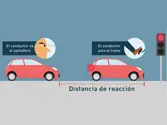
Si el estado psicofísico del conductor no es el apropiado, el tiempo de reacción…
If the driver's physical and mental state is not right, reaction time...
- Aaumenta.increases.
- Bdisminuye.decreases.
- Cno varía.does not change.
ExplanationReaction time is the time that passes from when the driver sees an obstacle until they react. This time varies depending on the driver's physical and mental state, never because of the speed or the condition of the road. Although it may seem that the reaction to an obstacle or an unexpected situation should be instant, a driver's average reaction time is about 0.75 seconds.
Negarse a someterse a las pruebas de detección de alcohol o drogas:
Refusing to take alcohol or drug tests:
- ANo tiene consecuencias si el conductor lo pide por escrito.has no consequences if the driver asks for it in writing.
- BEs constitutivo de delito contra la seguridad vial.is a crime against road safety.
- CSolo es una infracción leve.is only a minor offence.
ExplanationRefusing the tests is a crime against road safety set out in the Criminal Code (Article 383).
¿Comer o beber agua reduce el nivel de alcohol en la sangre?
Does eating or drinking water reduce the level of alcohol in the blood?
- ASí, mientras se bebe alcohol.Yes, while drinking alcohol.
- BSí, después de beber alcohol.Yes, after drinking alcohol.
- CNo, solo retrasa la absorción del alcohol.No, it only delays the absorption of alcohol.
ExplanationEating or drinking water does not remove alcohol from the blood: it only delays its absorption, so the level rises more slowly but can reach the same point. Alcohol is eliminated slowly by the liver, and the limits in Article 20 of the RGC are measured in blood or in exhaled air.
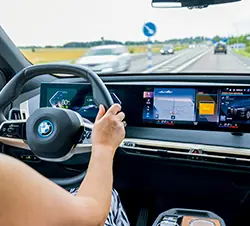
Si se lleva instalado un navegador GPS hay que tener en cuenta que...
If you have a GPS navigator installed, you should bear in mind that...
- Amientras se conduce no es conveniente apartar la vista del navegador.while driving, you should not take your eyes off the navigator.
- Blas indicaciones del navegador prevalecen sobre la señalización de la vía.the navigator's instructions prevail over the road signs.
- Cel criterio del conductor debe prevalecer sobre las indicaciones del navegador.the driver's judgement must prevail over the navigator's instructions.
ExplanationThe navigator is only an aid: its instructions may be out of date or may not match the real situation, so the driver's judgement and the road signs always prevail.
¿Qué teléfonos se pueden usar mientras se conduce?
Which phones may be used while driving?
- ASistemas de manos libres.Hands-free systems.
- BSistemas con auriculares.Systems with earphones.
- CTodos los sistemas están permitidos.All systems are allowed.
ExplanationArticle 18.2 of the General Traffic Regulations prohibits using a mobile phone while driving. It is only allowed when the call is made without using your hands and without earphones, a headset or similar devices, such as a hands-free system built into the vehicle.
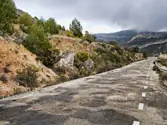
El mal estado de la vía, ¿influye en las aptitudes psicofísicas del conductor?
Does a road in poor condition affect the driver's physical and mental abilities?
- ASí.Yes.
- BSolo en conductores noveles.Only in novice drivers.
- CNo.No.
ExplanationA road in poor condition is one of several external factors that contribute to fatigue, because it makes driving harder and more uncomfortable, causing greater tiredness.
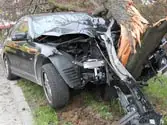
¿Se producen accidentes debidos al sueño, durante el día?
Do accidents caused by sleepiness happen during the day?
- ASi, especialmente a primeras horas de la tarde.Yes, especially in the early afternoon.
- BNo, estos solo se producen de noche.No, they only happen at night.
- CSi, pero solo, si no se ha dormido bien la noche anterior.Yes, but only if you did not sleep well the night before.
ExplanationTo have an accident caused by sleepiness, you do not need to fall asleep, because the risks of drowsiness appear much earlier. In addition, these accidents do not only happen at night, because many circumstances cause sleepiness during the day.
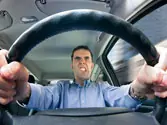
El estrés hace que el conductor...
Stress makes the driver...
- Asea más hostil con los demás usuarios.more hostile towards other road users.
- Brespete más la señalización.respect road signs more.
- Casuma menos riesgos.take fewer risks.
ExplanationStress can seriously impair our ability to drive safely and can increase aggression, hostility and competitiveness towards other drivers.
Conduciendo bajo los efectos del sueño...
When driving while sleepy...
- AAumenta el tiempo de reacción.reaction time increases.
- BDisminuye el tiempo de reacción.reaction time decreases.
- CAumenta la capacidad de reacción.the ability to react increases.
ExplanationSleepiness makes the driver react more slowly: it reduces their ability to react and increases the time they take to react.
La tasa máxima general de alcohol en aire espirado para un conductor con más de dos años de permiso es de:
The general maximum breath alcohol level for a driver who has held a licence for more than two years is:
- A0,25 mg/l.0.25 mg/l.
- B0,15 mg/l.0.15 mg/l.
- C0,30 mg/l.0.30 mg/l.
ExplanationThe correct figure is 0.25 mg/l of exhaled air; 0.15 is for novice and professional drivers, and 0.30 is not a legal limit for breath.
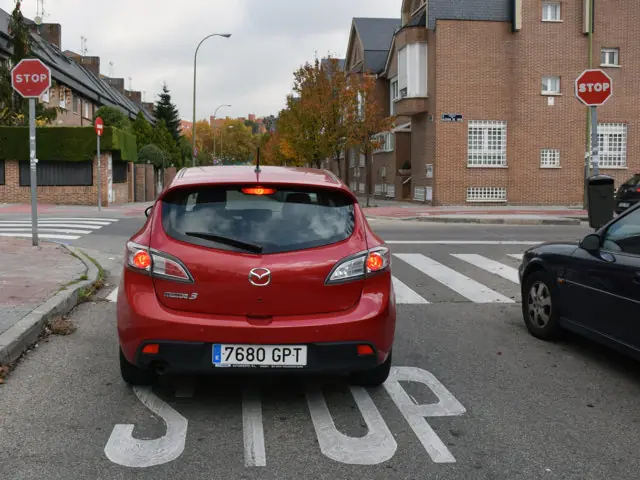
¿Puedes utilizar el teléfono móvil cuando estás parado delante de un stop?
Can you use your mobile phone when you are stopped at a stop sign?
- ANo.No.
- BSolo con un sistema de manos libres y sin usar cascos o auriculares.Only with a hands-free system and without using a headset or earphones.
- CSí, porque el vehículo está parado.Yes, because the vehicle is stopped.
ExplanationWhen you are stopped at a stop sign you are still driving, so the ban on using a mobile phone applies (Article 18 of the General Traffic Regulations). You may only communicate without using your hands and without a headset or earphones, that is, with a hands-free system. The fact that the vehicle is stopped for a moment does not change anything.
Como norma general, ¿se puede utilizar el móvil mientras se conduce?
As a general rule, can you use a mobile phone while driving?
- ANo, está prohibido.No, it is prohibited.
- BSí.Yes.
- CSí, si es por poco tiempo.Yes, if it is only for a short time.
ExplanationUnder Article 18 of the General Traffic Regulations, it is prohibited to use a mobile phone while driving, even for a short time. You may only talk without using your hands and without earphones; to use it, you must stop in a permitted place.
Si una persona sufre depresión...
If a person suffers from depression...
- Atiene más confianza.they are more confident.
- Bse pierde información del entorno.information about the surroundings is missed.
- Chay menos distracciones.there are fewer distractions.
ExplanationThe correct answer is that under the effects of depression, information about the surroundings is missed. This is because depression can seriously affect the driver's attention, concentration and perception, which can make it harder to notice signs, other vehicles and pedestrians. According to the General Traffic Regulations, in the article on physical and mental fitness, certain mental disorders, such as depression, can affect the ability to drive. A driver who does not perceive their surroundings properly is a danger to themselves and to others.
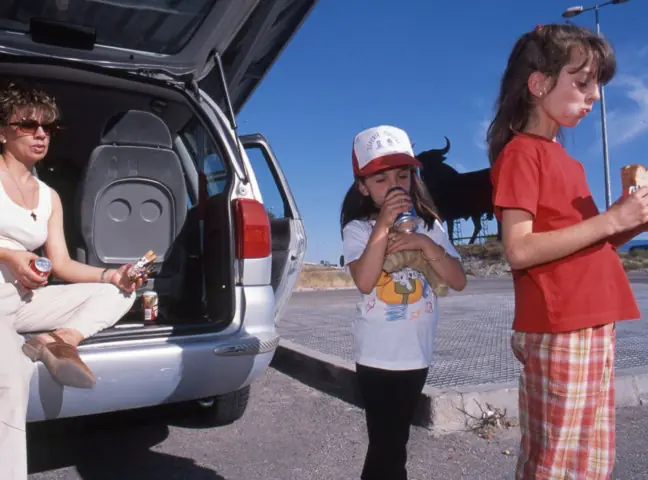
Cuando se realizan trayectos largos, ¿es recomendable parar y descansar un rato?
On long journeys, is it advisable to stop and rest for a while?
- ASolo si el trayecto discurre principalmente por autovías o autopistas.Only if the route is mainly on dual carriageways (autovías) or motorways (autopistas).
- BSí; 20 o 30 minutos cada 2 horas de conducción o cada 200 kilómetros.Yes; 20 or 30 minutes every 2 hours of driving or every 200 kilometres.
- CNo, porque se alarga el tiempo de viaje de forma innecesaria y aumenta la fatiga.No, because it makes the journey unnecessarily longer and increases fatigue.
ExplanationThe most important rules to avoid an accident caused by sleepiness or fatigue are: if we feel tired or sleepy while driving, the best thing is to stop and rest in a suitable place and sleep for about 20 or 30 minutes; rest for 20 to 30 minutes every 2 hours or every 200 kilometres at most; always watch for the signs and symptoms of sleepiness or fatigue.
¿A qué llamamos efecto túnel?
What do we call the tunnel effect?
- AAl deslumbramiento al entrar en un túnel.Being dazzled when entering a tunnel.
- BA la disminución del campo visual útil al aumentar la velocidad.The narrowing of the useful field of vision as speed increases.
- CA la disminución del tiempo de reacción al aumentar la velocidad.The reduction in reaction time as speed increases.
ExplanationAs speed increases, the driver's peripheral vision decreases.
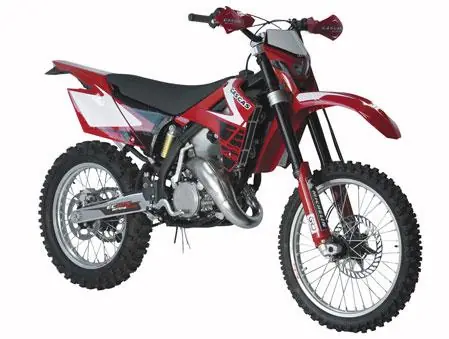
¿Es adecuado el conducir una motocicleta utilizando como calzado unas sandalias?
Is it appropriate to ride a motorcycle wearing sandals?
- ANo, en ningún caso.No, never.
- BSí, ya que el calzado no afecta en la conducción.Yes, because footwear does not affect riding.
- CSí, sobre todo en verano.Yes, especially in summer.
ExplanationSandals do not hold the foot firmly, make it harder to work the rear brake and the gear lever, and give no protection in a fall. In addition, from 1 October 2026, Article 118 of the General Traffic Regulations requires motorcycle riders and passengers to wear closed footwear that covers the whole foot.
¿Se puede usar el teléfono móvil en cualquier momento mientras se conduce?
Can you use a mobile phone at any time while driving?
- ASí, pero solo en vías urbanas a baja velocidad.Yes, but only on urban roads at low speed.
- BNo, si no tiene un dispositivo manos libres.No, if you do not have a hands-free device.
- CSí, por ejemplo, si está detenido en un semáforo.Yes, for example if you are stopped at traffic lights.
ExplanationIn Spain, under the General Traffic Regulations, using a mobile phone while driving is prohibited unless you use a hands-free device. This is to make sure the driver keeps full attention on the road and can control the vehicle properly. The correct answer is the option about not having a hands-free device, because using a mobile phone without one is considered a distraction that puts road safety at risk. This rule aims to reduce accidents and ensure the safety of all road users.
¿Está prohibido fumar durante la conducción?
Is smoking while driving forbidden?
- ASí.Yes.
- BNo está prohibido pero no es aconsejable ya que puede ocasionar distracciones por parte del conductor.It is not forbidden, but it is not advisable, because it can distract the driver.
- CSí, pero solo dentro de poblado.Yes, but only in built-up areas.
ExplanationSmoking while driving is not expressly forbidden, but it is not advisable. While lighting or putting out a cigarette, or putting the ash in the ashtray, the driver's attention is distracted, even if only for a moment.

El sueño afecta a la conducción porque…
Sleepiness affects driving because...
- AAumenta la capacidad de reacción.it increases the ability to react.
- BAumenta el tiempo de reacción.it increases reaction time.
- CReduce las distracciones.it reduces distractions.
ExplanationSleepiness is one of the factors with the most negative effect on the driver's physical and mental abilities. It significantly increases reaction time, so the driver takes longer to react to any situation; as a result, the ability to react decreases.
All topics
- Definitions
- Documents and penalty points
- Duties of drivers and pedestrians
- Vehicle safety devices
- Vehicle controls and equipment
- Vehicle lights and horn
- Traffic signs, markings and signals
- The road and its lanes
- Speed and distances
- Manoeuvres
- Right of way
- Carrying passengers and loads
- Driving safely in difficult conditions
- Vehicle mechanics and maintenance
- Road accidents and first aid
- Defensive and eco-driving
Independent app: not affiliated with or endorsed by the DGT (Spain's Directorate-General for Traffic) or the Ministry of the Interior. The official exam is booked with the DGT and taken at its test centres. The questions here are practice material; the DGT's official question bank is not public.
Basado en datos de la Agencia Estatal Boletín Oficial del Estado (https://www.boe.es). Textos consolidados de carácter meramente informativo. La AEBOE no patrocina ni respalda este sitio.
Parte de las preguntas procede de los tests de la revista «Tráfico y Seguridad Vial» de la DGT, reproducidos con indicación de la fuente.