
DGT test · 590 questions
The driver's condition · Page 4 of 12
Alcohol, drugs, medicines, fatigue, sleepiness and distraction: how they affect driving, the legal alcohol limits and roadside testing.
Questions in this topic, with answers
590 questions, 50 per page, with the correct answer and the explanation. Page 4 of 12.
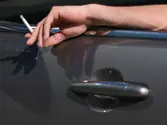
¿Fumar durante la conducción se considera una conducta interferente?
Is smoking while driving considered an interfering behaviour?
- ANo.No.
- BSí.Yes.
- CNo, solo lo es el uso del teléfono móvil.No, only using a mobile phone is.
ExplanationInterfering behaviours are those that take up the driver's attention for too long, so they increase the risk of having an accident.
¿Fumar mientras conduces puede causar distracciones?
Can smoking while you drive cause distractions?
- ASí.Yes.
- BNo, si se tiene cuidado.No, if you are careful.
- CNo, en ningún caso.No, never.
ExplanationSmoking while driving can cause distractions that affect the driver's attention. This is in line with the General Traffic Regulations, which stress the importance of constant attention when driving. Distractions such as using devices, smoking or eating are considered risk factors under section g) of the regulations.
Fumar al volante, ¿cómo afecta a la conducción?
How does smoking at the wheel affect driving?
- AProvoca somnolencia.It causes sleepiness.
- BAumenta la capacidad de atención.It increases your ability to pay attention.
- CInutiliza una de las manos y genera problemas de visión a causa del humo.It takes up one of your hands and causes vision problems because of the smoke.
ExplanationSmoking at the wheel causes distractions, takes up one of your hands, causes vision problems because of the smoke and, in general, lowers the driver's level of attention. Smoking while driving is not prohibited, but it is advisable not to do it.
La cocaína puede producir en el conductor...
Cocaine can cause the driver to show...
- Aun comportamiento más sereno y centrado.calmer and more focused behaviour.
- Bconductas agresivas y competitivas.aggressive and competitive behaviour.
- Cdisminución del tiempo de reacción.a shorter reaction time.
ExplanationCocaine makes the driver behave more competitively and more aggressively towards other drivers, because they overrate their own abilities.
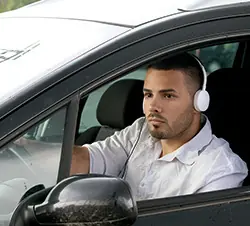
Los conductores, ¿pueden llevar en los oídos cascos o auriculares conectados a un teléfono móvil mientras conducen?
Can drivers wear a headset or earphones connected to a mobile phone in their ears while driving?
- ANo, excepto los conductores de bicicletas y los de vehículos de movilidad personal.No, except cyclists and riders of personal mobility vehicles.
- BSí, siempre que los auriculares sean inalámbricos.Yes, as long as the earphones are wireless.
- CNo, está prohibido como norma general.No, it is prohibited as a general rule.
ExplanationDriving with a headset or earphones connected to a phone or a music player is prohibited as a general rule: they cut you off from the sounds of traffic and take attention away from driving.
¿Se puede conducir una motocicleta con sandalias?
Can you ride a motorcycle wearing sandals?
- ASí, porque los pies se tienen que ventilar.Yes, because your feet need air.
- BNo, porque está prohibido.No, because it is prohibited.
- CEs indiferente, no influye en la conducción.It makes no difference; it does not affect riding.
ExplanationUnder Article 118.1.c of the General Traffic Regulations (as worded by Royal Decree 518/2026), motorcycle riders and passengers must wear closed footwear that covers the whole foot, on all types of road. Sandals do not meet this requirement.
¿Cómo afecta el cannabis en la conducción?
How does cannabis affect driving?
- ADisminuye el tiempo de reacción.It reduces reaction time.
- BPuede producir una fuerte somnolencia al volante.It can cause severe sleepiness at the wheel.
- CPueden darse las 2 consecuencias anteriores.Both of the above can happen.
ExplanationDriving under the effects of cannabis can cause severe sleepiness and a longer reaction time, which means we take longer to react.
Sobrevalorar su capacidad de conducción o una menor percepción del riesgo son conductas que, en general, hacen que los conductores jóvenes…
Overrating their driving ability or having a lower perception of risk are behaviours that, in general, make young drivers...
- Atengan menos probabilidad de sufrir un accidente.less likely to have an accident.
- Btengan más probabilidad de sufrir un accidentemore likely to have an accident.
- Csean más prudentes al volantemore careful at the wheel.
ExplanationOverrating your own skill and perceiving less risk leads you to accept more dangerous situations (speed, short distances), which explains why young drivers have more accidents.
¿Qué efectos produce el LSD en la conducción?
What effects does LSD have on driving?
- AMayor concentración en el entorno.Greater concentration on your surroundings.
- BAlucinaciones.Hallucinations.
- CDisminución del tiempo de reacción.A shorter reaction time.
ExplanationUnder the effects of LSD you may experience distorted perception and hallucinations; you would concentrate less on your surroundings and your reaction time would increase.
Los reflejos del sol directo sobre el conductor, ¿pueden tener un efecto negativo en la conducción?
Can direct sunlight or its reflections on the driver have a negative effect on driving?
- ASí, por lo que debe encender la luz de largo alcance para facilitar la visibilidad.Yes, so you should switch on the main beam to improve visibility.
- BNo, ninguno.No, none.
- CSí, afectan a la visión haciendo difícil distinguir los vehículos sobre el pavimento.Yes, they affect your vision and make it hard to make out vehicles on the road surface.
ExplanationYes. Direct sunlight or its reflections dazzle you, reduce contrast and make it hard to make out vehicles and obstacles on the road surface. You should reduce speed, use the sun visor and sunglasses and increase your distance; switching on the main beam does not help at all and dazzles others.
En condiciones favorables de visibilidad, para evitar la aparición de la fatiga durante una conducción prolongada, lo mejor es descansar...
In good visibility, to prevent fatigue during a long drive, it is best to rest...
- Acada tres horas.every three hours.
- Bcada media hora, como mínimo.every half hour, at least.
- Ccada dos horas.every two hours.
ExplanationThe most important rules to avoid an accident caused by sleepiness or fatigue are: if we feel tired or sleepy while driving, the best thing is to stop and rest in a suitable place and sleep for about 20 or 30 minutes; rest for 20 to 30 minutes every 2 hours or every 200 kilometres at most; always watch for the signs and symptoms of sleepiness or fatigue.
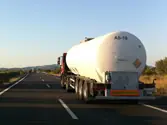
La tasa máxima de alcohol para los conductores de vehículos que transportan mercancías peligrosas...
The maximum alcohol level for drivers of vehicles carrying dangerous goods...
- Aes de 0,3 miligramos por litro en aire espirado.is 0.3 milligrams per litre of exhaled air.
- Bes de 0,15 miligramos por litro en aire espirado.is 0.15 milligrams per litre of exhaled air.
- Cdepende de la masa máxima autorizada del vehículo con el que se realice el transporte.depends on the maximum authorised mass of the vehicle used for the transport.
ExplanationThe maximum alcohol level allowed for professional drivers, including those carrying dangerous goods, is 0.15 milligrams per litre of exhaled air or 0.30 grams per litre of blood.

Detenido en un stop, ¿puede hacer una llamada con el móvil?
While stopped at a STOP sign, may you make a call on your mobile phone?
- ASí, porque el vehículo está detenido.Yes, because the vehicle is stationary.
- BNo, en ningún caso.No, never.
- CSí, con manos libres y sin auriculares.Yes, hands-free and without earphones.
ExplanationWhile stopped at a STOP sign you are still driving, and the General Traffic Regulations prohibit using a mobile phone while driving. Talking is only allowed if the communication takes place without using your hands and without a headset or earphones, for example with a built-in hands-free system.
¿Qué tasa máxima de alcoholemia tienen establecida los conductores noveles?
What maximum alcohol level is set for novice drivers?
- A0,25 miligramos/litro de aire espirado.0.25 milligrams per litre of exhaled air.
- B0,35 miligramos/litro de aire espirado.0.35 milligrams per litre of exhaled air.
- C0,15 miligramos/litro de aire espirado.0.15 milligrams per litre of exhaled air.
ExplanationThe maximum alcohol level for a novice driver is 0.15 milligrams of alcohol per litre of exhaled air, because this is the maximum level during the first 2 years.
¿Cuántas cervezas (5º) puede beber un conductor novel sin dar positivo?
How many beers (5% alcohol) may a novice driver drink without testing positive?
- ANinguna, su tasa es 0,3 g/lNone; their limit is 0.3 g/l
- B1 cerveza1 beer
- C2 cervezas2 beers
ExplanationThe only safe level is 0.0. For a novice driver, even one beer can give a positive result.
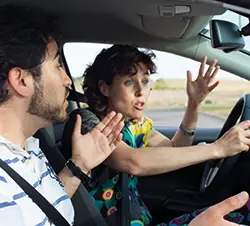
¿El estrés puede alterar las capacidades para conducir con seguridad?
Can stress impair your ability to drive safely?
- ANo, en ningún caso.No, never.
- BSí.Yes.
- CNo, porque no afecta a la conducción.No, because it does not affect driving.
ExplanationStress does impair your abilities: it scatters your attention, increases aggression and leads to rushed decisions, which raises the risk of an accident.
¿Está permitido usar el teléfono móvil en una retención con vehículos detenidos?
Are you allowed to use a mobile phone in a traffic queue where vehicles are stopped?
- ASolo si tiene un sistema de manos libres que no necesite auriculares.Only if you have a hands-free system that does not need earphones.
- BSí, si la inmovilización dura más de dos minutos.Yes, if the vehicles have been stopped for more than two minutes.
- CSí, porque el vehículo no está en movimiento.Yes, because the vehicle is not moving.
ExplanationUnder the General Traffic Regulations, using mobile phones while driving is prohibited, except in specific circumstances. The correct answer is the option about a hands-free system, because using a mobile phone is only allowed if you have a hands-free device that does not need earphones. This rule exists to prevent the driver from being distracted and to ensure road safety, because using the phone can take away the attention needed to drive safely.
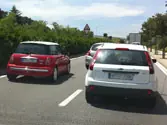
Circular por una vía con mucho tráfico...
Driving on a road with a lot of traffic...
- Afavorece la aparición de la fatiga.makes fatigue more likely.
- Bretrasa la aparición de la fatiga.delays fatigue.
- Cno es una circunstancia que afecte a la fatiga.does not affect fatigue.
ExplanationAnything that requires high concentration from the driver or makes driving less comfortable will make them tired sooner and make fatigue more likely. Driving on a road with a lot of traffic makes fatigue more likely because it requires more concentration. Traffic queues also make fatigue more likely, because they can cause stress, and stress causes fatigue.
¿Está obligado el conductor de una bicicleta a realizar la prueba de alcoholemia en un control preventivo?
Is a cyclist obliged to take an alcohol test at a preventive checkpoint?
- ANo, ya que no conduce un vehículo de motor.No, because they are not driving a motor vehicle.
- BSolamente si la bicicleta es de pedales con pedaleo asistido.Only if it is a pedal-assisted bicycle.
- CSí.Yes.
ExplanationAs a general rule, drivers of any vehicle, including bicycles, may not drive with alcohol levels above: in breath, 0.25 milligrams per litre of exhaled air; in blood, 0.5 grams per litre of blood. For novice drivers (during the first 2 years of holding the licence) and professional drivers, the maximum level allowed is 0.3 grams of alcohol per litre of blood or 0.15 milligrams per litre of exhaled air. The only completely safe level at the wheel is 0.0.
¿Cuál será la tasa máxima de alcoholemia autorizada con carácter general?
What is the maximum alcohol level allowed as a general rule?
- A0.25 mg de alcohol por litro de aire.0.25 mg of alcohol per litre of air.
- B0.50 mg de alcohol por litro de aire.0.50 mg of alcohol per litre of air.
- C0.3 mg de alcohol por litro de aire.0.3 mg of alcohol per litre of air.
ExplanationAs a general rule, the maximum alcohol level is 0.25 mg of alcohol per litre of air, which is equivalent to 0.5 grams of alcohol per litre of blood.
¿Cuál de los siguientes es un síntoma de que el conductor empieza a sentir fatiga?
Which of the following is a symptom that the driver is starting to feel fatigue?
- AMovimientos más rápidos, precisos y eficaces.Faster, more precise and more effective movements.
- BConducción más automática y menos activa.More automatic and less active driving.
- CDisminuye el número de parpadeos y duran menos.Blinking less often and for a shorter time.
ExplanationDriver fatigue can significantly affect the ability to react and pay attention. According to the General Traffic Regulations, especially the sections dealing with drowsiness and fatigue as risk factors, fatigue tends to cause more automatic and less active driving. This is because a tired driver tends to lose concentration and react more slowly to stimuli around them. So the option about more automatic and less active driving is correct, because it describes exactly this effect of fatigue.
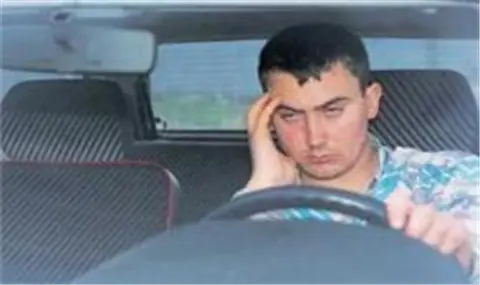
La depresión, ¿puede afectar a la conducción?
Can depression affect driving?
- ANo, en ningún caso.No, never.
- BSí, cuesta más trabajo mantener la atención necesaria, por ejemplo.Yes, for example it is harder to keep the necessary attention.
- CLa depresión no afecta pero si la medicación que se consume para tratarla.Depression does not affect it, but the medication taken to treat it does.
ExplanationAmong other effects, depression can increase distractions, because the driver focuses more on their thoughts than on their surroundings.
El estado de la vía, ¿afecta a las capacidades psico-físicas del conductor?
Does the condition of the road affect the driver's physical and mental abilities?
- ANo, solo afecta al estado del vehículo.No, it only affects the condition of the vehicle.
- BSí.Yes.
- CNo.No.
ExplanationYes, it does. A road in poor condition can cause fatigue, which affects attention and perception of the surroundings, and alters the driver's behaviour and decision-making.
Si un año después de haber obtenido el permiso de la clase B obtienes el permiso para conducir motocicletas, ¿cuál será la tasa máxima permitida de alcoholemia?
If you get your motorcycle licence one year after getting your class B licence, what is the maximum permitted alcohol level?
- A0,15 miligramos de alcohol por litro de aire0.15 milligrams of alcohol per litre of air
- B0,30 miligramos de alcohol por litro de aire0.30 milligrams of alcohol per litre of air
- C0,25 miligramos de alcohol por litro de aire0.25 milligrams of alcohol per litre of air
ExplanationDuring the two years after obtaining their licence, drivers of any vehicle must not exceed a breath alcohol level of 0.15 milligrams per litre.
Aunque un conductor se sienta capaz tras beber una copa, el alcohol:
Even if a driver feels able to drive after one drink, alcohol:
- ANo produce ningún efecto en dosis bajas.has no effect in low doses.
- BYa deteriora la atención y los reflejos aun en cantidades pequeñas.already impairs attention and reflexes, even in small amounts.
- CMejora la conducción con dosis moderadas.improves driving in moderate doses.
ExplanationEven low doses of alcohol reduce attention and reflexes; the feeling of being in control is misleading.
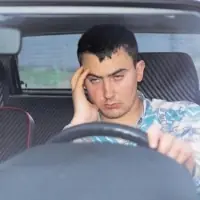
La somnolencia hace que...
Drowsiness makes...
- ADisminuya el tiempo de reacción.your reaction time shorter.
- BSea más difícil mantener la concentración en el tráfico.it harder to stay focused on the traffic.
- CSea más fácil mantener la concentración en el tráfico.it easier to stay focused on the traffic.
ExplanationDrowsiness makes the driver's reaction time to something unexpected longer, reduces their concentration on the traffic and increases distractions at the wheel. Microsleeps may also sometimes happen, especially if we drive in the early hours of the morning.
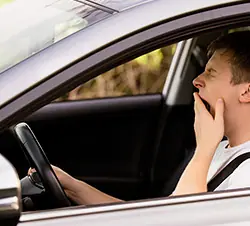
Si ha dormido mal o no ha dormido lo suficiente debe tener en cuenta que...
If you have slept badly or have not slept enough, you should bear in mind that...
- Aconducir por una autovía durante horas impide la aparición del sueño.driving on a dual carriageway (autovía) for hours prevents sleepiness.
- Bno se encuentra en perfectas condiciones para conducir.you are not in perfect condition to drive.
- Cuna taza de café elimina la fatiga y le ayuda a concentrarse.a cup of coffee removes fatigue and helps you concentrate.
ExplanationLack of sleep reduces attention and reflexes: you are not fit to drive. Coffee only hides fatigue for a while; only rest removes it, and the monotony of a dual carriageway (autovía) makes sleepiness more likely.
¿Cuántos puntos se detraen por utilizar el teléfono móvil sujetándolo con la mano mientras se circula?
How many points are deducted for using a mobile phone held in your hand while driving?
- A3 puntos.3 points.
- B4 puntos.4 points.
- C6 puntos.6 points.
ExplanationDriving while using a mobile phone held in your hand costs 6 points since the 2022 reform, as well as a fine. You may only talk hands-free, without a headset or earphones, using a hands-free system.
Durante un viaje, ¿cada cuánto tiempo descansaremos?
During a journey, how often should we rest?
- ACada tres o cuatro horas.Every three or four hours.
- BCada dos horas.Every two hours.
- CCada hora o cada 100 km.Every hour or every 100 km.
ExplanationOn long journeys, we will stop to rest every two hours or about every 200 km. A proper break will last at least 20 minutes.
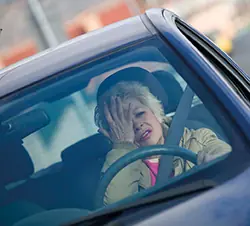
¿Qué síntomas nos avisan de que estamos fatigados?
Which symptoms warn us that we are tired?
- ALa sensación de euforia.A feeling of euphoria.
- BSuele aumentar el número y la duración de los parpadeos y la visión puede volverse borrosa.Blinking usually becomes more frequent and longer, and vision may become blurred.
- CNo realizar movimientos en el asiento, ni cambios de postura.Not moving in the seat or changing position.
ExplanationFatigue shows itself through more frequent and longer blinking, blurred vision, itchy eyes and restlessness in the seat: these are clear warnings that you need to stop and rest.
Negarse a realizar la prueba de alcoholemia...
Refusing to take an alcohol test...
- Aes un delito castigado por el código penal.is a crime punishable under the Criminal Code.
- Bsolamente supone una multa de hasta 300 euros.only means a fine of up to 300 euros.
- Cno tiene importancia cuando no se ha producido un accidente.does not matter when there has been no accident.
ExplanationIt is compulsory to take alcohol tests. Refusing to take them is a crime of serious disobedience, which can lead to prison sentences. It also means losing 6 points from your driving licence.

Si los niños que viajan en la parte trasera del vehículo gritan y juegan entre ellos, ¿pueden provocar distracciones en el conductor?
If the children travelling in the back of the vehicle are shouting and playing with each other, can they distract the driver?
- ANo, porque el conductor se centra más en la circulación.No, because the driver concentrates more on the traffic.
- BNo, siempre que no le molesten directamente.No, as long as they do not bother the driver directly.
- CSí, pueden influir en su concentración.Yes, they can affect the driver's concentration.
ExplanationThe driver must stay alert to receive all the information needed to drive safely. Any distraction, whether it happens inside or outside the vehicle, that takes their attention away will make them slower to receive that necessary information.
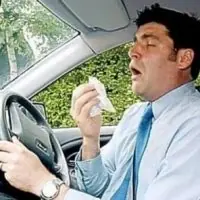
Los síntomas de la alergia, pueden producir en la conducción...
When driving, the symptoms of an allergy can cause...
- Aun aumento de la capacidad de reacción.a greater ability to react.
- Bmenor sensación de somnolencia.a lower feeling of sleepiness.
- Cmayor dificultad para mantener la concentración.more difficulty staying focused.
ExplanationSome allergy symptoms, such as sneezing, an itchy nose, asthma or a runny nose, can make it harder for the driver to stay focused at the wheel, because they are usually annoying and make the driver do things that distract them from the road. In addition, taking antihistamines can make the driver feel sleepier or reduce their ability to react.
Beber alcohol...
Drinking alcohol...
- APuede disminuir el tiempo de reacción.may reduce reaction time.
- BFavorece la aparición del sueño.makes sleepiness more likely.
- CAumenta la capacidad de reacción.increases the ability to react.
ExplanationSome substances, such as alcohol or some medicines, can make sleepiness more likely, so we should avoid drinking alcohol before driving, even in small amounts.
Negarse a realizar las pruebas de alcohol o drogas requeridas por un agente:
Refusing to take the alcohol or drug tests required by a police officer:
- ANo tiene consecuencias si el conductor está sobrio.has no consequences if the driver is sober.
- BConstituye un delito contra la seguridad vial.is a crime against road safety.
- CSolo es una infracción leve.is only a minor offence.
ExplanationRefusing to take the tests is a crime (Article 383 of the Criminal Code).
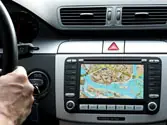
En caso de duda sobre las indicaciones del navegador GPS...
If you are unsure about the GPS navigator's instructions...
- Ahay que volver a introducir la ruta.you must enter the route again.
- Bes mejor reiniciar el GPS.it is better to restart the GPS.
- Cdebe prevalecer la opinión del conductor.the driver's opinion must prevail.
ExplanationAlthough the GPS navigator usually suggests the most suitable route at each moment, the driver's judgement must prevail at all times.
En el conductor, el sueño provoca que...
In a driver, sleepiness causes them to...
- Adisminuya el tiempo de reacción.have a shorter reaction time.
- Bse comporte de una forma más peligrosa.behave more dangerously.
- Cperciba mejor el entorno del tráfico.perceive the traffic around them better.
ExplanationSleepiness reduces our ability to pay attention and can lead us to accept a higher level of risk and, for example, drive faster, especially when we are close to our destination and very keen to arrive. The most important rules to avoid an accident caused by sleepiness or fatigue are: if we feel tired or sleepy while driving, the best thing is to stop and rest in a suitable place and sleep for about 20 or 30 minutes; rest for 20 to 30 minutes every 2 hours or every 200 kilometres at most; always watch for the signs and symptoms of sleepiness or fatigue.
Para evitar cansarse al conducir, conviene descansar...
To avoid getting tired when driving, you should rest...
- Acada 3 horas o cada 400 kilómetros.every 3 hours or every 400 kilometres.
- Bcuando el conductor note que ha perdido totalmente la capacidad de reaccionar.when the driver notices they have completely lost the ability to react.
- Ccada 2 horas o cada 200 kilómetros.every 2 hours or every 200 kilometres.
ExplanationTo avoid fatigue while driving, it is recommended to take breaks every 2 hours or every 200 kilometres. This recommendation is based on the importance of the driver keeping their ability to react and pay attention, because fatigue can seriously affect road safety. The rules set out the need for these breaks as a preventive measure to reduce the risk of accidents linked to drowsiness and lack of concentration while driving.
La depresión, ¿en qué influirá durante la conducción?
How can depression affect driving?
- ASe pierde información del entorno.You miss information about your surroundings.
- BMejora la concentración en la conducción.It improves concentration on driving.
- CDisminuye el tiempo de reacción.It shortens reaction time.
ExplanationDepression is a very common mental disorder that affects mood. Under the effects of depression, distractions increase, drivers miss information about their surroundings, feel less sure of themselves and drive more anxiously.
El estrés provoca...
Stress causes...
- AAgresividad al volante.aggression at the wheel.
- BDecisiones más rápidas.faster decisions.
- CMenos fatiga.less fatigue.
ExplanationStress increases aggression, hostility and competitiveness towards other drivers. Decisions become slower, more mistakes are made and fatigue appears sooner.
¿Puede un conductor distraerse al comer o beber mientras conduce?
Can a driver be distracted by eating or drinking while driving?
- ANo.No.
- BSolo si se trata de bebidas alcohólicas.Only if they are alcoholic drinks.
- CSí.Yes.
ExplanationEating or drinking at the wheel makes you look away from the road and take a hand off the steering wheel, and it takes your attention away. Although it is not expressly prohibited, Article 18.1 of the RGC requires you to keep your freedom of movement and pay constant attention to driving; it is best to do it when you stop.
La tasa de alcohol en sangre que no pueden superar los conductores noveles y profesionales es:
The blood alcohol level that novice and professional drivers must not exceed is:
- A0,3 g/l.0.3 g/l.
- B0,5 g/l.0.5 g/l.
- C0,15 g/l.0.15 g/l.
ExplanationNovice and professional drivers must not exceed 0.3 g/l of blood, equivalent to 0.15 mg/l of exhaled air.
La depresión, ¿influye en la somnolencia y la fatiga?
Does depression affect drowsiness and fatigue?
- ANo, no tiene ninguna influencia.No, it has no effect.
- BEn la somnolencia sí pero en la fatiga no.It affects drowsiness but not fatigue.
- CSí, siendo aconsejable no conducir de noche.Yes, and it is advisable not to drive at night.
ExplanationDepression, and often the medicines used to treat it, make drowsiness and fatigue more likely and reduce attention. That is why it is advisable to avoid driving at night and making long journeys, when sleepiness sets in more easily, and to consult a doctor if you are taking medication.
Si nos encontramos cansados o tenemos sueño durante un viaje...
If we feel tired or sleepy during a journey...
- Alo mejor será parar y descansar en un lugar adecuado al menos 20 o 30 minutos.it is best to stop and rest in a suitable place for at least 20 or 30 minutes.
- Bseguiremos circulando, aun estando cansados, por lo menos 200 km hasta poder parar para descansar.we should carry on driving, even though we are tired, for at least 200 km until we can stop to rest.
- Cpodemos continuar circulando, sin dar ninguna importancia a estos síntomas, hasta que aparezca la somnolencia.we can carry on driving and ignore these symptoms until drowsiness appears.
ExplanationIf we feel tired, it is best to stop and rest in a suitable place for at least 20 or 30 minutes. If we carry on driving for too long, the risk of having an accident will increase greatly.
Negarse a someterse a las pruebas de detección de alcohol o drogas es:
Refusing to take alcohol or drug tests is:
- AUn derecho del conductor sin consecuencias.a driver's right, with no consequences.
- BUn delito contra la seguridad vial.a crime against road safety.
- CUna simple falta administrativa leve.just a minor administrative offence.
ExplanationRefusing to take the tests required by law is a crime against road safety.
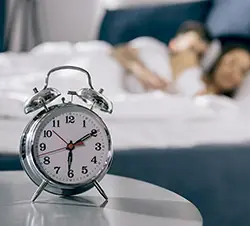
Para intentar evitar la aparición de la somnolencia durante la conducción es aconsejable dormir...
To try to prevent drowsiness while driving, it is advisable to sleep...
- Aentre 5 y 7 horas diarias.between 5 and 7 hours a day.
- Bmenos horas de las necesarias, para mantener alto el nivel de alerta.fewer hours than you need, to keep your alertness high.
- Clas horas suficientes para estar descansado, que para la mayoría de las personas son entre 7 y 9 horas.enough hours to be rested, which for most people is between 7 and 9 hours.
ExplanationGetting enough sleep (between 7 and 9 hours for most people) is the best way to prevent drowsiness at the wheel; sleeping less builds up a sleep debt and greatly increases the risk of an accident.
¿Qué efectos produce el cannabis en el conductor?
What effects does cannabis have on a driver?
- ADisminuye el tiempo de reacción.It shortens reaction time.
- BAumenta la somnolencia.It increases drowsiness.
- CDisminuye la somnolencia.It reduces drowsiness.
ExplanationCannabis lengthens reaction time, distorts the perception of distance and speed, makes it harder to concentrate and causes strong drowsiness in the driver. Its effects are multiplied if combined with alcohol.
¿Qué puede hacer para evitar los peligros de usar el teléfono móvil mientras conduce?
What can you do to avoid the dangers of using a mobile phone while driving?
- AEsperar a estar detenido, por ejemplo en un semáforo, para usarlo.Wait until you are stopped, for example at traffic lights, to use it.
- BDetenerse en un lugar seguro para usar el teléfono.Stop in a safe place to use the phone.
- CColgar las llamadas cuando suenen.Hang up calls when the phone rings.
ExplanationUnder the General Traffic Regulations, it is prohibited to use mobile phones while driving. This rule aims to make sure the driver stays focused on driving and keeps control of the vehicle. The correct option is to stop the vehicle in a safe place to use the phone, because this avoids any distraction and keeps all road users safe.
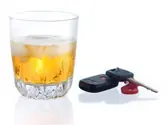
¿Cuál será la tasa máxima de alcohol en sangre durante los 2 años siguientes a la obtención del primer permiso de conducción?
What is the maximum blood alcohol level during the 2 years after obtaining your first driving licence?
- A0,5 gramos de alcohol por litro de sangre.0.5 grams of alcohol per litre of blood.
- B0,3 gramos de alcohol por litro de sangre.0.3 grams of alcohol per litre of blood.
- C0,25 gramos de alcohol por litro de sangre.0.25 grams of alcohol per litre of blood.
ExplanationDuring the two years after obtaining the first licence, the maximum alcohol level is 0.3 grams per litre of blood (0.15 mg per litre of exhaled air). The general limit of 0.5 g does not apply to novice drivers.
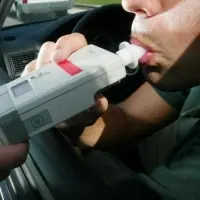
Si la antigüedad de su permiso de conducción es menor de 2 años, la tasa máxima de alcohol permitida, es de...
If you have held your driving licence for less than 2 years, the maximum alcohol level allowed is...
- A0,25 miligramos de alcohol por litro de aire espirado.0.25 milligrams of alcohol per litre of exhaled air.
- B0,3 miligramos de alcohol por litro de aire espirado.0.3 milligrams of alcohol per litre of exhaled air.
- C0,15 miligramos de alcohol por litro de aire espirado.0.15 milligrams of alcohol per litre of exhaled air.
ExplanationUnder Article 20 of the General Traffic Regulations, during the two years after obtaining the licence the maximum level is 0.15 mg/l of exhaled air or 0.3 g/l of blood. The general level of 0.25 mg/l does not apply to novice drivers.
All topics
- Definitions
- Documents and penalty points
- Duties of drivers and pedestrians
- Vehicle safety devices
- Vehicle controls and equipment
- Vehicle lights and horn
- Traffic signs, markings and signals
- The road and its lanes
- Speed and distances
- Manoeuvres
- Right of way
- Carrying passengers and loads
- Driving safely in difficult conditions
- Vehicle mechanics and maintenance
- Road accidents and first aid
- Defensive and eco-driving
Independent app: not affiliated with or endorsed by the DGT (Spain's Directorate-General for Traffic) or the Ministry of the Interior. The official exam is booked with the DGT and taken at its test centres. The questions here are practice material; the DGT's official question bank is not public.
Basado en datos de la Agencia Estatal Boletín Oficial del Estado (https://www.boe.es). Textos consolidados de carácter meramente informativo. La AEBOE no patrocina ni respalda este sitio.
Parte de las preguntas procede de los tests de la revista «Tráfico y Seguridad Vial» de la DGT, reproducidos con indicación de la fuente.