
DGT test · 590 questions
The driver's condition · Page 8 of 12
Alcohol, drugs, medicines, fatigue, sleepiness and distraction: how they affect driving, the legal alcohol limits and roadside testing.
Questions in this topic, with answers
590 questions, 50 per page, with the correct answer and the explanation. Page 8 of 12.
La tasa máxima de alcohol para los conductores de vehículos que transportan mercancías peligrosas...
The maximum alcohol level for drivers of vehicles carrying dangerous goods…
- Aes de 0,3 miligramos por litro de aire espirado.is 0.3 milligrams per litre of exhaled air.
- Bes de 0,15 miligramos por litro de aire espirado.is 0.15 milligrams per litre of exhaled air.
- Cdepende de la masa máxima autorizada del vehículo utilizado para el transporte.depends on the maximum authorised mass of the vehicle used.
ExplanationUnder Article 20 of the General Traffic Regulations, drivers of vehicles carrying dangerous goods may not exceed 0.15 mg/l of alcohol in exhaled air or 0.3 g/l in blood, whatever the mass of the vehicle.
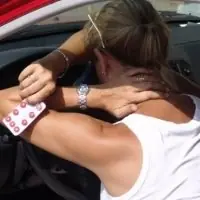
La depresión puede afectar al conductor...
Depression can affect the driver by...
- Adisminuyendo las distracciones.reducing distractions.
- Bproduciendo una mayor inseguridad.causing more insecurity.
- Creduciendo la irritabilidad y el estrés.reducing irritability and stress.
ExplanationDepression has a clear effect on our ability to drive a vehicle safely, so it is important to take the necessary precautions. Under the effects of depression, you feel less sure of yourself and decision-making is more uncertain, so the driver may make mistakes or behave in ways that other drivers do not expect.
¿Las condiciones meteorológicas adversas pueden favorecer la aparición de la fatiga durante la conducción?
Can bad weather conditions make fatigue more likely while driving?
- ANo.No.
- BSí, aumentando el tiempo de reacción.Yes, increasing reaction time.
- CSi, disminuyendo el tiempo de reacción.Yes, reducing reaction time.
ExplanationBad weather conditions, such as heavy rain or fog, mean that driving requires a higher level of attention and concentration, which makes fatigue at the wheel more likely. A tired driver will take longer to react.
¿Cuál es la tasa de alcohol en aire espirado que no podrá superar el conductor de un vehículo que realiza transporte escolar?
What breath alcohol level must the driver of a school transport vehicle not exceed?
- A0,3 miligramos por litro.0.3 milligrams per litre.
- B0,15 miligramos por litro.0.15 milligrams per litre.
- C0,25 miligramos por litro.0.25 milligrams per litre.
ExplanationDrivers of school transport and vehicles carrying minors have a maximum level of 0.15 mg of alcohol per litre of exhaled air, the same as professional passenger transport drivers and novice drivers. The general level of 0.25 mg does not apply to them.
Las personas que beben alcohol y conducen...
People who drink alcohol and drive…
- Atienen la misma probabilidad de sufrir un accidente.are just as likely to have an accident.
- Btienen menos probabilidad de sufrir un accidente.are less likely to have an accident.
- Ctienen mayor probabilidad de sufrir un accidente.are more likely to have an accident.
ExplanationAlcohol affects perception, coordination and judgement, increases reaction time and makes drivers overconfident. That is why someone who drinks and drives is more likely to have or cause an accident, and the risk grows with the amount drunk.

¿Qué efectos puede producir en el conductor haber consumido cocaína?
What effects can taking cocaine have on the driver?
- ADepresión grave.Severe depression.
- BDisminución del tiempo de reacción.A shorter reaction time.
- CSobrevaloración de sus capacidades.Overrating their own abilities.
ExplanationAmong other effects, cocaine makes the driver believe they are better than they really are: they overrate their abilities and take a lot of risks while driving.

¿Consumir cerveza con alcohol puede influir en la conducción de la motocicleta?
Can drinking alcoholic beer affect riding a motorcycle?
- ANo, esta bebida no afecta en ningún caso a la conducción de vehículos.No, this drink never affects driving vehicles.
- BSí, hace que el conductor reaccione con más lentitud.Yes, it makes the rider react more slowly.
- CNo, porque es una bebida con poca graduación alcohólica.No, because it is a drink with a low alcohol content.
ExplanationDrinking alcoholic beer can affect riding a motorcycle because the alcohol in beer has a negative effect on the rider. Alcohol causes a false state of euphoria, increases reaction time and narrows the field of vision. It also makes the rider judge distances and speeds wrongly, which increases the risk of accidents. So it is important to avoid drinking alcohol before driving any type of vehicle, including motorcycles.
Durante un viaje, ¿cada cuánto tiempo deberemos descansar?
During a journey, how often should we rest?
- ACada 300 km o cada 3 horas.Every 300 km or every 3 hours.
- BSi es un conductor experimentado no hace falta que descanse.An experienced driver does not need to rest.
- CCada 200 km o 2 horas.Every 200 km or 2 hours.
ExplanationWe should rest every 2 hours of driving or after travelling 200 km at most. These breaks should last at least 20 minutes.
¿Es recomendable colocar el soporte del GPS cerca de un airbag?
Is it advisable to place the GPS holder near an airbag?
- ANo, si puede impedir su apertura.No, if it may prevent the airbag from opening.
- BSí, se puede.Yes, you can.
- CNo, bajo ninguna circunstancia.No, under no circumstances.
ExplanationIt is not a good idea to place a GPS holder near an airbag, because it may obstruct the airbag when it opens in an accident. According to the General Traffic Regulations, devices that interfere with vehicle safety features, such as airbags, must be fitted so that they do not put the occupants at risk. Blocking the airbag can increase the risk of injury in a road accident. So the correct option is no, because it may obstruct the airbag when it opens.
Fumar al conducir...
Smoking while driving...
- Aproporciona tranquilidad.makes you feel calm.
- Bestá prohibido.is prohibited.
- Cpuede disminuir la atención.can reduce your attention.
ExplanationSmoking while driving can distract the driver and reduce their level of attention, which increases the risk of accidents. According to the General Traffic Regulations, drivers must always keep their attention and control of the vehicle. So the correct option is that smoking can reduce the level of attention, which is crucial for safe driving.

En un conductor, el consumo de anfetaminas...
In a driver, taking amphetamines...
- AGenera comportamientos impacientes o impulsivos.leads to impatient or impulsive behaviour.
- BFavorece la fatiga y el sueño.encourages tiredness and sleepiness.
- CProporciona un estado de relajación.brings about a state of relaxation.
ExplanationAmphetamines are stimulants: they give a false sense of security and energy and lead to impatient, impulsive and aggressive behaviour, with a tendency to take more risks. When the effect wears off, tiredness and sleepiness set in, but they do not relax you.
A partir de qué tasa de alcohol en aire espirado conducir constituye siempre delito contra la seguridad vial (art. 379 CP):
Above what breath alcohol level is driving always a crime against road safety (Article 379 of the Criminal Code)?
- AMás de 0,25 mg/l.More than 0.25 mg/l.
- BMás de 0,50 mg/l.More than 0.50 mg/l.
- CMás de 0,60 mg/l.More than 0.60 mg/l.
ExplanationExceeding 0.60 mg/l of exhaled air (1.2 g/l of blood) is a crime under Article 379 of the Criminal Code.
De los siguientes, ¿cuál es un síntoma característico de la aparición de la fatiga en el conductor?
Which of the following is a typical symptom of fatigue appearing in a driver?
- AMovimientos más rápidos, precisos y eficaces.Faster, more precise and more effective movements.
- BConducción más automática y menos activa.More automatic and less active driving.
- CDisminuye el número de parpadeos y son de menos duración.Blinking less often and for a shorter time.
ExplanationSome of the effects of fatigue are: physical exhaustion and a general feeling of tiredness; stiff muscles, because the muscles are not relaxed; slow and imprecise movements; reduced attention; reduced sensory abilities (sight, hearing, etc.); a longer reaction time to external stimuli; loss of motivation at the wheel, so you start driving automatically and much less actively (for example, you pay less attention to the road, make fewer steering corrections, etc.).
¿Qué efecto produce el estrés sobre el conductor?
What effect does stress have on a driver?
- ASe vuelve más prudente y se arriesga menos.They become more careful and take fewer risks.
- BDisminuye el tiempo de reacción.It shortens reaction time.
- CAumenta su nivel de agresividad, hostilidad y competitividad hacia los demás conductores.It increases their aggression, hostility and competitiveness towards other drivers.
ExplanationStress affects the ability to drive: it increases aggression, hostility and competitiveness towards other drivers, lengthens reaction time and makes driving more reckless, with more risks and more distractions.
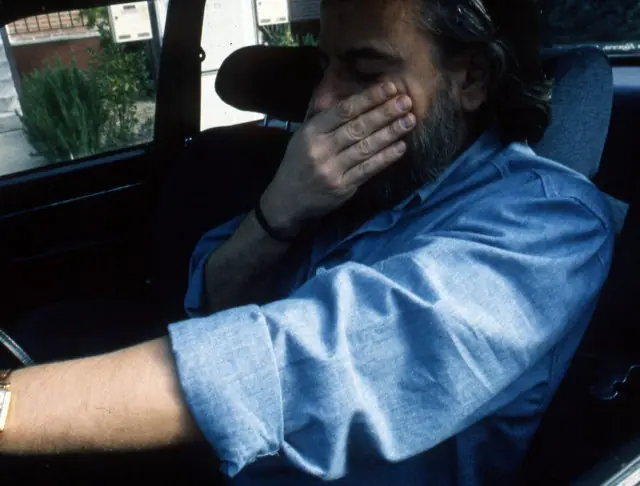
Mientras conduces, ¿a qué hora puedes tener más sueño?
While driving, at what time are you likely to feel most sleepy?
- AA última hora de la mañana.Late in the morning.
- BAl final de la tarde y al principio de la mañana.In the late afternoon and in the early morning.
- CDe madrugada y a primera hora de la tarde.In the small hours of the night and in the early afternoon.
ExplanationThe body's natural rhythm makes drowsiness appear more easily in the small hours of the night and in the early afternoon, after lunch. At these times you should take extra care, rest before driving and stop as soon as you notice sleepiness.
La tasa máxima de alcoholemia, permitida en sangre, para conductores noveles es...
The maximum blood alcohol level allowed for novice drivers is...
- A0,30 gramos por litro.0.30 grams per litre.
- B0,50 gramos por litro.0.50 grams per litre.
- C0,45 gramos por litro.0.45 grams per litre.
ExplanationAll drivers of vehicles, during the two years after obtaining their first driving licence or permit, are prohibited from driving with alcohol levels above 0.15 milligrams per litre of exhaled air or 0.30 grams per litre of blood. After those 2 years, the general level applies: 0.25 milligrams per litre of exhaled air or 0.50 grams per litre of blood.
¿Cuál es la tasa máxima de alcohol en aire expirado para un conductor novel?
What is the maximum breath alcohol level for a novice driver?
- A0,25 mg /l.0.25 mg/l.
- B0,15 mg/l.0.15 mg/l.
- C0,3 mg/l.0.3 mg/l.
ExplanationAs a general rule, drivers may not drive with an alcohol level above: in blood, 0.50 grams per litre (g/l); in breath, 0.25 milligrams per litre (mg/l). But during the two years after obtaining the first driving licence, the level may not be above: in blood, 0.3 grams per litre (g/l); in breath, 0.15 milligrams per litre (mg/l).
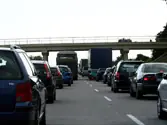
En una retención con los vehículos detenidos, ¿está permitido usar el teléfono móvil?
In a traffic queue with the vehicles stopped, are you allowed to use a mobile phone?
- AÚnicamente si dispone de un dispositivo de manos libres que no precise auriculares.Only if you have a hands-free device that does not need earphones.
- BSí, si la inmovilización dura más de dos minutos.Yes, if the vehicles have been stopped for more than two minutes.
- CSí, porque el vehículo no está en movimiento.Yes, because the vehicle is not moving.
ExplanationWhile driving, even when we are stopped because of the traffic, it is prohibited to use mobile phones and any other means or system of communication, except when the call takes place without using our hands and without using earphones or similar devices. The prohibition does not cover certified or approved wireless devices for use in the protective helmets of motorcycle and moped riders, for communication or navigation, as long as they do not affect driving safety.
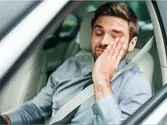
¿Cuál de estos síntomas son propios de la fatiga?
Which of these symptoms are typical of fatigue?
- ASensación de frío/calor.Feeling cold or hot.
- BInquietud e incomodidad conduciendo.Restlessness and discomfort while driving.
- CReducción del tiempo de reacción.A shorter reaction time.
ExplanationRestlessness or discomfort while driving, with constant movements, is one of the symptoms that show the driver is tired. The option about a shorter reaction time is not correct; if anything, fatigue would increase reaction time. The most important rules to avoid an accident caused by sleepiness or fatigue are: if we feel tired or sleepy while driving, the best thing is to stop and rest in a suitable place and sleep for about 20 or 30 minutes; rest for 20 to 30 minutes every 2 hours or every 200 kilometres at most; always watch for the signs and symptoms of sleepiness or fatigue.
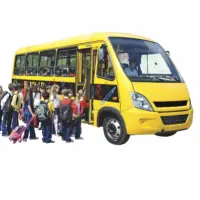
¿Cuál es la tasa maxima de alcohol permitida para un conductor de un vehículo de transporte escolar?
What is the maximum alcohol level allowed for the driver of a school transport vehicle?
- A0,3 miligramos por litro de aire espirado.0.3 milligrams per litre of exhaled air.
- B0,15 miligramos por litro de aire espirado.0.15 milligrams per litre of exhaled air.
- C0,25 miligramos por litro de aire espirado.0.25 milligrams per litre of exhaled air.
ExplanationThe driver of a school transport vehicle is considered a professional driver. So their alcohol level is reduced to the minimum: 0.30 grams of alcohol per litre of blood or 0.15 milligrams of alcohol per litre of exhaled air.

¿Cuál será la tasa máxima de alcoholemia para un conductor profesional?
What is the maximum alcohol level for a professional driver?
- A0,5 gramos de alcohol por litro de aire.0.5 grams of alcohol per litre of air.
- B0,3 gramos de alcohol por litro de aire.0.3 grams of alcohol per litre of air.
- C0,15 miligramos de alcohol por litro de aire.0.15 milligrams of alcohol per litre of air.
ExplanationProfessional drivers have a maximum permitted alcohol level of 0.15 milligrams of alcohol per litre of exhaled air, the same as drivers during the first two years after obtaining their first licence.
La tasa máxima de alcohol permitida para conductores con permiso B en aire espirado es…
The maximum alcohol level in exhaled air allowed for drivers with a category B licence is...
- A0,25 mg/l0.25 mg/l
- B0,30 mg/l0.30 mg/l
- C0,50 mg/l0.50 mg/l
ExplanationFor non-professional drivers, the limit is 0.25 milligrams per litre of exhaled air (0.5 g/l in blood).
¿Es peligroso usar el GPS al conducir?
Is it dangerous to use a GPS while driving?
- ASí, si distrae al conductor.Yes, if it distracts the driver.
- BSí, si nos hace seguir una ruta distinta a la habitual.Yes, if it makes us follow a different route from our usual one.
- CNo, puede ser de gran ayuda para conducir.No, it can be a great help when driving.
ExplanationArticle 18.1 of the RGC allows you to use a GPS while driving, but requires constant attention. A satnav is dangerous if it distracts you, for example if you operate it while moving or keep looking at the screen; it is best to set it before you set off and follow the voice instructions.
Como norma general, los conductores de cualquier vehículo, incluidas las bicicletas, no podrán conducir con una tasa máxima de alcohol en aire superior a...
As a general rule, drivers of any vehicle, including bicycles, may not drive with an alcohol level in exhaled air higher than...
- A0,25 miligramos/litro.0.25 milligrams/litre.
- B0,15 miligramos/litro.0.15 milligrams/litre.
- C0,3 miligramos/litro.0.3 milligrams/litre.
ExplanationUnder Article 20 of the General Traffic Regulations (RGC), as a general rule drivers of vehicles and bicycles may not drive with more than 0.5 g/l of alcohol in the blood or 0.25 mg/l in exhaled air. The limit falls to 0.15 mg/l for professional drivers and during the first two years of holding a licence.
Desde el punto de vista del tráfico, ¿una motocicleta es un automóvil?
For traffic purposes, is a motorcycle a motor car (automóvil)?
- ANo, porque los automóviles son coches.No, because motor cars are cars.
- BSí.Yes.
- CSí, porque es un vehículo que se mueve por sí mismo.Yes, because it is a vehicle that moves by itself.
ExplanationUnder Annex II of the General Vehicle Regulations, motorcycles are two-wheeled motor cars (automóviles), with or without a sidecar, with an engine over 50 cm³ or a design speed over 45 km/h. Moving by itself is not enough: a moped also does that and it is not a motor car.
¿En qué afecta una depresión sobre el conductor?
How does depression affect the driver?
- AAumenta las distracciones.It increases distractions.
- BProvoca un falso estado de seguridad.It causes a false feeling of safety.
- CNo afecta para nada a la conducción.It does not affect driving at all.
ExplanationA person who drives while depressed has more distractions, misses information about their surroundings, is less sure of themselves and feels more fatigue, sleepiness and anxiety.
¿Puede sentir más cansancio si está estresado?
Can you feel more tired if you are stressed?
- ANo.No.
- BSolo si además tiene problemas para dormir.Only if you also have trouble sleeping.
- CSí.Yes.
ExplanationIt is correct to say that stress can increase the feeling of fatigue. This is linked to the Traffic and Road Safety Code, which mentions the role of factors such as stress in the driver's ability to drive a vehicle safely. According to the regulations, stress can affect the driver's physical and mental abilities, reducing their concentration and causing fatigue, which can lead to dangerous situations on the road.
¿Se puede fumar mientras se conduce?
Can you smoke while driving?
- ANo porque está prohibido.No, because it is prohibited.
- BSí, pero es peligroso.Yes, but it is dangerous.
- CSí y además es aconsejable porque relaja al conductor.Yes, and it is also advisable because it relaxes the driver.
ExplanationSmoking while driving is not prohibited, but it is advisable not to do it, because it can distract the driver.
¿Qué efecto produce la fatiga?
What effect does fatigue have?
- AResulta más fácil mantener la concentración.It becomes easier to stay focused.
- BLa sensibilidad auditiva puede disminuir.Sensitivity to sound may decrease.
- CAumenta el campo visual.The field of vision widens.
ExplanationSome of the effects of fatigue are: physical exhaustion and a general feeling of tiredness; stiff muscles, because the muscles are not relaxed; slow and imprecise movements; reduced attention; reduced sensory abilities (sight, hearing, etc.); a longer reaction time to external stimuli.
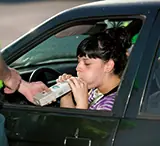
Los dos primeros años con permiso, ¿cuál es la tasa máxima de alcohol?
In the first two years of holding a licence, what is the maximum alcohol level?
- A0,10 mg/l en aire espirado = 0,2 g/l en sangre.0.10 mg/l of exhaled air = 0.2 g/l of blood.
- B0,25 mg/l en aire espirado = 0,5 g/l en sangre.0.25 mg/l of exhaled air = 0.5 g/l of blood.
- C0,15 mg/l en aire espirado = 0,3 g/l en sangre.0.15 mg/l of exhaled air = 0.3 g/l of blood.
ExplanationDuring the first two years of holding a licence, the reduced level for novice drivers applies: 0.3 g/l of blood, equivalent to 0.15 mg/l of exhaled air, the same as for professional drivers.
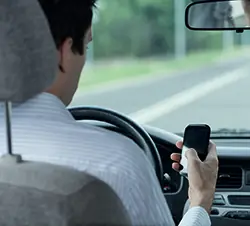
En general, un conductor con estrés...
In general, a stressed driver...
- Ase distrae con mayor facilidad.gets distracted more easily.
- Btoma decisiones más rápidas y comete menos errores.makes faster decisions and makes fewer mistakes.
- Cpresta mayor atención al entorno y tarda más en tomar decisiones.pays more attention to their surroundings and takes longer to make decisions.
ExplanationStress reduces the ability to concentrate and makes the driver get distracted more easily; it also makes impulsive or aggressive reactions at the wheel more likely.
La tasa máxima de alcoholemia permitida en aire espirado a los conductores durante el segundo año de su primer permiso de conducción es de …
The maximum breath alcohol level allowed for drivers during the second year of their first driving licence is...
- A0,25 mg/l.0.25 mg/l.
- B0,20 mg/l.0.20 mg/l.
- C0,15 mg/l.0.15 mg/l.
ExplanationNovice drivers have a maximum level of 0.15 mg of alcohol per litre of exhaled air during the first two years of their first licence, not only the first year. So in the second year they still may not exceed this figure.
¿Está permitido que el conductor de un turismo use cascos o auriculares bluetooth para hablar por teléfono mientras conduce?
Is the driver of a car allowed to use a Bluetooth headset or earphones to talk on the phone while driving?
- ASí, siempre que el volumen sea bajo.Yes, as long as the volume is low.
- BNo, están prohibidos.No, they are prohibited.
- CSí, pero solo en vías urbanas.Yes, but only on urban roads.
ExplanationUnder Article 18.2 of the General Traffic Regulations (as worded by Royal Decree 518/2026), the phone may only be used while driving when the call takes place without using your hands and without using a headset, earphones or similar devices. The exception for wireless devices built into the protective helmet only applies to motorcycles and mopeds.
¿Cuál es la tasa máxima de alcoholemia permitida para el conductor de una bicicleta?
What is the maximum alcohol level allowed for a cyclist?
- ALos conductores de bicicletas no tienen tasa máxima de alcohol.Cyclists do not have a maximum alcohol level.
- B0,15 miligramos por litro de aire espirado.0.15 milligrams per litre of exhaled air.
- C0,25 miligramos por litro de aire espirado.0.25 milligrams per litre of exhaled air.
ExplanationArticle 20 of the Traffic Regulations states that cyclists may not ride with a blood alcohol level above 0.5 grams per litre, or a breath alcohol level above 0.25 milligrams per litre.
¿Qué es el efecto túnel?
What is the tunnel effect?
- AEs cuando el conductor es únicamente capaz de percibir con nitidez el centro de la vía.It is when the driver can only see the centre of the road clearly.
- BEs cuando el conductor es únicamente capaz de percibir con nitidez las imágenes laterales.It is when the driver can only see the images at the sides clearly.
- CEs cuando nos podemos deslumbrar fácilmente.It is when we can easily be dazzled.
ExplanationThe tunnel effect means that the driver can only see the centre of the road clearly, because the images at the sides pass so quickly that they are not seen properly. It happens when speed is excessive.
¿Cuál de las siguientes situaciones hace más probable que te distraigas al conducir?
Which of the following situations makes you more likely to get distracted when driving?
- AUna carretera muy conocida.A road you know very well.
- BUna situación de tráfico sencilla.A simple traffic situation.
- CConducir durante el día.Driving during the day.
ExplanationDistraction while driving is one of the most significant risk factors for road safety. According to the General Traffic Regulations, drivers must keep constant attention on the road, and very familiar situations, such as a road you know well, can lead to that attention relaxing. This is pointed out in the rules on attention and the factors that affect it, which mention that familiarity with a route can create a false sense of security and allow distractions. So the correct answer is that a road you know very well can make distraction more likely when driving, because it can lead to lack of attention.
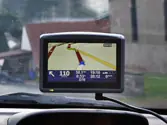
¿Dónde fijaremos nuestro dispositivo GPS?
Where should we fix our GPS device?
- AEn cualquier posición que sea fácilmente visible.In any position where it is easy to see.
- BEn medio del parabrisas para no tener que desviar la vista al mirarlo.In the middle of the windscreen, so that we do not have to look away when checking it.
- CEn una posición que no interfiera con los airbag.In a position that does not interfere with the airbags.
ExplanationWe must place the GPS device correctly so that it does not interfere with the airbags in the event of an accident. We will not place it in the middle of the windscreen, because it will make it harder to see the road.
¿Se puede usar el teléfono móvil mientras conduce con cualquier dispositivo manos libres?
Can you use a mobile phone while driving with any hands-free device?
- ANo. Nunca se puede usar el teléfono móvil al conducir, ni siquiera con un dispositivo manos libres.No. You can never use a mobile phone while driving, not even with a hands-free device.
- BSí, siempre que no sea necesario usar las manos y sin auriculares o cascos.Yes, as long as you do not need to use your hands and without earphones or a headset.
- CNo. Solo se permite el uso con dispositivos homologados.No. It may only be used with approved devices.
ExplanationUnder Article 18.2 of the General Traffic Regulations (as worded by Royal Decree 518/2026), using a mobile phone while driving is prohibited, except when the call takes place without using your hands and without using a headset, earphones or similar devices.
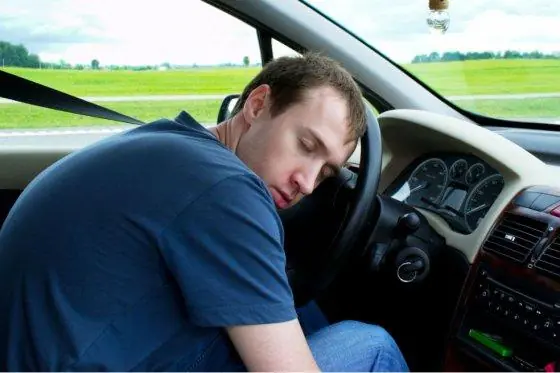
Algunos síntomas que pueden anunciarle la fatiga son...
Some symptoms that may warn you of fatigue are...
- Aansiedad y depresión.anxiety and depression.
- Bfuertes picores.severe itching.
- Cbostezos, acomodos en el asiento y molestias en la nuca.yawning, shifting in the seat and discomfort in the back of the neck.
ExplanationSymptoms that show fatigue include frequent changes of posture, stretching, yawning, shifting in the seat, certain hand movements (such as scratching), pain in the back of the neck and back, migraines, cramps and other uncomfortable or unpleasant feelings. The most important rules to avoid an accident caused by sleepiness or fatigue are: if we feel tired or sleepy while driving, the best thing is to stop and rest in a suitable place and sleep for about 20 or 30 minutes; rest for 20 to 30 minutes every 2 hours or every 200 kilometres at most; always watch for the signs and symptoms of sleepiness or fatigue.

Conducir cansado, ¿por qué es peligroso?
Why is driving when tired dangerous?
- APorque aumenta la capacidad de reacción.Because it increases your ability to react.
- BPorque disminuye la capacidad de reacción.Because it reduces your ability to react.
- CPorque aumenta la agudeza visual.Because it sharpens your eyesight.
ExplanationDriving when tired or fatigued is dangerous because it reduces the driver's ability to react. The driver is less able to respond.
¿Qué debe hacer si está en estado de estrés?
What should you do if you are stressed?
- ATomar un ansiolítico antes de conducir.Take an anti-anxiety pill before driving.
- BTomar un estimulante.Take a stimulant.
- CEvitar conducir.Avoid driving.
ExplanationStress can seriously impair our ability to drive safely by increasing aggression, hostility and competitiveness towards other drivers. Behaviour can become more reckless and higher levels of risk are accepted, so driving becomes more dangerous. As far as possible, we should avoid driving when we are stressed.

Tomar bebidas estimulantes, ¿puede prevenir el sueño?
Can stimulant drinks prevent sleepiness?
- ASí, cuando se toman habitualmente.Yes, when they are taken regularly.
- BA corto plazo sí, pero después puede volver a aparecer el sueño.In the short term yes, but sleepiness may come back later.
- CNo, sólo puede prevenirse con bebidas gaseosas.No, it can only be prevented with fizzy drinks.
ExplanationStimulant drinks can prevent sleepiness in the short term, but when their effects wear off it may come back even stronger.
Durante el segundo año desde la obtención de su primer permiso de conducción, ¿cuál será la tasa máxima de alcoholemia permitida para conducir?
During the second year after obtaining your first driving licence, what is the maximum alcohol level allowed for driving?
- A0,3 gr de alcohol por litro de sangre.0.3 g of alcohol per litre of blood.
- B0,5 gr de alcohol por litro de sangre.0.5 g of alcohol per litre of blood.
- C0,15 gr de alcohol por litro de sangre.0.15 g of alcohol per litre of blood.
ExplanationThe maximum level allowed for driving during the first 2 years after obtaining the first licence is 0.3 g of alcohol per litre of blood.
¿Por qué es peligroso conducir con sueño?
Why is it dangerous to drive when you are sleepy?
- APorque se pierde la capacidad de reacción.Because you lose your ability to react.
- BPorque se conduce más despacio.Because you drive more slowly.
- CPorque el viaje dura más.Because the journey takes longer.
ExplanationDriving when sleepy is dangerous because it seriously affects the driver's ability to react. The General Traffic Regulations point out the role of drowsiness in road accidents, stressing that lack of attention and delayed responses can cause serious accidents. The rules stress the importance of being in optimal condition to drive, because problems such as fatigue and drowsiness can lead to dangerous driving behaviour.

La tasa de alcohol máxima permitida para un ciclista será...
The maximum alcohol level allowed for a cyclist is...
- A0,25 miligramos por litro.0.25 milligrams per litre.
- B0.35 miligramos por litro.0.35 milligrams per litre.
- CNo están obligados a realizar dicha prueba.They are not obliged to take that test.
ExplanationArticle 20 of the General Traffic Regulations expressly includes cyclists: their maximum level is 0.5 g per litre of blood or 0.25 mg per litre of exhaled air, the same as the general level. They must take the tests if police officers ask them to.
¿Puede afectar la depresión a la conducción?
Can depression affect driving?
- ALa depresión es una enfermedad muy frecuente y no afecta a la conducción.Depression is a very common illness and does not affect driving.
- BSe tiene más seguridad en la toma de decisiones.You feel more confident when making decisions.
- CSe pierde información del entorno.Information about the surroundings is missed.
ExplanationUnder the effects of depression, distractions increase, you miss information about your surroundings and feel less sure of yourself, and you become more sensitive to fatigue, anxiety and irritability.
Entre otros, ¿qué síntoma es un indicio de fatiga?
Among other things, which symptom is a sign of fatigue?
- AUna sensación a veces de frío y otras de calor.Feeling sometimes cold and sometimes hot.
- BDisminución del tiempo de reacción.A shorter reaction time.
- CMovimientos constantes en el asiento.Constantly shifting in the seat.
ExplanationWhen a driver begins to feel the first symptoms of fatigue, they start to show signs that allow it to be detected. Among others, they change position often, constantly shifting in the seat, stretch their arms and yawn. All these signs are warnings that fatigue is setting in and that you should stop for a break.
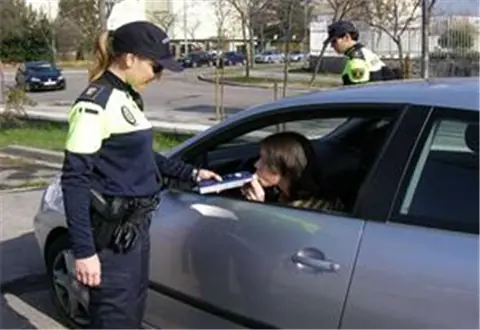
Tomar alimentos o beber agua, ¿reduce la tasa de alcoholemia?
Does eating food or drinking water reduce your alcohol level?
- ASí, después de tomar alcohol.Yes, after drinking alcohol.
- BSí, durante el consumo de alcohol.Yes, while drinking alcohol.
- CNo, sólo retrasa la absorción del alcohol.No, it only slows down the absorption of alcohol.
ExplanationContrary to what some people believe, none of the following has been shown to reduce the alcohol level or to avoid a penalty: doing exercise, chewing gum or sucking sweets, drinking coffee or chewing coffee beans, drinking oil, smoking, taking cocaine, using certain mouth sprays, drinking a lot of water or eating egg white. The maximum permitted alcohol levels are: professional and novice drivers (first 2 years of their licence), 0.15 milligrams per litre of exhaled air or 0.30 grams per litre of blood; all other drivers (including bicycles and personal mobility vehicles), 0.25 milligrams per litre of exhaled air or 0.50 grams per litre of blood. IMPORTANT: even if you drive with a level below the maximum, you can still have an accident because of the effects of alcohol (the only safe level is 0.0 g/l).
¿Cuál de las siguientes situaciones favorece la distracción al conducir?
Which of the following situations makes distraction more likely when driving?
- AUna carretera muy conocida.A road you know very well.
- BUna situación de tráfico no compleja.A traffic situation that is not complex.
- CConducir de día.Driving during the day.
ExplanationWhen we drive on stretches of road that we know very well, we can easily relax our attention to the traffic. This lack of attention can cause an accident. Poor light, for example when driving at night, or an extremely complex traffic situation also make distractions more likely.
¿Es peligroso conducir padeciendo una depresión?
Is it dangerous to drive while suffering from depression?
- ANo, no afecta para nada en la conducción.No, it does not affect driving at all.
- BSí, afecta a nuestras capacidades para conducir.Yes, it affects our ability to drive.
- CNo, si se está convenientemente medicado.No, if you are taking the right medication.
ExplanationDepression has a clear effect on the ability to drive safely, so it is important to take precautions and, in serious cases and depending on the medication, even stop driving for a while.
All topics
- Definitions
- Documents and penalty points
- Duties of drivers and pedestrians
- Vehicle safety devices
- Vehicle controls and equipment
- Vehicle lights and horn
- Traffic signs, markings and signals
- The road and its lanes
- Speed and distances
- Manoeuvres
- Right of way
- Carrying passengers and loads
- Driving safely in difficult conditions
- Vehicle mechanics and maintenance
- Road accidents and first aid
- Defensive and eco-driving
Independent app: not affiliated with or endorsed by the DGT (Spain's Directorate-General for Traffic) or the Ministry of the Interior. The official exam is booked with the DGT and taken at its test centres. The questions here are practice material; the DGT's official question bank is not public.
Basado en datos de la Agencia Estatal Boletín Oficial del Estado (https://www.boe.es). Textos consolidados de carácter meramente informativo. La AEBOE no patrocina ni respalda este sitio.
Parte de las preguntas procede de los tests de la revista «Tráfico y Seguridad Vial» de la DGT, reproducidos con indicación de la fuente.