
DGT test · 590 questions
The driver's condition · Page 12 of 12
Alcohol, drugs, medicines, fatigue, sleepiness and distraction: how they affect driving, the legal alcohol limits and roadside testing.
Questions in this topic, with answers
590 questions, 50 per page, with the correct answer and the explanation. Page 12 of 12.
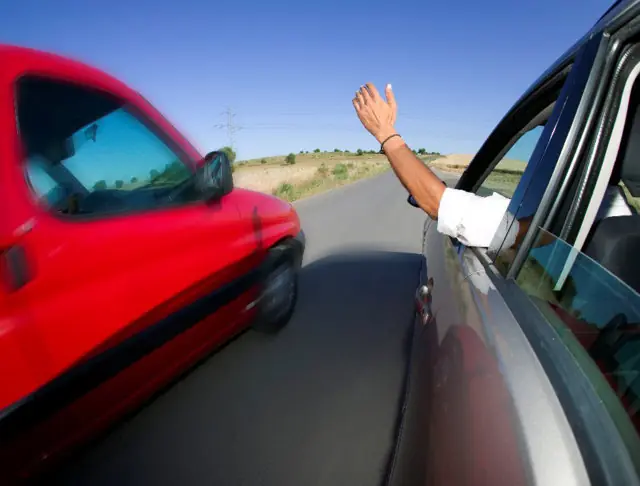
Padecer estrés durante mucho tiempo, ¿puede ocasionar importantes problemas de salud?
Can suffering from stress for a long time cause serious health problems?
- ASí, y puede afectar a las capacidades para conducir con seguridad.Yes, and it can affect your ability to drive safely.
- BSí, pero no afecta a las capacidades para conducir con seguridad.Yes, but it does not affect your ability to drive safely.
- CNo; el estrés es solo un mecanismo de defensa ante situaciones críticas.No; stress is only a defence mechanism in critical situations.
ExplanationSuffering from stress for a long time can cause serious health problems and affect your ability to drive safely. Chronic stress can cause physical and mental problems, such as fatigue, difficulty concentrating, irritability and sleep disorders, which can significantly reduce the skills needed for safe driving.
¿En qué vías se sufren más distracciones en la conducción?
On which roads do drivers get distracted more often?
- AEn vía urbbana.On roads in built-up areas.
- BEn carretera convencional.On conventional roads.
- CEn autopistas y autovias.On motorways (autopistas) and dual carriageways (autovías).
ExplanationWe have a higher risk of accidents and distraction on motorways (autopistas) and dual carriageways (autovías), because driving on them is monotonous.
Un resfriado común, ¿puede afectar a la capacidad para conducir?
Can a common cold affect your ability to drive?
- ASí, porque puede producir somnolencia.Yes, because it can cause drowsiness.
- BNo.No.
- CÚnicamente en personas mayores.Only in older people.
ExplanationA simple common cold can have a negative effect on our ability to drive, causing discomfort, fatigue and drowsiness.
¿Los niños tienen el campo visual limitado?
Do children have a limited field of vision?
- ASí, debido solo a su baja estatura.Yes, only because they are short.
- BNo, lo tienen más amplio que los adultos.No, theirs is wider than adults'.
- CSí, debido a su baja estatura y a una visión periférica poco desarrollada.Yes, because they are short and their peripheral vision is not fully developed.
ExplanationChildren have a limited field of vision because they are short, and they also have poor peripheral vision, which means they have to turn their heads to see properly.
¿Es peligroso fumar mientras conduces?
Is it dangerous to smoke while driving?
- ANo.No.
- BNo, porque te relaja.No, because it relaxes you.
- CSí, porque reduce la capacidad para maniobrar.Yes, because it reduces your ability to manoeuvre.
ExplanationSmoking at the wheel reduces your ability to manoeuvre, because the driver is distracted by holding, putting out or lighting the cigarette. In addition, the smoke can reduce visibility and irritate the eyes. It also increases the risk of fire, especially if cigarette ends are thrown out of the window.
¿Qué puede causar en el conductor una enfermedad respiratoria sin tratamiento?
What can an untreated respiratory illness cause in a driver?
- APérdida de atención y concentración.Loss of attention and concentration.
- BMayor concentración.Greater concentration.
- CMayor atención.Greater attention.
ExplanationAn untreated respiratory illness can cause lack of oxygen, tiredness, coughing and drowsiness, which leads to loss of attention and concentration at the wheel. It should be treated, and you should ask your doctor about its effects on driving.

¿Qué puede favorecer la aparición de la fatiga?
What can bring on fatigue?
- ACircular por una vía con el pavimento bien conservado.Driving on a road with a well-maintained surface.
- BCircular con el vehículo en buen estado.Driving a vehicle in good condition.
- CEl mal diseño del asiento del vehículo.Badly designed vehicle seats.
ExplanationA driver's seat with poor ergonomic design brings on fatigue at the wheel, because it makes driving more uncomfortable and more difficult.
¿Cuál de estos factores aumenta la fatiga al conducir?
Which of these factors increases fatigue when driving?
- ALas congestiones y los atascos de tráfico.Congestion and traffic jams.
- BLos asientos demasiado blandos.Seats that are too soft.
- CLa luz del sol.Sunlight.
ExplanationThe correct answer is congestion and traffic jams, a factor that increases fatigue when driving. According to the regulations, fatigue is a factor that can alter the driver's physical and mental fitness and increase the risk of road crashes. Congestion causes stress and makes the driver spend longer at the wheel without adequate rest, which increases the chance of drowsiness and reduces attention. This is in line with the rules that stress the importance of preventing fatigue and taking adequate rest breaks while driving.

Los síntomas de la alergia pueden producir en el conductor...
The symptoms of an allergy can cause the driver...
- Aaumento de la capacidad de reacción.an increased ability to react.
- Bmayor dificultad para mantener la concentración.greater difficulty in keeping concentration.
- Cmenor sensación de somnolencia.less feeling of drowsiness.
ExplanationThe symptoms of an allergy, such as sneezing, make it harder for the driver to concentrate, because when we sneeze we always close our eyes.
Discutir acaloradamente con los acompañantes, ¿puede distraer al conductor?
Can a heated argument with passengers distract the driver?
- ANo.No.
- BSí, solo en viajes largos.Yes, only on long journeys.
- CSí.Yes.
ExplanationA heated argument with passengers can distract the driver, because they will stop paying attention to driving.
¿Puede afectar un resfriado a la conducción?
Can a cold affect your driving?
- ASí.Yes.
- BNo.No.
- CSolo si se toman medicamentos para tratarlo.Only if you take medicines to treat it.
ExplanationEven a simple cold can affect your ability to drive, because it can increase your reaction time.

¿Qué circunstancias de la vía y su entorno pueden favorecer la aparición de la fatiga?
Which conditions of the road and its surroundings can bring on fatigue?
- ACongestiones y retenciones de tráfico.Congestion and traffic hold-ups.
- BLa velocidad excesiva.Excessive speed.
- CUn asiento demasiado blando.A seat that is too soft.
ExplanationFatigue can be caused by conditions of the road and its surroundings, such as very congested roads and traffic hold-ups; by conditions of the vehicle, such as a seat design that is too soft or too hard; and by conditions directly related to the driver, such as keeping an excessive speed for a long time.
¿Cuál es la tasa máxima de alcoholemia para conductores de camiones con MMA hasta 3.500 kg?
What is the maximum alcohol level for drivers of lorries with a maximum authorised mass (MAM) of up to 3,500 kg?
- A0,5 gr de alcohol por litro de sangre.0.5 g of alcohol per litre of blood.
- B0,3 gr de alcohol por litro de sangre.0.3 g of alcohol per litre of blood.
- C0,15 gr de alcohol por litro de sangre.0.15 g of alcohol per litre of blood.
ExplanationFor drivers of lorries with a maximum authorised mass of up to 3,500 kg, the general limit applies: 0.5 grams of alcohol per litre of blood. The lower limit of 0.3 grams applies to vehicles over 3,500 kg, passenger transport or dangerous goods, and to novice drivers.
Si tomamos alcohol inmediatamente antes de circular con una motocicleta, debemos saber que...
If we drink alcohol immediately before riding a motorcycle, we should know that...
- AExiste mayor riesgo de tener un accidente.There is a greater risk of having an accident.
- BNo existe riesgo de accidente si va provisto de casco y de traje de protección.There is no risk of an accident if you are wearing a helmet and a protective suit.
- CNo afecta a la conducción de la motocicleta si antes ha comido algo.It does not affect riding the motorcycle if you have eaten something beforehand.
ExplanationAlcohol has a negative effect on balance and on the coordination of movements, which is especially dangerous when riding a motorcycle. This significantly increases the risk of having an accident. It is therefore important to avoid drinking alcohol before riding a motorcycle, to ensure road safety.
¿Qué relación existe entre la velocidad y el campo visual de un conductor?
What is the relationship between speed and a driver's field of vision?
- AA mayor velocidad mayor campo visual.The higher the speed, the wider the field of vision.
- BA mayor velocidad menor campo visual.The higher the speed, the narrower the field of vision.
- CA menor velocidad menor campo visual.The lower the speed, the narrower the field of vision.
ExplanationAs speed increases, the useful field of vision gets narrower. This is the so-called tunnel effect, in which the driver can only see images in the centre of the road clearly.
¿Cuál es la tasa máxima de alcohol permitida para conducir cualquier vehículo, con carácter general?
As a general rule, what is the maximum alcohol level allowed for driving any vehicle?
- A0,10 miligramos de alcohol por litro de aire espirado.0.10 milligrams of alcohol per litre of exhaled air.
- B0,50 miligramos de alcohol por litro de aire espirado.0.50 milligrams of alcohol per litre of exhaled air.
- C0,25 miligramos de alcohol por litro de aire espirado.0.25 milligrams of alcohol per litre of exhaled air.
ExplanationArticle 20 of the General Traffic Regulations states that drivers of vehicles and cyclists may not drive or ride on the roads covered by traffic and road safety law with a blood alcohol level above 0.5 grams per litre, or a breath alcohol level above 0.25 milligrams per litre.
El límite del delito de alcoholemia expresado en gramos de alcohol por litro de sangre es superar:
The limit for the criminal offence of drink-driving, expressed in grams of alcohol per litre of blood, is exceeding:
- A1,0 g/l.1.0 g/l.
- B1,2 g/l.1.2 g/l.
- C1,5 g/l.1.5 g/l.
ExplanationThe correct figure is 1.2 g/l in blood (equivalent to 0.60 mg/l in breath); 1.0 and 1.5 are wrong.
Las alergias respiratorias, ¿pueden ocasionar un accidente por distracción?
Can respiratory allergies cause an accident through distraction?
- ANo, las distracciones ocurren por otras causas.No, distractions happen for other reasons.
- BSí.Yes.
- CSí, pero siempre accidentes de carácter leve.Yes, but always minor accidents.
ExplanationThe most common allergy symptoms are similar to those of a cold. During a sneeze lasting one second, driving at 90 km/h, you travel 25 metres with your eyes closed, without being able to see what is happening in front of you. If an allergy causes a fit of 2, 3, 4 or more sneezes, the distance travelled blind can be huge.
La tasa máxima de alcohol en aire espirado para un conductor no novel es:
The maximum breath alcohol level for a driver who is not a novice is:
- A0,25 mg/l.0.25 mg/l.
- B0,15 mg/l.0.15 mg/l.
- C0,50 mg/l.0.50 mg/l.
ExplanationGeneral limit: 0.25 mg/l in exhaled air (0.5 g/l in blood). Novice and professional drivers: 0.15 mg/l.
¿Cuándo es más probable que suframos de somnolencia?
When are we most likely to suffer from drowsiness?
- ASólo durante la noche.Only at night.
- BSiempre después de comer.Always after eating.
- CCuando se duerme poco y mal.When we sleep too little and badly.
ExplanationThe quality of sleep is as important as the number of hours, so if we do not rest properly, drowsiness can appear during the day or at night, before or after meals.
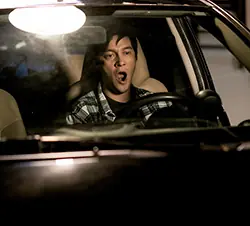
El sueño y la fatiga, ¿cómo influyen en la conducción?
How do sleepiness and fatigue affect driving?
- ADisminuyen el tiempo de reacción.They reduce reaction time.
- BAumentan la capacidad de reacción.They increase the ability to react.
- CAumentan la distancia de reacción.They increase the reaction distance.
ExplanationSleepiness and fatigue make the time it takes to react longer; during that extra time the vehicle keeps moving, so the reaction distance, and with it the stopping distance, increases.
El límite penal de alcohol expresado en sangre, según el art. 379 CP, es superar:
According to Article 379 of the Criminal Code (CP), the criminal limit for alcohol in the blood is exceeding:
- A0,5 g/l.0.5 g/l.
- B0,8 g/l.0.8 g/l.
- C1,2 g/l.1.2 g/l.
ExplanationExceeding 1.2 g/l in blood (equivalent to 0.60 mg/l in exhaled air) is a criminal offence.
¿Cuándo puede utilizar el teléfono móvil?
When can you use a mobile phone?
- APara leer o enviar mensajes.To read or send messages.
- BCuando esté parado en un semáforo en rojo.When you are stopped at a red traffic light.
- CUtilizando el dispositivo manos libres, durante periodos cortos de tiempo.Using a hands-free device, for short periods of time.
ExplanationThe Traffic Regulations prohibit the use of mobile phones and any other means or system of communication while driving, except when the communication takes place without using the hands or headphones, earphones or similar devices, using devices such as hands-free, and always for short periods of time.
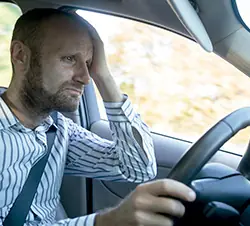
En general, un conductor que sufre un trastorno depresivo…
In general, a driver suffering from a depressive disorder...
- Areacciona con más rapidez.reacts more quickly.
- Bcomete menos errores a la hora de tomar decisiones.makes fewer mistakes when making decisions.
- Ces más inseguro al volante.is more insecure at the wheel.
ExplanationA depressive disorder causes indecision, slow responses and lack of confidence: the driver is more insecure at the wheel and finds it harder to make decisions in traffic.
El plan más seguro si se va a beber alcohol en una celebración es:
The safest plan if you are going to drink alcohol at a celebration is:
- ABeber poco y esperar media hora antes de conducir.Drink a little and wait half an hour before driving.
- BDesignar a un conductor que no beba, usar transporte público o taxi.Choose a driver who does not drink, or use public transport or a taxi.
- CConducir despacio para compensar.Drive slowly to make up for it.
ExplanationThe safest thing is not to drive if you have been drinking: choose another driver or use public transport.
¿Cuál será la tasa máxima de alcoholemia permitida con el permiso de conducción de la clase B, teniendo una antigüedad de más de 2 años con el A1?
What will the maximum permitted alcohol level be with a class B driving licence, if you have held an A1 licence for more than 2 years?
- A0,5 gr de alcohol por litro de sangre.0.5 g of alcohol per litre of blood.
- B0,25 gr de alcohol por litro de sangre.0.25 g of alcohol per litre of blood.
- C0,30 gr del alcohol por litro de sangre.0.30 g of alcohol per litre of blood.
ExplanationDuring the first 2 years after obtaining the first licence, the maximum permitted blood alcohol level is 0.3 g/litre; after 2 years it becomes 0.5 g/litre.

Los conductores de bicicletas, ¿estarán obligados a someterse a las pruebas de alcoholemia?
Will cyclists be required to take alcohol tests?
- ANo.No.
- BSí, y no podrán superar los 0,5 gr de alcohol por litro de sangre.Yes, and they may not exceed 0.5 g of alcohol per litre of blood.
- CSí, y no podrán superar los 0,3 gr de alcohol por litro de aire.Yes, and they may not exceed 0.3 g of alcohol per litre of air.
ExplanationCyclists are subject to the same blood and breath alcohol limits as drivers of any other vehicle.
¿En qué momento del día puede aparecer con más facilidad el sueño en el conductor?
At what time of day is a driver most likely to feel sleepy?
- AA las primeras horas de la tarde.In the early afternoon.
- BDurante las primeras horas de la mañana.In the early morning.
- CDurante las últimas horas de la tarde.In the late afternoon.
ExplanationDrowsiness is most likely to appear in the early afternoon, between 14:00 and 16:00, and in the early hours of the night, between 3:00 and 5:00.
El sistema GPS, ¿sirve para controlar la velocidad?
Can the GPS system be used to check your speed?
- ANo, en ningún caso puede controlar la velocidad.No, it can never check your speed.
- BSí, aunque la principal fuente de información debe ser siempre el velocímetro.Yes, although the speedometer must always be the main source of information.
- CSi, y puede sustituir al velocímetro.Yes, and it can replace the speedometer.
ExplanationA GPS navigation system can act as a second speed check, although the speedometer must always be the main source of information.
Si conduce un camión de 3.500 kilogramos de masa máxima autorizada que no transporta mercancías peligrosas, como norma general, no podrá hacerlo con una tasa de alcohol en aire espirado superior a...
If you are driving a lorry with a maximum authorised mass of 3,500 kilograms that is not carrying dangerous goods, as a general rule you may not drive it with a breath alcohol level above...
- A0,3 miligramos por litro.0.3 milligrams per litre.
- B0,15 miligramos por litro.0.15 milligrams per litre.
- C0,25 miligramos por litro.0.25 milligrams per litre.
Explanation0.25 milligrams per litre is correct because this is the breath alcohol limit for drivers of vehicles that do not carry dangerous goods and have a maximum authorised mass of up to 3,500 kilograms. This limit aims to make sure that drivers keep an adequate level of concentration and reaction for safe driving.
¿Es peligroso conducir bajo los efectos de las anfetaminas?
Is it dangerous to drive under the effects of amphetamines?
- ANo, porque disminuye la sensación de fatiga.No, because they reduce the feeling of fatigue.
- BNo, porque retrasa la aparición del sueño.No, because they delay the onset of sleepiness.
- CSí, porque sobre valoramos nuestras propias capacidades.Yes, because we overestimate our own abilities.
ExplanationAmphetamines affect driving in several ways. One of them is that we overestimate our own abilities, so we accept a higher level of risk and driving becomes more dangerous.
¿Fumar mientras conduces puede afectar cómo conduces?
Can smoking while driving affect how you drive?
- ASí, porque distrae y reduce la capacidad de maniobra.Yes, because it distracts you and reduces your ability to manoeuvre.
- BNo, además te relaja.No, and it also relaxes you.
- CSí, además está prohibido.Yes, and it is also prohibited.
ExplanationSmoking while driving is distracting: you have to light the cigarette, hold it and take a hand off the wheel, and falling hot ash can cause a sudden movement. The smoke also irritates the eyes. It is not expressly prohibited, but it reduces your ability to manoeuvre.
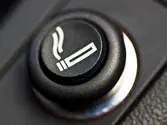
¿Es peligroso fumar mientras se conduce?
Is it dangerous to smoke while driving?
- ANo.No.
- BNo, porque relaja.No, because it relaxes you.
- CSí, porque se pierde capacidad para maniobrar.Yes, because you lose some ability to manoeuvre.
ExplanationWhen lighting and smoking a cigarette, you lose the use of one hand for manoeuvring, and the driver can easily get distracted, for example when looking for the packet, taking out a cigarette and lighting it, or putting ash in the ashtray.
Si un conductor tiene alergias respiratorias, ¿es conveniente que abra las ventanillas al conducir?
If a driver has respiratory allergies, is it advisable to open the windows while driving?
- ASí, pues así se airea el interior del vehículo.Yes, because this airs the inside of the vehicle.
- BNo.No.
- CSí, para limpiar el vehículo de posibles factores alergenos.Yes, to clear possible allergens out of the vehicle.
ExplanationIt is not advisable to open the windows while driving, because the draughts can make allergy attacks worse, as they carry large amounts of pollen.
Llevar encendido el teléfono móvil en el vehículo, ¿puede resultar peligroso?
Can it be dangerous to have your mobile phone switched on in the vehicle?
- ANo, si no se va a utilizar.No, if you are not going to use it.
- BSí, el sonido del teléfono, al igual que otro ruido, puede sorprender al conductor.Yes, the sound of the phone, like any other noise, can startle the driver.
- CNo, porque no es un ruido que pueda distraer al conductor.No, because it is not a noise that can distract the driver.
ExplanationEven if you do not use it, a phone that is switched on can ring unexpectedly and startle the driver, like any sudden noise: that brief distraction is already a risk.
En qué lugar del vehículo se colocará el navegador GPS?
Where in the vehicle should the GPS navigator be placed?
- ACerca de las manos para poderlo manipular fácilmente mientras conducimos.Near your hands, so you can operate it easily while driving.
- BA una altura correcta sin que entorpezca la visión de la carretera.At the right height, without blocking your view of the road.
- CBien anclado en el salpicadero.Firmly fixed on the dashboard.
ExplanationThe GPS must be placed at the right height, so that it does not block your view of the road and does not make you take your eyes off the road to check it. It is prohibited to operate it while driving.
¿Es peligroso sacar un insecto del coche mientras conduces?
Is it dangerous to get an insect out of the car while you are driving?
- ASí, porque puede distraer al conductor.Yes, because it can distract the driver.
- BNo, toma muy poco tiempo.No, it takes very little time.
- CNo, si conduces a baja velocidad.No, if you are driving at low speed.
ExplanationThe correct answer is 'Yes, because it can distract the driver'. According to the General Traffic Regulations, it is essential for drivers to keep their attention on the road and its surroundings. Any action that takes this attention away, such as trying to get an insect out of the vehicle, can create a danger both for the driver and for other road users. Distractions are one of the main causes of road accidents, and this is part of the principle of drivers' responsibility: they must avoid any situation that reduces their ability to drive.
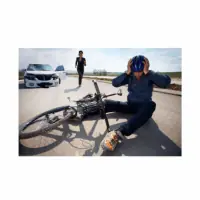
Las distracciones, ¿influyen en los accidentes sufridos por los ciclistas?
Do distractions play a part in accidents involving cyclists?
- ANo, los ciclistas son un grupo de conductores con un índice muy bajo de distracciones.No, cyclists are a group of drivers with a very low rate of distraction.
- BSí, las distracciones por parte de los propios ciclistas tienen relación de forma directa.Yes, distractions by the cyclists themselves are directly linked.
- CNo, en los accidentes de los ciclistas afectan otro tipo de causas.No, other types of causes are behind cyclists' accidents.
ExplanationDistractions play a direct part in cyclists' accidents, both the cyclists' own distractions and those of drivers who do not see them. That is why cyclists must also keep their attention on the road and avoid using earphones or the phone.
¿Cuál es la tasa máxima de alcoholemia para un conductor profesional?
What is the maximum alcohol level for a professional driver?
- A0,3 g de alcohol/litro de sangre.0.3 g of alcohol per litre of blood.
- B0,5 g de alcohol/litro de sangre.0.5 g of alcohol per litre of blood.
- C0,15 g de alcohol/litro de sangre.0.15 g of alcohol per litre of blood.
ExplanationProfessional drivers are the drivers of: goods vehicles with a maximum authorised mass (MAM) over 3,500 kg; passenger vehicles with more than 9 seats; school transport and transport of minors; taxis; emergency service vehicles; and special transport vehicles.
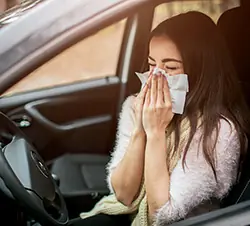
Si padece una alergia respiratoria, ¿es conveniente circular con las ventanas del vehículo abiertas?
If you have a respiratory allergy, is it advisable to drive with the vehicle windows open?
- ASí, para llevar bien ventilado el interior del vehículo.Yes, to keep the inside of the vehicle well ventilated.
- BSolo en primavera.Only in spring.
- CNo.No.
ExplanationWith a respiratory allergy, you should drive with the windows closed and rely on the cabin filter, to stop pollen and particles that trigger the symptoms from getting in.
All topics
- Definitions
- Documents and penalty points
- Duties of drivers and pedestrians
- Vehicle safety devices
- Vehicle controls and equipment
- Vehicle lights and horn
- Traffic signs, markings and signals
- The road and its lanes
- Speed and distances
- Manoeuvres
- Right of way
- Carrying passengers and loads
- Driving safely in difficult conditions
- Vehicle mechanics and maintenance
- Road accidents and first aid
- Defensive and eco-driving
Independent app: not affiliated with or endorsed by the DGT (Spain's Directorate-General for Traffic) or the Ministry of the Interior. The official exam is booked with the DGT and taken at its test centres. The questions here are practice material; the DGT's official question bank is not public.
Basado en datos de la Agencia Estatal Boletín Oficial del Estado (https://www.boe.es). Textos consolidados de carácter meramente informativo. La AEBOE no patrocina ni respalda este sitio.
Parte de las preguntas procede de los tests de la revista «Tráfico y Seguridad Vial» de la DGT, reproducidos con indicación de la fuente.