
DGT test · 590 questions
The driver's condition · Page 9 of 12
Alcohol, drugs, medicines, fatigue, sleepiness and distraction: how they affect driving, the legal alcohol limits and roadside testing.
Questions in this topic, with answers
590 questions, 50 per page, with the correct answer and the explanation. Page 9 of 12.

La depresión produce...
Depression causes...
- Amás irritabilidad y ansiedad.more irritability and anxiety.
- Buna disminución de la ansiedad.less anxiety.
- Cuna disminución de la irritabilidad y aumento de la ansiedad.less irritability and more anxiety.
ExplanationDepression is an illness that causes irritability and anxiety; any event can upset a driver who suffers from it and trigger impulsive or excessive reactions towards other road users.
Si siente fatiga o sueño, el conductor debe...
If they feel tired or sleepy, the driver should...
- Adetener el vehículo y descansar el tiempo necesario.stop the vehicle and rest for as long as necessary.
- Baumentar la velocidad para llegar antes al destino.increase speed to reach their destination sooner.
- Ctomar algún estimulante.take a stimulant.
ExplanationAccording to the Traffic and Road Safety Code, it is essential for the driver to be able to control the vehicle at all times. When symptoms of fatigue or drowsiness appear, the driver must stop the vehicle and rest, because fatigue can seriously affect physical and mental abilities and increase the risk of accidents. This is supported by the rules on the importance of being in optimal condition to drive, and by the recommendations on driving and rest times.

Para un conductor, durante los 2 años siguientes a la obtención de su primer permiso de conducción, la tasa máxima de alcoholemia permitida será de...
For a driver, during the 2 years after obtaining their first driving licence, the maximum permitted alcohol level is...
- A0,3 miligramos por litro de aire.0.3 milligrams per litre of air.
- B0,15 miligramos por litro de aire.0.15 milligrams per litre of air.
- C0,50 miligramos por litro de aire.0.50 milligrams per litre of air.
ExplanationDuring the 2 years after obtaining the first driving licence, the maximum alcohol level is 0.15 milligrams per litre of exhaled air or its equivalent, 0.3 grams per litre of blood. After the first 2 years, the general level applies: 0.25 milligrams per litre of exhaled air or 0.5 grams per litre of blood.
Los niños alborotando en los asientos traseros, ¿aumentan las distracciones del conductor?
Do children making a noise in the back seats increase the driver's distractions?
- ANo, normalmente hacen que se concentre más en la conducción.No, they usually make the driver concentrate more on driving.
- BNo, al conductor no le afecta lo que sucede en los asientos traseros.No, the driver is not affected by what happens in the back seats.
- CSí, influyendo en su estado y comportamiento.Yes, affecting the driver's state and behaviour.
ExplanationYes. Children making a noise, arguments or any activity by the passengers distract the driver, make them nervous and take their attention off the road. It is best to keep children secured in their restraint systems and to stop if necessary.
La sobrevaloración de las propias capacidades para conducir es una característica de...
Overrating your own driving abilities is typical of...
- Alos conductores jóvenes.young drivers.
- Blos conductores de edad avanzada.older drivers.
- Clos conductores profesionales.professional drivers.
ExplanationOverrating your own driving abilities is typical of young drivers, who tend to think they are better drivers than they really are.
Los accidentes debidos al sueño ocurren...
Accidents caused by sleepiness happen...
- ACuando el conductor se queda totalmente dormido.when the driver falls completely asleep.
- BMucho antes de que el conductor quede totalmente dormido.long before the driver falls completely asleep.
- CSólo durante la noche.only at night.
ExplanationAccidents caused by sleepiness happen long before the driver falls completely asleep.
¿Qué factor externo puede favorecer en mayor medida la aparición de las distracciones?
Which outside factor is most likely to lead to distractions?
- ALa temperatura moderada del habitáculo.A moderate temperature inside the vehicle.
- BLa baja luminosidad del ambiente.Low light around you.
- CLa alta luminosidad del ambiente.Bright light around you.
ExplanationLow light at night can lead to dazzle, so that the driver does not notice important things; in these cases, sharpness of vision can fall by up to 70%.
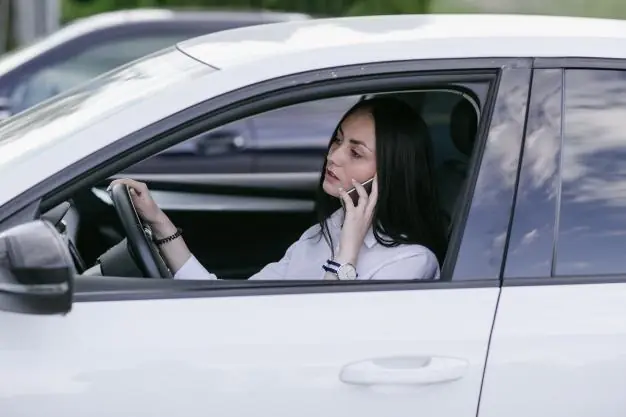
Hablar por teléfono mientras se conduce, ¿está permitido mediante el uso de algún dispositivo?
Is talking on the phone while driving allowed with any device?
- ASí, usando unos auriculares.Yes, using earphones.
- BNo.No.
- CSí, usando un dispositivo de manos libres.Yes, using a hands-free device.
ExplanationThe General Traffic Regulations prohibit using a mobile phone while driving, unless the call takes place without using your hands and without using a headset, earphones or similar devices, for example with a built-in hands-free system. Earphones are prohibited.
¿Es peligroso fumar cuando se conduce?
Is it dangerous to smoke when driving?
- ASí y además está prohibido.Yes, and it is also prohibited.
- BSí, puede provocar distracciones.Yes, it can cause distractions.
- CNo.No.
ExplanationSmoking while driving is dangerous because it can cause distractions, for example when lighting or putting out the cigarette.
Durante un viaje largo, ¿cada cuánto tiempo debemos realizar un descanso?
On a long journey, how often should we take a break?
- ACada 4 horas aproximadamente.About every 4 hours.
- BCada 2 horas.Every 2 hours.
- CCada vez que repostemos gasolina.Every time we refuel.
ExplanationOn a long journey we will stop to rest every 2 hours or every 200 km travelled, at most.

¿Cuál es la tasa de alcohol en sangre que no deben superar los conductores de vehículos destinados al transporte de mercancías con MMA de 3.250 kg?
What blood alcohol level must drivers of goods vehicles with a MAM of 3,250 kg not exceed?
- A0,3 gramos por litro de sangre.0.3 grams per litre of blood.
- B0,5 gramos por litro de sangre.0.5 grams per litre of blood.
- C0,15 gramos por litro de sangre.0.15 grams per litre of blood.
ExplanationThe correct answer is 0.5 grams per litre of blood. This is because drivers of goods vehicles with a MAM of 3,250 kg have the same permitted alcohol level as drivers in general.
¿Cómo afecta el cannabis a la conducción?
How does cannabis affect driving?
- ADisminuye el tiempo de reacción y aumenta la percepción del entorno.It reduces reaction time and increases awareness of your surroundings.
- BPuede provocar somnolencia al volante.It can cause drowsiness at the wheel.
- CEs más fácil mantener la concentración.It makes it easier to stay focused.
ExplanationThe effects of cannabis are: altered perception of your surroundings, of time and of space. It makes it harder to concentrate. It increases reaction time and can cause severe drowsiness.
Su teléfono móvil no dispone de mecanismo de "manos libres", ¿puede utilizarlo mientras está detenido en un semáforo?
Your mobile phone does not have a hands-free system. Can you use it while you are stopped at traffic lights?
- ASí, porque el vehículo está inmovilizado.Yes, because the vehicle is stationary.
- BSólo en el caso de estar en vía urbana.Only if you are on an urban road.
- CNo.No.
ExplanationThe correct answer is no, because the law prohibits using a mobile phone without a hands-free system, even if the vehicle is stopped. This is to ensure safe driving and to avoid distractions that could put the driver and other road users at risk.
Una persona con una enfermedad crónica, ¿podrá conducir?
Can a person with a chronic illness drive?
- ANo, nunca.No, never.
- BSí, porque no implica ningún riesgo.Yes, because it does not involve any risk.
- CSí, siempre que los efectos del tratamiento no impidan la conducción.Yes, as long as the effects of the treatment do not prevent driving.
ExplanationPeople with a chronic illness may drive if their medication does not prevent them from driving a motor vehicle.
¿Puede sentir sueño al conducir aunque haya dormido lo suficiente?
Can you feel sleepy while driving even if you have slept enough?
- ASí, en las primeras horas de la noche.Yes, in the first hours of the night.
- BNo.No.
- CSí, especialmente de madrugada y a primeras horas de la tarde.Yes, especially in the early hours of the morning and in the early afternoon.
ExplanationEven if you have slept enough, your body clock causes natural drops in alertness, especially in the early hours of the morning and in the early afternoon, after lunch. At those times the risk of drowsiness at the wheel is higher, so you should be extra alert and take breaks.
¿Qué efectos producen las anfetaminas?
What effects do amphetamines have?
- ARetrasa la aparición del sueño.They delay the onset of sleepiness.
- BSe tiene más sensación de fatiga.You feel more tired.
- CDisminuye el tiempo de reacción.They reduce reaction time.
ExplanationAmphetamines delay the onset of sleepiness, so a few hours later you have an irresistible need to sleep; this is called the rebound effect, and it is very dangerous for driving.
¿Conducir por una carretera en mal estado puede causar fatiga?
Can driving on a road in poor condition cause fatigue?
- ASí.Yes.
- BNo.No.
- CSólo si se conduce de noche.Only if you drive at night.
ExplanationThe General Traffic Regulations are organised in blocks that include the factors that affect the driver's physical and mental abilities. Section h), 'Other factors that can affect the driver's physical and mental abilities', states that fatigue is influenced by 'the role of fatigue in road accidents' and lists the factors that can make it more likely. These include constant effort and the need for sustained attention, which are the most likely conditions when driving on a road in poor condition (potholes, rough surface, irregular traffic). When the road is damaged, the driver must concentrate more and make more steering corrections, which increases the physical and mental load. This brings on fatigue sooner and so increases the risk of a crash. That is why the correct answer to the question is 'Yes'.
La tasa máxima de alcohol para ciclistas es:
The maximum alcohol level for cyclists is:
- ALa misma que para conductores de turismosthe same as for car drivers.
- BNo están sujetos a control de alcoholemiaThey are not subject to alcohol checks.
- C0,15 mg/l en aire0.15 mg/l in breath.
ExplanationCyclists are subject to the same alcohol levels as other drivers (0.25 mg/l in breath) and can be fined. Although they do not lose points (they do not need a driving licence), the fine is the same.
Cuando un conductor conduce fatigado...
When a driver is driving while tired...
- ASe realizan más correcciones de trayectoria.more path corrections are made.
- BSe conduce de manera menos automatizada.driving is less automatic.
- CEs más difícil mantener la concentración en el tráfico.it is harder to stay focused on the traffic.
ExplanationUnder the effects of fatigue, it is harder to stay focused on the traffic. Driving becomes more automatic and passive, and fewer path corrections are made.
¿Qué provoca el cannabis?
What does cannabis cause?
- ADisminución del tiempo de reacción.A shorter reaction time.
- BAumento de la capacidad de reacción.A greater ability to react.
- CUna fuerte somnolencia.Severe sleepiness.
ExplanationUnder the effects of cannabis, reaction time increases, the ability to react decreases, and you may feel severe sleepiness at the wheel.
Si tiene alergia respiratoria, ¿qué debe tener en cuenta al conducir?
If you have a respiratory allergy, what should you bear in mind when driving?
- APoner el aire acondicionado al máximo.Turn the air conditioning up to maximum.
- BNo poner el aire acondicionado al máximo y mantener las ventanillas cerradas.Do not turn the air conditioning up to maximum, and keep the windows closed.
- CApagar el aire acondicionado y bajar las ventanillas.Turn off the air conditioning and open the windows.
ExplanationThe correct answer is not to set the air conditioning too high and to close the windows, because if you have a respiratory allergy it is essential to keep the air inside the vehicle clean. According to the rules, drivers must make sure there are no factors that can affect their health and their ability to drive. Very strong air conditioning can dry out the airways and make allergy symptoms worse, which could distract the driver or make them unable to drive, putting road safety at risk.
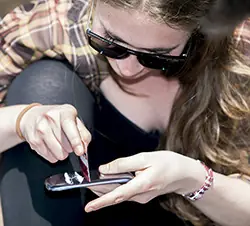
En general, bajo los efectos de la cocaína el conductor...
In general, under the effects of cocaine, the driver...
- Aes inseguro e infravalora sus capacidades al volante.is insecure and underrates their abilities at the wheel.
- Bse concentra mejor, por lo que sus decisiones son más seguras.concentrates better, so their decisions are safer.
- Ces competitivo e impulsivo.is competitive and impulsive.
ExplanationCocaine is a stimulant that makes the driver competitive, impulsive and aggressive, and makes them overrate their abilities: it leads to riskier decisions, not safer ones.
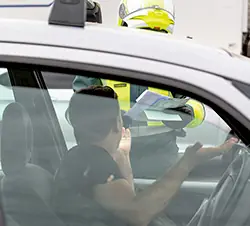
Si un conductor se niega a realizar las pruebas de detección alcohólica, los agentes de tráfico, ¿pueden inmovilizar su vehículo?
If a driver refuses to take alcohol tests, can traffic officers immobilise their vehicle?
- ASolo si presenta síntomas evidentes de haber consumido alcohol.Only if they show obvious symptoms of having drunk alcohol.
- BNo.No.
- CSí, y además está cometiendo un delito.Yes, and they are also committing a crime.
ExplanationRefusing alcohol tests is a crime against road safety set out in the Criminal Code and, in addition, officers can immobilise the vehicle to stop it being driven any further.
El tiempo de reacción del conductor es...
The driver's reaction time is...
- AEl tiempo transcurrido desde que percibe un estímulo hasta que reacciona.The time that passes from perceiving a stimulus until reacting to it.
- BEl tiempo que tarda el vehículo en detenerse totalmente desde que el conductor pisa el freno.The time the vehicle takes to stop completely from when the driver presses the brake.
- CEl tiempo empleado desde que se percibe un obstáculo hasta que el vehículo se detiene.The time taken from perceiving an obstacle until the vehicle stops.
ExplanationReaction time is the time that passes from when the driver perceives a stimulus, such as a red traffic light, until they start to act. In normal conditions it is between half a second and one second, and it increases with tiredness, drowsiness, alcohol or distractions.
La mala ventilación del vehículo, ¿puede favorecer el aumento del tiempo de reacción del conductor?
Can poor ventilation in the vehicle make the driver's reaction time longer?
- ASí.Yes.
- BNo, solo afecta a la comodidad de los pasajeros.No, it only affects the passengers' comfort.
- CNo.No.
ExplanationPoor ventilation inside the vehicle can affect our physical and mental state, bringing on fatigue and increasing reaction time.
¿Se puede fumar mientras se está conduciendo?
Can you smoke while driving?
- ANo, está prohibido.No, it is prohibited.
- BSí, relaja al conductor, es aconsejable.Yes, it relaxes the driver and is advisable.
- CSí, pero puede provocar distracciones.Yes, but it can cause distractions.
ExplanationSmoking at the wheel is not expressly prohibited, but it is a source of distraction: lighting the cigarette, holding it or dropping ash makes you take your attention and one hand off driving. If it reduces your freedom of movement or your attention, you can be fined.
Bajo los efectos del cannabis...
Under the effects of cannabis...
- ADisminuye el tiempo de reacción.reaction time decreases.
- BSe altera la percepción del entorno.the perception of your surroundings is altered.
- CEs más fácil mantener la concentración.it is easier to stay focused.
ExplanationUnder the effects of cannabis, the perception of your surroundings, of time and of space is altered, so you misjudge the distances needed to drive safely.
A partir de los 2 años de la obtención de nuestro primer permiso de conducir la tasa máxima de alcoholemia permitida será de…
Once 2 years have passed since we obtained our first driving licence, the maximum permitted alcohol level is...
- A0,15 mg de alcohol por litro de aire.0.15 mg of alcohol per litre of air.
- B0,25 mg de alcohol por litro de aire.0.25 mg of alcohol per litre of air.
- C0,50 mg de alcohol por litro de aire.0.50 mg of alcohol per litre of air.
ExplanationOnce 2 years have passed since obtaining the first driving licence, the maximum permitted alcohol level is 0.25 mg of alcohol per litre of air. Before 2 years it is 0.15 mg of alcohol per litre of air.
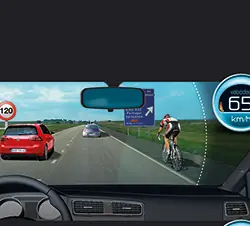
¿Influye la velocidad en el campo visual del conductor?
Does speed affect the driver's field of vision?
- ASí; el campo visual disminuye al aumentar la velocidad.Yes; the field of vision narrows as speed increases.
- BNo.No.
- CSí; el campo visual se amplía al aumentar la velocidad.Yes; the field of vision widens as speed increases.
ExplanationThe field of vision narrows as speed increases (tunnel effect): at high speeds the driver takes in less and less information from the sides, so it is best to slow down in complex surroundings.
Programar un navegador GPS mientras se conduce, ¿provoca distracciones que afectan a la conducción?
Does programming a GPS navigator while driving cause distractions that affect driving?
- ANo, siempre y cuando circule a una velocidad moderada.No, as long as you drive at a moderate speed.
- BSí.Yes.
- CNo, porque el GPS es una ayuda y nunca distrae al conductor.No, because the GPS is an aid and never distracts the driver.
ExplanationOne of the most frequent causes of distraction at the wheel, among others, is using and programming navigation systems or GPS.
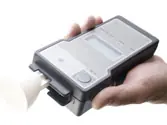
¿Cuál será la tasa máxima de alcoholemia en sangre para un conductor novel?
What is the maximum blood alcohol level for a novice driver?
- A0,5 gr/l.0.5 g/l.
- B0,3 gr/l.0.3 g/l.
- C0,15 gr/l.0.15 g/l.
ExplanationDrivers of any vehicle, during the first two years after obtaining their first driving licence, have a maximum blood alcohol level of 0.3 g per litre, which is equivalent to 0.15 mg of alcohol per litre of exhaled air.
¿Puede utilizar el teléfono móvil en algún momento de la conducción?
Can you use a mobile phone at any time while driving?
- ASí, pero solo en vías urbanas a poca velocidad.Yes, but only on urban roads at low speed.
- BNo, cuando no dispone de un dispositivo "manos libres".No, when you do not have a hands-free device.
- CSí, por ejemplo detenido en un semáforo.Yes, for example when stopped at traffic lights.
ExplanationUsing mobile phones or any other means or system of communication while driving is prohibited, except when the call takes place without using your hands and without using a headset, earphones or similar devices. When stopped (at traffic lights, in queues, etc.) we cannot use the mobile phone either, because we are still part of the traffic flow.
Concentrar la atención en una conversación o discutir con un acompañante, ¿puede favorecer la distracción?
Can concentrating on a conversation or arguing with a passenger make distraction more likely?
- ANo, conversar con el acompañante no favorece la distracción.No, talking with a passenger does not make distraction more likely.
- BSí, pero solo en trayectos largos.Yes, but only on long journeys.
- CSí.Yes.
ExplanationSome of the driver's own actions make distraction at the wheel more likely, such as talking or arguing with a passenger, or answering a phone call.
¿Se puede tener un accidente por somnolencia sin estar completamente dormido?
Can you have an accident because of drowsiness without being completely asleep?
- ASí, pero solo de noche.Yes, but only at night.
- BNo.No.
- CSí, los primeros síntomas de somnolencia ya afectan la conducción.Yes, the first symptoms of drowsiness already affect driving.
ExplanationDrowsiness harms the ability to drive, even before you fall completely asleep. According to the General Traffic Regulations, the symptoms of drowsiness include difficulty concentrating and reduced attention, which can lead to accidents. So it is important to recognise the first signs of tiredness, because they can put safety on the road at risk.
¿Usar el teléfono móvil con sistema manos libres mientras se conduce puede afectar la atención del conductor?
Can using a mobile phone with a hands-free system while driving affect the driver's attention?
- ANo, usar el móvil no afecta la atención.No, using a mobile phone does not affect attention.
- BSí, es difícil mantener la atención adecuada mientras se usa el teléfono.Yes, it is difficult to pay proper attention while using the phone.
- CSí, es más fácil concentrarse en la conducción.Yes, it makes it easier to concentrate on driving.
ExplanationArticle 18.2 of the RGC allows you to talk on the phone with a hands-free system, without using your hands or earphones. Even so, the conversation takes up part of the driver's attention, so they notice less of what is happening and react later; that is why it is best to keep calls short or avoid them.
La somnolencia hace que el conductor...
Drowsiness makes the driver...
- Atenga un tiempo de reacción menor.have a shorter reaction time.
- Bse comporte de forma más peligrosa.behave more dangerously.
- Cperciba mejor el entorno del tráfico.perceive the traffic around them better.
ExplanationDrowsiness is one of the most dangerous conditions for a driver, because it reduces concentration, worsens the perception of the road environment and makes the driver more willing to take risks. The driver may misjudge distances, fail to notice obstacles and react late. In Spain and other countries, drowsiness is one of the main causes of road accidents, especially on open roads and at night. It is recommended to take breaks every 2 hours or 200 km and to avoid driving when tired.
Las comidas copiosas durante un viaje...
Heavy meals during a journey...
- APueden producir el efecto rebote.can cause a rebound effect.
- BPueden producir somnolencia.can cause drowsiness.
- CPueden producir un estado de estrés en el conductor.can make the driver stressed.
ExplanationHeavy meals can cause drowsiness, so during a journey it is best to eat light meals.
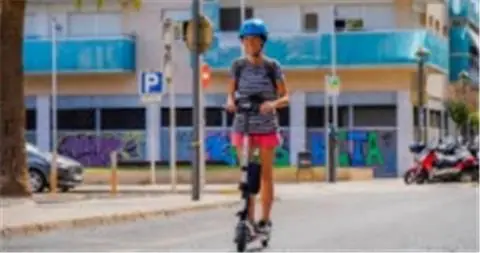
Los conductores de los vehículos de movilidad personal, ¿están obligados a someterse a las pruebas de alcohol y drogas que se establezcan para su detección?
Are riders of personal mobility vehicles obliged to take the alcohol and drug tests set for detecting them?
- ASí, igual que si condujeran cualquier otro vehículo.Yes, the same as if they were driving any other vehicle.
- BNo, ya que para su conducción no se exige permiso de conducción.No, because no driving licence is required to ride them.
- CNo, salvo denuncia previa por la comisión de alguna infracción a las normas de circulación.No, unless they have previously been reported for breaking a traffic rule.
ExplanationPersonal mobility vehicles are vehicles, and their riders must take alcohol and drug tests just like any other driver. The fact that no licence is required to ride them does not exempt them from this obligation.
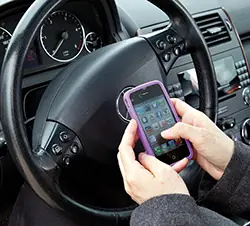
Mientras conduce, ¿qué teléfonos está permitido utilizar?
While driving, which phones are you allowed to use?
- ALos sistemas de “manos libres”.Hands-free systems.
- BLos sistemas con auriculares.Systems with earphones.
- CEstán permitidos todos los sistemas.All systems are allowed.
ExplanationWhile driving, only a phone with a hands-free system is allowed. Using the phone in your hand and using earphones are prohibited, because they take away attention and cut you off from the sounds of traffic.
Si realiza un viaje conduciendo su motocicleta y se encuentra muy fatigado, ¿qué debe hacer?
If you are on a journey riding your motorcycle and you feel very tired, what should you do?
- AAumentar la velocidad para finalizar el viaje cuanto antes.Increase speed to finish the journey as soon as possible.
- BAbrir la visera del casco para mejorar la ventilación y así combatir el cansancio.Open the helmet visor to improve ventilation and so fight the tiredness.
- CInmovilizar la motocicleta en un lugar adecuado y descansar.Stop the motorcycle in a suitable place and rest.
ExplanationThe correct answer is to stop the motorcycle in a suitable place and rest, because tiredness has a negative effect on riding and increases reaction time. Resting will let you recover your energy and be in a better condition to continue the journey safely.
Los navegadores GPS...
GPS navigators...
- ASon imprescindible para conducir con seguridad.are essential for driving safely.
- BProvocan pocas distracciones y son muy beneficiosos.cause few distractions and are very beneficial.
- CPueden suponer una importante fuente de distracción.can be a major source of distraction.
ExplanationA GPS navigation system can be a great help for the driver, but it can also be a major cause of distraction if it is not used properly.
Conduciendo fatigado, el tiempo de reacción...
When driving while tired, reaction time...
- Adisminuye.decreases.
- Baumenta.increases.
- Caumenta la capacidad de reacción.the ability to react increases.
ExplanationReaction time, that is, the driver's reflexes, will increase if the driver is tired. In other words, their ability to react decreases.
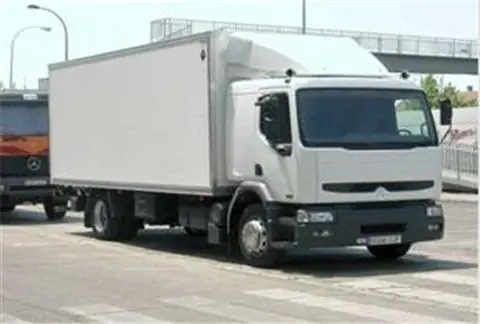
Está prohibido conducir un camión de menos de 3.500 kg de MMA con una tasa de alcohol en aire espirado superior a...
It is prohibited to drive a lorry with a MAM of less than 3,500 kg with a breath alcohol level above...
- A0,25 miligramos por litro.0.25 milligrams per litre.
- B0,15 miligramos por litro.0.15 milligrams per litre.
- C0,30 miligramos por litro.0.30 milligrams per litre.
ExplanationDrivers of lorries with a maximum authorised mass of up to 3,500 kg have the general level: 0.25 mg of alcohol per litre of exhaled air. The level of 0.15 mg applies to vehicles of more than 3,500 kg, passenger transport or dangerous goods, and novice drivers.
¿Beber café o té reduce el nivel de alcohol en la sangre?
Does drinking coffee or tea reduce your blood alcohol level?
- ANo.No.
- BSí.Yes.
- CNo, pero masticar granos de café sí reduce el nivel de alcohol en la sangre.No, but chewing coffee beans does reduce your blood alcohol level.
ExplanationDrinking coffee or tea does not reduce the alcohol level. The only way to remove alcohol from the body is time, because the liver breaks it down at a set rate. The average rate is about 0.15 g/l per hour, depending on the person's weight, sex and metabolism. The myth that caffeine helps reduce drunkenness comes from its stimulating effect. Coffee can make a person feel more awake, but this does not mean they are sober and fit to drive. Alcohol still affects reflexes, attention and the ability to drive, even if the person feels more alert. So before driving, you must wait until the alcohol has been completely eliminated from the body, instead of relying on home remedies such as coffee or a cold shower.
¿Puede un conductor negarse a realizar la prueba de alcoholemia?
Can a driver refuse to take an alcohol test?
- ASí, es un derechoYes, it is a right
- BNo, negarse es delito penalNo, refusing is a criminal offence
- CSí, pero con multaYes, but with a fine
ExplanationRefusing an alcohol test is a criminal offence (prison from 6 months to 1 year).
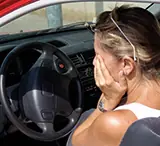
Conducir durante mucho tiempo sin descansar...
Driving for a long time without resting...
- Amantiene al conductor más atento ante cualquier peligro.keeps the driver more alert to any danger.
- Bdisminuye el riesgo de accidente.reduces the risk of an accident.
- Cpropicia la aparición de la fatiga.makes fatigue more likely.
ExplanationDriving for many hours in a row causes fatigue: attention drops, reaction time increases and dangers are noticed less well. That is why it raises the risk of an accident and you should stop to rest for about 20 minutes every 2 hours or 200 kilometres.
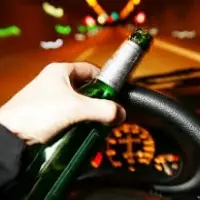
Las personas que beben y conducen…
People who drink and drive…
- APueden responder de una manera agresiva y descortés.May react in an aggressive and rude way.
- BSon menos agresivas.Are less aggressive.
- CSon menos sensibles a los deslumbramientos.Are less sensitive to glare.
ExplanationAlcohol, even in small amounts, lowers inhibitions and changes behaviour: the driver becomes more impulsive, overconfident and aggressive, and may be rude to other road users. It also increases sensitivity to glare and reaction time.
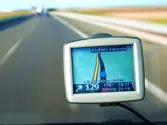
El dispositivo GPS...
The GPS device...
- Asiempre prevalece sobre la opinión del conductor.always takes precedence over the driver's judgement.
- Blo pondremos cerca del Air-Bag.should be placed near the airbag.
- Ctiene que disponer de un soporte adecuado.must have a suitable mount.
ExplanationA GPS navigator can be a great help, but the driver's judgement must always take precedence. It must be fitted in a suitable mount that does not block the view and is not in the area where the airbag deploys, and it is best to program it before setting off.
Leer un periódico o mirar un mapa mientras se circula, ¿es un riesgo para la conducción?
Is reading a newspaper or looking at a map while driving a risk for driving?
- ASí.Yes.
- BLeer un periódico sí, pero mirar un mapa no.Reading a newspaper is, but looking at a map is not.
- CÚnicamente si se aparta la mirada de la carretera más de dos segundos.Only if you take your eyes off the road for more than two seconds.
ExplanationThe driver must keep their own freedom of movement, the necessary field of vision and constant attention to driving, to ensure their own safety, that of the other occupants of the vehicle and that of other road users. Reading a newspaper or looking at a map while driving is risky behaviour that must be avoided, as is eating, drinking or any other behaviour that may distract us.
Si el conductor sufre alergias respiratorias tendrá que saber que...
If the driver suffers from respiratory allergies, they should know that...
- AEs mejor conducir con las ventanillas bajadas.it is better to drive with the windows down.
- BEs mejor conducir con el aire acondicionado alto.it is better to drive with the air conditioning on high.
- CEs mejor conducir sin aire acondicionado.it is better to drive without air conditioning.
ExplanationDrivers with allergies should not open the windows while driving or set the air conditioning high; it is better to drive without air conditioning or with it on very low.
All topics
- Definitions
- Documents and penalty points
- Duties of drivers and pedestrians
- Vehicle safety devices
- Vehicle controls and equipment
- Vehicle lights and horn
- Traffic signs, markings and signals
- The road and its lanes
- Speed and distances
- Manoeuvres
- Right of way
- Carrying passengers and loads
- Driving safely in difficult conditions
- Vehicle mechanics and maintenance
- Road accidents and first aid
- Defensive and eco-driving
Independent app: not affiliated with or endorsed by the DGT (Spain's Directorate-General for Traffic) or the Ministry of the Interior. The official exam is booked with the DGT and taken at its test centres. The questions here are practice material; the DGT's official question bank is not public.
Basado en datos de la Agencia Estatal Boletín Oficial del Estado (https://www.boe.es). Textos consolidados de carácter meramente informativo. La AEBOE no patrocina ni respalda este sitio.
Parte de las preguntas procede de los tests de la revista «Tráfico y Seguridad Vial» de la DGT, reproducidos con indicación de la fuente.