
DGT test · 590 questions
The driver's condition · Page 6 of 12
Alcohol, drugs, medicines, fatigue, sleepiness and distraction: how they affect driving, the legal alcohol limits and roadside testing.
Questions in this topic, with answers
590 questions, 50 per page, with the correct answer and the explanation. Page 6 of 12.
¿Cuál es la tasa máxima de alcoholemia en aire espirado permitida para los conductores en el segundo año después de obtener su primer permiso?
What is the maximum breath alcohol level allowed for drivers in the second year after obtaining their first licence?
- A0,25 mg por litro.0.25 mg per litre.
- B0,20 mg por litro.0.20 mg per litre.
- C0,15 mg por litro.0.15 mg per litre.
ExplanationUnder Article 20 of the General Traffic Regulations (RGC), during the two years after obtaining the licence the maximum level is 0.15 mg of alcohol per litre of exhaled air. In the second year that limit still applies, not the general limit of 0.25 mg per litre.
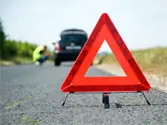
El tiempo que transcurre desde que vemos un peligro hasta que actuamos, se llama...
The time that passes from when we see a danger until we act is called...
- Atiempo de reacción.reaction time.
- Btiempo de detención.stopping time.
- Ctiempo de frenado.braking time.
ExplanationThe time that passes from when we see a danger until we react is called reaction time; for an average driver it is usually 3/4 of a second.
¿Son más propensas las personas mayores de 70 años a sufrir accidentes por causa de una distracción?
Are people over 70 more likely to have accidents caused by distraction?
- ANo, igual que las demás.No, the same as everyone else.
- BNo, tienen menos accidentes por distracciones.No, they have fewer accidents caused by distraction.
- CSi, son más propensas. Lo mismo ocurre con personas entre 18 y 25 años.Yes, they are more likely. The same happens with people aged between 18 and 25.
ExplanationOld age can mean poorer control of attention, so accidents caused by distraction are more frequent, especially among people over 70. The same happens with people aged between 18 and 25.
Ante síntomas de fatiga o somnolencia, el conductor debe
If they have symptoms of fatigue or drowsiness, the driver should...
- AConducir más deprisa para llegar antes a su destino.drive faster to reach their destination sooner.
- BEstacionar el vehículo y descansar el tiempo que necesite.park the vehicle and rest for as long as they need.
- CTomar algún estimulante.take a stimulant.
ExplanationThe most important rules to avoid an accident caused by sleepiness or fatigue are: if we feel tired or sleepy while driving, the best thing is to stop and rest in a suitable place and sleep for about 20 or 30 minutes; rest for 20 to 30 minutes every 2 hours or every 200 kilometres at most; always watch for the signs and symptoms of sleepiness or fatigue.
Si al conducir sientes fatiga ¿qué precauciones deberás tomar?
If you feel tired while driving, what precautions should you take?
- AConducir más rápido para llegar antes.Drive faster to arrive sooner.
- BCircular por vías interurbanas para que la conducción sea menos monótona.Drive on interurban roads so that driving is less monotonous.
- CParar y descansar en un lugar adecuado durante 20 ó 30 minutos.Stop and rest in a suitable place for 20 or 30 minutes.
ExplanationTo avoid fatigue we should stop and rest for 20 to 30 minutes every 2 hours or 200 km at most. If we feel tired while driving, we should stop and rest for 20 to 30 minutes.
Durante un viaje descansaremos...
During a journey, we should rest...
- ACada 2 horas o 200 km.every 2 hours or 200 km.
- BCada 3 horas.every 3 hours.
- CCada vez que paremos para repostar gasolina.every time we stop to refuel.
ExplanationOn a long journey we will stop every two hours, or every 200 km travelled, to rest for at least 20 minutes.

¿Cómo es el campo visual de los niños?
What is children's field of vision like?
- AEl campo visual será el mismo que el de los adultos.Their field of vision is the same as adults'.
- BMás reducido que el de los adultos.Narrower than adults'.
- CMás amplio que el de los adultos.Wider than adults'.
ExplanationChildren have a narrower field of vision than adults, especially to the sides, and because they are short they cannot see over parked cars. That is why they notice approaching vehicles late and are often not seen by drivers.
A un herido en un accidente de circulación, ¿debe dársele algún medicamento o bebida alcohólica con el fin de estimularle?
Should a person injured in a road accident be given any medicine or alcoholic drink to stimulate them?
- ANo, nunca.No, never.
- BSí, con el fin de reanimarle.Yes, to revive them.
- CSí, para mantener su temperatura.Yes, to keep their body temperature up.
ExplanationAn injured person in an accident must not be given any medicine or alcoholic drink. This is because medicines can have unwanted side effects, and alcohol can change the injured person's level of consciousness, making it harder to assess and treat them. In addition, if they need medical treatment, it is better for the health staff to have a clear picture of their condition.

Conducir bajo los síntomas de una alergia respiratoria, ¿aumenta el riesgo de sufrir un accidente?
Does driving with the symptoms of a respiratory allergy increase the risk of having an accident?
- ASí, pero solo durante la primavera debido a la mayor presencia de polen.Yes, but only in spring, because there is more pollen.
- BNo, el riesgo es el mismo que el de un conductor sin alergia respiratoria.No, the risk is the same as for a driver without a respiratory allergy.
- CSí, ya que puede verse alterada la capacidad para conducir con seguridad.Yes, because the ability to drive safely may be affected.
ExplanationSneezing, watery eyes, itchy eyes or a blocked nose can make you lose your vision for a few seconds and reduce your attention. In addition, some antihistamines cause sleepiness. That is why an allergy increases the risk at any time of year, not only in spring.
Conducir con lluvia o en situaciones climatológicas adversas, ¿puede provocar fatiga al volante?
Can driving in the rain or in bad weather cause fatigue at the wheel?
- ANo.No.
- BSí.Yes.
- CSólo si es de noche.Only at night.
ExplanationDriving in bad weather can make fatigue at the wheel more likely, because driving is more difficult and requires a higher level of attention.
Conducir con mal tiempo, ¿puede afectar a la fatiga?
Can driving in bad weather affect fatigue?
- ASí, y por ello se debe descansar con mayor frecuencia.Yes, and so you should rest more often.
- BNo.No.
- CSolo en los viajes muy largos.Only on very long journeys.
ExplanationDriving in bad weather, such as fog, rain or snow, makes driving more difficult and requires a higher level of attention and concentration, so fatigue increases.
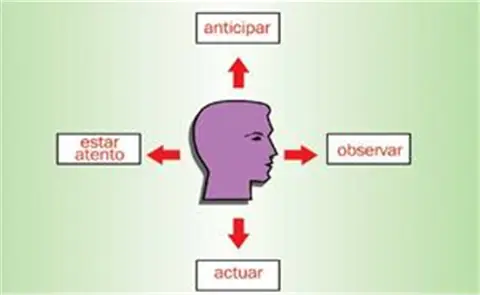
El estrés, ¿qué efectos puede tener sobre el conductor?
What effects can stress have on the driver?
- ALa toma de decisiones al volante puede ser más lenta.Decision-making at the wheel may be slower.
- BDisminución de la fatiga y el sueño.Less fatigue and sleepiness.
- CComportamientos excesivamente prudentes.Overly cautious behaviour.
ExplanationStress can seriously impair our ability to drive safely, and it can be especially hard to stay focused on the traffic, so the chance of being distracted increases.
Entre otros, ¿qué efectos produce el estrés?
Among other things, what effects does stress have?
- ADisminuye el tiempo de reacción.It reduces reaction time.
- BAumenta la fatiga.It increases fatigue.
- CAumenta la capacidad para conducir.It increases the ability to drive.
ExplanationAmong other effects, stress increases fatigue, increases reaction time and reduces the ability to drive.
Estando detenido en un semáforo en rojo, ¿se puede hablar por el móvil sin usar un dispositivo manos libres?
While stopped at a red traffic light, can you talk on your mobile phone without a hands-free device?
- ASí, porque estamos detenidos.Yes, because we are stopped.
- BNo, porque está prohibido.No, because it is prohibited.
- CSí, si la llamada dura menos de un minuto.Yes, if the call lasts less than a minute.
ExplanationWhen you are stopped at a traffic light you are still driving, because the vehicle is on the road and in traffic. Article 18.2 of the General Traffic Regulations prohibits using a mobile phone while driving, unless the call is made without using your hands and without earphones or a headset.
Todas las enfermedades, ¿son igual de peligrosas para la conducción?
Are all illnesses equally dangerous for driving?
- ANo, las enfermedades crónicas no son peligrosas.No, chronic illnesses are not dangerous.
- BSí, todas las enfermedades son igual de peligrosas.Yes, all illnesses are equally dangerous.
- CNo, algunos trastornos neurológicos y enfermedades mentales son más peligrosas.No, some neurological disorders and mental illnesses are more dangerous.
ExplanationNot all illnesses are the same, and symptoms do not affect everyone in the same way. A simple cold cannot be compared with a mental illness, and neither can the effects they may have on driving. Some illnesses are much more dangerous than others.
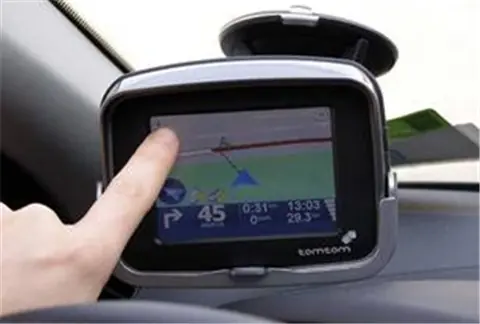
Es conveniente colocar el soporte para un navegador GPS cerca del lugar en el que se encuentra instalado un airbag?
Is it a good idea to place a GPS navigator holder near where an airbag is fitted?
- ASí, si así el conductor ve mejor la pantalla.Yes, if it lets the driver see the screen better.
- BNo, si puede obstaculizar su despliegue.No, if it may obstruct the airbag when it opens.
- CSólo si el navegador GPS está apagado.Only if the GPS navigator is switched off.
ExplanationThe navigator holder must not be placed in the area where the airbag opens, because it may stop the airbag from opening properly or be thrown against the occupants. It must also not block the driver's view. Having the navigator switched off does not change this risk.
¿Tiene algún riesgo tomar café para evitar el sueño al volante?
Is there any risk in drinking coffee to avoid falling asleep at the wheel?
- ANo, es un buen estimulante.No, it is a good stimulant.
- BSí, se puede producir el efecto rebote.Yes, a rebound effect may occur.
- CNo, elimina por completo la necesidad de descansar.No, it completely removes the need to rest.
ExplanationThe rebound effect happens when the effects of the coffee wear off: sleepiness appears suddenly and catches the driver off guard.
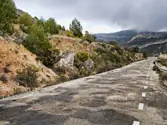
Circular por una vía con el pavimento en mal estado, ¿puede favorecer la aparición de la fatiga?
Can driving on a road with a poor road surface make fatigue more likely?
- ASí, porque la conducción es más incómoda.Yes, because driving is less comfortable.
- BNo, porque se mantiene más alerta.No, because you stay more alert.
- CSólo si el conductor es novel o poco experimentado.Only if the driver is a novice or has little experience.
ExplanationDriving on a road with a poor surface can make fatigue more likely, because the driver has to pay more attention to the bumps in the road, which can increase physical and mental effort. This extra discomfort makes fatigue appear sooner than in normal conditions.
¿Qué efectos puede tener el estrés en el conductor?
What effects can stress have on the driver?
- AQue tome decisiones más despacio y cometa menos errores.They make decisions more slowly and make fewer mistakes.
- BQue tome decisiones más rápido y cometa menos errores.They make decisions faster and make fewer mistakes.
- CQue aumenten las distracciones al volante.Distractions at the wheel increase.
ExplanationThe Traffic and Road Safety Code treats stress as a risk factor. Section h), 'Other factors that can affect the driver's physical and mental abilities', states that stress makes distractions more likely, because it breaks up attention and makes decision-making harder. That is why the correct answer is that stress can lead to more distractions at the wheel.
¿Se puede fumar mientras se conduce un vehículo?
Can you smoke while driving a vehicle?
- ANo, porque está prohibido.No, because it is prohibited.
- BSí, ya que no tiene ningún efecto sobre la conducción.Yes, because it has no effect on driving.
- CNo está prohibido, pero puede producir distracciones al conductor.It is not prohibited, but it can distract the driver.
ExplanationSome studies say that drivers who smoke are involved in twice as many accidents as non-smokers. This is because lighting and putting out the cigarette, throwing away the match, and the carbon monoxide from smoking reduce the driver's ability to stay attentive.
Si estás bajo tratamiento médico, ¿dejarás de conducir?
If you are having medical treatment, will you stop driving?
- ASí.Yes.
- BNo, nunca.No, never.
- CNo, salvo casos especiales.No, except in special cases.
ExplanationNormally, if we follow the doctor's instructions and know the illness and its side effects, we can drive. However, in very special cases, when the side effects of the treatment require it, driving is not allowed, because it is a danger to ourselves and to other road users.
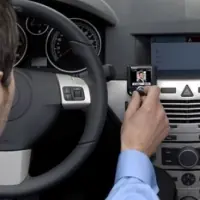
¿Se puede utilizar el teléfono móvil en algún momento del viaje si se encuentra conduciendo?
While you are driving, can you use a mobile phone at any point during the journey?
- ASí, pero solamente en vías interurbanas a velocidad baja.Yes, but only on roads outside built-up areas at low speed.
- BNo, si no se dispone de un “manos libres”.No, unless you have a hands-free system.
- CSí, por ejemplo cuando se ha detenido delante de un semáforo.Yes, for example when you have stopped at a traffic light.
ExplanationArticle 18.2 of the General Traffic Regulations (RGC) prohibits using a mobile phone while driving, unless the communication takes place without using your hands and without a headset, earphones or similar, as with a hands-free system. You may not handle the phone even when stopped at a traffic light or driving at low speed.
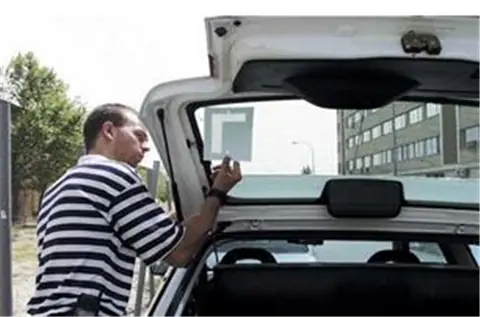
A los conductores noveles se les aplica una tasa de alcoholemia menor...
Novice drivers have a lower alcohol limit...
- Aúnicamente porque las normas de tráfico lo imponen.only because the traffic rules say so.
- Bporque carecen de la suficiente experiencia en la conducción.because they do not have enough driving experience.
- Cporque en ellos los efectos del alcohol son menores.because the effects of alcohol on them are smaller.
ExplanationNovice drivers have a lower limit because they lack experience: alcohol affects everyone in the same way, but in someone who has not yet made driving automatic, its effects raise the risk of an accident more. It is not that alcohol affects them less.
¿Cuándo está permitido usar el teléfono móvil mientras se conduce?
When are you allowed to use a mobile phone while driving?
- ASolo cuando se use un dispositivo de manos libres.Only when you use a hands-free device.
- BSiempre.Always.
- CNunca, porque puede causar distracciones.Never, because it can cause distractions.
ExplanationUsing a mobile phone while driving is prohibited unless you use a hands-free device. This is to minimise distractions and increase safety on the road, allowing the driver to keep both hands on the steering wheel.
Un conductor ¿se puede distraer si come o bebe mientras conduce?
Can a driver get distracted if they eat or drink while driving?
- ANo.No.
- BComer sí puede provocar que el conductor se distraiga, pero beber no.Eating can distract the driver, but drinking cannot.
- CSí.Yes.
ExplanationWhenever the driver of a vehicle does activities other than driving, these will generally cause distractions. In addition, if they have to use their hands for these activities, it will be even easier to get distracted and we will have more difficulty manoeuvring and controlling the vehicle.

¿Qué circunstancias fatigan más al conductor?
Which situation tires the driver more?
- ACircular por una autopista sin tráfico.Driving on a motorway (autopista) with no traffic.
- BCircular por una vía urbana con poco tráfico.Driving on an urban road with little traffic.
- CCircular por una carretera convencional con mucho tráfico.Driving on a conventional road with heavy traffic.
ExplanationDriving on a conventional road with heavy traffic makes fatigue at the wheel more likely, because it requires the driver to concentrate much harder.
¿Qué situación puede provocar somnolencia durante la conducción?
Which situation can cause drowsiness while driving?
- AUna situación de tráfico compleja.A complex traffic situation.
- BUna situación de tráfico monótona.A monotonous traffic situation.
- CUna situación de tráfico cambiante.A changing traffic situation.
ExplanationA monotonous traffic situation, for example driving on a motorway with no traffic for many kilometres, can cause drowsiness.
¿Son las distracciones de los ciclistas una causa directa de los accidentes que sufren?
Are cyclists' distractions a direct cause of the accidents they have?
- ANo, los ciclistas apenas se distraenNo, cyclists hardly ever get distracted.
- BNo, influyen más otros factoresNo, other factors have more influence.
- CSí, las distracciones son una causa directaYes, distractions are a direct cause.
ExplanationYes, distractions are one of the main causes of accidents in this group. Together with lack of experience or skill, loss of attention (such as using a mobile phone or GPS, or looking at the scenery) greatly increases the risk of having an accident. It is also vital to remember that the General Traffic Regulations prohibit cyclists from riding with a headset or earphones connected to sound receivers or players, because this cuts the rider off from their surroundings and makes the distraction worse.
¿Qué factor favorece más las distracciones del conductor?
Which factor most encourages driver distraction?
- ALa baja luminosidad del ambiente.Low light around you.
- BLa alta luminosidad del ambiente.Bright light around you.
- CLa luminosidad constante del ambiente.Constant light around you.
ExplanationLow light, driving at night, and changes in light, for example when we are dazzled by an oncoming vehicle, can make us miss things happening around us.
La detección de presencia de drogas en el organismo del conductor supone la pérdida de:
Detecting drugs in the driver's body means losing:
- A4 puntos.4 points.
- B6 puntos.6 points.
- C2 puntos.2 points.
ExplanationTesting positive for drugs means losing 6 points.
Si ha obtenido el permiso de conducción hace 18 meses, la tasa máxima de alcohol, mientras conduce, no podrá superar...
If you got your driving licence 18 months ago, while driving your alcohol level must not exceed...
- A0,25 miligramos de alcohol por litro de aire espirado.0.25 milligrams of alcohol per litre of exhaled air.
- B0,5 miligramos de alcohol por litro de aire espirado.0.5 milligrams of alcohol per litre of exhaled air.
- C0,15 miligramos de alcohol por litro de aire espirado.0.15 milligrams of alcohol per litre of exhaled air.
ExplanationUnder Article 20 of the General Traffic Regulations (RGC), during the two years after obtaining the licence you must not exceed 0.15 milligrams of alcohol per litre of exhaled air, or 0.3 grams per litre in blood. With 18 months' experience, this limit still applies.
¿Pueden el estado físico y psicológico del conductor influir en su tiempo de reacción?
Can the driver's physical and psychological state affect their reaction time?
- ANo.No.
- BDepende de la situación.It depends on the situation.
- CSí.Yes.
ExplanationTiredness, sleepiness, stress, worries or illness lengthen the time the driver takes to notice a danger and react. During that time the vehicle keeps moving, so the driver's physical and psychological state has a direct effect on safety.

¿Cuál será la tasa máxima de alcoholemia, como norma general?
What is the maximum alcohol level as a general rule?
- A0,5 gramos de alcohol por litro de sangre.0.5 grams of alcohol per litre of blood.
- B0,3 gramos de alcohol por litro de sangre.0.3 grams of alcohol per litre of blood.
- C0,15 miligramos de alcohol por litro de aire.0.15 milligrams of alcohol per litre of air.
ExplanationThe maximum alcohol level with which you may drive, as a general rule, is 0.5 grams of alcohol per litre of blood or 0.25 mg of alcohol per litre of air.
¿Cuál es la tasa máxima de alcohol en sangre permitida para un conductor novel?
What is the maximum blood alcohol level allowed for a novice driver?
- A0,3 gramos por litro.0.3 grams per litre.
- B0,5 gramos por litro.0.5 grams per litre.
- C0,15 gramos por litro.0.15 grams per litre.
ExplanationDrivers of any vehicle, during the two years after obtaining their first licence, are prohibited from driving with an alcohol level above 0.3 grams of alcohol per litre of blood or 0.15 milligrams of alcohol per litre of exhaled air.
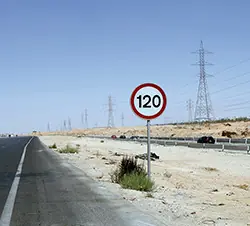
Conducir durante mucho tiempo a una velocidad elevada...
Driving at a high speed for a long time...
- Adisminuye la aparición de la fatiga pero aumenta la agresividad.makes fatigue less likely but increases aggression.
- Bacelera la aparición de la fatiga y, por tanto, disminuye la agresividad.brings on fatigue sooner and therefore reduces aggression.
- Cacelera la aparición de la fatiga y hace que aumente la agresividad.brings on fatigue sooner and increases aggression.
ExplanationKeeping a high speed for a long time requires constant attention and tension, which brings on fatigue sooner. This fatigue makes the driver more irritable, so aggression also increases rather than decreases.
¿Qué circunstancia de la vía y su entorno puede favorecer la aparición de la fatiga?
Which circumstance of the road and its surroundings can make fatigue more likely?
- ACircular con mucho tráfico.Driving in heavy traffic.
- BTener un asiento blando en el vehículo.Having a soft seat in the vehicle.
- CCircular de día.Driving during the day.
ExplanationDriving in heavy traffic makes fatigue more likely because it requires more concentration; this factor is related to the road and its surroundings. A seat that is too soft would also make fatigue more likely, but that would be related to the vehicle.
Si estás tomando medicación para el estrés, ¿puede afectar en la conducción de tu vehículo?
If you are taking medication for stress, can it affect how you drive your vehicle?
- ANo, si está recetada por un médico especialista.No, if it is prescribed by a specialist doctor.
- BSí, puede alterar la capacidad para conducir.Yes, it can impair your ability to drive.
- CNo, si la medicación es de origen natural.No, if the medication is natural.
ExplanationStress can seriously impair our ability to drive, and during its critical phase it is advisable to avoid driving, especially if we are taking any kind of medication.
Si tienes instalado un navegador GPS, debes tener en cuenta que...
If you have a GPS navigator installed, you should bear in mind that...
- ANo apartes la vista del GPS mientras conduces.you should not take your eyes off the GPS while driving.
- BLas indicaciones del GPS no tienen prioridad sobre las señales de tráfico.the GPS instructions do not have priority over traffic signs.
- CEl criterio del conductor debe prevalecer sobre las indicaciones del GPS.the driver's judgement must prevail over the GPS instructions.
ExplanationUnder Spain's General Traffic Regulations, drivers must pay attention to their surroundings and not rely only on the GPS navigator's instructions while driving. This is because human judgement is needed to adapt to unexpected conditions or to changes in road signs that may not be updated in the navigation system.
Respecto al consumo de drogas y la conducción, la normativa establece:
Regarding drug use and driving, the rules establish:
- AUna tasa tolerada similar a la del alcohol.a tolerated level similar to the one for alcohol.
- BTolerancia cero: está prohibida la conducción con presencia de drogas en el organismo.zero tolerance: driving with drugs present in the body is prohibited.
- CQue solo se sanciona si se aprecian síntomas.that it is only penalised if symptoms are noticed.
ExplanationFor drugs there is zero tolerance: their mere detectable presence is prohibited.
¿Cuál es la tasa de alcohol permitida para conductores de VMP?
What alcohol level is allowed for riders of personal mobility vehicles (PMVs)?
- A0,25 mg/l en aire0.25 mg/l in breath.
- BLa misma que para el resto de conductoresThe same as for other drivers.
- CNo hay tasa específicaThere is no specific level.
ExplanationRiders of personal mobility vehicles are subject to the same alcohol and drug limits as other drivers and can receive the same fines and points penalties (if they hold a driving licence).
¿Cuándo será más peligroso el efecto túnel?
When will the tunnel effect be most dangerous?
- ACuando realicemos un adelantamiento.When we overtake.
- BCirculando por autopista.When driving on a motorway (autopista).
- CCuando nos acerquemos a una intersección.When we approach a junction.
ExplanationThe tunnel effect means we can only see the centre of the road clearly; images at the sides are not seen properly. This makes the effect especially dangerous at junctions, because we need to see vehicles approaching from the sides.
Un recorrido muy habitual, ¿puede favorecer la distracción del conductor?
Can a very familiar route make the driver more easily distracted?
- ANo, al conocerlo bien la atención aumenta.No, knowing it well increases attention.
- BSí.Yes.
- CNo.No.
ExplanationA very familiar route can lead to overconfidence, which will make you pay less attention.
Respecto a la obligación de los conductores de someterse a las pruebas de alcoholemia cuando lo requiera un agente encargado de la vigilancia del tráfico:
Regarding drivers' obligation to take alcohol tests when required by a traffic officer:
- ANegarse a realizar las pruebas de alcoholemia no constituye infracción en ningún caso.Refusing to take alcohol tests is never an offence.
- BEs obligatorio realizarlas, y según el caso, puede ser una falta administrativa o un delito.Taking them is compulsory and, depending on the case, refusing can be an administrative offence or a crime.
- CNingún conductor está obligado a realizarla, salvo que esté implicado en un accidente de tráfico.No driver is obliged to take them unless they are involved in a road accident.
ExplanationIt is compulsory to take alcohol tests when required by a traffic officer. Refusing to take them is a serious crime of disobedience punishable under the Criminal Code. This means that refusing to take the tests can have legal consequences.
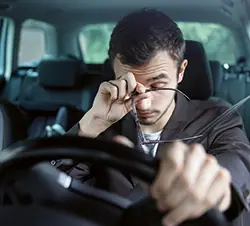
Un conductor con sueño...
A sleepy driver...
- Atarda menos tiempo en reaccionar.takes less time to react.
- Banaliza situaciones de tráfico complejas en menos tiempo.analyses complex traffic situations in less time.
- Ctarda más tiempo en reaccionar.takes longer to react.
ExplanationSleepiness dulls attention and physical and mental abilities: a sleepy driver takes longer to react and handles traffic situations less well, with the added risk of microsleeps.
Como norma general con un ciclomotor no puede circular...
As a general rule, you may not ride a moped...
- APor la noche.at night.
- BPor vías interurbanas sin arcenes.on interurban roads without hard shoulders.
- CMientras su conductor utiliza un teléfono móvil.while the rider is using a mobile phone.
ExplanationAs a general rule, you may not ride a moped while the rider is using a mobile phone. This is because it is prohibited to drive while using a mobile phone manually. It is important to keep your attention on driving and avoid distractions that could put road safety at risk.
La ropa adecuada para conducir una motocicleta debe...
Suitable clothing for riding a motorcycle should...
- Aser muy ajustada al cuerpo para mejorar la estética.be very tight-fitting to look better.
- Bser resistente a los golpes y a la abrasión en caso de caída.be resistant to impacts and abrasion in case of a fall.
- Ctener colores oscuros.be dark in colour.
ExplanationMotorcycle clothing must protect you in case of a fall: an abrasion-resistant jacket and trousers with protection for the shoulders, elbows, back and knees. It is best if it is brightly coloured or has reflective elements so that you are more visible; dark colours do not help.
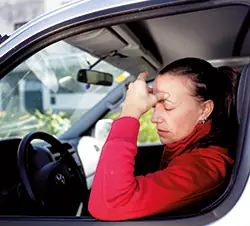
Para evitar o retrasar la aparición de la fatiga, es aconsejable que el conductor...
To prevent or delay fatigue, it is advisable for the driver to...
- ACircule a menor velocidad para disminuir los efectos de la fatiga.drive more slowly to reduce the effects of fatigue.
- BMantenga el interior del vehículo a una temperatura superior a 25 grados.keep the inside of the vehicle at a temperature above 25 degrees.
- CMantenga bien ventilado el interior del vehículo.keep the inside of the vehicle well ventilated.
ExplanationA well-ventilated interior at a moderate temperature delays fatigue; too much heat and stale air cause sleepiness. Reducing speed does not remove fatigue: you need to rest.

El consumo de cannabis produce, entre otros efectos,...
Using cannabis causes, among other effects,...
- AUn aumento del tiempo de reacción.a longer reaction time.
- BUna disminución del tiempo de reacción.a shorter reaction time.
- CUn aumento de la capacidad de reacción.a greater ability to react.
ExplanationUsing cannabis causes, among other effects, a longer reaction time. A driver who has used it takes longer to react to unexpected situations.
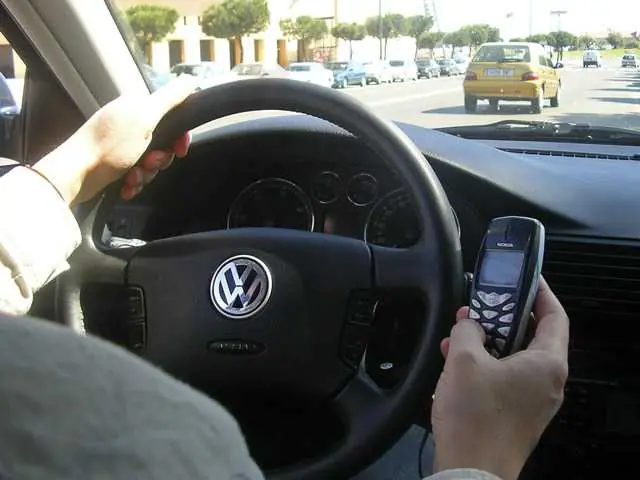
Señala la frase correcta sobre los accidentes provocados porque alguien se distrae.
Choose the correct statement about accidents caused by someone getting distracted.
- AEse tipo de accidentes no se puede evitar.These accidents cannot be avoided.
- BEse tipo de accidentes ocurre pocas veces.These accidents rarely happen.
- CEse tipo de accidentes cada vez es más habitual.These accidents are becoming more and more common.
ExplanationDistractions, such as using a mobile phone, operating the navigator or eating at the wheel, are behind a growing share of accidents. They can be avoided: you just need to keep your attention on driving and not do other tasks while driving.
El tiempo de reacción se verá aumentado por:
Reaction time will be increased by:
- Ala velocidad del vehículo.the speed of the vehicle.
- Bel estado de la calzada.the condition of the carriageway.
- Cel estado del conductor.the condition of the driver.
ExplanationReaction time is the time that passes from when the driver sees an obstacle until they react. This time varies depending on the driver's physical and mental state, never because of the speed or the condition of the road. Although it may seem that the reaction to an obstacle or an unexpected situation should be instant, a driver's average reaction time is about 0.75 seconds, between 0.5 and 1 second.
All topics
- Definitions
- Documents and penalty points
- Duties of drivers and pedestrians
- Vehicle safety devices
- Vehicle controls and equipment
- Vehicle lights and horn
- Traffic signs, markings and signals
- The road and its lanes
- Speed and distances
- Manoeuvres
- Right of way
- Carrying passengers and loads
- Driving safely in difficult conditions
- Vehicle mechanics and maintenance
- Road accidents and first aid
- Defensive and eco-driving
Independent app: not affiliated with or endorsed by the DGT (Spain's Directorate-General for Traffic) or the Ministry of the Interior. The official exam is booked with the DGT and taken at its test centres. The questions here are practice material; the DGT's official question bank is not public.
Basado en datos de la Agencia Estatal Boletín Oficial del Estado (https://www.boe.es). Textos consolidados de carácter meramente informativo. La AEBOE no patrocina ni respalda este sitio.
Parte de las preguntas procede de los tests de la revista «Tráfico y Seguridad Vial» de la DGT, reproducidos con indicación de la fuente.