
DGT test · 539 questions
Vehicle mechanics and maintenance · Page 11 of 11
Engine, brakes, steering, suspension and tyres: how they work and what maintenance prevents breakdowns and crashes.
Questions in this topic, with answers
539 questions, 50 per page, with the correct answer and the explanation. Page 11 of 11.
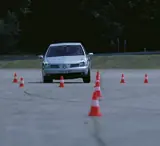
¿Qué sistema reduce el riesgo de bloqueo de las ruedas en caso de frenazo brusco?
Which system reduces the risk of the wheels locking under sudden braking?
- AEl servofreno.The brake servo.
- BLa tracción total.Four-wheel drive.
- CEl ABSABS.
ExplanationThe anti-lock braking system (ABS) stops the wheels from locking under sudden braking, so you can still steer. The brake servo only reduces the effort needed on the pedal, and four-wheel drive improves traction, not braking.
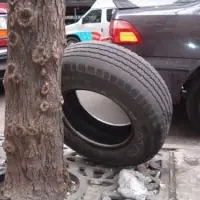
¿Con qué deben ser hinchados por lo general los neumáticos de un vehículo?
What should a vehicle's tyres generally be inflated with?
- AExclusivamente con nitrógeno.Only nitrogen.
- BCon aire u otro gas.Air or another gas.
- CCon helio comprimido.Compressed helium.
ExplanationTyres are generally inflated with air, although other gases, such as nitrogen, may be used. What matters is keeping the pressure recommended by the manufacturer and checking it regularly when the tyres are cold.
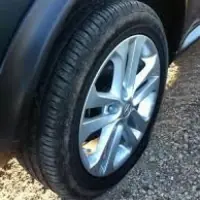
¿Pueden utilizarse neumáticos diferentes en cada una de las ruedas?
Can different tyres be used on each of the wheels?
- AAl menos los dos neumáticos izquierdos deben ser igualesAt least the two left-hand tyres must be the same
- BSi, pero los dos delanteros y los dos traseros al menos deben ser igualesYes, but at least the two front ones and the two rear ones must be the same
- CSi, todos pueden ser diferentesYes, they can all be different
ExplanationThe rules allow different types of tyre to be mixed, but never on the same axle. This means that on each axle of a vehicle (front and rear) the tyres fitted must be the same. Even so, having different tyres is not recommended, as road holding becomes noticeably worse, especially on wet or icy roads.
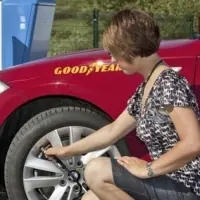
La presión de los neumáticos es correcta. Después de un viaje se da cuenta que han aumentado la presión. ¿Que debe de hacer?
The tyre pressure is correct. After a journey you notice that the pressure has gone up. What should you do?
- AMojar los neumáticos con agua para que se enfríen.Wet the tyres with water to cool them down.
- BQuitar aire de los neumáticos.Let air out of the tyres.
- CNo quitar aire de los neumáticos ya que se han calentado y generan más presión.Not let air out of the tyres, because they have warmed up and the pressure is higher.
ExplanationAs you drive, the tyres warm up and the pressure of the air inside them rises, which is normal. You must not let air out: when they cool down, the pressure goes back to its normal value and they would be underinflated. Pressure must always be checked with the tyres cold.
La banda de rodadura de un neumático es la zona..
The tread of a tyre is the part...
- AQue se adhiere al pavimento.That grips the road surface.
- BExterior del neumático.On the outside of the tyre.
- CInterior del neumático.On the inside of the tyre.
ExplanationThe tread is the part of the tyre that is in contact with the road surface and grips it. It carries the tread pattern, whose minimum legal depth is 1.6 mm for cars.
Después de un largo viaje, la presión del inflado de los neumáticos ha aumentado, ¿Qué debe hacer?
After a long journey, the tyre inflation pressure has gone up. What should you do?
- AEcharle agua después del viaje.Pour water on them after the journey.
- BVaciar la presión de los neumáticos y ponerlas en la recomendada por el fabricante.Let air out of the tyres and set them to the pressure recommended by the manufacturer.
- CNo hacer nada.Do nothing.
ExplanationIt is normal for the pressure to rise after a long journey, because the air in the tyres heats up. You should not let air out or cool them with water: the pressure must be checked and adjusted with the tyres cold, when it returns to its real value.
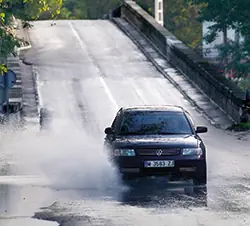
Si los frenos se mojan...
If the brakes get wet...
- APueden dejar de frenar, perdiendo temporalmente su eficacia.They may stop braking, temporarily losing their effectiveness.
- BSe estropean y deben cambiarse las zapatas o pastillas.They are damaged and the brake shoes or pads must be replaced.
- CSe frena en menos espacio.The vehicle stops in a shorter distance.
ExplanationWhen the brakes get wet, the water reduces friction between the pads or shoes and the disc or drum, and the brakes temporarily lose effectiveness. They recover if you brake gently and repeatedly to dry them; it is not permanent damage.
¿Cómo podemos disminuir la influencia del factor riesgo de un vehículo?
How can we reduce the influence of the vehicle as a risk factor?
- ARealizando un correcto mantenimiento periódico.By carrying out correct regular maintenance.
- BEstando el conductor en perfecto estado físico para conducir.By the driver being in perfect physical condition to drive.
- CPlanificando correctamente el itinerario antes de realizar un viaje.By planning the route correctly before a journey.
ExplanationCorrect maintenance of the vehicle can prevent accidents caused by mechanical faults, such as brake failure.
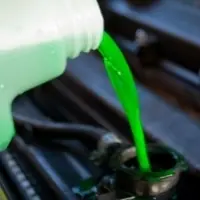
¿Cada cuánto aproximadamente se debe cambiar el líquido refrigerante en un vehículo?
Roughly how often should the coolant in a vehicle be changed?
- A5 añosEvery 5 years
- B10 añosEvery 10 years
- C2 añosEvery 2 years
ExplanationTo keep the cooling system in the best condition, you should check the coolant level regularly and frequently check the condition of the belt, hoses and clamps. You should also replace the coolant roughly every two years or when it is below the minimum level.
La suspensión y amortiguación forman parte de los elementos de la seguridad...
Suspension and shock absorbers are part of the vehicle's safety features of which type?
- Aactiva.Active.
- Bpasiva.Passive.
- Csecundaria.Secondary.
ExplanationSuspension and shock absorbers keep the tyres in contact with the road, so the vehicle stays stable, which helps to avoid accidents. So they are part of the vehicle's active safety systems.
¿Cuál es la profundidad mínima legal del dibujo de los neumáticos en turismos?
What is the legal minimum tyre tread depth for cars?
- A1,0 mm1.0 mm
- B1,6 mm1.6 mm
- C2,0 mm2.0 mm
ExplanationThe rules require a tyre tread depth of at least 1.6 mm to ensure grip.
La rueda motriz de una motocicleta es siempre...
The driving wheel of a motorcycle is always...
- ALa delantera o la trasera, según el fabricante.The front or the rear, depending on the manufacturer.
- BLa delantera.The front one.
- CLa trasera.The rear one.
ExplanationThe driving wheel of a motorcycle is always the rear one. This is the wheel that receives the power from the engine and moves the motorcycle when you accelerate.
Si usted circula llevando un neumático con la presión de aire demasiado baja, ¿qué parte de la banda de rodadura sufrirá mayor desgaste?
If you drive with a tyre whose air pressure is too low, which part of the tread will wear most?
- ALos dos lados.Both sides.
- BLa parte central.The centre.
- CSe desgastará por igual por el centro y por los lados.It will wear equally in the centre and at the sides.
ExplanationWith pressure that is too low, the tyre flattens and rests mainly on the edges of the tread, so both sides wear more. If the pressure is too high the opposite happens, and the centre wears more.
Si tiene que usar una rueda de repuesto temporal por un pinchazo, ¿qué debe tener en cuenta?
If you have to use a temporary spare wheel because of a puncture, what must you bear in mind?
- ANo debe conducir a más de 80 kilómetros por hora.You must not drive faster than 80 kilometres per hour.
- BNo debe recorrer más de 80 kilómetros con ella.You must not drive more than 80 kilometres with it.
- CNo debe conducir a más de 50 kilómetros por hora.You must not drive faster than 50 kilometres per hour.
ExplanationThe temporary-use (space-saver) wheel is only meant to get you to a garage. According to the DGT Category B Licence Manual, you can drive about 200 km on it at a maximum speed of 80 km/h, and the General Vehicle Regulations require these limits to be respected.

¿Cuál puede ser la causa de que el testigo de carga no se apague?
What could be the reason why the charging warning light does not go off?
- AQue la batería esté descargada.The battery is flat.
- BQue el alternador cargue correctamente.The alternator is charging correctly.
- CQue la correa que mueve el alternador esté rota.The belt that drives the alternator is broken.
ExplanationThe charging warning light shows that the alternator is not charging the battery. A typical cause is a broken alternator drive belt. With a flat battery the light would go off after starting, because the alternator would recharge it.
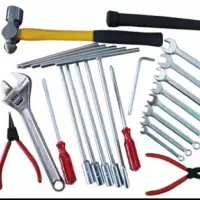
¿Cuál de éstas NO es una herramienta imprescindible para cambiar una rueda?
Which of these is NOT an essential tool for changing a wheel?
- ALlave de tuboWheel brace (box spanner)
- BLlave inglesaAdjustable spanner
- CGatoJack
ExplanationTo change a vehicle's wheel you need certain tools, which should be kept in the boot. You need a jack to lift the vehicle and a wheel brace (box spanner) to loosen the wheel nuts so the wheel can be removed easily. An adjustable spanner is therefore not essential.
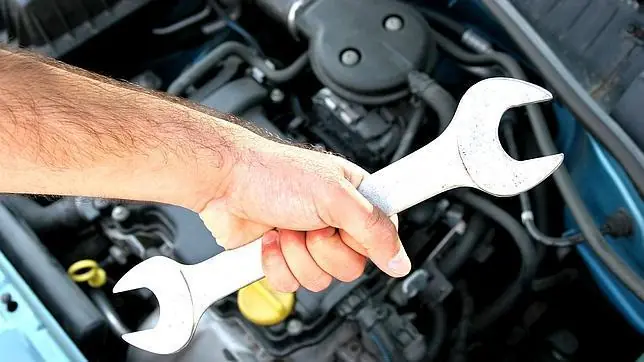
Un mantenimiento adecuado del vehículo...
Proper vehicle maintenance...
- Aelimina la probabilidad de sufrir un accidente.removes any chance of having an accident.
- Bpuede reducir la probabilidad de sufrir un accidente.can reduce the chance of having an accident.
- Cno reduce nunca la probabilidad de sufrir un accidente.never reduces the chance of having an accident.
ExplanationThe vehicle is the main cause of between 4% and 13% of road accidents. However, studies show that most accidents caused by mechanical failure could have been avoided if the driver had checked and maintained the vehicle properly.
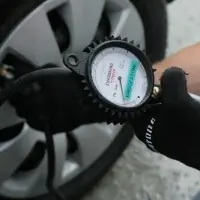
¿Con qué aparato se mide la presión de los neumáticos?
What instrument is used to measure tyre pressure?
- AManómetroManometer
- BPresiómetroPressiometer
- CInflómetroInflometer
ExplanationA manometer (pressure gauge), whether a home one or the one found in garages and petrol stations, is the instrument you should always use when you want to know the tyre pressure of your vehicle.
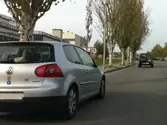
En un vehículo de tracción las ruedas que reciben la fuerza del motor son...
In a vehicle with 'tracción' drive, the wheels that receive the engine's power are...
- ALas traseras.the rear wheels.
- BLas delanteras.the front wheels.
- CLas 4 ruedas.all 4 wheels.
ExplanationIn Spanish driving terminology, in a 'tracción' vehicle the engine's power goes to the front wheels (front-wheel drive), while in a 'propulsión' vehicle it goes to the rear wheels (rear-wheel drive).
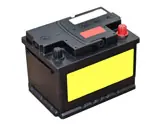
Si la batería de nuestro vehículo es de las denominadas "sin mantenimiento" deberemos...
If our vehicle's battery is of the so-called "maintenance-free" type, we must...
- ARellenarla periódicamente con agua destilada.Top it up regularly with distilled water.
- BSustituirla cada año aunque funcione bien.Replace it every year even if it works well.
- CComprobar que los bornes estén limpios y bien apretados.Check that the terminals are clean and tight.
ExplanationWith a so-called "maintenance-free" battery, we do not need to worry about the electrolyte, that is, the mixture of distilled water and sulphuric acid. We only need to check that the terminals are fixed tightly, clean and covered with grease.
Ante el reventón de un neumático en marcha, la conducta correcta es:
If a tyre bursts while you are driving, the correct thing to do is:
- AFrenar bruscamente y girar con fuerza.Brake sharply and steer hard.
- BSujetar firmemente el volante, levantar el pie del acelerador y detenerse poco a poco.Hold the steering wheel firmly, take your foot off the accelerator and stop gradually.
- CAcelerar para estabilizar el coche.Accelerate to stabilise the car.
ExplanationIf a tyre bursts, you must not brake suddenly; keep control of the steering, slow down smoothly and stop in a safe place.
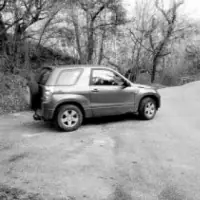
¿Existen vehículos con las cuatro ruedas directrices?
Are there vehicles in which all four wheels are steering wheels?
- ANo, solo las ruedas delanteras pueden ser directricesNo, only the front wheels can steer
- BSi, existen vehículos con dirección a las cuatro ruedasYes, there are vehicles with four-wheel steering
- CNo, solo las ruedas traseras pueden ser directricesNo, only the rear wheels can steer
ExplanationOn the market there are both vehicles in which two of the four wheels steer and others with four-wheel steering.
Ud. deberá cambiar obligatoriamente los neumáticos de su turismo, para poder circular por las vías públicas, cuando la profundidad de las ranuras de la banda de rodamiento sea inferior a...
To be allowed to drive on public roads, you must change the tyres of your car when the depth of the tread grooves is less than...
- A2,5 milímetros.2.5 millimetres.
- B2 milímetros.2 millimetres.
- C1,6 milímetros.1.6 millimetres.
ExplanationThe correct option is 1.6 millimetres. This is the minimum tread depth that tyres must have to ensure proper grip and safe driving. If the tyres have less than 1.6 millimetres of tread, they are considered to be in poor condition and can compromise the vehicle's safety.
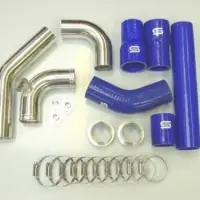
¿Qué parte del sistema de refrigeración conduce el líquido desde el motor al radiador?
Which part of the cooling system carries the coolant from the engine to the radiator?
- ALos manguitosThe hoses
- BEl ventiladorThe fan
- CEl termostatoThe thermostat
ExplanationThe hoses are rubber parts of the cooling system that carry the coolant from the engine to the radiator and back. They cause many serious breakdowns through engine overheating and must be checked often.
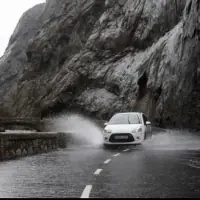
¿Qué elemento del neumático hace que el agua del pavimento se desplace hacia los lados?
Which part of the tyre pushes the water on the road surface out to the sides?
- ALaminillasSipes
- BTubelessTubeless
- CMSMS
ExplanationSipes are small cuts in the tread pattern that, together with the grooves, collect water from the road and push it out to the sides, keeping the tyre in contact with the asphalt. Tubeless means a tyre without an inner tube, and MS means a mud and snow tyre.
¿Cada cuánto tiempo cambiaremos los neumáticos del vehículo?
How often should we change the vehicle's tyres?
- ACada 10.000 km aproximadamente.About every 10,000 km.
- BCada 5 años.Every 5 years.
- CCada 10 años.Every 10 years.
ExplanationA vehicle's tyres wear out with use, but they also age over time. A tyre more than 5 years old will have hardened, and its grip will be lower.
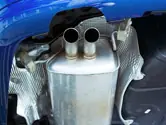
Cuando se estropea el tubo de escape, ¿qué sucede?
What happens when the exhaust pipe is damaged?
- AEl vehículo hace más ruido.The vehicle makes more noise.
- BDisminuye el ruido.The noise decreases.
- CEl vehículo consume más combustible.The vehicle uses more fuel.
ExplanationWhen the exhaust pipe is damaged, you can tell it is not working properly just by looking at it, or because the engine makes much more noise than before it was damaged.
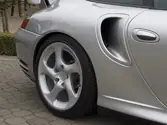
Si los amortiguadores de su turismo están en mal estado, ¿qué puede ocurrir?
If the shock absorbers on your car are in poor condition, what can happen?
- AQue la dirección se vuelva dura en su accionamiento.The steering may become heavy to turn.
- BQue la distancia de frenado disminuye en un 40%.The braking distance may decrease by 40%.
- CLa distancia de frenado aumentará peligrosamente.The braking distance will increase dangerously.
ExplanationIf the shock absorbers are in poor condition, the tyre is not in constant contact with the road surface, so it bounces slightly when you brake. This increases the braking distance, and the vehicle travels more metres while braking.
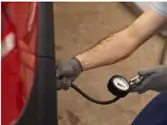
Comprobaremos la presión de los neumáticos...
We will check the tyre pressure...
- AEstando los neumáticos calientes.With the tyres hot.
- BHabiendo recorrido como máximo 2 o 3 kilómetros a velocidad moderada.After driving no more than 2 or 3 kilometres at moderate speed.
- CDespués de haber recorrido 10 kilómetros como mínimo.After driving at least 10 kilometres.
ExplanationThe tyres must be cold to check their pressure. Otherwise, the gauge reading will be wrong, because heat makes the pressure rise.
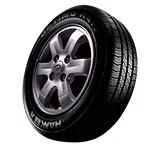
Cuando la goma de un neumático se endurece por envejecimiento, ¿es peligroso?
When the rubber of a tyre hardens with age, is it dangerous?
- ASí, porque el vehículo puede derrapar por falta de agarre.Yes, because the vehicle may skid due to lack of grip.
- BNo, porque la goma dura se agarra mejor a la calzada.No, because hard rubber grips the road better.
- CSí, pero sólo cuando la calzada está mojada.Yes, but only when the road is wet.
ExplanationAged, hardened rubber loses elasticity and grip on the road surface, in both dry and wet conditions: the vehicle may skid and the braking distance increases. That is why tyres should be checked even if they have enough tread.
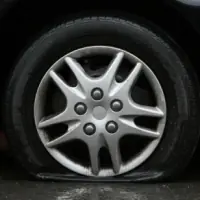
¿Qué ocurre cuando la presión de las ruedas está descompensada a los lados?
What happens when the tyre pressures on the two sides are unequal?
- ALa frenada es mas regular y se circula más rectoBraking is more even and the vehicle travels straighter
- BLas reacciones del vehículo se hacen más previsiblesThe vehicle's reactions become more predictable
- CSe reduce la seguridad del vehículoThe vehicle's safety is reduced
ExplanationWhen the tyre pressures on the two sides of a vehicle are unequal, the vehicle's reactions are unpredictable, braking is uneven and stability is reduced, which compromises and reduces the vehicle's safety.
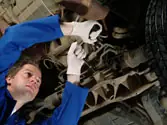
¿Qué sucede cuando el ralentí del motor está muy alto?
What happens when the engine's idling speed is very high?
- AQue el motor va más rápido y consume más.The engine runs faster and uses more fuel.
- BQue el motor va más rápido y consume menos.The engine runs faster and uses less fuel.
- CQue consume igual que si no estuviese alto.It uses the same amount of fuel as if it were not high.
ExplanationIdling is the engine's lowest running speed when we are not pressing the accelerator. It can run faster or slower. The faster it runs, the more fuel the engine uses, so the slower it runs, the less fuel it uses.
Cuando Ud. circule con su turismo por las vías públicas es obligatorio que la profundidad de las ranuras principales de los neumáticos de su turismo tengan una profundidad de, al menos...
When you drive your car on public roads, the main grooves of its tyres must have a depth of at least...
- A1 milímetro.1 millimetre.
- B1,6 milímetros.1.6 millimetres.
- C2 milímetros.2 millimetres.
Explanation1.6 millimetres is correct because it is the minimum legal tread depth for car tyres in most countries. This depth ensures that the tyres perform well on the road, giving proper grip and safety when driving, especially in bad conditions.
¿Cuándo se producen más reventones de neumáticos?
When do most tyre blowouts happen?
- AEn verano.In summer.
- BEn invierno, debido a las bajas temperaturas.In winter, because of low temperatures.
- CCuando la calzada está mojada, debido a la lluvia, niebla, etc.When the road is wet because of rain, fog, etc.
ExplanationBlowouts are more frequent in summer, because the high temperature of the road surface and the air heats the tyre and increases its internal pressure, especially if it is underinflated, overloaded or driven at high speed on long journeys.
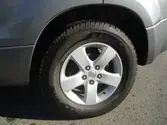
Si los neumáticos del vehículo tienen más presión que la recomendada por el fabricante...
If the vehicle's tyres have a higher pressure than the manufacturer recommends...
- AEl vehículo tendrá mayor adherencia.The vehicle will have more grip.
- BEl vehículo tendrá menor adherencia.The vehicle will have less grip.
- CEl vehículo tendrá una mejor capacidad de frenado.The vehicle will brake better.
ExplanationTyre pressure must always be the one recommended by the manufacturer. When the pressure is HIGHER than recommended: - The contact area with the road is smaller, and so is the grip. - The tyres wear more in the centre of the tread. - The vehicle absorbs bumps in the road less well. When the pressure is LOWER than recommended: - Grip is reduced. - The tyres wear more at the sides of the tread. - Fuel consumption increases.
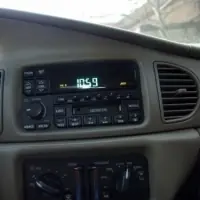
¿Por qué circuito pasa la energía de la batería a las luces o la radio?
Through which circuit does energy from the battery go to the lights or the radio?
- ACircuito de encendidoIgnition circuit
- BCircuito de cargaCharging circuit
- CCircuito de iluminación y variosLighting and accessories circuit
ExplanationAll electrical components (lights, radio, alarm, etc.) take the energy they need from the battery, and this energy passes through the lighting circuit to reach them.
Un vehículo de ruedas con motor de combustión interna puede ser considerado una motocicleta...
A wheeled vehicle with an internal combustion engine may be considered a motorcycle...
- ACuando pueda desarrollar una velocidad máxima superior a los 40 km/h.When it can reach a maximum speed of more than 40 km/h.
- BCuando la cilindrada del motor sea superior a los 50 cm³.When its engine capacity is more than 50 cm³.
- CCuando pueda transportar dos personas.When it can carry two people.
ExplanationAccording to the definitions in Annex II of the General Vehicle Regulations, a two-wheeled motorcycle has an engine capacity of more than 50 cm³, if it is an internal combustion engine, and/or a maximum design speed of more than 45 km/h. Having more than 50 cm³ is enough; the speed threshold is 45 km/h, not 40.
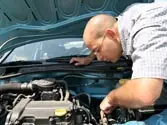
¿Qué haremos con el aceite usado de nuestro vehículo si lo cambiamos nosotros mismos?
What should we do with our vehicle's used oil if we change it ourselves?
- ATirarlo a la alcantarilla o desagüe.Pour it down the drain.
- BEnterrarlo a 1,5 metros bajo tierra.Bury it 1.5 metres underground.
- CLlevarlo a un centro de recuperación de aceite.Take it to an oil recovery centre.
ExplanationWhen we change our vehicle's oil, we must take the used oil drained from the engine to a recovery centre.
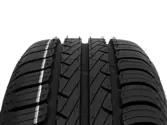
¿Cuál es el grosor mínimo legal que debe tener el dibujo del neumático?
What is the minimum legal tread depth of a tyre?
- A1,6 mm.1.6 mm.
- B3 mm.3 mm.
- C8 mm.8 mm.
ExplanationThe minimum legal tread depth of a tyre is 1.6 mm.
All topics
- Definitions
- Documents and penalty points
- The driver's condition
- Duties of drivers and pedestrians
- Vehicle safety devices
- Vehicle controls and equipment
- Vehicle lights and horn
- Traffic signs, markings and signals
- The road and its lanes
- Speed and distances
- Manoeuvres
- Right of way
- Carrying passengers and loads
- Driving safely in difficult conditions
- Road accidents and first aid
- Defensive and eco-driving
Independent app: not affiliated with or endorsed by the DGT (Spain's Directorate-General for Traffic) or the Ministry of the Interior. The official exam is booked with the DGT and taken at its test centres. The questions here are practice material; the DGT's official question bank is not public.
Basado en datos de la Agencia Estatal Boletín Oficial del Estado (https://www.boe.es). Textos consolidados de carácter meramente informativo. La AEBOE no patrocina ni respalda este sitio.
Parte de las preguntas procede de los tests de la revista «Tráfico y Seguridad Vial» de la DGT, reproducidos con indicación de la fuente.