
DGT test · 539 questions
Vehicle mechanics and maintenance · Page 7 of 11
Engine, brakes, steering, suspension and tyres: how they work and what maintenance prevents breakdowns and crashes.
Questions in this topic, with answers
539 questions, 50 per page, with the correct answer and the explanation. Page 7 of 11.
Cuando la presión de los neumáticos es inferior a la correcta...
When the tyre pressure is lower than correct...
- ASe consume menos combustible.Less fuel is used.
- BSe consume más combustible.More fuel is used.
- CEl vehículo es más estable en las rectas.The vehicle is more stable on straight roads.
ExplanationIf the tyre pressure is lower than the correct pressure recommended by the manufacturer, more fuel will be used because there is more friction between the vehicle and the road.
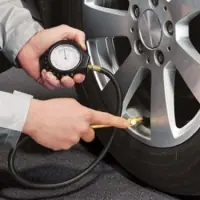
¿Qué presión tienen que tener los neumáticos?
What pressure must the tyres have?
- ASiempre una presión superior a la recomendada por el fabricante para ese tipo de neumático.Always a pressure higher than the one recommended by the manufacturer for that type of tyre.
- BDeben tener siempre la presión recomendada por el fabricante para ese tipo de neumático.They must always have the pressure recommended by the manufacturer for that type of tyre.
- CUna presión diferente en cada eje del vehículo a elección del conductor.A different pressure on each axle of the vehicle, as the driver chooses.
ExplanationA vehicle's tyres must always be inflated to the pressure recommended by the manufacturer for that type of vehicle. This pressure depends on the size of each tyre, the mass each axle carries and the behaviour of each type of vehicle.
¿Se puede montar en el vehículo un neumático con un código de velocidad mayor que el recomendado por el fabricante?
Can a tyre with a higher speed rating than the one recommended by the manufacturer be fitted to the vehicle?
- ASí.Yes.
- BNo.No.
- CNo, debe ser exactamente el recomendado.No, it must be exactly the one recommended.
ExplanationA tyre fitted to the vehicle must have a speed rating at least equal to the one recommended by the manufacturer, or higher, never lower.
¿Cada cuándo es recomendable cambiar los neumáticos?
How often is it advisable to change the tyres?
- ACada 5.000 km.Every 5,000 km.
- BCuando están más desgastados por los flancos.When they are more worn on the sidewalls.
- CCuando tengan 5 años desde su fabricación.When they are 5 years old from their date of manufacture.
ExplanationOver time, the rubber that tyres are made of hardens and loses grip, so even if the tread is fine, it is advisable to change them every five years.
La varilla indicadora del nivel de aceite tiene dos marcas que indican el nivel máximo y mínimo, debiendo encontrarse el nivel entre las dos, ¿como sabremos que dicho nivel es el correcto?
The oil dipstick has two marks showing the maximum and minimum level, and the level must be between them. How will we know that the level is correct?
- AObservando en el salpicadero del vehículo que la luz de aceite está encendida.By seeing on the dashboard that the oil light is on.
- BObservando en el salpicadero del vehículo que la luz de aceite está apagada.By seeing on the dashboard that the oil light is off.
- CExtrayendo la varilla del cárter.By pulling the dipstick out of the sump.
ExplanationThe oil light on the dashboard shows the oil pressure, not the oil level.
La bicicleta de pedaleo asistido conserva la consideración de ciclo si el motor deja de asistir cuando se alcanzan los...
A pedal-assisted bicycle is still considered a cycle if the motor stops assisting when it reaches...
- A25 km/h.25 km/h.
- B30 km/h.30 km/h.
- C20 km/h.20 km/h.
ExplanationThe assistance must cut out at 25 km/h. Above that limit it would no longer be an ordinary bicycle.
Llevar los neumáticos con una presión inferior a la recomendada:
Driving with a tyre pressure lower than recommended:
- AReduce el consumo y el desgaste.Reduces fuel consumption and wear.
- BAumenta el consumo y el desgaste y empeora la estabilidad y el frenado.Increases fuel consumption and wear and makes stability and braking worse.
- CNo influye en nada.Has no effect at all.
ExplanationLow pressure increases fuel consumption and wear on the sidewalls, heats up the tyre and makes stability and braking worse.
En el caso de que tenga que circular con una rueda de repuesto de uso temporal, la velocidad que no debo superar es de...
If you have to drive on a temporary-use spare wheel, the speed I must not exceed is...
- A90 Km/hora.90 km/h.
- B80 Km/hora.80 km/h.
- C100 km/hora.100 km/h.
ExplanationTemporary-use spare wheels, narrower than normal ones, are designed for short use at reduced speed: you must not exceed 80 km/h. It should be replaced with a normal wheel as soon as possible.
Cuando se desgastan las pastillas de freno, ¿qué sucede?
What happens when the brake pads wear?
- AEl nivel del líquido de frenos bajará.The brake fluid level will drop.
- BEl desgaste de las pastillas de freno no afecta para nada al nivel del líquido de frenos.Brake pad wear does not affect the brake fluid level at all.
- CEl freno trabajará a una temperatura menor.The brake will work at a lower temperature.
ExplanationWorn brake pads have to travel further to reach the disc, so the brake fluid has to fill the space left by the pad wear, and the fluid level drops.
En caso de fallo en el freno de servicio y de socorro, ¿podemos accionar el freno de mano?
If the service brake and the emergency brake fail, may we use the handbrake?
- ASí.Yes.
- BSolo con el vehículo completamente parado.Only with the vehicle completely stopped.
- CNo.No.
ExplanationWe use the handbrake when parking, to make sure the vehicle stays stationary, to move off on a slope, and if the service and emergency brakes fail.
La presión de los neumáticos la comprobaremos con...
We will check the tyre pressure with...
- ALos neumáticos fríos.The tyres cold.
- BLos neumáticos calientes.The tyres hot.
- CEs indiferente, pueden estar calientes o fríos.It makes no difference, they can be hot or cold.
ExplanationWe must check the tyre pressure when the tyres are cold, because if we did it when they are hot, the pressure gauge would show more pressure than the real one.
La suspensión correcta del vehículo sirve para:
The vehicle's suspension, when in good order, serves to:
- AMantener las ruedas en contacto con el suelo.Keep the wheels in contact with the ground.
- BMantener el vehículo inmovilizado.Keep the vehicle stationary.
- CTransmitir el movimiento del motor a las ruedas.Pass the engine's movement to the wheels.
ExplanationA vehicle's suspension is a system that keeps the vehicle in contact with the road, giving the best grip and stability on bends, when braking and when accelerating. It is designed to absorb and cushion impacts from the ground, which gives better control of the vehicle. The correct answer is keeping the wheels in contact with the ground, because this makes sure the vehicle always stays in contact with the road, which is essential for road safety.
¿Es obligatorio llevar en un turismo una rueda de repuesto?
Is it compulsory for a car to carry a spare wheel?
- ANo, si lleva un sistema alternativo para el cambio de la rueda como un kit antipinchazos.No, if it carries an alternative system to changing the wheel, such as a puncture repair kit.
- BSí.Yes.
- CSólo es obligatoria para los vehículos de de M.M.A. superior a 3.500 kg.It is only compulsory for vehicles with a MAM of more than 3,500 kg.
ExplanationMotor vehicles and vehicle combinations on the road must carry among their accessories a complete spare wheel, a puncture repair kit or any other alternative to changing the wheels that gives enough guarantee that the vehicle can keep moving.
Si circulamos con la rueda de repuesto de uso temporal, debemos saber que...
If we are driving with a temporary-use spare wheel, we should know that...
- ASe debe hinchar a la máxima presión recomendada por el fabricante.It must be inflated to the maximum pressure recommended by the manufacturer.
- BNos adaptaremos a las limitaciones de velocidad y kilometraje indicados en la misma rueda.We will keep to the speed and distance limits shown on the wheel itself.
- CCircularemos con ella sin ninguna precaución especial.We will drive with it without any special precautions.
ExplanationA temporary-use spare wheel is for driving to the nearest place where the wheel can be repaired. The maximum speed and the maximum distance you can drive with it are usually shown on the wheel itself.
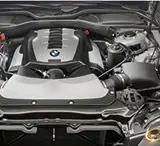
El filtro del aire, ¿para qué sirve?
What is the air filter for?
- APara limpiar el aire que enfría el motor.To clean the air that cools the engine.
- BPara limpiar el aire que se mezcla con el combustible.To clean the air that is mixed with the fuel.
- CPara limpiar el aire de la calefacción.To clean the air for the heating.
ExplanationThe air filter holds back dust and particles from the air entering the engine to be mixed with the fuel. If it is dirty, the engine gets less air, loses power and uses more fuel. It has nothing to do with cooling or heating.
En una bajada, ¿qué debes hacer para que los frenos no se calienten?
On a downhill slope, what should you do to stop the brakes overheating?
- ACambiar a una marcha más alta.Change to a higher gear.
- BCambiar a una marcha más baja.Change to a lower gear.
- CAccionar el freno de mano.Apply the handbrake.
ExplanationOn long descents you must use engine braking by engaging a lower gear, and help it with the footbrake used intermittently. That way the brakes do not overheat or lose effectiveness; the handbrake is not used to control speed.
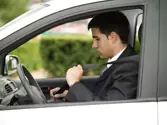
Iniciaremos la marcha con un motor diésel ...
With a diesel engine, we will drive off...
- AInmediatamente después de arrancar el motor.Immediately after starting the engine.
- BEsperaremos unos segundos.We will wait a few seconds.
- CEsperaremos 10 minutos.We will wait 10 minutes.
ExplanationIn modern vehicles there is no need to press the accelerator to start the engine. With petrol engines, we will drive off after starting the engine; this way we avoid using fuel while idling (the lowest engine speed the engine needs so as not to stall when we are not accelerating). With diesel engines it is advisable to wait a few seconds before driving off so that lubrication is adequate.
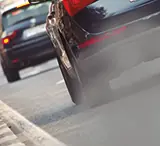
¿Es conveniente hacer una revisión exhaustiva del estado del vehículo si el humo que despide el tubo de escape es de color negro?
Is it advisable to have the vehicle thoroughly checked if the smoke coming out of the exhaust pipe is black?
- ASí, porque el motor puede estar quemando aceite.Yes, because the engine may be burning oil.
- BNo, porque solo es un problema de refrigeración que suele desaparecer.No, because it is only a cooling problem that usually goes away.
- CSí, porque en este caso puede deberse a una mala combustión.Yes, because in this case it may be due to poor combustion.
ExplanationBlack smoke from the exhaust usually shows poor combustion, because of too much fuel or not enough air, for example because of a dirty air filter or faulty injectors. It should be checked because it increases fuel consumption and pollution. Bluish smoke is the one that shows oil is being burnt.
Llevar menos presión de la recomendada por el fabricante en pavimento con agua ...
Having less pressure than the manufacturer recommends on a wet road surface...
- AAyuda a la adherencia del neumático con el asfalto.Helps the tyre grip the road surface.
- BFavorece que aparezca el efecto aquaplaning.Makes aquaplaning more likely.
- CDisminuye que aparezca el efecto aquaplaning.Makes aquaplaning less likely.
ExplanationRain reduces the grip of the tyres on the road. Not having the pressure recommended by the manufacturer can lead to even more loss of grip and so make aquaplaning more likely. Whether aquaplaning happens will depend on how much water the tyres can clear, measured in litres per second, and on the speed we are driving at. The higher the speed, the less time the tyres have to clear the water from the road, which increases the likelihood of aquaplaning.
En una motocicleta, ¿dónde se encuentra el embrague?
On a motorcycle, where is the clutch?
- AEn el pedal del pie derecho.On the right foot pedal.
- BEn el lado derecho del manillar.On the right-hand side of the handlebar.
- CEn el lado izquierdo del manillar.On the left-hand side of the handlebar.
ExplanationOn a motorcycle with a manual gearbox, the clutch is a lever on the left-hand side of the handlebar, operated with the left hand. On the right-hand side of the handlebar is the front brake lever, and the right foot pedal is the rear brake.
En caso de nieve o hielo, las cadenas se colocan siempre en los neumáticos montados...
In snow or ice, chains are always fitted to the tyres on...
- AEn las ruedas motrices, estén colocadas en el eje delantero o en el eje trasero.The driving wheels, whether they are on the front axle or the rear axle.
- BEn las ruedas delanteras, sean o no motrices.The front wheels, whether or not they are driving wheels.
- CEn las ruedas traseras, sean o no motrices.The rear wheels, whether or not they are driving wheels.
ExplanationChains are fitted to the driving wheels, whether they are on the front axle or the rear axle, because these are the wheels that receive the engine's power and move the car when we accelerate. Fitting chains to the driving wheels improves the vehicle's traction and grip in snow or ice, which helps to keep control and stability when driving.
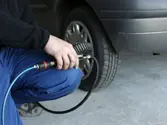
Revisaremos la presión de los neumáticos...
We will check the tyre pressure...
- AEn frío, después de rodar la mínima distancia posible.Cold, after driving the shortest possible distance.
- BEn caliente, después de un viaje.Hot, after a journey.
- CEs indiferente.It makes no difference.
ExplanationWe will check the pressure cold, because if we do it hot, the pressure gauge will show a higher reading than with the tyres cold.
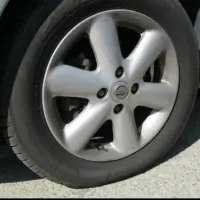
¿Qué problema puede ocasionar un neumático poco inflado?
What problem can an under-inflated tyre cause?
- ADurar más años al no tener tanto aire en su interiorLasting more years because it has less air inside
- BReventar al calentarse demasiadoBursting because it gets too hot
- CReventar al no estar lo suficientemente calienteBursting because it is not hot enough
ExplanationThe driver of a vehicle must check their vehicle's tyres often and inflate them if necessary, because an under-inflated tyre can burst if it gets too hot. A tyre with too little air will never last more years than a correctly inflated one.
El nivel del aceite lo comprobaremos periódicamente con el motor...
We will regularly check the oil level with the engine...
- AFrío.Cold.
- BCaliente.Hot.
- CFrío o caliente, lo importante es que esté en terreno llano.Cold or hot; what matters is that it is on level ground.
ExplanationWe must regularly check that the oil level is between the maximum and minimum marks. We will do it with the engine cold and on level ground.
¿Debe llevar obligatoriamente en su turismo una rueda de repuesto y herramientas para su cambio?
Must you carry a spare wheel and tools to change it in your car?
- ASi, es siempre, un repuesto obligatorio en los turismos.Yes, it is always a compulsory spare in cars.
- BNo siempre, ya que esta se puede sustituir por un kit de reparación de pinchazos.Not always, because it can be replaced by a puncture repair kit.
- CSi, pudiendo ser de uso permanente o temporal.Yes, and it can be for permanent or temporary use.
ExplanationAmong their compulsory spares and accessories, cars must carry a spare wheel or a temporary-use wheel, with the tools needed to change the wheels, or an alternative to changing them that gives enough guarantee that the vehicle can keep moving.
¿Cuál será la profundidad mínima del dibujo de los neumáticos para poder circular?
What is the minimum tyre tread depth for driving?
- A1,8 milímetros.1.8 millimetres.
- B2 milímetros.2 millimetres.
- C1,6 milímetros.1.6 millimetres.
ExplanationThe depth of the main grooves in the tyre tread must be at least 1.6 millimetres.
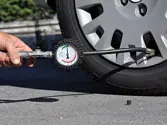
En un viaje largo y circulando con el vehículo a plena carga, ¿es recomendable hinchar los neumáticos a la máxima presión recomendada por el fabricante de los neumáticos?
On a long journey with the vehicle fully loaded, is it advisable to inflate the tyres to the maximum pressure recommended by the tyre manufacturer?
- ASí.Yes.
- BNo.No.
- CNo, hay que reducir la presión para mejorar la adherencia.No, you should lower the pressure to improve grip.
ExplanationManufacturers usually give several tyre pressure values depending on the load the tyres will carry. The maximum pressure recommended by the manufacturer is used when driving on a motorway at high speeds or with the vehicle fully loaded.
La presión de los neumáticos...
The tyre pressure...
- ADeberá comprobarse exclusivamente en el taller.Must be checked only at a garage.
- BSerá la recomendada por el fabricante y debemos controlarla una o dos veces al mes.Must be the one recommended by the manufacturer, and we should check it once or twice a month.
- CSe mantiene siempre constante por lo que no es necesario comprobarla.Always stays the same, so there is no need to check it.
ExplanationWe will check the tyre pressure at least once or twice a month. We will always keep to the pressure recommended by the manufacturer.
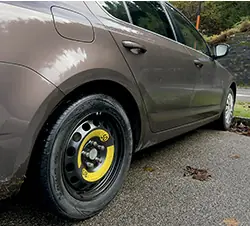
Si se ve obligado a circular con una rueda de repuesto de uso temporal o de emergencia, ¿qué debe tener en cuenta?
If you have to drive with a temporary-use or emergency spare wheel, what must you bear in mind?
- ALas indicaciones de los fabricantes de este tipo de repuestos.The instructions of the manufacturers of this type of spare wheel.
- BQue si está homologada su duración es la misma que la de una rueda normal.That if it is approved, it lasts as long as a normal wheel.
- CQue su presión debe ser superior a la de las otras tres ruedas.That its pressure must be higher than that of the other three wheels.
ExplanationTemporary-use wheels have their own limits on speed, distance and pressure: you must follow the manufacturer's instructions and replace it with a normal wheel as soon as possible.
¿Debemos sustituir periódicamente el líquido de frenos de nuestro vehículo?
Should we change our vehicle's brake fluid regularly?
- ANo, únicamente revisaremos con frecuencia su nivel, por si ha disminuido.No, we will only check its level often, in case it has dropped.
- BSí, lo sustituiremos completamente siguiendo los plazos indicados por el fabricante del vehículo.Yes, we will replace it completely at the intervals stated by the vehicle manufacturer.
- CSí, cada vez que se cambien las pastillas de freno.Yes, every time the brake pads are changed.
ExplanationOver time, brake fluid loses some of its properties, so we must replace it completely at the intervals stated by the vehicle manufacturer.
Un turismo debe llevar las herramientas indispensables para...
A car must carry the essential tools to...
- Ael cambio de la rueda de repuesto.change the wheel for the spare wheel.
- Befectuar pequeñas reparaciones.carry out small repairs.
- Cel cambio de manguitos, correas y bujías.change hoses, belts and spark plugs.
ExplanationCars, mixed-use vehicles and goods vehicles with a MAM of no more than 3,500 kg must carry the following accessories, spares and tools: - An approved high-visibility vest. - A hazard warning device: a yellow, self-powered (battery) device with geolocation, placed as high as possible on the immobilised vehicle so that it can be seen as well as possible. - A complete spare wheel, or a temporary-use one, with all the tools needed to change it.
En una motocicleta que dispone de una correa como elemento de transmisión de la fuerza del motor, la fuerza del motor se transmite a la rueda...
On a motorcycle that uses a belt to transmit the engine's power, the engine's power goes to the...
- ADelantera.Front wheel.
- BTrasera.Rear wheel.
- CDelantera o trasera, dependiendo del modelo de motocicleta.Front or rear wheel, depending on the motorcycle model.
ExplanationThe correct answer is the rear wheel because, on a motorcycle that uses a belt to transmit the engine's power, the belt is usually connected to the rear wheel. This allows the engine's power to go directly to the rear wheel, which drives the motorcycle forwards.
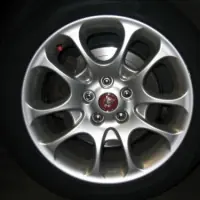
¿Cuál es el tipo de neumáticos más utilizados en la actualidad?
What type of tyre is most used today?
- ANeumáticos radialesRadial tyres
- BNeumáticos diagonalesBias-ply (cross-ply) tyres
- CNeumáticos diagonales cinturadosBelted bias-ply tyres
ExplanationToday the most used tyres are radial tyres, in which the plies of the casing run from bead to bead in a radial direction. They give better grip, stability and life and lower fuel consumption than bias-ply tyres, which are now hardly used.
¿Debe usted comprobar la presión de inflado de los neumáticos sin cámara?
Should you check the inflation pressure of tubeless tyres?
- ANo.No.
- BNo, porque los neumáticos sin cámara no pierden presión.No, because tubeless tyres do not lose pressure.
- CSí.Yes.
ExplanationAll tyres, including tubeless ones, lose pressure over time, and incorrect pressure worsens grip, braking and wear. That is why you should check the inflation pressure at least once a month, including the spare wheel.
Si los amortiguadores de tu coche están en mal estado, ¿qué puede pasar?
If your car's shock absorbers are in poor condition, what can happen?
- ALa dirección se volverá dura al girar.The steering will become heavy when turning.
- BLa distancia de frenado aumentará un 40%.The braking distance will increase by 40%.
- CLa distancia de frenado aumentará peligrosamente.The braking distance will increase dangerously.
ExplanationShock absorbers in poor condition seriously affect the vehicle's stability and increase the braking distance. They are essential for keeping the wheels gripping the road surface, especially on bends and in emergency braking. When the shock absorbers are worn, the car can sway more than normal and the tyres lose grip, which leads to a dangerous increase in braking distance. This is particularly critical on wet or slippery surfaces, where loss of traction can cause skids.
Una motocicleta, ¿puede circular sin tubo de escape?
May a motorcycle be ridden without an exhaust pipe?
- ANo, porque está prohibido.No, because it is prohibited.
- BSí, cuando la motocicleta es deportiva.Yes, when it is a sports motorcycle.
- CNo, porque se rompe el motor.No, because the engine will break.
ExplanationArticle 7.2 of the General Traffic Regulations prohibits driving motor vehicles and mopeds with a so-called open exhaust, that is, without the required silencer, on roads both in and outside built-up areas. There is no exception for sports motorcycles.
Al poner en marcha un motor diesel, ¿qué haremos?
When starting a diesel engine, what will we do?
- AIniciar la marcha inmediatamente.Drive off immediately.
- BDar pequeños acelerones para calentar el motor.Rev the engine in short bursts to warm it up.
- CEsperar unos segundos antes de iniciar la marcha.Wait a few seconds before driving off.
ExplanationWhen we start a diesel engine, we should wait a few seconds before driving off so that the oil lubricates all the parts properly. With a petrol engine we can drive off immediately.
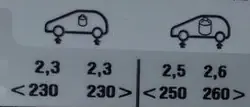
Si la rueda de repuesto es igual al resto de las ruedas del vehículo, ¿qué presión de inflado debe llevar?
If the spare wheel is the same as the vehicle's other wheels, what inflation pressure should it have?
- AUna presión más baja que las demás, porque no se utiliza.A lower pressure than the others, because it is not used.
- BLa misma que recomienda el fabricante para el resto de las ruedas.The same pressure the manufacturer recommends for the other wheels.
- CLa más alta de las recomendadas por el fabricante.The highest of the pressures recommended by the manufacturer.
ExplanationManufacturers usually recommend different pressures depending on the axle and the load. The spare wheel should have the highest of them, because it is always easier to let air out than to add it if the wheel has to be fitted in any position.
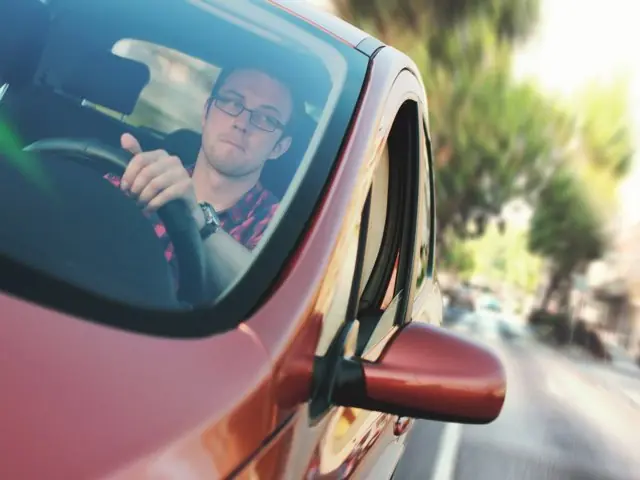
¿Cuál es de estas personas es conductor?
Which of these people is a driver?
- ALa persona que controla la dirección del vehículo o que es el responsable.The person who controls the vehicle's steering or who is in charge of it.
- BLa persona que camina empujando un ciclo o ciclomotor de 2 ruedas.The person walking and pushing a cycle or a two-wheeled moped.
- CLa persona que lleva el volante cuando aprende a conducir.The person at the wheel when learning to drive.
ExplanationA driver is the person who controls the steering or is in control of the vehicle. In driving school vehicles, the driver is the person in charge of the additional controls, not the learner. A person walking and pushing a bicycle or a two-wheeled moped is considered a pedestrian.
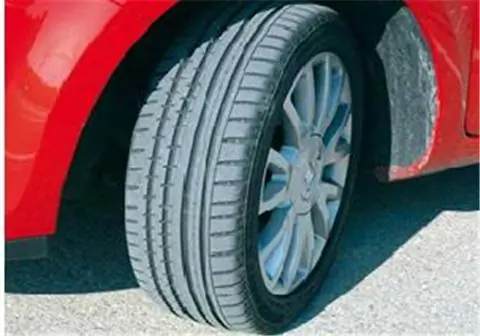
En caso de decidir poner unos neumáticos de invierno, ¿cuándo deberá cambiar los neumáticos de verano por unos de invierno?
If you decide to fit winter tyres, when should you change your summer tyres for winter ones?
- AComo muy tarde a principios de diciembre.At the start of December at the latest.
- BCuando la temperatura ambiente caiga por debajo de 7 grados centígrados. aproximadamente.When the outside temperature drops below about 7 degrees Celsius.
- CTan pronto como caigan las primeras nieves.As soon as the first snow falls.
ExplanationWinter tyres use a rubber that stays flexible in the cold, so it is recommended to fit them when the temperature is usually below about 7 °C. Below that figure, the rubber of summer tyres hardens and loses grip, even if there is no snow.
Cuando la presión de inflado de los neumáticos de su camión es superior a la recomendada...
When the tyre pressure of your lorry is higher than recommended...
- AAumentará la adherencia.Grip will increase.
- BContribuirá en mayor medida al deterioro de los órganos de suspensión del vehículo.It will do more damage to the vehicle's suspension parts.
- CSe desgastarán más y más deprisa por los bordes o flancos.The tyres will wear more and faster at the edges or sidewalls.
ExplanationWhen the tyre pressure of your lorry is higher than recommended, it will do more damage to the vehicle's suspension parts. This is because excessive pressure reduces the tyres' contact area with the road surface, which reduces grip and increases vibration and the effect of bumps in the road. These extra conditions put more strain on the suspension parts, which can lead to early wear and a higher risk of damage to the vehicle.
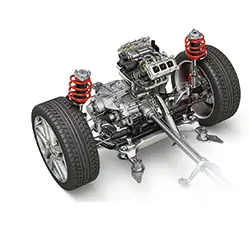
¿Puede perder el control del vehículo si circula con los amortiguadores en mal estado?
Can you lose control of the vehicle if you drive with shock absorbers in poor condition?
- ANo, sin embargo, los cambios de marcha se realizarán con mayor dificultad debido a las oscilaciones del vehículo.No, but changing gear will be harder because of the vehicle's swaying.
- BSí, porque la distancia de frenado disminuirá, especialmente con el firme irregular o mojado.Yes, because the braking distance will decrease, especially on uneven or wet surfaces.
- CSí, porque el vehículo puede experimentar una inclinación excesiva al tomar las curvas.Yes, because the vehicle may lean too much when taking bends.
ExplanationShock absorbers in poor condition no longer control the body's movements: the vehicle leans too much on bends and control can be lost. Braking also gets worse because the wheels bounce on the road surface.
El sistema de suspensión de un vehículo forma parte de la seguridad ...
A vehicle's suspension system is part of...
- Aactiva.active safety.
- Bpasiva.passive safety.
- Cpreventiva.preventive safety.
ExplanationThe suspension and shock absorber systems keep the tyres in contact with the road surface at all times, keeping the vehicle stable and making it comfortable for the driver. These systems play a key role in keeping the vehicle on the chosen path and absorbing bumps in the road. An important part of active safety depends on these systems.
¿Cuál es la MMA de un camión de tres ejes con neumáticos dobles y suspensión neumática?
What is the MAM of a three-axle lorry with twin tyres and air suspension?
- A18 toneladas.18 tonnes.
- B25 toneladas.25 tonnes.
- C26 toneladas.26 tonnes.
ExplanationThe correct answer is 26 tonnes, because the MAM of a three-axle lorry with twin tyres and air suspension can be up to that amount.
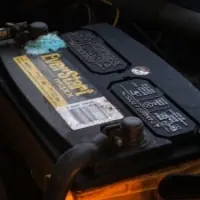
¿Por la reacción de qué material se crea la energía eléctrica de la batería de un vehículo?
The reaction of which material produces the electrical energy in a vehicle's battery?
- ANeutrolitoNeutrolyte
- BElectrolitoElectrolyte
- CPosilitoPositolyte
ExplanationA vehicle's electrical energy is produced by the reaction of the electrolyte, which is the material that produces this reaction.
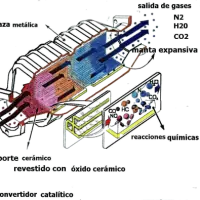
¿Qué se utiliza para evitar el desgaste de las piezas de un motor por la fricción?
What is used to prevent engine parts from wearing through friction?
- ASilenciadorSilencer
- BSistema de lubricaciónLubrication system
- CSistema de escapeExhaust system
ExplanationThe vehicle's lubrication system is a set of mechanisms that give the parts that need it the amount of oil needed to reduce wear from friction and to stop them from seizing.
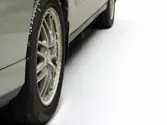
¿Cómo sabremos que las pastillas de freno están gastadas?
How will we know that the brake pads are worn?
- AAl pisar el pedal de freno observaremos que las pastillas no llegan a hacer contacto con el disco de freno.When we press the brake pedal, we will see that the pads do not touch the brake disc.
- BPercibiremos chirridos o ruidos anormales al pisar el pedal del freno.We will hear squeaking or unusual noises when we press the brake pedal.
- CLas pastillas de freno no se gastan nunca. Sólo debemos revisar periódicamente el líquido de frenos.Brake pads never wear. We only need to check the brake fluid regularly.
ExplanationBrake pad wear eventually causes the metal of the brake disc to rub against the metal backing of the pads, so we will be able to hear squeaking.
Los neumáticos en mal estado pueden provocar...
Tyres in poor condition can cause...
- AMenor adherencia y más riesgo de accidenteLess grip and more risk of an accident
- BMenor distancia de frenadoA shorter braking distance
- CMás estabilidad siempreMore stability, always
ExplanationWorn tyres or tyres in poor condition reduce grip and affect braking and stability.
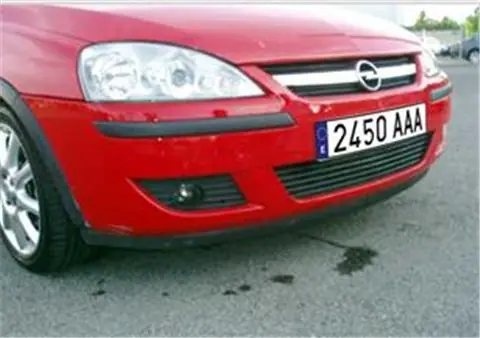
¿Qué elementos del vehículo requieren una mayor supervisión por parte del conductor?
Which parts of the vehicle need the most checking by the driver?
- Alos frenosthe brakes.
- Bla amortiguación.the shock absorbers.
- Clos neumáticos.the tyres.
ExplanationTyres cause most of the accidents due to mechanical failure, with more accidents and victims than all the vehicle's other systems together. They are the link between the vehicle and the road, so their condition and checking are very important.
Si ha puesto neumáticos de invierno en su vehículo, ¿es conveniente cambiarlos cuando la temperatura empiece a subir?
If you have fitted winter tyres to your vehicle, is it advisable to change them when temperatures start to rise?
- ASí, porque con temperaturas más altas se desgastan más rápido.Yes, because at higher temperatures they wear faster.
- BNo, porque se adaptan igual de bien a cualquier temperatura.No, because they adapt equally well to any temperature.
- CNo, solo hay que cambiarlos cuando el dibujo baje de 1,6 mm.No, you only need to change them when the tread is below 1.6 mm.
ExplanationWinter tyres have softer rubber and a tread designed for the cold. At high temperatures they wear faster and grip and brake worse than summer tyres, so it is advisable to change them when temperatures rise.
All topics
- Definitions
- Documents and penalty points
- The driver's condition
- Duties of drivers and pedestrians
- Vehicle safety devices
- Vehicle controls and equipment
- Vehicle lights and horn
- Traffic signs, markings and signals
- The road and its lanes
- Speed and distances
- Manoeuvres
- Right of way
- Carrying passengers and loads
- Driving safely in difficult conditions
- Road accidents and first aid
- Defensive and eco-driving
Independent app: not affiliated with or endorsed by the DGT (Spain's Directorate-General for Traffic) or the Ministry of the Interior. The official exam is booked with the DGT and taken at its test centres. The questions here are practice material; the DGT's official question bank is not public.
Basado en datos de la Agencia Estatal Boletín Oficial del Estado (https://www.boe.es). Textos consolidados de carácter meramente informativo. La AEBOE no patrocina ni respalda este sitio.
Parte de las preguntas procede de los tests de la revista «Tráfico y Seguridad Vial» de la DGT, reproducidos con indicación de la fuente.