
DGT test · 539 questions
Vehicle mechanics and maintenance · Page 8 of 11
Engine, brakes, steering, suspension and tyres: how they work and what maintenance prevents breakdowns and crashes.
Questions in this topic, with answers
539 questions, 50 per page, with the correct answer and the explanation. Page 8 of 11.
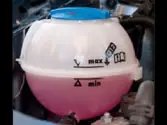
¿Se debe revisar el nivel del líquido refrigerante que contiene el vaso de expansión?
Should the coolant level in the expansion tank be checked?
- ASí, debe estar entre las marcas de máximo y mínimo.Yes, it must be between the maximum and minimum marks.
- BSí, pero sólo será necesario hacerlo cada 2 años.Yes, but it only needs to be done every 2 years.
- CNo es necesario ya que este líquido no se evapora.There is no need, because this liquid does not evaporate.
ExplanationThe cooling system's job is to remove part of the heat produced while the engine is running. Its maintenance is to check the coolant level in the expansion tank (it must be between the maximum and minimum marks). This check should be done when the engine is cold. We should also change the coolant as recommended by the manufacturer (usually every 2 years). And in winter we will add antifreeze to the coolant to stop it from freezing.
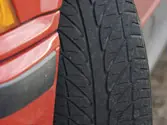
Los neumáticos con clavos se podrán usar para mejorar la adherencia en caso de...
Studded tyres can be used to improve grip in case of...
- ASólo se podrán utilizar en caso de hielo en el pavimento pero no con nieve.They can only be used when there is ice on the road surface, but not snow.
- BSe podrán usar tanto en caso de hielo como de nieve en el pavimento.They can be used when there is either ice or snow on the road surface.
- CSu uso está prohibido en la vía pública.Their use on public roads is prohibited.
ExplanationStudded tyres can be used on road surfaces with ice or snow. The studs must have rounded edges and must not stick out more than 2 millimetres from the surface. These tyres replace chains when chains are compulsory.
Para evitar que pierdan su elasticidad y su capacidad de adherencia, ¿cada cuánto tiempo, aproximadamente, es conveniente cambiar los neumáticos de un vehículo?
To stop them from losing their elasticity and grip, roughly how often is it advisable to change a vehicle's tyres?
- ACada diez años.Every ten years.
- BCada cinco años, pero sólo si no tienen dibujo suficiente.Every five years, but only if they do not have enough tread.
- CPor lo menos cada cinco años.At least every five years.
ExplanationIt is advisable to change the tyres every 5 years at the most because, over time, the rubber loses its natural properties and becomes harder and less flexible. This hardening directly affects its grip on the road surface, especially in the rain or when braking hard, even if the tread looks fine. Things such as exposure to the sun, changes in temperature and normal use add to the ageing of the material, which can put the vehicle's safety at risk. So it is important not to rely only on how the tread looks, but also to consider how long the tyres have been in use.
¿Qué partes del neumático trabajan independientemente en un neumático radial?
Which parts of a radial tyre work independently?
- ALa banda de rodamiento y los flancosThe tread and the sidewalls
- BLos flancos y los talonesThe sidewalls and the beads
- CLos flancos y la cubiertaThe sidewalls and the outer cover
ExplanationIn radial tyres the tread and the sidewalls work independently, which means they deform very little when they hit obstacles.
¿Es necesario comprobar la presión de la rueda de repuesto al revisar el vehículo antes de iniciar un viaje?
When checking the vehicle before starting a journey, is it necessary to check the spare wheel's pressure?
- ANo, porque rara vez se utilizaNo, because it is rarely used
- BNo, solo es necesario si la rueda es muy antiguaNo, it is only necessary if the wheel is very old
- CSí, se deben comprobar tanto la presión como el estado del dibujoYes, both the pressure and the condition of the tread must be checked
ExplanationYes, it is essential. Although the spare wheel is not normally used, it loses air over time because rubber naturally lets some air through. As a general rule, when checking it, it should be given the highest of the pressures recommended by the manufacturer, so that it is ready to use in an emergency. There is no point in carrying a spare wheel if, when you get a puncture, it is flat or its tread is in poor condition. Preventive maintenance means checking the condition and pressure of all five tyres.
Si la rueda de repuesto es igual al resto, ¿qué presión de inflado debe darle?
If the spare wheel is the same as the others, what pressure should you inflate it to?
- ALa más baja de las fijadas por el fabricante.The lowest of the pressures set by the manufacturer.
- BLa más alta de las fijadas por el fabricante.The highest of the pressures set by the manufacturer.
- CLa recomendada por el fabricante para el resto de las ruedas.The pressure recommended by the manufacturer for the other wheels.
ExplanationIf the spare wheel is the same as the others, it is advisable to inflate it to the highest pressure set by the manufacturer, because it gradually loses air over time. When it is fitted, it is adjusted to the correct pressure as soon as possible.
Si durante la realización de un viaje con motocicleta, con los neumáticos en caliente ajustamos la presión de inflado al valor recomendado por el fabricante, los neumáticos tendrán...
If, during a motorcycle journey, we adjust the tyre pressure to the value recommended by the manufacturer while the tyres are hot, the tyres will have...
- AUna presión superior a la adecuada y necesaria para circular.A pressure higher than the right and necessary pressure for riding.
- BUna presión inferior a la adecuada y necesaria para circular.A pressure lower than the right and necessary pressure for riding.
- CLa presión adecuada y necesaria para circular.The right and necessary pressure for riding.
ExplanationWhen we adjust the tyre pressure with the tyres hot, we must remember that the air inside the tyres expands because of the heat. So if we adjust the pressure when hot, once the tyres cool down the pressure will go back down and will be lower than the right and necessary pressure for riding. That is why it is advisable to check and adjust the tyre pressure when cold, before making a long journey.
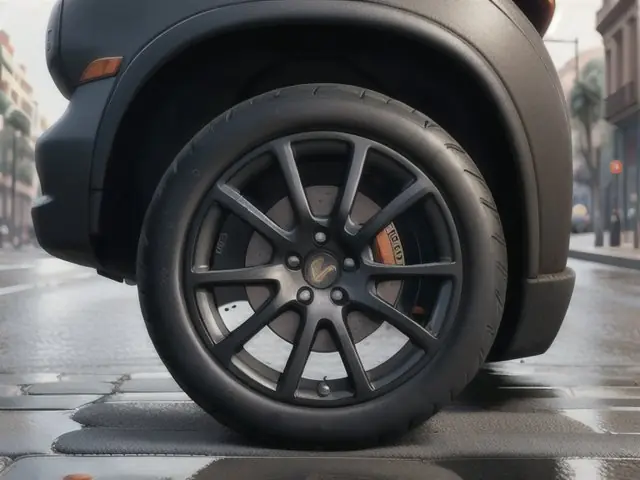
La distancia necesaria para frenar con seguridad depende...
The distance needed to brake safely depends on...
- Adel buen estado del pedal del embrague.the good condition of the clutch pedal.
- Bdel buen estado de los neumáticos.the good condition of the tyres.
- Cdel buen estado del freno de mano.the good condition of the handbrake.
ExplanationBraking distance can vary depending on the following factors: - The speed you are driving at. - The condition of the vehicle's tyres, suspension and brakes. - The vehicle's load. - The condition of the road surface. - The weather conditions on the road.
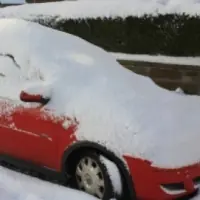
¿Qué inscripción especial llevan los neumáticos para nieve?
What special marking do snow tyres have?
- ANo llevan ninguna inscripción distintivaThey have no special marking
- BMS (mud&snow)MS (mud & snow)
- CIS (ice&snow)IS (ice & snow)
ExplanationA tyre marked "M+S" is a special winter tyre for snow; the marking comes from the initials of "Mud and Snow".
Si al accionar la llave de contacto el motor de arranque no gira y las luces tienden a extinguirse, ¿a qué será debido?
If, when you turn the ignition key, the starter motor does not turn and the lights tend to go out, what will be the cause?
- AA la falta de gasolina.Lack of petrol.
- BA que la batería está con poca carga.The battery is low.
- CA la falta de aceite.Lack of oil.
ExplanationWhen the starter motor does not turn and the lights tend to go out, the cause is probably that the battery is very low.
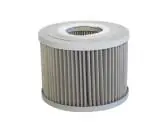
Cuando el filtro del aire está obstruido ...
When the air filter is blocked...
- AEl vehículo consumirá menos combustible y producirá menos contaminación.The vehicle will use less fuel and produce less pollution.
- BEl vehículo consumirá más combustible y producirá más contaminación.The vehicle will use more fuel and produce more pollution.
- CEl vehículo consumirá menos combustible y producirá más contaminación.The vehicle will use less fuel and produce more pollution.
ExplanationA dirty air filter (dust, insects, impurities, etc.) stops the engine from getting all the air it needs to perform at its best, which increases fuel consumption and pollution. That is why it is important to check it regularly, bearing in mind that it gets dirtier in summer than in winter. The air/petrol mixture will be rich, because it will have too much petrol, as it cannot take in all the air the engine needs when the air filter is dirty or blocked.
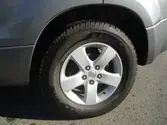
¿Cada cuánto tiempo es recomendable cambiar los neumáticos del vehículo?
How often is it advisable to change the vehicle's tyres?
- ACada 3 años.Every 3 years.
- BCada 2 años.Every 2 years.
- CCada 5 años.Every 5 years.
ExplanationIt is advisable to change the tyres every 5 years at the most, because the rubber hardens over time and loses its grip.
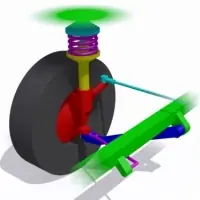
¿De qué sistema del vehículo forman parte los amortiguadores?
Which vehicle system are the shock absorbers part of?
- ASistema de refrigeraciónThe cooling system.
- BSistema de suspensiónThe suspension system.
- CSistema eléctricoThe electrical system.
ExplanationShock absorbers are part of the suspension system, along with elastic elements such as coil springs or leaf springs, and anti-roll bars. They control the movements of the body and keep the wheels in contact with the ground.
Un amortiguador en mal estado: ¿qué consecuencias puede tener?
What can be the consequences of a shock absorber in poor condition?
- AQue el vehículo tenga más estabilidad.The vehicle becomes more stable.
- BQue disminuya la distancia de frenado.The braking distance decreases.
- CQue las luces oscilen mientras se circula y puedan deslumbrar.The lights sway while you drive and may dazzle others.
ExplanationA shock absorber in poor condition lets the body of the car bounce and pitch over uneven surfaces. As a result, the light beam moves up and down and can dazzle other drivers; the car also loses stability and the braking distance increases.
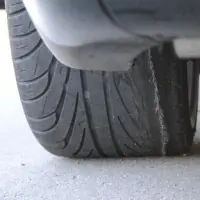
¿Cuál de éstas causas puede provocar un gran desgaste en los neumáticos?
Which of these can cause heavy tyre wear?
- AConducir a poca velocidad habitualmenteUsually driving at low speed
- BConducir tranquilamenteDriving calmly
- CEl mal reglaje de los frenosBadly adjusted brakes
ExplanationTyres wear with normal use, but they can wear more because of badly adjusted brakes or shock absorbers, wheels that are not aligned or balanced, and aggressive driving with sudden braking.
En caso de tener que cambiar una rueda tras producirse un pinchazo, ¿qué haremos primero?
If you have to change a wheel after a puncture, what will you do first?
- AElevar el vehículo y aflojar los tornillos.Raise the vehicle and loosen the wheel bolts.
- BAflojar los tornillos antes de elevar el vehículo.Loosen the wheel bolts before raising the vehicle.
- CElevar el vehículo sin calzar ninguna rueda.Raise the vehicle without chocking any wheel.
ExplanationTo change a wheel we must: mark the vehicle's presence, chock at least one wheel, slightly loosen the bolts, raise the vehicle, remove the bolts, change the wheel, put the bolts back, lower the vehicle and finish tightening the bolts.
Si los neumáticos están poco inflados...
If the tyres are under-inflated…
- Ase desgastan más en los lados.they wear more at the edges.
- Bse desgastan por igual en los lados y en el centro.they wear evenly at the edges and in the centre.
- Cse desgastan más en el centro.they wear more in the centre.
ExplanationWith too little pressure the tyre flattens and rests mainly on its shoulders, so the tread wears more at the edges than in the centre. With too much pressure the opposite happens: the centre wears more.
Si va a hacer uso de la rueda de repuesto de uso temporal, ¿qué debe tener en cuenta?
If you are going to use a temporary-use spare wheel, what must you bear in mind?
- ALas indicaciones de utilización.The instructions for use.
- BNada en especial.Nothing in particular.
- CQue la presión de inflado debe ser superior a las demás ruedas.That its inflation pressure must be higher than that of the other wheels.
ExplanationA temporary-use spare wheel should only be used following its manufacturer's instructions, which usually set a maximum speed, a limited distance and a specific pressure. You must respect them and replace it with a normal wheel as soon as possible.
Cuando circulamos con la rueda de repuesto, ¿a qué presión deberá ir inflada?
When we are driving with the spare wheel fitted, what pressure should it be inflated to?
- AA la máxima de las recomendadas por el fabricante.The maximum of the pressures recommended by the manufacturer.
- BA la recomendada por el fabricante según el eje y las circunstancias en que esté montada.The pressure recommended by the manufacturer for the axle and the conditions it is fitted in.
- CA la que sea conveniente.Whatever pressure is convenient.
ExplanationWe will use the spare wheel inflated to the pressure recommended by the manufacturer for the axle we are using it on and for the vehicle's load conditions.
Una presión de neumáticos inferior a la recomendada provoca, entre otros efectos:
A tyre pressure lower than recommended causes, among other effects:
- AMenor consumo de combustible.Lower fuel consumption.
- BMayor desgaste, más consumo y peor comportamiento, con riesgo de reventón.More wear, more fuel consumption and worse handling, with a risk of a blowout.
- CMejor frenada en seco.Better braking in the dry.
ExplanationLow pressure increases wear and fuel consumption, heats up the tyre and can cause it to blow out.
En el neumático del vehículo, ¿aparece indicada la semana y año de su fabricación?
Does the vehicle's tyre show the week and year it was made?
- ANo, solo se indica el año de fabricación.No, it only shows the year it was made.
- BSí.Yes.
- CNo, solamente están indicadas las dimensiones.No, it only shows the size.
ExplanationThe vehicle's tyre shows the week and year it was made. It is very important to know this, because it is advisable to change the tyres every five years at the most, as the rubber gradually hardens and loses its grip.
Con una adecuada revisión y mantenimiento del vehículo, ¿se puede prevenir un accidente?
Can proper vehicle checks and maintenance prevent an accident?
- ASí.Yes.
- BNo, solo se previene tener una avería mecánica.No, they only prevent mechanical breakdowns.
- CSolo si el vehículo tiene más de diez años.Only if the vehicle is more than ten years old.
ExplanationProper vehicle maintenance helps to prevent, though not rule out completely, many accidents caused by mechanical faults, such as those due to tyres, brakes or lights in poor condition.
En el neumático del vehículo, ¿está indicada la semana y el año de fabricación?
Are the week and year of manufacture shown on the vehicle's tyre?
- ANo, solamente está indicado el año de fabricación.No, only the year of manufacture is shown.
- BSí.Yes.
- CNo, solamente están indicadas las dimensiones.No, only the dimensions are shown.
ExplanationThe tyre's date of manufacture appears on its sidewall as four digits: the first two indicate the week and the last two the year; for example, 2324 is week 23 of 2024. This tells you how old the tyre is, because rubber ages and loses grip.
¿Qué debe hacer si un neumático se desinfla lentamente?
What should you do if a tyre is slowly losing air?
- ASeguir hasta casaCarry on until you get home
- BRevisar la presión y repostar aire lo antes posibleCheck the pressure and put air in as soon as possible
- CNo es importanteNothing; it is not important
ExplanationCheck it and put air in immediately.
Si se rompe el tubo de escape, ¿qué ocurre?
What happens if the exhaust pipe breaks?
- AEl vehículo hace más ruido.The vehicle makes more noise.
- BDisminuye el ruido.The noise decreases.
- CEl vehículo consume más combustible.The vehicle uses more fuel.
ExplanationWhen the exhaust pipe is damaged, the vehicle's noise increases. This is because the noise reduction system is not working properly, which can be caused by a loose, damaged or wrongly fitted part. According to the General Traffic Regulations, any fault in the exhaust system that makes the noise level worse is an offence.
Si usted va a poner neumáticos nuevos en su vehículo, pero no va a sustituirlos todos, sino solamente parte de ellos, debe tener en cuenta...
If you are going to fit new tyres on your vehicle, but only some of them rather than all, you must bear in mind...
- AQue tengan las mismas dimensiones y características que las otras ruedas.That they have the same size and characteristics as the other wheels.
- BQue sean del mismo tamaño que las otras ruedas, pero no importa que tengan diferentes características técnicas.That they are the same size as the other wheels, but it does not matter if their technical characteristics are different.
- CQue se pueden mezclar todo tipo de neumáticos sin que por ello resulte disminuida la seguridad.That all types of tyre can be mixed without reducing safety.
ExplanationIf only some tyres are changed, the new ones must have the same size and characteristics as the others, at least on the same axle. Mixing different tyres upsets the vehicle's behaviour when braking and cornering.
Si revienta un neumático en autopista, debes:
If a tyre blows out on a motorway (autopista), you must:
- AFrenar bruscamenteBrake sharply
- BSujetar firmemente el volante, levantar el acelerador y frenar suavementeHold the steering wheel firmly, take your foot off the accelerator and brake gently
- CAcelerar para estabilizarAccelerate to stabilise the vehicle
ExplanationIf a tyre blows out, hold the steering wheel firmly to keep your path, do not brake sharply (it would make the loss of control worse), take your foot off the accelerator so that the engine holds the vehicle back, and brake gently as you slow down.
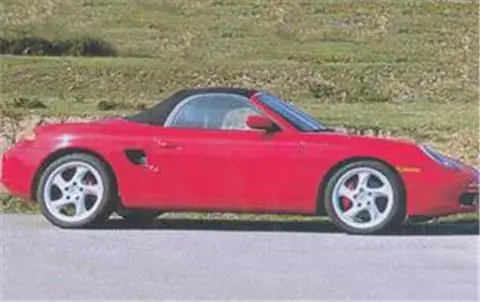
Las ruedas motrices, ¿cuáles son?
Which are the driving wheels?
- ALas ruedas traseras.The rear wheels.
- BLas ruedas delanteras.The front wheels.
- CPueden ser las ruedas delantras o las ruedas traseras según el tipo de vehículo.They can be the front or the rear wheels, depending on the type of vehicle.
ExplanationThe driving wheels are the ones that receive the engine's power and move the vehicle. Depending on the design, they can be the front wheels, the rear wheels or all four in four-wheel-drive vehicles. It is important to know this, for example, when fitting chains.
Un camión de 3.500 kilogramos de MMA, ¿puede llevar como repuesto una rueda de uso temporal?
May a lorry with a MAM of 3,500 kilograms carry a temporary-use spare wheel?
- ANo, es obligatorio que lleve una rueda completa.No, it must carry a full-size wheel.
- BNo, porque únicamente los turismos pueden llevar como repuesto este tipo de ruedas.No, because only cars may carry this type of spare wheel.
- CSí.Yes.
ExplanationYes. Cars and goods vehicles with a maximum authorised mass of up to 3,500 kg must carry a full-size spare wheel or a temporary-use wheel, or an alternative system that ensures the vehicle can keep moving (Annex XII of the General Vehicle Regulations).
¿Cuándo hay que cambiar los neumáticos?
When must tyres be changed?
- ACuando la profundidad del dibujo es inferior a 1,6 mm.When the tread depth is less than 1.6 mm.
- BCuando la profundidad del dibujo es inferior a 2 mm.When the tread depth is less than 2 mm.
- CCuando la profundidad del dibujo es inferior a 3 mm.When the tread depth is less than 3 mm.
ExplanationTyres must be changed when their tread depth is less than 1.6 mm. This is set out in Spanish traffic rules, which say that this is the minimum depth allowed for adequate grip and safe driving. A tyre with less than this depth has a high risk of aquaplaning and reduced braking ability, which can put road safety at risk. The 1.6 mm answer is correct because it meets these specific rules (Traffic and Road Safety Code).
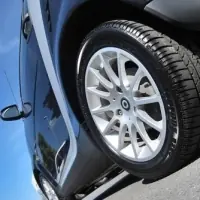
¿Cuál de éstas causas hace que un neumático se deteriore rápidamente?
Which of these makes a tyre deteriorate quickly?
- AContacto ocasional con líquido de frenosOccasional contact with brake fluid
- BContacto habitual con disolventesFrequent contact with solvents
- CTener las ruedas equilibradas y bien alineadasHaving the wheels balanced and well aligned
ExplanationTyre deterioration can be speeded up by chemicals such as solvents, fuels, oils, etc.
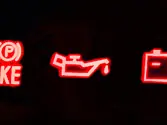
¿Cuándo sabremos que el motor está siendo lubricado correctamente?
How can we tell that the engine is being lubricated properly?
- ACuando el indicador luminoso de aceite está encendido.When the oil warning light is on.
- BCuando el indicador luminoso de aceite está apagado.When the oil warning light is off.
- CCuando el indicador luminoso de aceite parpadea con el motor en marcha.When the oil warning light flashes with the engine running.
ExplanationThe oil pressure warning light stays off to show that the lubrication pressure is correct. If this light comes on while driving, we must stop immediately, as serious damage could occur.
Si un vehículo está propulsado por un motor de gasolina, ¿es recomendable iniciar la marcha inmediatamente después de arrancar el motor?
If a vehicle has a petrol engine, is it advisable to move off immediately after starting the engine?
- ASí.Yes.
- BNo, hay que esperar a que el motor alcance su temperatura.No, you must wait for the engine to reach its working temperature.
- CNo.No.
ExplanationIf the vehicle has a petrol engine, it is advisable to move off immediately after starting the engine. On the other hand, if it has a diesel engine, it is better to wait a few seconds after starting it before moving off.
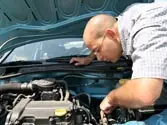
El líquido refrigerante del motor, además de reponerlo cuando sea necesario, ¿deberá sustituirse?
Apart from topping it up when necessary, should the engine coolant be replaced?
- ANo.No.
- BSí, según las instrucciones del fabricante.Yes, according to the manufacturer's instructions.
- CSí, cada 5 años.Yes, every 5 years.
ExplanationThe coolant must be replaced as often as the manufacturer's instructions say, taking into account the freezing point of the coolant, depending on the area where we are driving.
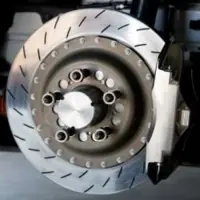
¿Cuál de éstas clases de frenos no existe?
Which of these types of brakes does not exist?
- AFrenos de tamborDrum brakes
- BFrenos de mandoControl brakes
- CFrenos de discoDisc brakes
ExplanationThere are two types of braking systems in a car: drum brakes and disc brakes. More and more vehicles use disc brakes because they are more compact. So there are no such things as control brakes on a vehicle.
Al examinar las características de un neumático, en su lateral se puede leer 175/70 R13, ¿qué indica el número 13?
When looking at a tyre's specifications, you can read 175/70 R13 on its side. What does the number 13 mean?
- AEl ancho del neumático en pulgadas.The width of the tyre in inches.
- BEl diámetro exterior de la llanta en pulgadas.The outer diameter of the wheel rim in inches.
- CEl valor de la presión de inflado medida en bares.The tyre pressure measured in bar.
ExplanationThe number 13 shows the outer diameter of the wheel rim in inches. This measurement is important to make sure the tyre fits the vehicle's wheel rim correctly.
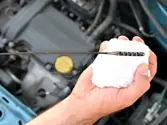
¿Por qué es importante revisar periódicamente el nivel de aceite del motor?
Why is it important to check the engine oil level regularly?
- APorque mejora la aerodinámica del vehículo.Because it improves the vehicle's aerodynamics.
- BPorque evita el sobrecalentamiento y el desgaste del motor.Because it prevents engine overheating and wear.
- CPorque reduce el consumo de combustible en todos los casos.Because it reduces fuel consumption in all cases.
ExplanationOil lubricates the engine parts, reduces friction and helps to get rid of heat. Too little oil or oil in poor condition can cause more wear of the parts and even serious engine breakdowns.
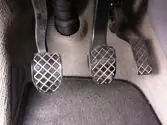
¿Qué haremos ante un fallo de los frenos?
What will we do if the brakes fail?
- ATirar de la palanca del freno de estacionamiento bruscamente.Pull the parking brake lever sharply.
- BChocar gradualmente contra cualquier objeto rígido de la vía para detenerse cuanto antes.Gradually crash into any solid object by the road to stop as soon as possible.
- CBombear el pedal de freno, por si alguno de los circuitos conserva capacidad de frenada.Pump the brake pedal, in case one of the circuits still has braking power.
ExplanationIf we find that the braking system is not working, we should first pump the brake pedal, then use engine braking (stop accelerating and change down to lower gears) so that the speed gradually drops. We can also use the parking brake, but gently and gradually, never sharply, or try to rub the side of the vehicle against a bank or a ditch, never against a solid object.
Si el motor de nuestra motocicleta se refrigera sólo por aire. Entre otros, ¿qué mantenimiento precisa para refrigerarse adecuadamente?
Our motorcycle's engine is cooled only by air. Among other things, what maintenance does it need to be cooled properly?
- ALimpiar las aletas exteriores del motor.Cleaning the outer fins of the engine.
- BRellenar el nivel del líquido refrigerante en su depósito correspondiente, si fuera necesario.Topping up the coolant level in its reservoir, if necessary.
- CTensar periódicamente la correa del ventilador.Regularly tightening the fan belt.
ExplanationThe outer fins of the engine must be cleaned regularly so that air can flow properly and dirt or debris does not build up and block the air cooling. This is especially important in an air cooling system, because it has no coolant to get rid of the heat. Keeping the fins clean lets the air flow freely and helps to keep the engine at the best temperature.
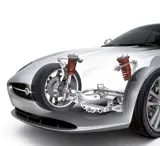
Una correcta suspensión del vehículo sirve para:
A vehicle's suspension, when in good order, serves to:
- AMantener el vehículo siempre en contacto con el suelo.Keep the vehicle in contact with the ground at all times.
- BTransmitir el giro del motor a las ruedas.Pass the engine's rotation to the wheels.
- CMantener inmovilizado el vehículo.Keep the vehicle stationary.
ExplanationThe job of the shock absorbers is to absorb bumps in the road, giving the vehicle stability and safety. But the shock absorber has a double role: it also keeps the vehicle in contact with the ground at all times, so the driver always has control.
La presión de los neumáticos debe comprobarse:
Tyre pressure should be checked:
- APreferiblemente en frío (antes de rodar o tras poco recorrido).Preferably when cold (before driving or after a short distance).
- BSolo con el neumático muy caliente.Only when the tyre is very hot.
- CNunca, no hace falta.Never, there is no need.
ExplanationPressure is measured when cold, because when the tyre is hot the air expands and the reading is not reliable.
Cuando aparezcan los primeros síntomas de desgaste de la pastillas de freno, ¿qué deberemos hacer?
When the first signs of brake pad wear appear, what should we do?
- AEsperar a notar chirridos anormales en el momento de frenar.Wait until we notice unusual squeaking when braking.
- BDetectar mediante observación directa si hay desgaste de las pastillas de freno.Find out by looking directly whether the brake pads are worn.
- CSustituir las pastillas por otras nuevas, en cuanto aparezcan los primeros síntomas.Replace the pads with new ones as soon as the first signs appear.
ExplanationWe must replace the brake pads with new ones at the first sign of wear because, if we do not, the brake discs could be damaged beyond repair.
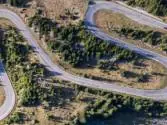
¿Qué se debe hacer para evitar el sobrecalentamiento de los frenos al circular por una carretera con fuertes pendientes descendentes?
What should you do to stop the brakes from overheating when driving on a road with steep downhill slopes?
- AUtilizar el freno motor.Use engine braking.
- BUtilizar el freno de servicio de manera continuada.Use the service brake continuously.
- CUtilizar el freno de mano muy suavemente.Use the handbrake very gently.
ExplanationOn a long or steep downhill stretch, to stop the brakes from overheating through repeated use (known as the fading effect), it is advisable to change down to a lower gear to make use of the vehicle's engine braking.
Comprobaremos la presión de los neumáticos con ...
We will check the tyre pressure...
- Afrecuencia y con los neumáticos fríos.often, with the tyres cold.
- Bfrecuencia y con los neumáticos calientes, después de haber rodado 20 o 30 kilómetros.often, with the tyres hot, after driving 20 or 30 kilometres.
- Cpoca frecuencia, solo cuando pasemos la ITV.rarely, only at the vehicle inspection (ITV).
ExplanationTyre pressure should be checked often and with the tyres cold. Checking it with the tyres hot gives a wrong reading, because it will always show a higher pressure than the real one.
¿Cómo influye el estado de los neumáticos en el frenado?
How does the condition of the tyres affect braking?
- ANo influye, depende solo del estado de los frenos.It does not; it depends only on the condition of the brakes.
- BNo influye; la eficacia del frenado depende solo del estado de la carretera.It does not; braking efficiency depends only on the condition of the road.
- CLos neumáticos en buen estado proporcionan mejor adherencia a la calzada y un frenado más eficaz.Tyres in good condition give better grip on the road and more effective braking.
ExplanationThe condition of the tyres directly affects grip and therefore how well the vehicle brakes. With worn tread or the wrong pressure they clear water less well and grip less, so the braking distance increases, especially on a wet road.
Cuando la presión de inflado de los neumáticos es superior a la indicada por el fabricante, disminuye la zona de contacto con el pavimento y, por consiguiente,...
When the tyre pressure is higher than the one set by the manufacturer, the area of contact with the road surface is reduced and, as a result,...
- ALos neumáticos se desgastan menos.The tyres wear less.
- BSe absorben mejor las irregularidades del terreno y el vehículo vibra menos.Bumps in the road are absorbed better and the vehicle vibrates less.
- CSe pierde adherencia y, por tanto, seguridad.Grip is lost, and so is safety.
ExplanationWhen the tyre pressure is too high, the area of contact with the road surface is reduced. This means there is less surface for the tyre to grip the ground, which can lead to a loss of grip. Less grip means the vehicle has more difficulty braking and taking bends safely, which directly affects the safety of the driver and passengers.
Al accionar los frenos de la motocicleta, ¿cómo se reparte, aproximadamente, la acción del frenado sobre las ruedas de la motocicleta?
When you apply a motorcycle's brakes, roughly how is the braking action shared between the wheels?
- AAl 50% sobre cada una de las ruedas.50% on each wheel.
- BEntre el 60 y el 70% sobre la rueda delantera y entre el 30 y el 40% sobre la rueda trasera.Between 60 and 70% on the front wheel and between 30 and 40% on the rear wheel.
- CEntre el 30 y el 40% sobre la rueda delantera y entre el 60 y el 70% sobre la rueda trasera.Between 30 and 40% on the front wheel and between 60 and 70% on the rear wheel.
ExplanationThis is correct because the front wheel of a motorcycle has more braking capacity and gives better stability during braking. So most of the braking action goes to the front wheel, while the rear wheel contributes a smaller percentage. This helps to prevent the wheels from locking and to keep control of the vehicle.
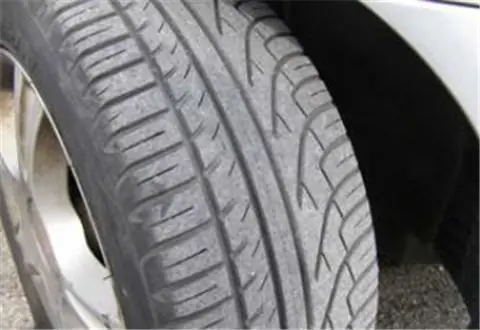
Es conveniente cambiar los neumáticos de su vehículo...
It is advisable to change your vehicle's tyres...
- Acada 5 años si no tienen dibujo suficiente.every 5 years if they do not have enough tread.
- Bal menos cada 5 años.at least every 5 years.
- Cal menos cada 10 años.at least every 10 years.
ExplanationTyre rubber ages over time even if it is used little, so the DGT advises changing tyres at least every five years, even if they look in good condition. If before that time the tread goes below 1.6 mm or there are cuts or deformations, they must be changed straight away.
Si al accionar los frenos aparecen chirridos o ruidos metálicos será debido a que...
If squeaking or metallic noises appear when you apply the brakes, it will be because...
- AEl nivel de líquido de frenos está por debajo del mínimo.The brake fluid level is below the minimum.
- BHa entrado aire en el circuito de frenado.Air has got into the braking circuit.
- CLas pastillas de freno se han gastado y requieren su sustitución.The brake pads are worn and need replacing.
ExplanationWhen the brake pads wear, the callipers rub against the brake disc and make squeaking or other noises.
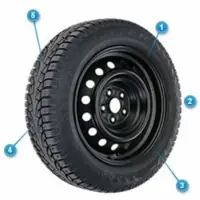
¿Cuál de éstos elementos NO forma parte de un neumático?
Which of these is NOT part of a tyre?
- AEl estabilizadorThe stabiliser
- BLa cámaraThe inner tube
- CLa cubiertaThe outer cover
ExplanationA tyre is made up of the outer cover, which is the outside part in contact with the ground, and, if it is not a tubeless type, an inner tube that holds the air. The stabiliser is part of the suspension, not of the tyre.
All topics
- Definitions
- Documents and penalty points
- The driver's condition
- Duties of drivers and pedestrians
- Vehicle safety devices
- Vehicle controls and equipment
- Vehicle lights and horn
- Traffic signs, markings and signals
- The road and its lanes
- Speed and distances
- Manoeuvres
- Right of way
- Carrying passengers and loads
- Driving safely in difficult conditions
- Road accidents and first aid
- Defensive and eco-driving
Independent app: not affiliated with or endorsed by the DGT (Spain's Directorate-General for Traffic) or the Ministry of the Interior. The official exam is booked with the DGT and taken at its test centres. The questions here are practice material; the DGT's official question bank is not public.
Basado en datos de la Agencia Estatal Boletín Oficial del Estado (https://www.boe.es). Textos consolidados de carácter meramente informativo. La AEBOE no patrocina ni respalda este sitio.
Parte de las preguntas procede de los tests de la revista «Tráfico y Seguridad Vial» de la DGT, reproducidos con indicación de la fuente.