
DGT test · 626 questions
Road accidents and first aid · Page 6 of 13
What to do at a crash: protect, alert and help, basic first aid, and marking a stopped vehicle with the V-16 beacon.
Questions in this topic, with answers
626 questions, 50 per page, with the correct answer and the explanation. Page 6 of 13.
El chaleco reflectante de alta visibilidad debe conservarse en perfecto estado; por ello, para no estropearlo y para que no pierda sus propiedades:
The high-visibility reflective vest must be kept in perfect condition. So, to avoid damaging it and so that it does not lose its properties:
- ANo se debe lavar nunca, pues perdería inmediatamente sus propiedades.It must never be washed, as it would lose its properties immediately.
- BSe debe lavar siguiendo las recomendaciones del fabricante.It must be washed following the manufacturer's recommendations.
- CSe debe lavar como cualquier otra prenda, ya que es imposible que pierda sus propiedades.It must be washed like any other garment, as it cannot lose its properties.
ExplanationThe reflective vest must be washed following the manufacturer's recommendations, so that it stays in perfect condition and does not lose its reflective properties. The manufacturer knows the material best and gives the right washing instructions to keep the vest's quality. So it is important to follow them to make sure it stays effective.
El sistema de advertencia de colisión frontal (FCW). ¿frenará automáticamente el vehículo cuando se acerque peligrosamente a otro vehículo que circule por delante?
Will the forward collision warning (FCW) system brake the vehicle automatically when it gets dangerously close to a vehicle in front?
- ANo; su función es avisar al conductor de una posible colisión.No. Its job is to warn the driver of a possible collision.
- BNo; avisa visualmente en el salpicadero de la distancia que falta para el impacto.No. It shows on the dashboard how much distance is left before the impact.
- CSí, si el conductor no interviene.Yes, if the driver does not act.
ExplanationThe main job of the forward collision warning (FCW) system is to alert the driver when it detects a risk of collision with the vehicle in front. It does not brake by itself. It gives visual and/or sound warnings so that the driver reacts in time and brakes if necessary. The system that brakes automatically is autonomous emergency braking (AEB or AEBS). It detects a possible impact and, if the driver does not react in time, applies the brakes automatically to avoid the collision or make it less serious. FCW only warns of the danger; AEB/AEBS can step in and brake the vehicle.
¿En qué posición debe colocarse el auxiliador cuando va a realizar el masaje cardiaco a un herido en accidente de circulación?
What position should the first-aider take when giving chest compressions to a person injured in a road accident?
- ADe rodillas, al lado del herido.Kneeling beside the casualty.
- BDe rodillas, con una pierna a cada lado de la cabeza del heridoKneeling, with one leg on each side of the casualty's head
- CDe rodillas, con una pierna a cado del cuerpo del herido para poder acceder libremente a la base del esternón.Kneeling, with one leg on each side of the casualty's body so as to have free access to the lower part of the breastbone.
ExplanationFor chest compressions, kneel beside the casualty, level with their chest, place your hands in the centre of the chest and press down with your arms straight. Positioning your legs around the head or straddling the body stops you doing the compressions properly.
¿Dónde debe colocarse la baliza luminosa V-16 para señalizar el vehículo?
Where should the V-16 warning light be placed to signal the vehicle?
- AEn el punto más alto del vehículo, como el techo.On the highest point of the vehicle, such as the roof.
- BEn el suelo, delante del vehículo.On the ground, in front of the vehicle.
- CDentro del maletero cerrado.Inside the closed boot.
ExplanationThe V-16 is placed on the highest point of the vehicle (usually the roof), so that it can be seen from a distance.
En caso de accidente, ¿quienes están obligados a auxiliar o solicitar auxilio para las víctimas, colaborar para evitar mayores peligros o daños, restablecer la seguridad de la circulación y esclarecer los hechos?
In an accident, who must help the victims or call for help, cooperate to avoid further danger or damage, restore traffic safety and help clarify what happened?
- ASolamente los conductores implicados en el accidente.Only the drivers involved in the accident.
- BSolamente los conductores implicados en el accidente y los que presencien o tengan conocimiento del accidente.Only the drivers involved in the accident and those who witness or learn about it.
- CLos conductores y personas implicadas en el accidente y los que presencien o tengan conocimiento del mismo.The drivers and other people involved in the accident, and those who witness or learn about it.
ExplanationThe correct answer includes all the drivers and other people involved in the accident, as well as those who witness or learn about it. The law requires anyone who knows about an accident to cooperate: help the victims, avoid further danger and restore road safety. This is essential to make sure the necessary help is given and the consequences of the accident are kept to a minimum.
¿La falta de experiencia al conducir es una de las causas de accidentes entre conductores jóvenes?
Is lack of driving experience one of the causes of accidents among young drivers?
- ASí.Yes.
- BNo, en ningún caso.No, never.
- CNo, porque la experiencia no es importante.No, because experience is not important.
ExplanationLack of driving experience is a widely recognised factor in the higher accident rate among young drivers. The General Traffic Regulations say that drivers must be aware of the factors that can alter their physical and mental abilities. Inexperience can lead to wrong decisions and less ability to handle risky situations. So the correct answer is 'Yes'.
¿Es obligatorio llevar un extintor en un coche de uso privado?
Is it compulsory to carry a fire extinguisher in a private car?
- ASí.Yes.
- BNo.No.
- CSí, si transporta a más de 5 personas, incluido el conductor.Yes, if it carries more than 5 people, including the driver.
ExplanationAnnex XII of the General Vehicle Regulations does not include a fire extinguisher in the equipment a car must carry, whatever the number of occupants. It is only required for buses, goods and mixed-use vehicles over 3,500 kg, and vehicle combinations.
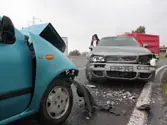
¿Qué medidas debe adoptar si se produce un accidente?
What measures must you take if an accident happens?
- AAuxiliar a los heridos lo antes posible y avisar a las autoridades.Help the injured as soon as possible and alert the authorities.
- BDetener el tráfico, auxiliar a los heridos y después avisar a las autoridades.Stop the traffic, help the injured and then alert the authorities.
- CDetener su vehículo sin crear peligro, avisar a la autoridad o sus agentes y auxiliar a los heridos.Stop your vehicle without creating danger, alert the authorities or their officers, and help the injured.
ExplanationThe basic action at an accident follows the PAS rule (protect, alert, help; in Spanish proteger, avisar, socorrer): 1. Protect: take protective measures for yourself and for other road users. 2. Alert: call 112 or the police. 3. Help the injured as far as possible.

Los niños, durante los primeros años de vida:
Children in their first years of life:
- ANo resultan nunca lesionados en los accidentes de tráfico.Are never injured in road accidents.
- BSiempre sufren lesiones leves en los accidentes de tráfico porque tienen una capacidad de recuperación mayor que los adultos.Always suffer only minor injuries in road accidents, because they recover better than adults.
- CPueden sufrir graves lesiones cervicales, entre otros motivos, porque aún no tienen completamente desarrollada la musculatura del cuello.Can suffer serious neck injuries, among other reasons because their neck muscles are not yet fully developed.
ExplanationIn the first years of life, a child's head is very large compared with the body and the neck muscles are not yet developed. So in a crash they can suffer serious neck injuries. That is why babies must travel in rear-facing child restraint systems.
El conductor de un turismo tendrá que llevar...
The driver of a car must carry...
- AUna lata de aceite.A can of oil.
- BUn extintor de incendios.A fire extinguisher.
- CEl dispositivo luminoso de preseñalización de peligro V-16.The V-16 hazard warning light.
ExplanationUnder Annex XII of the General Vehicle Regulations, a car's compulsory equipment is the V-16 hazard warning light, a high-visibility reflective vest and a spare wheel (or a temporary-use wheel, or an alternative system) with its tools.
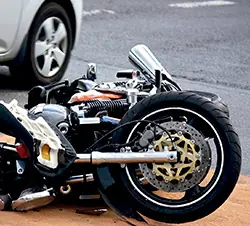
Todo conductor implicado en un accidente de tráfico, ¿está obligado a detenerse para esclarecer los hechos?
Must every driver involved in a road accident stop to help clarify what happened?
- ASólo si es culpable del accidente.Only if they are to blame for the accident.
- BSí, pero de forma que no cree un nuevo peligro para la circulación.Yes, but in a way that does not create a new danger for traffic.
- CNo.No.
ExplanationEvery driver involved in an accident must stop to help clarify what happened, whether or not they are to blame. But they must place the vehicle so that it does not create a new danger for traffic.
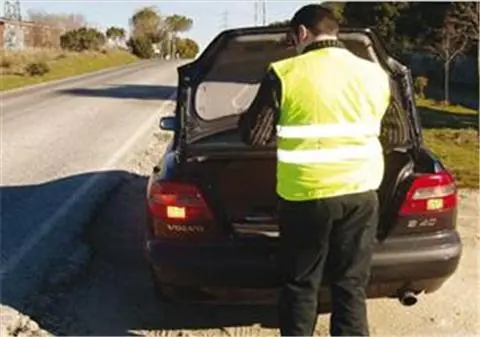
¿Cuál de los siguientes accesorios está obligado a llevar el conductor de un turismo?
Which of these accessories must the driver of a car carry?
- AUn extintor de incendios.A fire extinguisher.
- BUn dispositivo de preseñalización de peligro.A hazard warning device.
- CUna lata de aceite.A can of oil.
ExplanationA car must carry the hazard warning device, which since 1 January 2026 is the V-16 light, as well as the vest and the spare wheel or an alternative system. A fire extinguisher is only compulsory in vehicles over 3,500 kg, buses and coaches, and vehicle combinations.
Si una persona tiene una hemorragia en una extremidad, ¿qué deberías hacer?
If a person is bleeding from a limb, what should you do?
- AColocar un torniquete y esperar a que llegue ayuda.Apply a tourniquet and wait for help to arrive.
- BAplicar presión directa sobre la herida con un paño limpio.Apply direct pressure on the wound with a clean cloth.
- CLevantar la extremidad y esperar a que pare la hemorragia.Raise the limb and wait for the bleeding to stop.
ExplanationTo stop bleeding, first press directly on the wound, if possible with clean gauze or cloth, and do not remove it even if it gets soaked. Second, if the bleeding does not stop, raise the injured limb. Third, if this is not enough, press on the artery at a point before the wound. As a last resort, a tourniquet could be applied above the bleeding.
¿Es obligatorio auxiliar en un accidente de tráfico si no estamos implicados?
Must we help at a road accident if we are not involved in it?
- ANo, solo tienen esa obligación los implicados.No, only those involved must do so.
- BSí.Yes.
- CNo.No.
ExplanationEven if we are not involved in an accident, we must help the victims. If we do not, we would be committing the criminal offence of failing to help a person in danger.
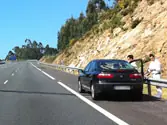
Los conductores de turismos deben utilizar el chaleco reflectante de alta visibilidad...
Car drivers must use the high-visibility reflective vest...
- Asiempre que salgan del vehículo.whenever they get out of the vehicle.
- Bcuando salgan del vehículo y ocupen la calzada o el arcén de una vía interurbana.when they get out of the vehicle and are on the carriageway or hard shoulder of a road outside a built-up area.
- Ccuando salgan del vehículo y ocupen la calzada o el arcén en cualquier vía.when they get out of the vehicle and are on the carriageway or hard shoulder of any road.
ExplanationUnder Article 118.4 of the General Traffic Regulations (as worded by Royal Decree 518/2026), drivers of motorcycles, cars, buses and coaches, goods vehicles, mixed-use vehicles and non-agricultural vehicle combinations must wear a high-visibility reflective vest, day and night, when they get out of the vehicle and are on the carriageway or hard shoulder of roads outside built-up areas. It is best to put it on before getting out.
¿Quién debe prestar el soporte vital básico a las víctimas de un accidente?
Who should give basic life support to accident victims?
- ASiempre el personal especializado.Always trained professionals.
- BEstas acciones deben realizarse siempre en un hospital.These actions must always be carried out in a hospital.
- CEl personal especializado, salvo que la persona que ayude esté totalmente segura de conocer las maniobras y poder realizarlas.Trained professionals, unless the person helping is completely sure they know the techniques and can carry them out.
ExplanationBasic life support, such as cardiopulmonary resuscitation (CPR), should be given by trained professionals. A person without that training should only carry out these techniques if they are completely sure they know them and can do them properly; otherwise, the right thing to do is to call 112 and follow their instructions.
Si su motocicleta se avería en la carretera y supone un obstáculo para la circulación, ¿cómo debe señalizarlo?
If your motorcycle breaks down on the road and is an obstacle to traffic, how must you signal it?
- AObligatoriamente con las luces de posición.You must use the sidelights.
- BCon el dispositivo de preseñalización de peligro que debe llevar.With the hazard warning device it must carry.
- CCon la luz de emergencia si la tiene instalada.With the hazard warning lights, if fitted.
ExplanationMotorcycles do not have to carry the V-16 device (Annex XII of the General Vehicle Regulations), so a broken-down motorcycle that blocks the road is signalled with its hazard warning lights if it has them, as set out in Article 130 of the General Traffic Regulations.
Los chalecos reflectantes, ¿dónde los tendremos que llevar?
Where must you keep the reflective vests?
- AEn el maletero del vehículo.In the boot of the vehicle.
- BEn el interior del vehículo.Inside the vehicle.
- CJunto con las herramientas del vehículo.With the vehicle's tools.
ExplanationKeep the reflective vest inside the vehicle, so that you can put it on before getting out onto the carriageway.
En un accidente con heridos, ¿hay que modificar el estado de las cosas?
In an accident with injured people, should the scene be changed?
- ASí, para restablecer cuanto antes la circulación.Yes, to restore traffic as soon as possible.
- BSí, como norma general.Yes, as a general rule.
- CNo, salvo que haya peligro para los heridos o para la circulación.No, unless there is danger to the injured or to traffic.
ExplanationIn an accident with injured people, do not change the scene or remove traces that help to determine who is responsible. You may only do so if it is necessary to protect the injured or to avoid danger to traffic.
¿Qué causa la mayoría de los accidentes?
What causes most accidents?
- ALas personas.People.
- BLa vía y su entorno.The road and its surroundings.
- CEl vehículo.The vehicle.
ExplanationPeople cause most accidents, because human behaviour is the main factor behind road crashes. Under the rules, factors that affect the driver's physical and mental fitness, such as fatigue, stress and drowsiness, are decisive in causing accidents. So managing behaviour at the wheel is crucial for road safety.
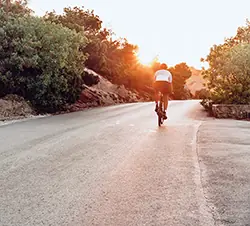
¿Qué precaución puede adoptar para evitar el riesgo de atropello a ciclistas?
What precaution can you take to avoid the risk of hitting cyclists?
- AIniciar un adelantamiento cuando se acerque un grupo de ciclistas en sentido contrario.Start overtaking when a group of cyclists is approaching from the opposite direction.
- BUtilizar señales luminosas para avisar de su propósito de adelantarles.Use light signals to warn them that you intend to overtake.
- CNo hacer señales acústicas cerca de ellos.Do not use sound signals near them.
ExplanationAvoid sound signals near cyclists: the horn can startle them and make them fall or swerve suddenly, which is exactly the opposite of what you want.
¿Qué medidas se deben adoptar al atender a un herido en accidente de tráfico que presenta quemaduras graves y extensas?
What should you do when helping a person injured in a road accident who has serious, extensive burns?
- ARefrigerar con agua la zona quemada.Cool the burnt area with water.
- BPinchar las ampollas producidas por las quemaduras.Burst the blisters caused by the burns.
- CAplicar pomadas adecuadas para quemaduras.Apply suitable burn creams.
ExplanationFor serious burns, cool the area with plenty of water (not ice-cold) to stop the heat and relieve the pain. Do not burst blisters or apply creams, because this increases the risk of infection.
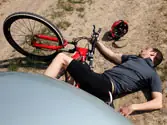
¿Es obligatorio llevar en el vehículo un botiquín de primeros auxilios?
Is it compulsory to carry a first-aid kit in the vehicle?
- ASí.Yes.
- BNo es obligatorio ni recomendable.It is neither compulsory nor advisable.
- CNo es obligatorio pero si recomendable.It is not compulsory, but it is advisable.
ExplanationA first-aid kit is not compulsory equipment, but it is very advisable.
¿Donde se registra el mayor número de accidentes de ciclistas?
Where do most cyclist accidents happen?
- AEn carreteras convencionales.On conventional roads.
- BEn travesías.On travesías (stretches of road through a town).
- CEn autovías.On dual carriageways (autovías).
ExplanationConventional roads have the most accidents involving cyclists, because groups of amateur cyclists use them most at weekends.
En caso de accidente, que significa la regla de actuación PAS?
In an accident, what does the PAS rule mean?
- Aproteger, avisar y socorrer.protect, alert and help (proteger, avisar, socorrer).
- Bparar, auxiliar y señalizar.stop, assist and signal (parar, auxiliar, señalizar).
- Cproteger, auxiliar y socorrer.protect, assist and help (proteger, auxiliar, socorrer).
ExplanationThe PAS rule means protect, alert, help (proteger, avisar, socorrer). Always apply it. 1. PROTECT: take all necessary measures to protect yourself, the accident scene (by marking the area) and the victims. 2. ALERT: alert the emergency services by calling 112. 3. HELP: look after the accident victims.
Ante un accidente con un herido que presenta hemorragia externa en un miembro, ¿qué medida deberá tomar primeramente y que no entrañe peligro para el herido?
At an accident, an injured person has external bleeding from a limb. What is the first measure you should take that does not put the injured person at risk?
- APresionaremos directamente sobre la herida con la mano, gasas o compresas.We will press directly on the wound with a hand, gauze or pads.
- BElevar el miembro afectado por encima del corazón.Raise the injured limb above the heart.
- CAplicaremos un torniquete sobre el miembro afectado.We will apply a tourniquet to the injured limb.
ExplanationWith external bleeding from a limb, the first step is to press directly on the wound with gauze, pads or a clean cloth and keep up the pressure. A tourniquet is only used as a last resort, because it can damage the limb.
Ante un accidente. Uno de los heridos le pide de beber ya que tiene mucha sed.¿Que hará?
At an accident, one of the injured people asks you for a drink because they are very thirsty. What will you do?
- ADarle un sorbo de agua.Give them a sip of water.
- BNo darle agua, pero sí un refresco.Not give them water, but give them a soft drink.
- CNo darle nada.Not give them anything.
ExplanationAn injured person must not be given anything to drink or eat, even if they ask, because they may need surgery under anaesthetic or have internal injuries, and liquid could make them vomit or choke. It is enough to moisten their lips and reassure them.
¿Es importante quedarse con las víctimas de un accidente?
Is it important to stay with the victims of an accident?
- ANo, si no están gravemente heridas.No, if they are not seriously injured.
- BNo, es mejor dejarlas solas.No, it is better to leave them alone.
- CSí, para calmarlas y darles apoyo.Yes, to calm them and give them support.
ExplanationYes. As well as raising the alarm and protecting the scene, you should stay with the injured, talk to them and reassure them until help arrives: anxiety can make their condition worse. Article 129 of the General Traffic Regulations (RGC) requires you to help the victims as far as possible.
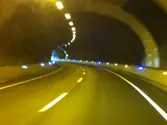
¿Qué debe hacer si su vehículo sufre una avería en un túnel?
What must you do if your vehicle breaks down in a tunnel?
- ADetener el vehículo en cualquier lugar del túnel para evitar el peligro, aunque la avería permita la circulación del vehículo.Stop the vehicle anywhere in the tunnel to avoid danger, even if the breakdown allows the vehicle to keep moving.
- BSi la avería permite la circulación del vehículo, debe continuar hasta salir del túnel o hasta llegar a una zona reservada para emergencias.If the breakdown allows the vehicle to keep moving, continue until you leave the tunnel or reach an emergency area.
- CDejar encendidas las luces de corto alcance y hacer que todos los ocupantes bajen del vehículo.Leave the dipped headlights on and get all the occupants out of the vehicle.
ExplanationIf an emergency leaves a driver immobilised inside a tunnel or underpass, they must: - Switch off the engine, switch on the hazard warning lights and keep the sidelights on. - If possible, drive to the nearest emergency area in their direction of travel. If there is none, stop the vehicle as close as possible to the right-hand edge of the carriageway. - Place and switch on the hazard warning light. - Ask for help without delay from the nearest SOS post, if there is one, and follow the instructions given through it. - The driver and all occupants must leave the vehicle and go quickly to the nearest shelter or exit. Never walk on the carriageway if there are areas closed to vehicles. - If the breakdown allows the vehicle to keep moving, continue to the exit of the tunnel or underpass or, if this is not possible, to an emergency area.
¿Qué debe hacer el conductor de un vehículo implicado para proteger el lugar del accidente?
What must the driver of a vehicle involved in an accident do to protect the accident scene?
- ASeñalizar el lugar del accidente con un triángulo de preseñalización de peligro en todos los casos.Mark the accident scene with a warning triangle in all cases.
- BCortar el encendido de los vehículos, si fuera necesario y factible.Switch off the ignition of the vehicles, if necessary and possible.
- CEncender la señal de emergencia, solamente si es de noche.Switch on the hazard warning lights, only at night.
ExplanationTo stop an accident becoming more serious, both for the injured and because damage could spread to other road users, you must protect (yourself, the accident scene and the victims). - Park your vehicle in a safe place, if possible off the carriageway and the hard shoulder. If this is not possible, switch on the hazard warning lights. - Put on the reflective vest before getting out of the vehicle. Although you only have to carry one, it is a good idea to carry more. - Immobilise the crashed vehicle with the handbrake, switch off the engine and remove the ignition key to avoid explosions from a fuel leak. The ignition of the crashed vehicles must also be switched off, if necessary. - Mark the accident scene with the hazard warning device. - Try to keep traffic safe by warning drivers approaching the accident.
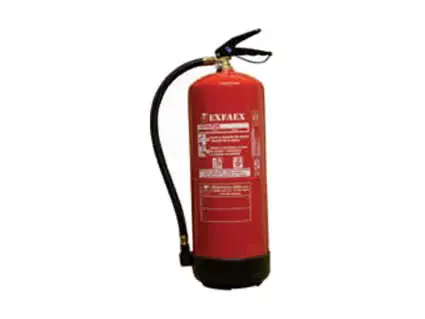
¿Se podrá sustituir el extintor para la lucha contra el fuego del motor, en determinadas ocasiones?
Can the fire extinguisher for fighting engine fires be replaced in certain cases?
- ANo, el extintor portátil es obligatorio.No, the portable extinguisher is compulsory.
- BSí, por un dispositivo fijo o automático o de fácil puesta en marcha.Yes, by a fixed or automatic device, or one that is easy to start.
- CSí, puesto que es opcional.Yes, because it is optional.
ExplanationIn certain cases, the portable extinguisher can be replaced by a fixed or automatic device, or one that is easy to start. This is because other options can be just as effective for fighting engine fires.
La tasa de mortalidad más alta en accidentes de tráfico está entre los...
The highest death rate in road accidents is among...
- AJóvenes.young people.
- BLos niños.children.
- CLos mayores de 65 años.people over 65.
ExplanationThe highest death rate in road accidents is in the 18–29 age group.
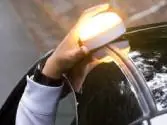
Además del chaleco homologado, ¿qué otro elemento forma parte de la dotación obligatoria en un turismo?
Apart from the approved vest, what other item is part of the compulsory equipment in a car?
- AEl dispositivo de preseñalización V-16.The V-16 hazard warning device.
- BUn extintor.A fire extinguisher.
- CTriángulos reflectantes.Reflective warning triangles.
ExplanationCars, dual-purpose vehicles and goods vehicles with a MAM of no more than 3,500 kg must carry the following accessories, spare parts and tools: an approved high-visibility vest; a hazard warning device, amber in colour, with geolocation and its own power supply (battery), to be placed on the highest possible part of the broken-down vehicle to ensure maximum visibility; and a complete spare wheel, or a temporary-use wheel, with all the tools needed to change it.
Ud. puede sospechar que un herido en accidente de circulación padece daño cerebral porque probablemente su respiración será...
You may suspect that a person injured in a road accident has brain damage because their breathing will probably be...
- ASuperficial e irregular, con pausas prolongadas.shallow and irregular, with long pauses.
- BRuidosas, con ronquido inspiratorio.noisy, with snoring when breathing in.
- CNormal, porque el daño cerebral no altera la respiración.normal, because brain damage does not affect breathing.
ExplanationShallow, irregular breathing with long pauses can be a sign of brain damage. The brain controls breathing, so damage to it can affect how a person breathes. In these cases, breathing can become ineffective, which can put the injured person's life in danger.
En el ámbito del tráfico, ¿qué se entiende por 'grupos vulnerables'?
In traffic, what are 'vulnerable groups'?
- APasajeros heridos en un accidente de coche.Passengers injured in a car accident.
- BGrupos de población con mayor probabilidad de sufrir un accidente.Groups of people more likely to have an accident.
- CJóvenes menores de 30 años que resultan heridos en un accidente.Young people under 30 who are injured in an accident.
ExplanationIn traffic, vulnerable groups are those who, because of their condition, are more likely to have accidents. They include pedestrians, cyclists, children, older people and people with disabilities. The rules recognise that certain groups are particularly exposed to the negative consequences of traffic. That is why the correct answer is 'groups of people more likely to have an accident'. This matches rules that stress awareness and strategies to protect these fragile groups on the roads.
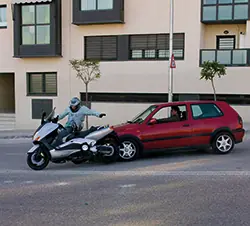
Si presencia un accidente de circulación, ¿tiene obligación de avisar a la Autoridad o a sus agentes si solo hay heridos leves y la seguridad de la circulación está restablecida?
If you witness a road accident, must you inform the authorities or their officers if there are only minor injuries and traffic safety has been restored?
- ANo, salvo que alguna de las personas implicadas en el accidente lo solicite.No, unless one of the people involved in the accident asks for it.
- BSí, siempre.Yes, always.
- CNo, en ningún caso.No, never.
ExplanationUnder Article 129 of the General Traffic Regulations, you do not need to inform the authorities if there are only clearly minor injuries, traffic safety has been restored and none of the people involved asks for it. If someone asks, or if there are significant injuries, you must inform them.
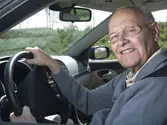
¿En qué situaciones complejas pueden tener más accidentes las personas mayores?
In which complex situations may older people have more accidents?
- AEn las que exijan una respuesta rápida.In those that need a quick response.
- BEn los cambios de dirección.When changing direction.
- CEn los adelantamientos.When overtaking.
ExplanationOlder people may have more accidents in complex situations that need a quick response. This is especially true at junctions and when leaving roads with fast traffic. We should be respectful and patient with older people who need more time when driving, especially in complex situations.
Gran parte de los accidentes son debidos principalmente al factor...
A large share of accidents are mainly caused by the...
- Ahumano.human factor.
- Bvía y entorno.road and surroundings factor.
- Cvehículo.vehicle factor.
ExplanationThe driver can be considered the main cause of a large share of road crashes. So one of the first things you can do to avoid road accidents, or to reduce their consequences, is to avoid the risk factors that depend on the driver.
Si presenciamos un accidente y no paramos para socorrer a los heridos, ¿estamos cometiendo un delito?
If we witness an accident and do not stop to help the injured, are we committing a crime?
- ANo.No.
- BSí.Yes.
- CSolo si somos los causantes del accidente.Only if we caused the accident.
ExplanationFailing to help someone in danger is a crime under the Spanish Criminal Code.
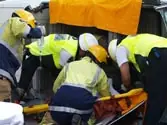
En un accidente de tráfico, ¿deberemos tapar a los heridos?
In a road accident, should you cover the injured?
- ASí.Yes.
- BSí, pero sólo en invierno.Yes, but only in winter.
- CNo, en ningún caso.No, never.
ExplanationAlways cover a person injured in a road accident, both in winter and in summer, to prevent their body temperature from dropping (hypothermia).

Para auxiliar a un herido en accidente de circulación. ¿Qué debe hacer?
To help a person injured in a road accident, what must you do?
- APedir ayuda y controlar su respiración.Call for help and check their breathing.
- BPedir ayuda cuando sea necesaria y sentar al herido.Call for help when necessary and sit the injured person up.
- CPedir ayuda y dar al herido una bebida para animarle.Call for help and give the injured person a drink to cheer them up.
ExplanationIn a road accident with injured people, after protecting the scene, alert the emergency services to ask for help (112). Then make a general assessment of all the victims to see which one is in the most serious condition: check whether they are conscious, breathing or have a pulse. As a general rule, do not move the injured, and never give them food or drink, even if they ask for it.
¿Qué haremos si estamos implicados en un accidente de tráfico?
What will you do if you are involved in a road accident?
- ASi hay un herido inconsciente, comenzar la respiración cardiopulmonar incluso dentro del coche.If someone is unconscious, start cardiopulmonary resuscitation, even inside the car.
- BSacar rápidamente a todos los ocupantes del vehículo.Quickly get all the occupants out of the vehicle.
- CEsperar a que llegue el personal especializado para atender a los heridos.Wait for specialised staff to arrive to look after the injured.
ExplanationIf you do not have basic first-aid knowledge and there is no risk to the victims, it is best not to handle them, to avoid more serious harm.
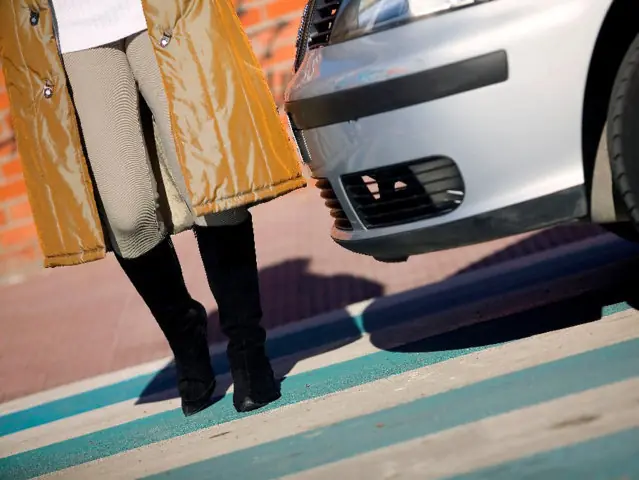
¿A qué grupo de edad pertenecen la mayor parte de los peatones fallecidos en accidente de tráfico?
Which age group do most pedestrians killed in road accidents belong to?
- ADe 17 a 24 años.17 to 24.
- BDe 6 a 14 años.6 to 14.
- CDe 75 años en adelante.75 and over.
ExplanationMost pedestrians killed in road accidents are aged 75 or over. Older people are more vulnerable in traffic because of reduced mobility, poorer eyesight and slower reactions.
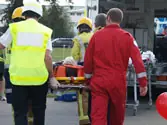
Si al llegar al lugar de un accidente la ayuda ya está organizada, ¿qué haremos?
If help is already organised when you arrive at the scene of an accident, what will you do?
- AParar, estamos obligados a ello.Stop, because you are obliged to.
- BContinuar la marcha para no entorpecer el tráfico que nos sigue.Continue on your way so as not to obstruct the traffic behind you.
- CParar para comprobar que la organización es la adecuada.Stop to check that the help is properly organised.
ExplanationIf help is already organised and you cannot add anything specific, continue on your way so as not to obstruct the traffic behind you. Just slowing down can cause a big traffic jam behind you: this is known as the 'rubbernecking' effect.
¿En qué tipo de vías se producen más accidentes mortales?
On which type of road do most fatal accidents happen?
- AEn Autopistas y Autovías.On motorways (autopistas) and dual carriageways (autovías).
- BEn carreteras convencionales.On conventional roads.
- CEn las travesías.On travesías (stretches of road through a town).
ExplanationMost deaths happen on roads outside built-up areas. Dual carriageways and motorways are safer than conventional roads.
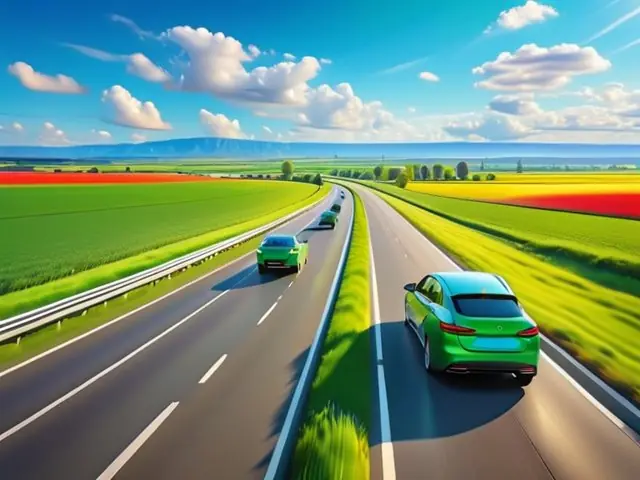
De acuerdo con los datos de accidentalidad con víctimas mortales, las autopistas y autovías son...
According to data on fatal accidents, motorways and dual carriageways are...
- AIgual de seguras que las carreteras convencionales.as safe as conventional roads.
- BMás seguras que las carreteras convencionales.safer than conventional roads.
- CMenos seguras que las carreteras convencionales.less safe than conventional roads.
ExplanationMotorways and dual carriageways are generally considered safer because the carriageways for each direction are separate (so there are no head-on collisions), there are usually several lanes, and there are no slow-moving vehicles.
¿Es obligatorio llevar el chaleco reflectante en una motocicleta?
Is it compulsory to carry the reflective vest on a motorcycle?
- ASolo durante la noche.Only at night.
- BSí, es obligatorio.Yes, it is compulsory.
- CNo es obligatorio pero sí es recomendable.It is not compulsory, but it is advisable.
ExplanationUnder Article 118.4 of the General Traffic Regulations (as worded by Royal Decree 518/2026), a motorcycle rider must wear a high-visibility reflective vest when they get off the motorcycle and are on the carriageway or hard shoulder of a road outside a built-up area. Also, from 1 October 2026 motorcycles must carry one as part of their equipment (Annex XII of the General Vehicle Regulations).
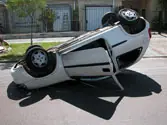
Si presenciamos un accidente, ¿tenemos la obligación de detenernos?
If you witness an accident, are you obliged to stop?
- ASí, para prestar ayuda.Yes, to help.
- BSí, pero sólo si lo solicitan los accidentados.Yes, but only if the people in the accident ask you to.
- CNo, si no estamos implicados en el accidente.No, if you are not involved in the accident.
ExplanationAnyone who witnesses, comes across or is involved in an accident must help when necessary, as long as there is no risk to themselves or others. Failing to do so is the crime of failure to help (omisión de socorro) under the Criminal Code. The same applies to people who cannot help but do not urgently ask others for help.
¿A qué número debemos llamar para avisar y pedir ayuda en caso de accidente?
What number should you call to report an accident and ask for help?
- A012.012.
- B112.112.
- C110.110.
ExplanationTo report an accident, call 112. They will coordinate the help needed. This number is free, works even when you have no coverage, and works across Europe.
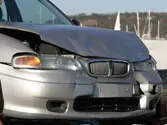
¿Cuál es el tipo de accidente con víctimas mortales más usual dentro de poblado?
What is the most common type of fatal accident in built-up areas?
- AColisión por alcances traseros.Rear-end collisions.
- BColisiones frontales.Head-on collisions.
- CAtropello a peatones.Pedestrians being hit.
ExplanationIn built-up areas, the most common type of accident is a rear-end collision (being hit from behind by another vehicle), which does not usually cause deaths. Pedestrians being hit is the type of accident that causes the most deaths in built-up areas.
All topics
- Definitions
- Documents and penalty points
- The driver's condition
- Duties of drivers and pedestrians
- Vehicle safety devices
- Vehicle controls and equipment
- Vehicle lights and horn
- Traffic signs, markings and signals
- The road and its lanes
- Speed and distances
- Manoeuvres
- Right of way
- Carrying passengers and loads
- Driving safely in difficult conditions
- Vehicle mechanics and maintenance
- Defensive and eco-driving
Independent app: not affiliated with or endorsed by the DGT (Spain's Directorate-General for Traffic) or the Ministry of the Interior. The official exam is booked with the DGT and taken at its test centres. The questions here are practice material; the DGT's official question bank is not public.
Basado en datos de la Agencia Estatal Boletín Oficial del Estado (https://www.boe.es). Textos consolidados de carácter meramente informativo. La AEBOE no patrocina ni respalda este sitio.
Parte de las preguntas procede de los tests de la revista «Tráfico y Seguridad Vial» de la DGT, reproducidos con indicación de la fuente.