
DGT test · 626 questions
Road accidents and first aid · Page 4 of 13
What to do at a crash: protect, alert and help, basic first aid, and marking a stopped vehicle with the V-16 beacon.
Questions in this topic, with answers
626 questions, 50 per page, with the correct answer and the explanation. Page 4 of 13.
Según los datos de accidentalidad, ¿en qué tipo de vehículo mueren más conductores en accidentes de tráfico?
According to accident data, in which type of vehicle do most drivers die in road accidents?
- ATurismo.Car.
- BFurgoneta.Van.
- CMotocicleta.Motorcycle.
ExplanationAccording to accident data, most drivers killed in road accidents are driving a car. Motorcycles are high-risk because they give no protection, but in absolute terms car accidents are more frequent because there are many more cars on the roads.
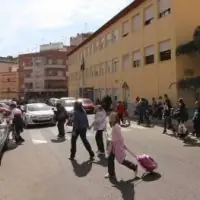
¿Son los niños especialmente vulnerables a los atropellos?
Are children especially vulnerable to being hit by vehicles?
- ASí, debido a su baja estatura.Yes, because they are short.
- BNo.No.
- CSí, porque el vehículo suele ir a mayor velocidad.Yes, because the vehicle is usually going faster.
ExplanationChildren are especially vulnerable because, being short, they see traffic less well and drivers see them less well, especially between parked vehicles. They also judge distances and speeds poorly and can react unpredictably.
Si un conductor ve un accidente de tráfico en el que no está implicado, ¿debe detenerse para ayudar?
If a driver sees a traffic accident in which they are not involved, must they stop to help?
- ANo.No.
- BSí, en general.Yes, in general.
- CSolo si tiene conocimientos de primeros auxilios.Only if they know first aid.
ExplanationUnder Article 129 of the General Traffic Regulations (RGC), anyone who witnesses an accident without being involved must help or call for help, unless their help is clearly not needed or the police are already there. That is why the answer is ‘yes, in general’, and knowing first aid is not required.
En caso de colisión entre un ciclista y otro vehículo, ¿en qué parte del cuerpo del ciclista se suelen producir las lesiones más graves?
In a collision between a cyclist and another vehicle, which part of the cyclist's body usually suffers the most serious injuries?
- AEn la cabeza.The head.
- BEn los miembros inferiores.The lower limbs.
- CEn el tórax.The chest.
ExplanationHead injuries are usually the most frequent and the most serious, which is why wearing a helmet is recommended. Injuries to the lower limbs are usually minor, such as knee wounds. Chest injuries are rare.
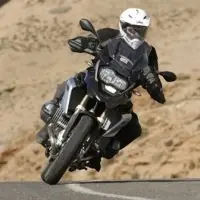
Para evitar los accidentes con motocicletas es recomendable...
To avoid accidents with motorcycles, it is advisable to...
- Acircular en paralelo con estos vehículos.drive alongside these vehicles.
- Breducir la distancia de seguridad para ver mejor a la motocicleta.reduce the safe distance to see the motorcycle better.
- Cno circular en paralelo con los vehículos de dos ruedas.not drive alongside two-wheeled vehicles.
ExplanationThe Traffic Regulations tell us that vehicles in general should not drive side by side with two-wheeled vehicles such as motorcycles. If the motorcycle moves sideways, because of the wind or for any other reason, it could lose balance and hit the side of the vehicle.
¿A partir de qué edad aumenta de forma importante la mortalidad en los accidentes de tráfico?
From what age does the death rate in road accidents rise sharply?
- AA partir de los 15 o 16 años, por los conductores de ciclomotores.From 15 or 16, because of moped riders.
- BA partir de los 29 años.From 29.
- CNo existe ninguna edad específica.There is no specific age.
ExplanationThe death rate in road accidents rises sharply from 15 or 16, when many young people start riding mopeds. Lack of experience and a greater tendency to take risks explain this rise.
Los accidentes de tráfico generan costes...
Road accidents create costs that are...
- Aadministrativos, materiales y sanitarios, pero no humanosadministrative, material and health-related, but not human.
- Bmateriales, sanitarios, administrativos y humanos.material, health-related, administrative and human.
- Cmateriales y sanitarios solamente.material and health-related only.
ExplanationRoad accidents do not only cause material damage and tragic human situations. They also have a high economic cost because of healthcare, administrative work, etc. All citizens end up paying these costs.
Los accidentes de motocicleta más frecuentes son...
The most common motorcycle accidents are...
- ALos accidentes en solitario.single-vehicle accidents.
- BLas colisiones entre 2 vehículos.collisions between 2 vehicles.
- CLas colisiones múltiples.multiple-vehicle collisions.
ExplanationThe most common motorcycle accidents are collisions between 2 vehicles, followed by single-vehicle accidents, multiple-vehicle collisions and, finally, hitting pedestrians.
¿En los accidentes de tráfico debemos tapar a los heridos?
In road accidents, should you cover the injured?
- ASí, tanto en invierno como en verano.Yes, both in winter and in summer.
- BSí, sólo en invierno.Yes, only in winter.
- CNo, nunca.No, never.
ExplanationIn winter and in summer, cover the injured lightly so that they do not suffer from hypothermia.

El chaleco reflectante de uso obligatorio al descender del turismo en caso de accidente en una vía interurbana,¿cuándo se lo debe poner el conductor?
The reflective vest must be worn when getting out of the car after an accident on a road outside a built-up area. When must the driver put it on?
- AAntes de bajar del vehículo.Before getting out of the vehicle.
- BDespués de bajar del vehículo.After getting out of the vehicle.
- CEs indiferente si antes o después.Before or after, it makes no difference.
ExplanationAt an accident, first take protective measures for yourself and for other road users. Protect yourself by parking your vehicle in a safe place, if possible off the carriageway and the hard shoulder. If this is not possible, switch on the hazard warning lights. Put on the reflective vest before getting out of the vehicle. It is important to get out already wearing the vest, so that other road users can see you better and you are better protected. Although you only have to carry one in the vehicle, it is a good idea to carry more.
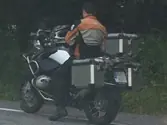
Si nuestra motocicleta se avería en la calzada, ¿como lo señalizaremos si supone un obstáculo para la circulación?
If your motorcycle breaks down on the carriageway, how will you signal it if it is an obstacle to traffic?
- AObligatoriamente con las luces de posición.With the sidelights, which is compulsory.
- BCon los triángulos de preseñalización de peligro, que estamos obligados a llevar.With the warning triangles, which you must carry.
- CCon la luz de emergencia si la llevamos instalada.With the hazard warning lights, if the motorcycle has them.
ExplanationIf a broken-down motorcycle blocks traffic, it is signalled with the hazard warning lights if it has them. Under Annex XII of the General Vehicle Regulations, motorcycles do not have to carry the V-16 device. From 1 October 2026 they must carry a high-visibility reflective vest.
En caso de incendio en un túnel, debes:
If there is a fire in a tunnel, you must:
- ASeguir conduciendoKeep driving
- BApagar el motor, dejar las llaves puestas, y evacuar hacia la salida más cercanaSwitch off the engine, leave the keys in and evacuate towards the nearest exit
- CDar la vueltaTurn around
ExplanationIf there is a fire in a tunnel, switch off the engine, leave the keys in (to make the emergency services' work easier) and walk to the nearest exit or signposted shelter.
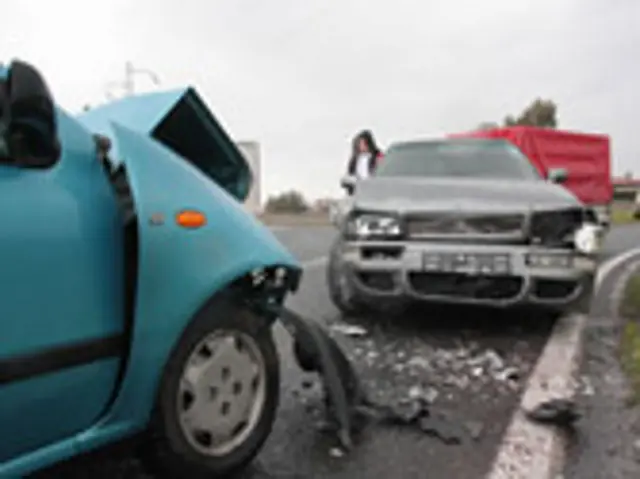
Si presencia un accidente de tráfico, ¿debe detenerse para ayudar a las víctimas?
If you witness a road accident, must you stop to help the victims?
- ASolo si alguna autoridad presente lo pide.Only if an official at the scene asks you to.
- BSí, a menos que la ayuda ya esté organizada.Yes, unless help is already organised.
- CNo, porque si no está involucrado no tiene ninguna responsabilidad.No, because if you are not involved you have no responsibility.
ExplanationUnder Article 129 of the General Traffic Regulations, anyone who witnesses an accident or learns about it must help the victims or call for help, unless their help is clearly not needed, for example because help is already organised.
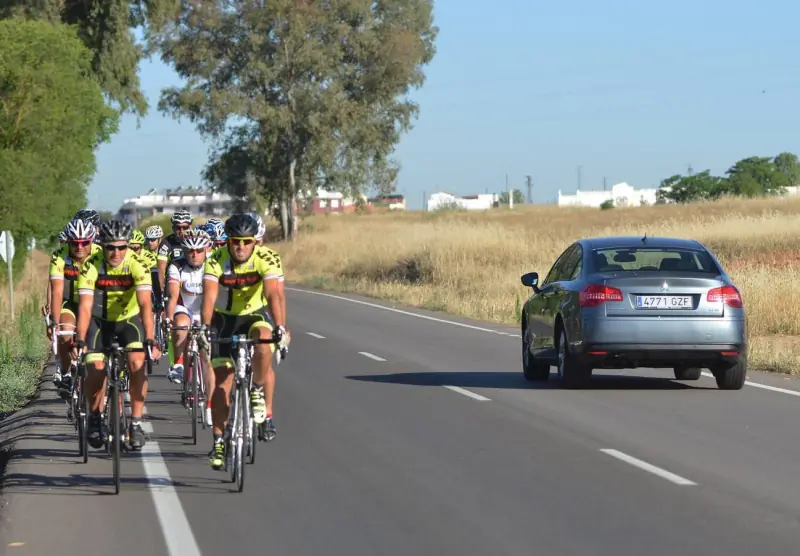
¿Cuándo se producen más accidentes de ciclistas, en invierno o en verano?
When do more cycling accidents happen, in winter or in summer?
- AEs indiferente.It makes no difference.
- BEn invierno, debido a las condiciones meteorológicas adversas.In winter, because of bad weather.
- CEn verano, porque con la llegada del buen tiempo hay más ciclistas en la carretera.In summer, because with the good weather there are more cyclists on the road.
ExplanationAccording to DGT data, cycling accidents increase in summer because with the good weather and the holidays there are many more cyclists on the roads. This greater exposure matters more than winter weather.
Los costes de los daños materiales por accidentes afectan...
The costs of material damage caused by accidents affect...
- Aal vehículo y su carga, a la vía y al medio ambiente.the vehicle and its load, the road and the environment.
- Bsolo a la vía, porque son los más elevados.only the road, because these costs are the highest.
- Csolo al vehículo.only the vehicle.
ExplanationThe material damage from an accident is not limited to the vehicle: it also affects the load being carried, the road and its fixtures (signs, barriers, road surface) and the environment, for example through fuel spills or fires. All of this leads to repair and clean-up costs.
Una de las principales causas de muerte en accidentes de motocicleta y ciclomotor es...
One of the main causes of death in motorcycle and moped accidents is...
- ANo usar el casco de seguridad.not wearing a safety helmet.
- BGolpearse con el asfalto en las caídas.hitting the road surface when falling.
- CSer atropellado por otros vehículos.being run over by other vehicles.
ExplanationOne of the main causes of death in motorcycle crashes is not wearing a safety helmet. In front-to-side collisions where the rider falls onto the road, not wearing an approved helmet, or wearing it badly fastened, can cause multiple skull injuries that lead to death.
Si por accidente u otra emergencia un vehículo tiene que ser inmovilizado en una autovía o autopista...
If an accident or other emergency forces a vehicle to stop on a dual carriageway (autovía) or motorway (autopista)...
- Asus ocupantes pueden transitar por la calzada, tomando las debidas precauciones.its occupants may walk on the carriageway, taking due care.
- Bninguno de los ocupantes del vehículo puede transitar por la calzada.none of the vehicle's occupants may walk on the carriageway.
- Clos ocupantes del vehículo pueden transitar por la calzada, excepto los menores de edad.the vehicle's occupants may walk on the carriageway, except minors.
ExplanationUnder Article 130.3 of the General Traffic Regulations, if the vehicle is immobilised and cannot move again, the occupants must get out on the side away from the traffic, without walking or staying in the lanes or on the hard shoulders. If they cannot do this safely, they must stay inside with their seat belts fastened. Also, Article 125.1 prohibits pedestrians from walking on motorways and dual carriageways, except in the cases in Article 130.
¿Dónde sufren los peatones más accidentes?
Where do pedestrians have the most accidents?
- AEn las ciudades.In towns and cities.
- BEn las vías interurbanas.On roads outside built-up areas.
- CTanto en poblado como fuera de poblado la cantidad de accidentes es igual.The number of accidents is the same in and outside built-up areas.
ExplanationPedestrians have the most accidents in towns and cities, because that is where they usually walk. However, injuries are more serious on roads outside built-up areas, because vehicles travel faster there.
¿Cuántos chalecos reflectantes, como mínimo, se deben llevar en el vehículo?
What is the minimum number of reflective vests you must carry in the vehicle?
- AUno.One.
- BDos.Two.
- CTantos como plazas tenga el vehículo.As many as the vehicle has seats.
ExplanationYou must carry at least one reflective vest. The driver must put it on when getting out of the vehicle onto the carriageway or hard shoulder of a road outside a built-up area.
¿Tiene que llevar un coche un extintor?
Must a car carry a fire extinguisher?
- ANo.No.
- BSí.Yes.
- CSí, pero solo cuando circule fuera de poblaciones.Yes, but only when it is driven outside built-up areas.
ExplanationAnnex XII of the General Vehicle Regulations lists what a car must carry: the V-16 beacon, a reflective vest and a spare wheel or an alternative system. A fire extinguisher is only required for buses, goods and mixed-use vehicles over 3,500 kg, and vehicle combinations.
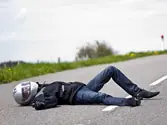
Si en un accidente de motocicleta uno de los heridos sangra por la nariz...
If one of the people injured in a motorcycle accident is bleeding from the nose...
- Ataponaremos inmediatamente, para que no pierda más sangre.you will plug it immediately so that they do not lose more blood.
- Bno taponaremos la nariz.you will not plug the nose.
- Ctaponaremos la nariz intermitentemente.you will plug the nose on and off.
ExplanationAn injured person bleeding from the nose may have internal bleeding, with the blood coming out through the nose. In these cases do not stop the bleeding; let it flow freely.
En una carretera, si tenemos que salir del vehículo por una emergencia, debemos...
On a road, if you have to get out of the vehicle because of an emergency, you must...
- APonernos cualquier prenda reflectante.Put on any reflective garment.
- BPonernos un chaleco reflectante de alta visibilidad.Put on a high-visibility reflective vest.
- CPonernos el chaleco solo si es de noche.Put on the vest only if it is night-time.
ExplanationUnder Article 118.4 of the General Traffic Regulations (as worded by Royal Decree 518/2026), a driver who gets out of the vehicle onto the carriageway or hard shoulder of a road outside a built-up area must wear, day and night, a high-visibility reflective vest that meets the requirements for personal protective equipment. It is best to put it on before getting out.
¿Es obligatorio llevar el triángulo de preseñalización?
Is it compulsory to carry the warning triangle?
- ASí, siempreYes, always
- BNo, ya no es obligatorioNo, it is no longer compulsory
- CSolo en autopistaOnly on motorways (autopistas)
ExplanationSince 1 January 2026, triangles no longer count as a hazard warning device: under Annex XII of the General Vehicle Regulations, the compulsory equipment of a car is the connected V-16 flashing warning beacon. Carrying triangles is no longer compulsory.
¿Debemos retirar el casco de seguridad a un herido en accidente de moto?
Should we remove the helmet of a person injured in a motorcycle accident?
- ANo, como norma general.No, as a general rule.
- BÚnicamente cuando pueda tener lesiones medulares.Only when they may have spinal cord injuries.
- CSí, en todos los casos para evitar la asfixia.Yes, in all cases, to prevent suffocation.
ExplanationYou should not remove an injured motorcyclist's helmet, because moving their head can make possible injuries to the neck (cervical spine) worse. It would only be removed if it prevents breathing or the person needs resuscitation, and always by someone who knows the proper technique.
Circulando por una vía fuera de poblado durante el día y con buen tiempo, ¿deberemos ponernos el chaleco antes de bajar del vehículo en caso de avería?
You are driving on a road outside a built-up area, by day and in good weather. If you break down, must you put on the vest before getting out of the vehicle?
- ANo, el chaleco sólo nos lo pondremos de noche o en condiciones adversas.No. You only put on the vest at night or in bad conditions.
- BSí.Yes.
- CSí, y también lo deberemos usar en las vías urbanas.Yes, and you must also use it on roads in built-up areas.
ExplanationWhen the driver gets out of the vehicle on a road outside a built-up area and is on the carriageway or hard shoulder, they must wear the approved reflective vest. So the vest must be kept inside the passenger compartment, so that they can get out already wearing it.
Los costos producidos por los accidentes son:
The costs caused by accidents are:
- AMateriales y personales, pero solo para los accidentados.material and personal, but only for the people in the accident.
- BPara toda la sociedad.borne by the whole of society.
- CSolo personales.personal only.
ExplanationThe costs of road accidents fall on society as a whole, not only on the people involved in the accident.
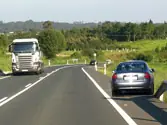
Si un vehículo realiza una detención por avería en el arcén de la vía, ¿cómo lo señalizará?
If a vehicle stops on the hard shoulder because of a breakdown, how will it be signalled?
- ANo lo señalizará porque no está en la calzada.It will not be signalled, because it is not on the carriageway.
- BCon las luces de posición solamente.With the sidelights only.
- CCon las luces de emergencia.With the hazard warning lights.
ExplanationIf a vehicle is immobilised on a public road because of a breakdown, on the carriageway or on the hard shoulder, it must be signalled with the hazard warning lights and also with the hazard warning device, by day and by night. At night, also switch on the sidelights. The V-16 hazard warning device is an approved amber-yellow light with geolocation. It runs on its own power supply (batteries). It must be placed on the highest point of the broken-down vehicle, to make it as visible as possible. Today the V-16 is the only legal way to signal a broken-down vehicle or an obstacle on the road. Warning triangles are no longer used.
¿Cómo se llaman las circunstancias que aumentan la probabilidad de un accidente?
What are the circumstances that increase the likelihood of an accident called?
- Afactores de accidentalidad directadirect accident factors
- Bmarcadores de riesgorisk markers
- Cfactores de riesgorisk factors
Explanation'Risk factors' are the circumstances that increase the likelihood of an accident. They can include conditions of the driver, the vehicle and the surroundings, and the behaviour of other road users. According to the General Traffic Regulations, it is essential to identify and control these factors to improve road safety and reduce the number of accidents.
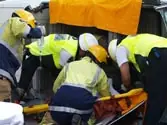
Los costes por primeros auxilios, atención y tratamiento a los heridos, rehabilitación y adaptaciones, ¿cómo se llaman?
What are the costs of first aid, care and treatment of the injured, rehabilitation and adaptations called?
- ACostes sanitarios.Health costs.
- BCostes materiales.Material costs.
- CCostes administrativos.Administrative costs.
ExplanationThe health costs of a road accident are the costs of first aid, care and treatment of the injured, rehabilitation and adaptations.
Un herido en accidente de circulación que presenta parálisis y carece de sensibilidad en las piernas, probablemente padecerá...
A person injured in a road accident who is paralysed and has no feeling in their legs probably has...
- AUna fractura del hueso.a broken bone.
- BUn \"estado de shock\" (choque).a 'state of shock'.
- CUna lesión de médula espinal.a spinal cord injury.
ExplanationA spinal cord injury is the most likely cause of paralysis and loss of feeling in the legs. The spinal cord carries signals between the brain and the body. If it is injured, these signals can be interrupted, and the person cannot move or feel their legs.
El conductor de un turismo debe utilizar el chaleco reflectante de alta visibilidad...
The driver of a car must use the high-visibility reflective vest...
- Asiempre que salga del vehículo.whenever they get out of the vehicle.
- Bcuando salga del vehículo y ocupen la calzada o el arcén de una vía interurbana.when they get out of the vehicle and are on the carriageway or hard shoulder of a road outside a built-up area.
- Ccuando salga del vehículo y ocupen la calzada o el arcén en cualquier vía.when they get out of the vehicle and are on the carriageway or hard shoulder of any road.
ExplanationUnder Article 118.4 of the General Traffic Regulations (as worded by Royal Decree 518/2026), drivers of motorcycles, cars, buses and coaches, goods vehicles, mixed-use vehicles and non-agricultural vehicle combinations must wear a high-visibility reflective vest, day and night, when they get out of the vehicle and are on the carriageway or hard shoulder of roads outside built-up areas. It is best to put it on before getting out.
Si con un vehículo particular tiene que realizar un servicio destinado a los vehículos de emergencias, ¿cómo lo hará?
If you have to use a private vehicle to do a job normally done by emergency vehicles, how will you do it?
- ARespetando las normas y las señales.Respecting the rules and the signs.
- BRespetando las normas pero no las señales.Respecting the rules but not the signs.
- CAdvirtiéndolo adecuadamente y respetando normas y señales.Giving proper warning and respecting the rules and signs.
ExplanationWhen a private vehicle has to do a job normally reserved for priority (emergency) vehicles, the driver must try to make other road users aware of this special situation, and must respect all rules and signs.
¿Durante cuánto tiempo realizaremos la reanimación cardiopulmonar?
For how long should you continue cardiopulmonary resuscitation (CPR)?
- AHasta haber realizado un máximo de 30 compresiones.Until you have done a maximum of 30 compressions.
- BHasta la llegada de asistencia sanitaria.Until medical help arrives.
- CHasta un máximo de tres minutos.For a maximum of three minutes.
ExplanationCPR uses chest compressions to keep the blood circulating. It is important to continue CPR until medical help arrives.
Entre los gastos sanitarios por accidentes de tráfico con víctimas están...
The healthcare costs of road accidents with victims include…
- Alos derivados de la pérdida de productividad de los trabajadores.those resulting from workers' lost productivity.
- Blos daños causados al medio ambiente.damage caused to the environment.
- Clos gastos de rehabilitación en centros sanitarios.the costs of rehabilitation in healthcare centres.
ExplanationThe healthcare costs of an accident with victims are the costs of medical care: care at the scene, transport, hospital treatment and rehabilitation in healthcare centres. Lost productivity and damage to the environment are also costs of the accident, but they are not healthcare costs.
En un accidente de tráfico si hay heridos de los que se sospecha puedan tener alguna lesión medular, ¿cómo se deberá actuar?
In a road accident, if some injured people may have a spinal cord injury, what should you do?
- ASe debe trasladar, cuanto antes a los heridos, utilizando para ello algún vehículo amplio y colocando a los heridos tumbados en el asiento trasero.Take the injured to hospital as soon as possible in a large vehicle, lying on the back seat.
- BSe debe evitar mover a los heridos.Avoid moving the injured.
- CSe les debe dar de beber agua cuanto antes para mantenerlos hidratados.Give them water to drink as soon as possible to keep them hydrated.
ExplanationIf injured people may have a spinal cord injury, do not move them. Moving them wrongly can make the injury worse and cause serious, permanent damage. Wait for the emergency services and keep the injured person calm and still until they arrive.
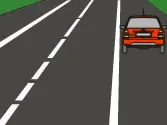
Al inmovilizar un turismo por emergencia, ¿se debe colocar el dispositivo de preseñalización de peligro?
When a car is immobilised because of an emergency, must the hazard warning device be placed?
- ANo, basta con encender la señal de emergencia.No, switching on the hazard warning lights is enough.
- BSí, en la parte más alta posible del vehículo inmovilizado, garantizando su máxima visibilidad.Yes, on the highest possible point of the immobilised vehicle, to make it as visible as possible.
- CSí, en el suelo, a 50 metros por detrás del vehículo inmovilizado.Yes, on the ground, 50 metres behind the immobilised vehicle.
ExplanationThe V-16 hazard warning device is an approved amber-yellow light with geolocation. It runs on its own power supply (batteries). It must be placed on the highest point of the broken-down vehicle, to make it as visible as possible. Today the V-16 is the only legal way to signal a broken-down vehicle or an obstacle on the road. Warning triangles are no longer used.
Ante un motorista herido en un accidente, respecto a su casco:
With a motorcyclist injured in an accident, what about their helmet?
- ADebe quitarse siempre de inmediato.It must always be removed immediately.
- BNo debe retirarse salvo necesidad vital (por ejemplo, que no respire), y con extrema precaución.It must not be removed unless it is vital (for example, they are not breathing), and then with extreme care.
- CDebe girarse la cabeza con fuerza.The head must be turned firmly.
ExplanationDo not remove the helmet unless it is essential to save their life (they have stopped breathing), because of the risk of making neck injuries worse.
¿Es importante invertir en la seguridad vial?
Is it important to invest in road safety?
- ASí, porque ayuda a reducir considerablemente los accidentes.Yes, because it helps to reduce accidents considerably.
- BNo, porque no tiene mayor importancia.No, because it is not very important.
- CEs indiferente.It makes no difference.
ExplanationBesides the human tragedy, road accidents have a huge economic impact, which all citizens end up paying for, directly or indirectly. The costs of road crashes represent 2% of gross domestic product (GDP). Investing in road safety can considerably reduce the number of accidents and their consequences.
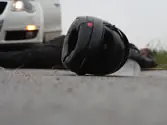
La mayor parte de las víctimas mortales en accidentes de tráfico se producen en...
Most road deaths happen on...
- ALas vías urbanas.roads in built-up areas.
- BLas vías interurbanas.roads outside built-up areas.
- CLas travesías.travesías (stretches of road through a town).
ExplanationMost casualties, especially fatal ones, happen on roads outside built-up areas. Most accidents happen during holiday periods, at weekends and on public holidays.
La mayoría de accidentes de ciclistas se producen en...
Most cyclist accidents happen on...
- ACarreteras convencionales.conventional roads.
- BTravesías.travesías (stretches of road through a town).
- CVías para automóviles.roads reserved for motor vehicles (vías para automóviles).
ExplanationMost cyclist accidents happen on conventional roads, because these are the roads most used by amateur cyclists, especially on straight stretches and at junctions.
En un accidente de tráfico en el que usted debe prestar ayuda, hay un herido dentro del vehículo siniestrado. Como norma general...
In a road accident where you must help, there is an injured person inside the crashed vehicle. As a general rule...
- ASi está inconsciente, deberá hacerle masaje cardíaco, aun dentro del vehículo.If they are unconscious, you must give them heart massage, even inside the vehicle.
- BNo intentará sacar al herido del vehículo hasta tanto no llegue la ayuda especializada.You will not try to take the injured person out of the vehicle until specialised help arrives.
- CDeberá sacar al herido rápidamente del vehículo.You must get the injured person out of the vehicle quickly.
ExplanationYou should not try to take the injured person out, because this can cause more harm. In many cases, internal or spinal injuries can get worse if the person is moved. The best action is to wait for the professionals, who have the equipment and knowledge to carry out the rescue safely.
¿Es obligatorio llevar un chaleco reflectante en un turismo?
Is it compulsory to carry a reflective vest in a car?
- ASí, es obligatorio llevar un chaleco.Yes, you must carry one vest.
- BNo, no es obligatorio en un turismo.No, it is not compulsory in a car.
- CSí, es obligatorio llevar dos chalecos.Yes, you must carry two vests.
ExplanationA high-visibility reflective vest is part of the equipment a car must carry, and one is enough. Article 118.4 of the General Traffic Regulations requires the driver to put it on when they get out of the vehicle and go onto the carriageway or hard shoulder of a road outside built-up areas.
¿Es obligatorio ponerse el chaleco reflectante en caso de accidente en horas diurnas?
Is it compulsory to put on the reflective vest in the event of an accident during daylight hours?
- ASí, al salir a la calzada o al arcén de una vía interurbana.Yes, when you step onto the carriageway or hard shoulder of a road outside built-up areas.
- BNo, solo es obligatorio de noche.No, it is only compulsory at night.
- CSí, pero únicamente en vías urbanas.Yes, but only on roads in built-up areas.
ExplanationUnder Article 118.4 of the General Traffic Regulations (RGC), the driver must put on the high-visibility reflective vest when getting out of the vehicle and stepping onto the carriageway or hard shoulder of a road outside built-up areas, both by day and by night. On roads in built-up areas it is not compulsory.
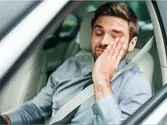
¿En qué vías hay más riesgo de monotonía?
On which roads is there more risk of monotony?
- AEn las autopistas.On motorways.
- BEn las vías dentro de poblado.On roads in built-up areas.
- CEn las carreteras convencionales.On conventional roads.
ExplanationDriving on motorways and dual carriageways does not demand much from the driver in terms of surroundings and traffic. This gives the driver a feeling of routine and lack of stimulation, with the risk of monotony and reduced alertness.

¿Cuándo sufren más accidentes los niños como peatones?
When do children have more accidents as pedestrians?
- AAl principio de la jornada escolar.At the start of the school day.
- BAl final de la jornada escolar.At the end of the school day.
- CDurante la jornada laboral.During working hours.
ExplanationStatistically, most children in accidents are boys aged 5 to 9, and they have more accidents at the end of the school day.
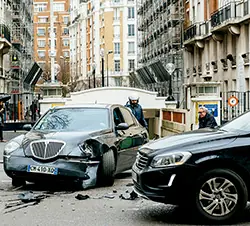
Siempre que sea posible, ¿cómo debe inmovilizar un vehículo que se ha visto implicado en un accidente?
Whenever possible, how should you immobilise a vehicle that has been involved in an accident?
- ACon unos calzos o con cualquier elemento que sirva como tal.With wheel chocks or anything that can be used as one.
- BCortando el contacto y echando el freno de mano.By switching off the ignition and applying the handbrake.
- CDesconectando los bornes de la batería.By disconnecting the battery terminals.
ExplanationAfter an accident, the vehicle is immobilised by switching off the ignition, which reduces the risk of fire, and applying the handbrake so that it does not move.
La Organización Mundial de la Salud (OMS) considera que la siniestralidad vial...
The World Health Organization (WHO) considers road accidents to be...
- Ano es un problema de salud pública sino de educación, únicamente.not a public health problem, but only an education problem.
- Bes un problema secundario de salud pública.a secondary public health problem.
- Ces un problema prioritario de salud pública en todo el mundo.a priority public health problem worldwide.
ExplanationSeveral international organisations, such as the World Health Organization (WHO), consider road accidents a priority public health problem worldwide.
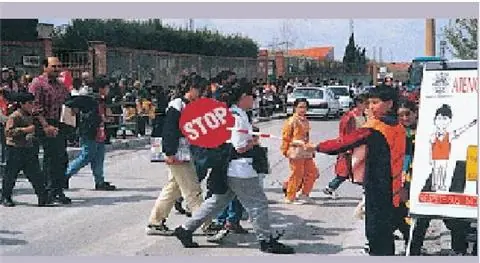
Como peatones, los niños de entre 6 y10 años son especialmente vulnerables debido a que en caso de atropello el mayor daño se produce habitualmente en...
As pedestrians, children aged 6 to 10 are especially vulnerable because, if they are hit by a vehicle, the worst injuries usually affect...
- Alas rodillas.the knees.
- Bla cabeza o en partes vitales del cuerpo.the head or vital parts of the body.
- Clas extremidades inferiores.the legs.
ExplanationBecause they are short, children aged 6 to 10 who are hit by a vehicle usually take the impact directly on the head, chest or abdomen, which are vital parts of the body. That is why their injuries are more serious than those of an adult hit on the legs.
De día y con buena visibilidad, ¿hay que ponerse el chaleco reflectante al salir del vehículo en una vía interurbana?
In the daytime and with good visibility, must you put on the reflective vest when you get out of the vehicle on an interurban road?
- ASí, únicamente en caso de accidente o avería.Yes, only in the event of an accident or breakdown.
- BNo, porque hay visibilidad suficiente.No, because there is enough visibility.
- CSí, cuando se ocupe la calzada o el arcén.Yes, when you are on the carriageway or the hard shoulder.
ExplanationYes. The high-visibility reflective vest is compulsory whenever you get out of the vehicle and are on the carriageway or the hard shoulder of an interurban road, by day or by night and for any reason, not only for a breakdown or accident (Article 118 of the General Traffic Regulations).
La regla de actuación en caso de accidente es...
The rule for action at an accident is...
- AProteger, avisar, socorrer.Protect, alert, help.
- BAvisar, socorrer, proteger.Alert, help, protect.
- CProteger, socorrer, avisar.Protect, help, alert.
ExplanationWhen helping, the order of action is: first protect, then alert by calling 112, and finally help the victims. This is known as the PAS rule.
All topics
- Definitions
- Documents and penalty points
- The driver's condition
- Duties of drivers and pedestrians
- Vehicle safety devices
- Vehicle controls and equipment
- Vehicle lights and horn
- Traffic signs, markings and signals
- The road and its lanes
- Speed and distances
- Manoeuvres
- Right of way
- Carrying passengers and loads
- Driving safely in difficult conditions
- Vehicle mechanics and maintenance
- Defensive and eco-driving
Independent app: not affiliated with or endorsed by the DGT (Spain's Directorate-General for Traffic) or the Ministry of the Interior. The official exam is booked with the DGT and taken at its test centres. The questions here are practice material; the DGT's official question bank is not public.
Basado en datos de la Agencia Estatal Boletín Oficial del Estado (https://www.boe.es). Textos consolidados de carácter meramente informativo. La AEBOE no patrocina ni respalda este sitio.
Parte de las preguntas procede de los tests de la revista «Tráfico y Seguridad Vial» de la DGT, reproducidos con indicación de la fuente.