
DGT test · 626 questions
Road accidents and first aid · Page 7 of 13
What to do at a crash: protect, alert and help, basic first aid, and marking a stopped vehicle with the V-16 beacon.
Questions in this topic, with answers
626 questions, 50 per page, with the correct answer and the explanation. Page 7 of 13.
¿En qué tipo de accidente podemos sufrir más fácilmente un latigazo cervical?
In what type of accident are you most likely to suffer whiplash?
- ACuando circulamos solos.When driving alone.
- BPor causa de un atropello.In an accident where a pedestrian is hit.
- CEn una colisión por alcance.In a rear-end collision.
ExplanationWhiplash happens mostly in rear-end collisions, when a car hits the back of your vehicle.
Se producen más accidentes con víctimas mortales...
More fatal accidents happen...
- Aen vías interurbanas.on roads outside built-up areas.
- Ben vías urbanas donde hay atascos.on roads in built-up areas with traffic jams.
- Cen vías urbanas.on roads in built-up areas.
ExplanationMost casualties, especially fatal ones, happen in accidents on roads outside built-up areas, more on straight stretches than on bends.
A causa de una avería detiene su vehículo en el arcén de una vía interurbana, ¿Debe ponerse el chaleco reflectante?
You stop your vehicle on the hard shoulder of a road outside a built-up area because of a breakdown. Must you put on the reflective vest?
- ANo, el chaleco sólo es obligatorio en vía urbana.No, the vest is only compulsory in built-up areas.
- BNo, en el arcén no es obligatorio.No, it is not compulsory on the hard shoulder.
- CSí, antes de bajar del vehículo.Yes, before getting out of the vehicle.
ExplanationUnder Article 118 of the General Traffic Regulations, the driver must wear the reflective vest when they get out of the vehicle and are on the carriageway or hard shoulder of a road outside a built-up area. Put it on before getting out, so that you are visible from the first moment.
Si, después de un accidente de tráfico, una persona herida no responde y parece haber perdido el conocimiento, ¿qué debemos hacer primero?
If, after a road accident, an injured person does not respond and seems to have lost consciousness, what should we do first?
- AComprobar si tiene hemorragias externas o internas para evitar que se desangre.Check whether they have external or internal bleeding to stop them from bleeding to death.
- BAbrir la vía aérea y retirar objetos de la boca solo si es seguro, usando maniobras que no muevan la columna vertebral.Open the airway and remove objects from the mouth only if it is safe, using techniques that do not move the spine.
- CColocarle en la posición lateral de seguridad para facilitar la respiración.Put them in the recovery position to help them breathe.
ExplanationWith an unconscious injured person, the priority is that they can breathe: open the airway and remove objects from the mouth if it is safe, without moving the neck or spine. Checking for bleeding comes afterwards, and the recovery position is only used if they are breathing and there is no suspected spinal injury.
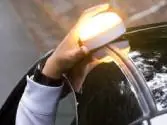
¿Cómo se utilizará el dispositivo de preseñalización de peligro?
How should the hazard warning device be used?
- ASe empleará junto con la luz de emergencia si el vehículo dispone de ella.Together with the hazard warning lights, if the vehicle has them.
- BSe empleará junto con la luz de emergencia y de posición, en cualquier caso.Together with the hazard warning lights and the sidelights, in all cases.
- CSe empleará sólo el dispositivo de preseñalización de peligro aunque el vehículo disponga de la luz de emergencia.On its own, even if the vehicle has hazard warning lights.
ExplanationThe hazard warning device is used together with the hazard warning lights, by day and by night, if the vehicle has them. In bad weather, or between sunset and sunrise, you must also switch on the sidelights. The V-16 hazard warning device is an approved amber-yellow light with geolocation. It runs on its own power supply (batteries). It must be placed on the highest point of the broken-down vehicle, to make it as visible as possible. Today the V-16 is the only legal way to signal a broken-down vehicle or an obstacle on the road. Warning triangles are no longer used.
Los principales factores que intervienen en un accidente son...
The main factors involved in an accident are...
- Ala vía y su entorno.the road and its surroundings.
- Bla vía y su entorno, el vehículo y el factor humano.the road and its surroundings, the vehicle and the human factor.
- Cel vehículo y su carga.the vehicle and its load.
ExplanationThree factors are involved in an accident: the road and its surroundings, the vehicle, and the human factor, which is present in the vast majority of accidents. Thinking only about the road or only about the vehicle leaves out the main cause.
La señal luminosa de emergencia V16:
The V-16 emergency light:
- ASustituye a los triángulos de preseñalización de peligro.Replaces the warning triangles.
- BEs un adorno sin función.Is a decoration with no function.
- CSolo se usa en autopista.Is only used on motorways.
ExplanationThe V-16 emergency light, placed on the highest point of the vehicle, replaces the warning triangles, so you do not have to go out onto the carriageway.
¿Qué debe hacerse con un herido en accidente de circulación que presenta sendas hemorragias por la nariz y el oído?
What should be done with a person injured in a road accident who is bleeding from both the nose and the ear?
- ANo es una lesión de gran importancia, deberemos dedicar nuestra atención a heridos de mayor gravedad.It is not a serious injury; we should focus on more seriously injured people.
- BTaponar ambas hemorragias y proceder a situar al herido en posición de defensa.Plug both bleeds and place the casualty in the recovery position.
- CEs un herido que requiere nuestra atención especialmente, ya que son hemorragias de especial gravedad y procuraremos no taponar la hemorragia y que sea trasladado lo antes posible.This casualty needs special attention, because these bleeds are particularly serious; we will try not to plug the bleeding and to have the person taken to hospital as soon as possible.
ExplanationBlood coming from the nose and the ear after a blow may indicate a fracture at the base of the skull, a very serious injury. These bleeds must not be plugged; instead, call 112 and make sure the casualty gets medical help as soon as possible.
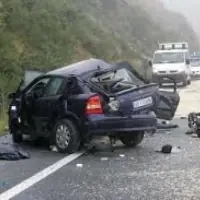
En los accidentes de tráfico, influyen de forma significativa...
Road accidents are significantly influenced by...
- AEl conductor y la vía, únicamente.only the driver and the road.
- BEl conductor, la vía y el vehículo.the driver, the road and the vehicle.
- CLa vía y el vehículo, fundamentalmente.mainly the road and the vehicle.
ExplanationRoad accident statistics show that, among the many factors that can lead to accidents, the most significant are the human factor (the driver), the condition of the road and the condition of the vehicle. So these are the three most common causes of road accidents.
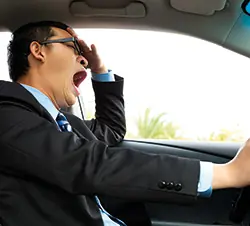
Los accidentes de tráfico en los que el sueño es el principal factor de riesgo, ¿pueden suceder durante las horas diurnas?
Can road accidents where sleepiness is the main risk factor happen during daylight hours?
- ASí, especialmente entre las dos y las cuatro de la tarde.Yes, especially between two and four in the afternoon.
- BSí, aunque es un tipo de accidente que solo sufren los conductores profesionales.Yes, although only professional drivers have this type of accident.
- CNo, solo suceden durante las horas nocturnas.No, they only happen at night.
ExplanationAccidents caused by sleepiness also happen during the day, with a peak between two and four in the afternoon: after lunch, the body clock (circadian rhythm) naturally causes drowsiness.
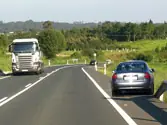
Su vehículo queda detenido por una avería en el arcén, ¿debe señalizarlo?
Your vehicle has stopped on the hard shoulder because of a breakdown. Must you signal it?
- ASí, con la señal de emergencia y el dispositivo de preseñalización de peligro.Yes, with the hazard warning lights and the hazard warning device.
- BNo, en el arcén no es necesario.No, it is not necessary on the hard shoulder.
- CSí, únicamente con el dispositivo de preseñalización de peligro.Yes, with the hazard warning device only.
ExplanationAny obstacle on the road must be signalled with the hazard warning device and the hazard warning lights, and a broken-down vehicle counts as an obstacle. The V-16 hazard warning device is an approved amber-yellow light with geolocation. It runs on its own power supply (batteries). It must be placed on the highest point of the broken-down vehicle, to make it as visible as possible. Today the V-16 is the only legal way to signal a broken-down vehicle or an obstacle on the road. Warning triangles are no longer used.
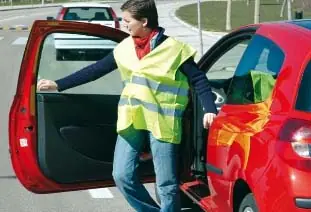
El conductor está obligado a ponerse el chaleco reflectante de alta visibilidad antes de bajar del vehículo, de día y de noche, cuando vaya a ocupar la calzada o el arcén de...
The driver must put on the high-visibility reflective vest before getting out of the vehicle, by day and by night, when they are going to be on the carriageway or hard shoulder of...
- Alas vías urbanas e interurbanas.urban and interurban roads.
- Blas vías urbanas.urban roads.
- Clas vías interurbanas.interurban roads.
ExplanationUnder Article 118.4 of the RGC, the driver must wear the reflective vest when getting out of the vehicle and being on the carriageway or hard shoulder of an interurban road (outside built-up areas), both by day and by night. On urban roads it is not compulsory, although it is advisable.
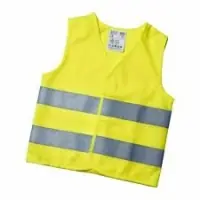
¿Es necesario ponerse el chaleco reflectante para bajar a cambiar una rueda?
Must you put on the reflective vest to get out and change a wheel?
- ANo, porque es una parada menor a 10 minutosNo, because the stop is shorter than 10 minutes
- BÚnicamente en autopistasOnly on motorways
- CSíYes
ExplanationUnder Article 118.4 of the General Traffic Regulations (as worded by Royal Decree 518/2026), drivers of motorcycles, cars, buses and coaches, goods vehicles, mixed-use vehicles and non-agricultural vehicle combinations must put on the high-visibility reflective vest, day and night, when they get out of the vehicle and are on the carriageway or hard shoulder of a road outside a built-up area, for example to change a wheel.
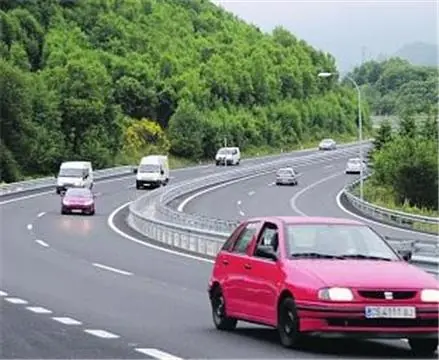
El mal estado del vehículo, ¿es un factor de riesgo?
Is a vehicle in poor condition a risk factor?
- ANo.No.
- BSí.Yes.
- CNo, cuando el vehículo alcanza poca velocidad.No, when the vehicle is travelling at low speed.
ExplanationYes. A vehicle in poor condition, with faulty brakes, tyres, lights or steering, increases the chance of having a crash, whatever the speed. That is why it must be checked regularly and must pass its vehicle inspections (ITV).
La mayoría de los accidentes ocurre en...
Most accidents happen...
- Alas rectas.on straight stretches.
- Blas curvas.on bends.
- Cvías urbanas, especialmente los accidentes mortales.on roads in built-up areas, especially fatal accidents.
ExplanationMost accidents happen on straight stretches because of speed and lack of attention, as accident reports show. According to the General Traffic Regulations, drivers must keep a suitable speed and pay constant attention to road conditions, especially on straight stretches where higher speeds are allowed. A distraction or loss of control there can have serious consequences.
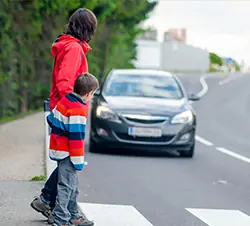
¿Cómo se conocen a los colectivos de personas que tienen una mayor probabilidad de verse implicados en un accidente de tráfico o de fallecer a consecuencia del mismo?
What are the groups of people who are more likely to be involved in a road accident, or to die as a result, called?
- AGrupos de riesgo o vulnerables en el tráfico.Risk groups or vulnerable groups in traffic.
- BVíctimas de accidentes de tráfico.Road accident victims.
- CGrupos en riesgo de exclusión social.Groups at risk of social exclusion.
ExplanationPedestrians, cyclists, motorcyclists, children and older people are called risk groups or vulnerable road users. They are more likely to be involved in an accident or to suffer serious injuries.
¿En qué momento del día ocurren más accidentes?
At what time of day do most accidents happen?
- AA primera hora de la mañana.Early in the morning.
- BAl entrar o salir del trabajo.When going to or leaving work.
- CSolo a la hora de entrada al trabajo.Only when going to work.
ExplanationThe correct answer is 'when going to or leaving work'. At these times traffic is heavier, and the higher number of vehicles and pedestrians makes accidents more likely. Accident statistics show that the times when people start and finish work are usually critical, with more accidents. Traffic rules stress the need to be especially careful at these busy, high-risk times.
En caso de accidente, ¿está indicado darle a los heridos algún medicamento tranquilizante?
In an accident, is it appropriate to give the injured a tranquilliser?
- ASí, porque al tranquilizarse, soportarán mejor el dolor y el estado nervioso causado por el accidente.Yes, because once they are calmer, they will cope better with the pain and the nervous state caused by the accident.
- BEs indiferente, pero si el herido lo pide, se le dará.It makes no difference, but if the injured person asks for one, they will be given it.
- CNo.No.
ExplanationDo not give tranquillisers to injured people after an accident. Only trained medical staff should decide which treatment is best. The priority is to keep the injured person as stable as possible until professional help arrives.
Si vemos un accidente en el que no estamos involucrados, ¿debemos detenernos y ayudar?
If you see an accident in which you are not involved, must you stop and help?
- ASí, tenemos la obligación de ayudar.Yes, we have a duty to help.
- BNo, solo ayudaremos si estamos directamente involucrados en el accidente.No, we only help if we are directly involved in the accident.
- CNo.No.
ExplanationUnder Article 129 of the General Traffic Regulations, all road users who witness an accident must help or call for help for any victims. This includes those who are not directly involved in the accident. The duty to help exists to keep everyone safe and prevent further harm. So the correct answer is yes: we must stop and help.
A un herido en accidente, ¿es conveniente darle algún alimento o bebida?
Is it a good idea to give a person injured in an accident any food or drink?
- ASí, es conveniente.Yes, it is a good idea.
- BNo, aunque lo pida.No, even if they ask for it.
- CSí, para mantener la temperatura del cuerpo.Yes, to keep their body temperature up.
ExplanationAs a general rule, do not give food or drink to the injured, and never alcoholic drinks.
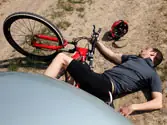
Como norma general, ¿qué debe hacer con un accidentado?
As a general rule, what should you do with an injured person?
- ADarle de beber agua si lo solicita.Give them water if they ask for it.
- BMantener en todo momento protegido el cuello de posibles movimientos bruscos.Protect their neck from sudden movements at all times.
- CAplicarle pomadas especiales.Apply special creams to them.
ExplanationAs a general rule, do not give an injured person water or apply creams. But always protect their neck from sudden movements, so as not to make any possible injuries worse.
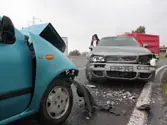
¿Cuál es el principal factor en la causa de accidentes?
What is the main factor causing accidents?
- AEl estado de la vía.The condition of the road.
- BEl estado de conservación del vehículo.The state of maintenance of the vehicle.
- CLa persona como conductor, peatón o usuario.The person, as a driver, pedestrian or road user.
ExplanationThe person is the main factor in causing accidents. If the road is not in perfect condition or the vehicle has a problem, the driver must adapt to these unfavourable circumstances. Fog or heavy rain, for example, will not be considered the cause of an accident, because the driver should have adapted their driving to them.
Ante una avería, ¿cómo debe colocar el dispositivo de preseñalización de peligro?
If your vehicle breaks down, how should you place the hazard warning device?
- AA 150 metros del vehículo inmovilizado.150 metres from the broken-down vehicle.
- BA 100 metros del vehículo inmovilizado.100 metres from the broken-down vehicle.
- CEn la parte más alta posible del vehículo inmovilizado garantizado su máxima visibilidad.On the highest possible point of the broken-down vehicle, to make it as visible as possible.
ExplanationUnder Article 130.4 of the General Traffic Regulations (RGC), every driver must use the regulation hazard warning device. Since 1 January 2026 only the V-16 light is valid. It is amber-yellow and is placed on the highest possible point of the broken-down vehicle, to make it as visible as possible (Annex XI of the General Vehicle Regulations).
En la dotación de un turismo hay un solo dispositivo luminoso de preseñalización de peligro V-16, ¿es correcto?
A car's equipment includes only one V-16 hazard warning light. Is this correct?
- ANo, es obligatorio llevar dos dispositivos.No, you must carry two devices.
- BNo, además es obligatorio llevar dos triángulos de preseñalización.No, you must also carry two warning triangles.
- CSí, porque es obligatorio llevar sólo un dispositivo.Yes, because you only have to carry one device.
ExplanationUnder Annex XII of the General Vehicle Regulations, a car's compulsory equipment includes the V-16 hazard warning light, together with the reflective vest and the spare wheel or an alternative system. Since 1 January 2026, warning triangles are no longer valid in place of the V-16.
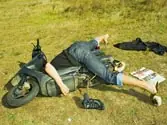
¿Cuál es la causa más frecuente de los accidentes de motocicleta?
What is the most frequent cause of motorcycle accidents?
- ALas colisiones por alcance de otros vehículos.Being hit from behind by other vehicles.
- BLas colisiones frontales o fronto-laterales con otros vehículos.Head-on or front-to-side collisions with other vehicles.
- CLa colisión frontal con otra motocicleta,A head-on collision with another motorcycle.
ExplanationThe most frequent motorcyclist accidents are collisions with other vehicles (almost 67% of cases). They are head-on or front-to-side collisions, or the motorcycle running into the back of another vehicle.
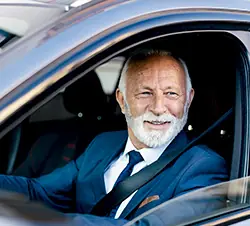
¿Cuál es una de las principales causas de los accidentes de las personas mayores?
What is one of the main causes of accidents among older people?
- AEl deterioro de las capacidades psicomotoras.The decline of psychomotor abilities.
- BEl aumento de la visión periférica.Improved peripheral vision.
- CUna mejor percepción y análisis de los riesgos.Better perception and analysis of risks.
ExplanationWith ageing, psychomotor abilities (sight, hearing, coordination and reaction time) decline. This decline is one of the main causes of accidents among older people.
Los accidentes debidos a fallos mecánicos principalmente suelen ser consecuencia de...
Accidents caused by mechanical failures are mainly the result of...
- AFallo de los frenos.brake failure.
- BMal estado de los neumáticos.tyres in poor condition.
- CProblemas con la dirección.steering problems.
ExplanationMost mechanical failures that play a part in road accidents are caused by tyres in poor condition, such as low pressure, uneven wear or excessive wear.
¿Cómo puede activarse el sistema eCall en caso de accidente o emergencia?
How can the eCall system be activated in an accident or emergency?
- AEl sistema eCall puede activarse automáticamente en caso de accidente, sin intervención del conductor, o manualmente por él.eCall can be activated automatically in an accident, without the driver doing anything, or manually by the driver.
- BEl sistema eCall solamente puede activarse manualmente por el conductor, pulsando el botón SOS.eCall can only be activated manually by the driver, by pressing the SOS button.
- CEl sistema eCall se activa automáticamente en caso de cualquier accidente.eCall activates automatically in any accident.
ExplanationeCall, the emergency call system for accidents, starts working as soon as the vehicle's airbags go off, and sets up a voice call with the 112 emergency centre. It can also be activated manually by pressing the SOS button on vehicles fitted with this system.
En un accidente, ¿qué se debe hacer con un herido tumbado en la calzada?
In an accident, what should you do with an injured person lying on the carriageway?
- ATrasladarlo siempre de inmediato a un lugar cerrado.Always move them immediately to an enclosed place.
- BSentarlo cuanto antes para que se recupere.Sit them up as soon as possible so that they recover.
- CNo moverlo, salvo que exista un peligro inminente (fuego, riesgo de atropello).Do not move them, unless there is an imminent danger (fire, risk of being hit).
ExplanationDo not move an injured person unless there is imminent danger, so as not to make possible injuries worse.
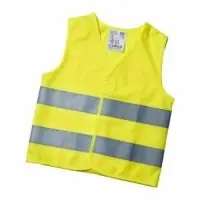
El chaleco reflectante. ¿Cuándo es obligatorio ponérselo?
The reflective vest: when is it compulsory to put it on?
- ACuando salgo del vehículo en vías interurbanas.When I get out of the vehicle on roads outside built-up areas.
- BCuando salgo del vehículo en vías urbanas.When I get out of the vehicle on roads in built-up areas.
- CCuando salgo del vehículo en autopistas y autovías solamente.When I get out of the vehicle on motorways and dual carriageways only.
ExplanationUnder Article 118.4 of the General Traffic Regulations (as worded by Royal Decree 518/2026), drivers of motorcycles, cars, buses and coaches, goods vehicles, mixed-use vehicles and non-agricultural vehicle combinations must wear a high-visibility reflective vest when they get out of the vehicle and are on the carriageway or hard shoulder of roads outside built-up areas.
Si se produce una detención por emergencia en el interior de un túnel, debemos...
If you have to stop in an emergency inside a tunnel, you must...
- AApagar el motor, conectar la señal de emergencia y mantener encendidas las luces de posición.Switch off the engine, switch on the hazard warning lights and keep the sidelights on.
- BAbandonar el vehículo inmediatamente y apagar las luces.Leave the vehicle immediately and switch off the lights.
- CApagar las luces y esperar a que la emergencia esté solventada.Switch off the lights and wait until the emergency is resolved.
ExplanationUnder Article 97.3 of the General Traffic Regulations, if you stop in an emergency in a tunnel, you must switch off the engine, switch on the hazard warning lights and keep the sidelights on. You must also place and switch on the V-16 hazard warning light and ask for help from the nearest SOS post, if there is one.
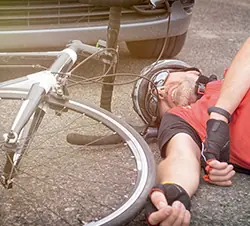
Cuando son víctimas de atropello, las lesiones más graves en los ciclistas, que pueden incluso provocar la muerte, se localizan en…
When cyclists are hit by a vehicle, the most serious injuries, which can even cause death, are to…
- Alas piernas.the legs.
- Bla cabeza.the head.
- Clas manos.the hands.
ExplanationWhen cyclists are hit, the most serious and often fatal injuries are to the head. That is why the helmet is essential protection.
Los niños, durante sus primeros años de vida, no tienen completamente desarrollada la musculatura del cuello, por lo que en un accidente de tráfico:
In their first years of life, children's neck muscles are not fully developed. So in a road accident:
- APueden sufrir lesiones, pero siempre serán leves y de escasa importancia.They can be injured, but the injuries will always be minor and unimportant.
- BPueden sufrir lesiones, que serán más graves si usan un sistema de retención infantil adecuado.They can be injured, and the injuries will be more serious if they use a suitable child restraint system.
- CPueden sufrir graves lesiones cervicales.They can suffer serious neck injuries.
ExplanationIn their first years of life, children's neck muscles are not fully developed, which makes them more likely to suffer serious neck injuries in a road accident. It is important to use a suitable child restraint system to reduce the risk of injury, but even so children may be at risk of serious neck injuries.
¿Es obligatorio llevar un chaleco reflectante en un vehículo mixto adaptable?
Is it compulsory to carry a reflective vest in an adaptable mixed-use vehicle?
- ASí, y debe llevarlo en el maletero del vehículo.Yes, and it must be kept in the boot of the vehicle.
- BSí.Yes.
- CNo, pero es muy recomendable.No, but it is highly advisable.
ExplanationAdaptable mixed-use vehicles, like cars, must carry a certified high-visibility reflective vest as part of their compulsory equipment, together with the V-16 light and a spare wheel or an alternative system.
¿Podemos emplear un dispositivo de preseñalización de peligro para advertir la presencia de un turismo averiado en la calzada?
Can you use a hazard warning device to warn others of a broken-down car on the carriageway?
- ANo.No.
- BSí.Yes.
- CSólo si la visibilidad es insuficiente.Only if visibility is poor.
ExplanationYes, and it is also compulsory: under Article 130.4 of the General Traffic Regulations, every driver must use the regulation hazard warning device. Since 1 January 2026 this is the V-16 light, which is placed on the highest possible point of the immobilised vehicle.
¿Es obligatorio señalizar un vehículo que ha quedado inmovilizado por una avería en el arcén?
Is it compulsory to signal a vehicle that has broken down and is immobilised on the hard shoulder?
- ANo, porque el arcén es el lugar adecuado para detenerse en este tipo de situaciones.No, because the hard shoulder is the right place to stop in this kind of situation.
- BNo, porque el vehículo no se encuentra sobre la calzada.No, because the vehicle is not on the carriageway.
- CSí, utilizando la señal de emergencia del vehículo, el dispositivo de preseñalización de peligro y, cuando corresponda, las luces de posición.Yes, using the vehicle's hazard warning lights, the hazard warning device and, when appropriate, the sidelights.
ExplanationUnder Article 130 of the General Traffic Regulations, a vehicle immobilised by a breakdown, including on the hard shoulder, is signalled with the hazard warning lights, the regulation hazard warning device and, when appropriate, the sidelights. Since 1 January 2026 this device is the V-16 light: amber-yellow and placed on the highest possible point of the vehicle.
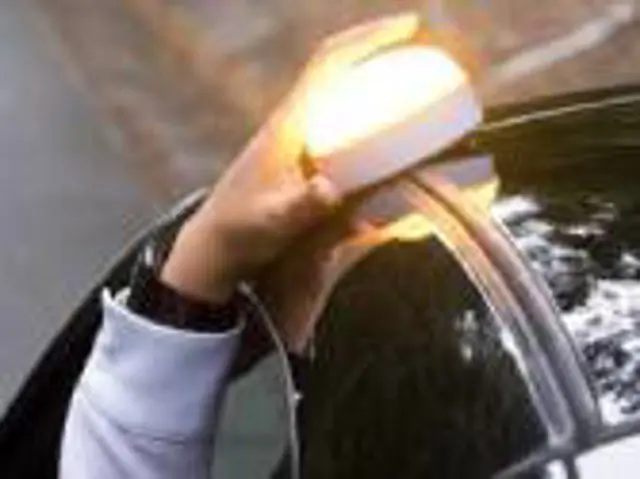
En caso de avería, ¿cómo debe colocar la luz V-16?
If you break down, how should you place the V-16 light?
- AA 150 metros del vehículo inmovilizado.150 metres from the immobilised vehicle.
- BA 100 metros del vehículo inmovilizado.100 metres from the immobilised vehicle.
- CEn el punto más alto posible del vehículo inmovilizado, para que sea lo más visible posible.On the highest possible point of the immobilised vehicle, so that it is as visible as possible.
ExplanationUnder the General Traffic Regulations, the V-16 light, which shows that a vehicle is immobilised, must be placed on the highest possible point of the vehicle to make it as visible as possible. This rule makes sure that other drivers can clearly see the signal from a safe distance and avoid further accidents. So the correct answer is to place it on the highest point of the immobilised vehicle.
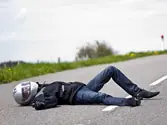
¿Debemos tapar a un herido?
Should you cover an injured person?
- ASí, si te lo pide.Yes, if they ask you to.
- BSólo en invierno si las temperaturas son muy bajas.Only in winter, if temperatures are very low.
- CSí, siempre.Yes, always.
ExplanationAlways cover a person injured in a road accident, both in winter and in summer, to prevent their body temperature from dropping (hypothermia).
En caso de accidente de tráfico, respecto al protocolo general de soporte vital básico, si el herido NO responde, en primer lugar se debe:
In a road accident, under the general basic life support procedure, if the injured person does NOT respond, what should you do first?
- AComenzar la respiración boca a boca.Start mouth-to-mouth breathing.
- BAbrir la vía aérea mediante maniobras que no manipulen la columna.Open the airway using manoeuvres that do not move the spine.
- CBuscar signos de circulación y hemorragias.Look for signs of circulation and bleeding.
ExplanationThe correct answer is to open the airway using manoeuvres that do not move the spine. You must make sure the airway is clear so that air can get into the injured person's lungs. Use the head-tilt, chin-lift manoeuvre: put one hand on the person's forehead to keep the head still, and with the other hand take hold of the chin and lift it. This helps open the airway without moving the neck, avoiding further injury.

En caso de emergencia usaremos el chaleco reflectante para bajar del vehículo...
In an emergency, you must wear the reflective vest to get out of the vehicle...
- ADurante la noche y fuera de poblado.at night and outside built-up areas.
- BDe día y de noche fuera de poblado.by day and by night, outside built-up areas.
- CDe día y de noche dentro y fuera de poblado.by day and by night, in and outside built-up areas.
ExplanationWhen the driver gets out of the vehicle on a road outside a built-up area and is on the carriageway or hard shoulder, they must wear the approved reflective vest, by day and by night. So the vest must be kept inside the passenger compartment.
Si conduce una motocicleta, ¿es obligatorio llevar un chaleco reflectante?
If you ride a motorcycle, is it compulsory to carry a reflective vest?
- ASí, para usarlo en caso de avería en una carretera interurbana.Yes, to use it if you break down on a road outside a built-up area.
- BNo, no es obligatorio, pero se recomienda.No, it is not compulsory, but it is recommended.
- CSí, porque en caso de lluvia es obligatorio llevarlo.Yes, because it is compulsory to carry it when it rains.
ExplanationUnder Article 118.4 of the General Traffic Regulations (as worded by Royal Decree 518/2026), a motorcycle rider must wear a high-visibility reflective vest when they get off the motorcycle and are on the carriageway or hard shoulder of a road outside a built-up area. Also, from 1 October 2026 motorcycles must carry one as part of their equipment (Annex XII of the General Vehicle Regulations).
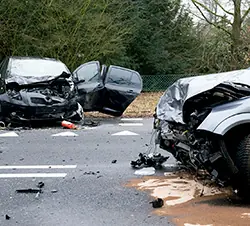
Si se ve implicado en un accidente de tráfico con posibilidad de muertos o heridos graves, ¿qué actuaciones, entre otras, debe llevar a cabo en la medida de lo posible?
If you are involved in a road accident where people may be killed or seriously injured, what actions, among others, must you take as far as possible?
- ASeguir circulando, sin prestar ayuda a las víctimas ni avisar a la autoridad.Keep driving, without helping the victims or alerting the authorities.
- BDetener el vehículo sin crear peligro, avisar a la autoridad o sus agentes y auxiliar a los heridos.Stop the vehicle without creating danger, alert the authorities or their officers, and help the injured.
- CDetenerse, borrar las huellas del accidente y cambiar de sitio a los heridos y vehículos.Stop, remove the traces of the accident and move the injured and the vehicles.
ExplanationA driver involved in an accident must stop without creating new dangers, alert the authorities or their officers and help the injured. They must never remove traces or move the victims, unless there is imminent danger.
¿Los accidentes de tráfico tienen un gran impacto económico en la población?
Do road accidents have a big economic impact on the population?
- ASí.Yes.
- BNo, pero tienen un gran impacto social.No, but they have a big social impact.
- CNo, ya que el coste sanitario es mínimo.No, because the healthcare cost is minimal.
ExplanationRoad accidents are a priority public health problem with a significant impact on the economy. They cause high costs in healthcare, material damage and lost work production. The General Traffic Regulations recognise the importance of understanding the economic and social consequences of these crashes, which supports the answer 'yes'.
La mayor parte de los accidentes se producen en...
Most accidents happen...
- Alas rectas.on straight stretches.
- Blas curvas.on bends.
- Cvías urbanas, especialmente los accidentes mortales.on roads in built-up areas, especially fatal accidents.
ExplanationStraight stretches may seem safe and easy to drive, but most road accidents happen on them. This is because drivers relax and pay less attention on these stretches.
Si en un accidente de tráfico, hay heridos muy graves y no sabemos como ayudar, ¿qué tenemos que hacer?
If there are very seriously injured people in a road accident and you do not know how to help, what must you do?
- AEvacuar rápidamente a los heridos en nuestro coche.Quickly take the injured away in your car.
- BNada, continuaremos la marcha.Nothing, continue on your way.
- CNo tocarlos y llamar al 112.Do not touch them and call 112.
ExplanationIf there are very seriously injured people in an accident and you do not know how to help, call the 112 emergency number to report what has happened.
¿Es obligatorio que el pasajero de un turismo lleve un chaleco reflectante?
Must a car passenger wear a reflective vest?
- ANo, el chaleco reflectante no es obligatorio en los turismos.No, the reflective vest is not compulsory in cars.
- BNo.No.
- CSí, porque deberá ponérselo si sale del vehículo y se coloca en la calzada de una carretera interurbana.Yes, because they must put it on if they get out of the vehicle and stand on the carriageway of a road outside built-up areas.
ExplanationArticle 118.4 of the General Traffic Regulations (RGC) requires the driver of a car to put on the reflective vest when getting out of the vehicle and stepping onto the carriageway or hard shoulder of a road outside built-up areas. The rule does not place this obligation on passengers, although it is advisable for them to wear one too.
¿En qué supuesto es necesario que traslademos a un herido en nuestro vehículo particular?
In which case is it necessary to take an injured person in your own private vehicle?
- ASiempre que el herido nos lo pida.Whenever the injured person asks you to.
- BSi han pasado más de 10 minutos desde que solicitó la ayuda y la ambulancia no llega.If more than 10 minutes have passed since help was requested and the ambulance has not arrived.
- CCuando no haya sido posible solicitar ayuda sanitaria por ningún medio.When it has been impossible to call for medical help by any means.
ExplanationIf you need to move an injured person, move them as a rigid block (at least 3 people). Injured people should be transported by ambulance. However, in cases of extreme urgency you may use a private vehicle: - When it has been impossible to call for medical help by any means. - When the person's condition gets seriously worse and medical help does not arrive. - When more than 30 minutes have passed since you called for help and the injured person has bleeding that cannot be stopped, increasing signs of shock, or a tourniquet.
Entre los costes humanos derivados de los accidentes de tráfico se encuentran...
The human costs of road accidents include...
- Ael aumento de la capacidad productiva.increased productive capacity.
- Bla alta capacidad de rehabilitaciones.a high capacity for rehabilitation.
- Cla pérdida de capacidad productiva.loss of productive capacity.
ExplanationThe human costs of road accidents include: - Potential years of life lost. - Loss of productive capacity. - Physical and psychological suffering of the victim. - Psychological suffering of family and friends.
¿Está permitido colocar la señal luminosa de preseñalización de peligro, V-16, alejada del vehículo averiado?
Is it allowed to place the V-16 hazard warning light away from the broken-down vehicle?
- ASí, alejado se podrá apreciar mejor.Yes, away from the vehicle it can be seen better.
- BSí, debe estar al menos a 100 metros.Yes, it must be at least 100 metres away.
- CNo, se debe colocar en la parte más alta posible del vehículo inmovilizado.No, it must be placed on the highest possible point of the immobilised vehicle.
ExplanationThe V-16 hazard warning device is an amber-yellow device with its own power supply (batteries). It must be placed on the highest point of the immobilised vehicle, to make it as visible as possible. Today the V-16 is the only legal way to signal an immobilised vehicle or an obstacle on the road. Warning triangles are no longer used.
Un conductor tiene una enfermedad crónica. ¿Hay mayor riesgo de accidente?
A driver has a chronic illness. Is there a higher risk of an accident?
- ASí, pero solamente si se trata de una enfermedad neurológica.Yes, but only if it is a neurological illness.
- BSí, pero únicamente si se trata de una enfermedad del corazón.Yes, but only if it is a heart disease.
- CSí, y deberá consultar a su médico para confirmar si dicha enfermedad puede ser peligrosa para la conducción.Yes, and they should ask their doctor whether the illness may be dangerous for driving.
ExplanationDrivers with a chronic illness have a higher risk of an accident than those without one. If you know your diagnosis, you should follow certain steps: know your symptoms well and ask your doctor whether the illness itself, or the prescribed treatment, may be dangerous for driving.
All topics
- Definitions
- Documents and penalty points
- The driver's condition
- Duties of drivers and pedestrians
- Vehicle safety devices
- Vehicle controls and equipment
- Vehicle lights and horn
- Traffic signs, markings and signals
- The road and its lanes
- Speed and distances
- Manoeuvres
- Right of way
- Carrying passengers and loads
- Driving safely in difficult conditions
- Vehicle mechanics and maintenance
- Defensive and eco-driving
Independent app: not affiliated with or endorsed by the DGT (Spain's Directorate-General for Traffic) or the Ministry of the Interior. The official exam is booked with the DGT and taken at its test centres. The questions here are practice material; the DGT's official question bank is not public.
Basado en datos de la Agencia Estatal Boletín Oficial del Estado (https://www.boe.es). Textos consolidados de carácter meramente informativo. La AEBOE no patrocina ni respalda este sitio.
Parte de las preguntas procede de los tests de la revista «Tráfico y Seguridad Vial» de la DGT, reproducidos con indicación de la fuente.