
DGT test · 626 questions
Road accidents and first aid · Page 10 of 13
What to do at a crash: protect, alert and help, basic first aid, and marking a stopped vehicle with the V-16 beacon.
Questions in this topic, with answers
626 questions, 50 per page, with the correct answer and the explanation. Page 10 of 13.
¿Cuándo debe ponerse el chaleco reflectante?
When must you put on the reflective vest?
- AAl salir del coche y ocupar la calzada o el arcén de las vías interurbanas.When getting out of the car onto the carriageway or hard shoulder of roads outside built-up areas.
- BAl salir del coche y ocupar la calzada o arcén de cualquier vía.When getting out of the car onto the carriageway or hard shoulder of any road.
- CSiempre que salgo del coche.Whenever I get out of the car.
ExplanationPut on the reflective vest before getting out of the vehicle when you are going to be on the carriageway or hard shoulder of a road outside a built-up area. In built-up areas it is not compulsory, although it may be advisable.
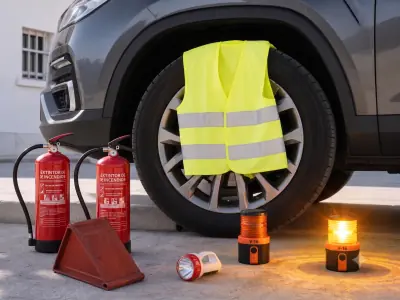
¿Es obligatorio llevar un extintor de incendios entre los accesorios de un automóvil que presta un servicio privado?
Is it compulsory to carry a fire extinguisher among the accessories of a motor car for private use?
- ASí.Yes.
- BNo.No.
- CSí, cuando lleve más de 5 ocupantes, incluido el conductor.Yes, when it carries more than 5 occupants, including the driver.
ExplanationA fire extinguisher is not part of the compulsory equipment of private cars, although it is advisable to carry one. It is compulsory in vehicles carrying passengers or dangerous goods, among others.
En caso de accidente, la regla que nos recuerda el orden de actuación a seguir es...
In an accident, the rule that reminds you of the order of action is...
- APAS.PAS.
- BSAP.SAP.
- CPSA.PSA.
ExplanationThe rule for remembering the order of action at an accident is PAS (protect, alert, help; in Spanish proteger, avisar, socorrer).
Los conductores de turismos deben usar el chaleco reflectante de alta visibilidad...
Car drivers must use the high-visibility reflective vest...
- Asiempre que salgan del vehículo.whenever they get out of the vehicle.
- Bcuando salgan del vehículo y ocupen la calzada o el arcén de una vía interurbana.when they get out of the vehicle and are on the carriageway or hard shoulder of a road outside a built-up area.
- Ccuando salgan del vehículo y ocupen la calzada o el arcén en cualquier vía.when they get out of the vehicle and are on the carriageway or hard shoulder of any road.
ExplanationUnder Article 118 of the General Traffic Regulations, car drivers must wear the high-visibility reflective vest when they get out of the vehicle and are on the carriageway or hard shoulder of a road outside a built-up area. This matters for safety: on these roads visibility may be limited, and the vest helps other drivers see them, which reduces the risk of accidents.
La mayoría de los accidentes de tráfico ocurren...
Most road traffic accidents happen...
- Aen las subidas y bajadas de la carretera.on uphill and downhill stretches.
- Ben las curvas.on bends.
- Cen los tramos rectos.on straight stretches.
ExplanationMost accidents happen on straight stretches, because they make up most of the road network and on them drivers tend to go faster, become overconfident and get distracted or tired because of the monotony. Bends are more dangerous per kilometre, but overall they account for fewer accidents.
Los accidentes de tráfico...
Road accidents...
- Ano tienen una gran importancia.are not very important.
- Bson la causa principal de muerte a nivel mundial.are the main cause of death worldwide.
- Cson una de las principales causas de mortalidad en nuestro país.are one of the main causes of death in our country.
ExplanationAlthough the number of road accidents has been falling in recent years, the number of deaths each year is still high. Accidents are the leading cause of death among Spanish people under 35.
¿Debe el conductor de un camión llevar un chaleco reflectante en su vehículo?
Must a lorry driver carry a reflective vest in the vehicle?
- ANo.No.
- BSí.Yes.
- CNo, pero puede llevarlo cuando circule por vías interurbanas.No, but they may carry one when driving on roads outside built-up areas.
ExplanationUnder the General Traffic Regulations, drivers of goods vehicles, such as lorries, must carry a high-visibility reflective vest in their vehicle. This rule protects people when they get out of the vehicle on roads outside built-up areas, as the vest makes them visible to other drivers and reduces the risk of accidents. So the correct answer is 'Yes'.
En caso de accidente, ¿debe colocar el dispositivo de preseñalización de peligro?
In an accident, must you place the hazard warning device?
- ANo, basta con encender la señal de emergencia.No, switching on the hazard warning lights is enough.
- BSí, en la parte más alta posible del vehículo inmovilizado, garantizando su máxima visibilidad.Yes, on the highest possible point of the immobilised vehicle, to make it as visible as possible.
- CSí, en el suelo, a 50 metros por detrás del vehículo inmovilizado.Yes, on the ground, 50 metres behind the immobilised vehicle.
ExplanationThe V-16 hazard warning device is an approved amber-yellow light with geolocation. It runs on its own power supply (batteries). It must be placed on the highest point of the immobilised vehicle, to make it as visible as possible. Today the V-16 is the only legal way to signal an immobilised vehicle or an obstacle on the road. Warning triangles are no longer used.
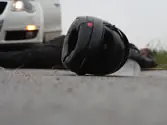
¿En qué tipo de vía se produce un mayor número de accidentes mortales de motoristas?
On which type of road do most fatal motorcyclist accidents happen?
- AEn vías urbanas.On roads in built-up areas.
- BEn travesías.On travesías (stretches of road through a town).
- CEn vías interurbanas.On roads outside built-up areas.
ExplanationFatal motorcyclist accidents happen most often on roads outside built-up areas. Higher speeds are allowed on these roads, which makes accidents more serious, and conditions there are more variable and dangerous than in built-up areas.
El dispositivo de preseñalización V-16 debe cumplir ciertas características. Señala la opción correcta:
The V-16 hazard warning device must meet certain requirements. Choose the correct option:
- APuede ser un triángulo reflectante tradicional, colocado en el suelo cerca del vehículo.It can be a traditional reflective triangle, placed on the ground near the vehicle.
- BPuede ser de cualquier color, y solo necesita funcionar con batería, sin geolocalización.It can be any colour, and only needs to run on batteries, without geolocation.
- CDebe ser de color amarillo auto, funcionar con alimentación autónoma y contar con geolocalización.It must be amber-yellow, have its own power supply and have geolocation.
ExplanationThe V-16 hazard warning device is an approved amber-yellow light with geolocation. It runs on its own power supply (batteries). It must be placed on the highest point of the immobilised vehicle, to make it as visible as possible. Today the V-16 is the only legal way to signal an immobilised vehicle or an obstacle on the road. Warning triangles are no longer used.
¿Es obligatorio llevar en un turismo un chaleco de alta visibilidad?
Is it compulsory to carry a high-visibility vest in a car?
- ANo, solo será obligatorio para los vehículos de más de 3500 kg.No, it is only compulsory for vehicles over 3,500 kg.
- BSí.Yes.
- CSerá obligatorio llevar al menos dos chalecos, uno para el conductor y otro para el acompañante.You must carry at least two vests, one for the driver and one for the passenger.
ExplanationYou must carry at least one high-visibility vest, but it is advisable to carry another in case it is needed.
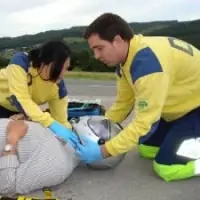
Como regla general, ¿Por qué no se debe quitar el casco a un conductor de motocicleta herido por un accidente?
As a general rule, why should you not remove the helmet of a motorcyclist injured in an accident?
- APorque es incómodo para el conductor que se le quite el casco.Because it is uncomfortable for the rider to have the helmet removed.
- BPorque puede tener más frío.Because they may get colder.
- CPorque se pueden agravar las posibles lesiones.Because possible injuries may get worse.
ExplanationAs a general rule, do not remove an injured motorcyclist's helmet, because moving the head can make possible spinal injuries worse. Only remove it if they are not breathing and need resuscitation, and only with the right technique.
Uno de los factores que provoca más accidentes entre los jóvenes conductores es...
One of the factors that causes most accidents among young drivers is...
- Auna mayor capacidad para controlar el vehículo.a greater ability to control the vehicle.
- Bla percepción de la conducción como algo peligroso.seeing driving as something dangerous.
- Cuna menor percepción del riesgo.a lower perception of risk.
ExplanationYoung and novice drivers tend to perceive risk less well: they underestimate dangers and overestimate their own ability, which leads them to drive faster, follow too closely or get distracted. This lower perception of risk is one of the factors that causes most accidents in this group.
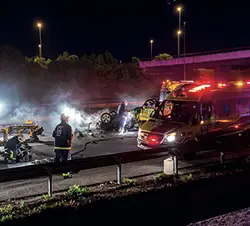
Si no está implicado en un accidente, ¿debe prestar auxilio a los heridos?
If you are not involved in an accident, must you help the injured?
- ASolo si lo solicita algún herido.Only if one of the injured people asks for help.
- BNo.No.
- CSí, salvo que la ayuda ya esté organizada.Yes, unless help is already organised.
ExplanationThe law requires every road user, whether involved or not, to help the victims or to call for help. You are only exempt if help has already been organised by other people or by the emergency services.
La mayoría de los accidentes de motocicleta se producen...
Most motorcycle accidents are caused by...
- APor colisiones múltiples.Multiple-vehicle collisions.
- BPor colisiones entre 2 vehículos.Collisions between 2 vehicles.
- CPor accidentes en solitario.Single-vehicle accidents.
ExplanationAlmost 67% of motorcycle accidents are collisions between 2 vehicles. The most common are head-on, front-to-side and rear-end collisions.
Lo fundamental cuando se colabore en el auxilio de víctimas en un accidente de circulación es...
When helping the victims of a road accident, the most important thing is...
- ANo precipitarse, mantener la calma y antes de actuar establecer un orden de preferencias según la situación.not to rush, to stay calm and, before acting, to set an order of priorities according to the situation.
- BTrasladar en su propio vehículo a los heridos más graves a un hospital cercano.to take the most seriously injured to a nearby hospital in your own vehicle.
- CNo actuar hasta que la Autoridad se persone en el lugar y disponga el orden de preferencias.not to act until the authorities arrive and set the order of priorities.
ExplanationIn an emergency it is essential to stay calm and not rush. When helping victims, it is important to assess the situation and set an order of priorities. This makes it possible to act more effectively and safely, and makes sure that the people who need help most, such as those in a critical condition, are helped first.
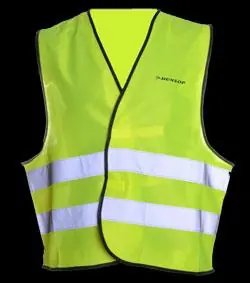
¿Debe usted llevar en su turismo un chaleco reflectante?
Must you carry a reflective vest in your car?
- ASí, además debo llevarlo en un lugar donde pueda cogerlo sin bajarme del vehículo.Yes, and I must keep it where I can reach it without getting out of the vehicle.
- BSí, en el maletero.Yes, in the boot.
- CNo, sólo es aconsejable.No, it is only advisable.
ExplanationThe reflective vest is part of the compulsory equipment of a car. You must put it on before getting out of the vehicle and stepping onto the carriageway or hard shoulder of a road outside a built-up area. That is why it must be kept within the driver's reach, inside the car, and not in the boot.
¿Cuáles son los elementos que podemos encontrar en toda situación de tráfico?
Which elements are present in every traffic situation?
- AEl conductor, la vía y su entorno.The driver, the road and its surroundings.
- BEl conductor, el vehículo y la vía y su entorno.The driver, the vehicle, and the road and its surroundings.
- CEl conductor y el vehículo.The driver and the vehicle.
ExplanationEvery traffic situation has at least 3 main elements: the vehicle, the road and its surroundings, and the driver.
Según la estadística, la mayoría de los accidentes de tráfico tienen lugar en...
According to statistics, most road accidents happen...
- Aperiodos de trabajo o alta ocupación laboral.during working periods or periods of heavy workload.
- Blos meses de primavera, por las alergias.in the spring months, because of allergies.
- Cperiodos de vacaciones.during holiday periods.
ExplanationMost road accidents happen during holiday periods, especially at Easter, in summer and in December.
Si hay un accidente y hay que llevar a un herido grave a un hospital. y si nos encontraramos en un lugar en el que no podríamos llamar por teléfono requiriendo ayuda sanitaria ¿En qué tipo de vehículo debería ser trasladado el herido?
There has been an accident and a seriously injured person must be taken to hospital. If we are somewhere where we cannot phone for medical help, in what type of vehicle should the injured person be taken?
- ALo desplazaríamos en el vehículo más rápido.We would take them in the fastest vehicle.
- BLo desplazaríamos en una furgoneta ámplia.We would take them in a large van.
- CEn estos casos dada la urgéncia daría igual.In such an emergency it would not matter.
ExplanationAs a general rule, a seriously injured person should not be moved; you should wait for the medical services. Only if it is impossible to call for help should they be taken in a large vehicle, such as a van, where they can lie flat and stay still, and the vehicle must be driven smoothly. Speed is not the first priority.
Los costes por primeros auxilios, rehabilitación, tratamiento al herido, etc., ¿cómo se denominan?
What are the costs of first aid, rehabilitation, treatment of the injured, etc. called?
- ACostes materiales.Material costs.
- BCostes sanitarios.Health-care costs.
- CCostes administrativos.Administrative costs.
ExplanationThey are called health-care costs. Material costs are damage to the vehicle, the road and its surroundings. Administrative costs are those relating to the police, fire brigade, insurance, services, etc.
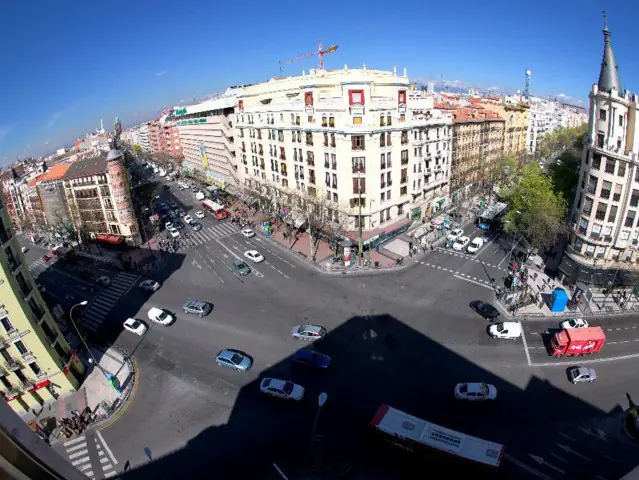
¿A qué usuarios de la vía incluye el término usuarios vulnerables del tráfico?
Which road users are included in the term “vulnerable road users”?
- AA los ocupantes de los vehículos de motor.The occupants of motor vehicles.
- BA peatones, ciclistas y conductores de vehículos de dos ruedas y de movilidad personal.Pedestrians, cyclists, and riders of two-wheeled vehicles and personal mobility vehicles.
- CA los conductores de turismos.Car drivers.
ExplanationVulnerable road users are those most exposed to the risk of injury in a road accident. They include: pedestrians, that is, people walking on public roads, such as on pavements, pedestrian crossings and crossing areas; cyclists, whether in cycle lanes, on hard shoulders or on carriageways shared with other vehicles; riders of two-wheeled vehicles, that is, motorcycle and moped riders, who are more vulnerable because they have less protection than people in larger vehicles; and users of personal mobility vehicles, such as e-scooters, skateboards and skates. These users are considered vulnerable because in an accident they have less physical protection than the occupants of larger motor vehicles, which increases the risk of serious or fatal injury. That is why drivers and other road users must pay special attention and take extra care around them.
¿Se puede colocar la señal luminosa V-16 lejos del vehículo averiado?
Can the V-16 warning beacon be placed away from the broken-down vehicle?
- ASí. Si se coloca alejada, se verá mejor.Yes. If it is placed further away, it will be seen better.
- BSí. Debe colocarse al menos a 100 metros.Yes. It must be placed at least 100 metres away.
- CNo. Debe colocarse en la parte más alta posible del vehículo inmovilizado.No. It must be placed on the highest possible part of the immobilised vehicle.
ExplanationUnder the General Traffic Regulations (RGC), the V-16 hazard warning device must be placed on the highest possible part of the immobilised vehicle so that it is as visible as possible. Its purpose is to warn other drivers of the danger and reduce the risk of accidents. Placing it away from the vehicle would not give the visibility needed to warn other drivers at a suitable distance, which could lead to dangerous situations.
Si presenciamos un accidente de tráfico, ¿estamos obligados a adoptar las medidas necesarias para auxiliar o atender a las víctimas si las hay?
If we witness a road accident, are we obliged to take the necessary measures to help or look after any victims?
- ASí, pero únicamente cuando los heridos presenten lesiones muy graves.Yes, but only if the injured have very serious injuries.
- BNo, ya que circulo con una motocicleta y no podré trasladar convenientemente en mi vehículo a los heridos si los hay.No, because I am riding a motorcycle and could not properly carry any injured people on my vehicle.
- CSí, salvo que ya no resulte necesario.Yes, unless it is no longer necessary.
ExplanationThe correct answer is “Yes, unless it is no longer necessary”, because under the offence of failing to help a person in danger we must help anyone who is helpless and in obvious and serious danger, as long as we can do so without putting our own safety or that of others at risk. However, once medical help has been called and is on its way, we would no longer need to take further measures to help.
¿Cuál de las siguientes infracciones representa un mayor riesgo para los peatones?
Which of these offences poses the greatest risk to pedestrians?
- ACircular por una autovía en sentido contrario al establecido.Driving the wrong way on a dual carriageway (autovía).
- BNo mantener la distancia de seguridad con el vehículo que circula delante.Not keeping a safe distance from the vehicle in front.
- CNo respetar la prioridad en los pasos para peatones.Not respecting pedestrians' right of way at pedestrian crossings.
ExplanationThe correct option is not respecting pedestrians' right of way at pedestrian crossings, because the rules clearly state that drivers must give way to pedestrians at properly marked crossings. This offence is especially dangerous because pedestrians are the most vulnerable road users and their safety must come first. Under Article 65 of the General Traffic Regulations, pedestrians have right of way at pedestrian crossings, which makes this offence one of the most serious in terms of the risk to their physical safety.
¿En qué tipos de vías se producen la mayor parte de las víctimas mortales?
On which types of road do most road deaths occur?
- AEn vías interurbanas.On roads outside built-up areas.
- BEn travesías.On travesías (stretches of road through a town).
- CEn vías urbanas.On roads in built-up areas.
ExplanationMost road deaths occur on roads outside built-up areas, especially on conventional roads. This is because these are two-way roads, they have junctions and entries at the same level, you have to use the opposite side of the road to overtake, all users (including slower ones) can use them, and speeds are higher than in built-up areas.
Los días laborables, la mayor parte de los accidentes de tráfico con víctimas se producen ...
On working days, most road accidents with casualties happen...
- Aal ponerse el sol y al amanecer.at sunset and at dawn.
- Bal ir o volver del trabajo.when people are travelling to or from work.
- Centre medianoche y las tres de la madrugada.between midnight and three in the morning.
ExplanationThe main reason is that on working days the rush hours coincide with the times when people travel to or from work. These periods tend to bring more congestion and stress, which increases the risk of road accidents. In addition, drivers may be tired after a day's work, which also contributes to more accidents at these times.
El gran impacto económico de los accidentes de tráfico...
The large economic impact of road accidents...
- Anos afecta a todas las personas.affects all of us.
- Bafecta solo a los conductores.affects only drivers.
- Cafecta solo a los propietarios de vehículos.affects only vehicle owners.
ExplanationRoad accidents have an economic and social impact that affects the whole of society, not only those directly involved. This is because road crashes create costs for medical care, damage to property and lost productivity, which affect everyone, as stated in the Traffic and Road Safety Code.
¿Puede el conductor disminuir el riesgo de un accidente causado por las condiciones de la vía (factor "vía")?
Can drivers reduce the risk of an accident caused by road conditions (the ‘road’ factor)?
- ASí, adaptando su conducción a las condiciones de la vía y del entorno.Yes, by adapting their driving to the road and its surroundings.
- BSí, si su vehículo dispone de los últimos sistemas de seguridad.Yes, if their vehicle has the latest safety systems.
- CNo, porque no puede modificar el estado de la vía ni del entorno.No, because they cannot change the condition of the road or its surroundings.
ExplanationDrivers cannot change the road layout, the road surface or the weather, but they can reduce their risk by adapting their driving: slowing down, increasing the safe distance and paying extra attention on bends, at junctions or in the rain. The vehicle's safety systems help, but they do not replace this adaptation.
En una carretera, para bajar del vehículo a causa de una emergencia deberemos...
On a road outside a built-up area, to get out of the vehicle because of an emergency we must...
- APonernos cualquier prenda reflectante.Put on any reflective garment.
- BPonernos un chaleco reflectante certificado.Put on a certified reflective vest.
- CPonernos el chaleco homologado, una vez estemos fuera del vehículo.Put on the approved vest once we are out of the vehicle.
ExplanationWhen a driver has to get out of the vehicle and step onto the carriageway or hard shoulder of a road outside a built-up area, by day or by night, they must already be wearing the vest when they get out. The vest must be a high-visibility reflective vest and properly certified.
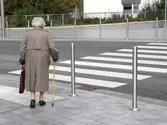
Las personas mayores suelen tener menos accidentes...
Older people tend to have fewer accidents...
- Acuando van acompañando a niños.when they are accompanying children.
- Bcuando van solas.when they are alone.
- Ccuando van acompañadas por otros adultos.when they are accompanied by other adults.
ExplanationOlder people have fewer accidents when they are accompanying children because, feeling responsible for them, they pay extra attention and take extra care when crossing. When they are alone or with other adults, they are more overconfident, even though their perception and mobility are often reduced.
Las personas mayores pueden tener más accidentes de tráfico en situaciones...
Older people may have more road accidents in situations...
- Acuando hay tiempo suficiente para reaccionar.where there is enough time to react.
- Bcuando exigen una respuesta rápida.that require a quick response.
- Cla edad no influye en la siniestralidad.age has no effect on accident rates.
ExplanationThe correct option is the one about situations that require a quick response, because older people may have slower reflexes and may be less prepared for traffic situations that require fast reactions. Under the General Traffic Regulations, drivers' physical and mental condition is crucial for road safety. In situations that require a quick response, older people may not react as quickly as a younger driver, which increases the risk of accidents.
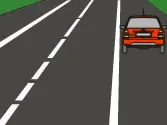
Si nuestro vehículo queda inmovilizado por avería en una calzada de sentido único...
If our vehicle breaks down and is immobilised on a one-way carriageway...
- AColocaremos dos triángulos de preseñalización a 50 metros del vehículo y visible por lo menos a 100 metros.We will place two warning triangles 50 metres from the vehicle, visible from at least 100 metres.
- BColocaremos un triángulo de preseñalización a 50 metros, por la parte delantera del vehículo.We will place one warning triangle 50 metres in front of the vehicle.
- CColocaremos el dispositivo luminoso de preseñalización de peligro en la parte más alta posible del vehículo inmovilizado garantizado su máxima visibilidad.We will place the light-emitting hazard warning device on the highest possible part of the immobilised vehicle, ensuring maximum visibility.
ExplanationThe V-16 hazard warning device is a type-approved amber flashing light with geolocation, powered by its own battery. It must be placed on the highest part of the immobilised vehicle to ensure maximum visibility. At present the V-16 is the only legal option for signalling an immobilised vehicle or an obstacle on the road; warning triangles are no longer used.
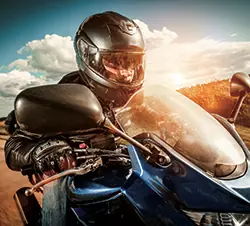
¿Están obligados los conductores de motocicletas a llevar consigo un chaleco reflectante de alta visibilidad?
Must motorcycle riders carry a high-visibility reflective vest?
- ASí.Yes.
- BSolo cuando circulen de noche.Only when riding at night.
- CNo.No.
ExplanationUnder Article 118.4 of the General Traffic Regulations (as worded by RD 518/2026), a motorcycle rider must wear a high-visibility reflective vest when getting off the motorcycle and stepping onto the carriageway or hard shoulder of a road outside a built-up area. In addition, from 1 October 2026 motorcycles must carry one as part of their compulsory equipment (Annex XII of the General Vehicle Regulations).
En caso de accidente el conductor de una motocicleta presenta, en relación con el conductor de un turismo,...
In an accident, compared with a car driver, a motorcycle rider has...
- AIgual riesgo de resultar herido.The same risk of being injured.
- BMenos riesgo de resultar herido.A lower risk of being injured.
- CMayor riesgo de resultar herido.A higher risk of being injured.
ExplanationA motorcycle rider has a higher risk of being injured than a car driver because a motorcycle is less stable and more fragile than a car. Also, in an accident the rider's body acts as the chassis and takes the impact directly, which increases the likelihood of serious injury. So the correct answer is that a motorcycle rider has a higher risk of being injured in an accident.
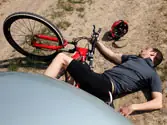
Los accidentes más frecuentes que sufren los ciclistas son...
The most common accidents involving cyclists are...
- ALos atropellos a peatones.Hitting pedestrians.
- BLos choques con otros ciclistas.Collisions with other cyclists.
- CLos choques con otros vehículos.Collisions with other vehicles.
ExplanationMost accidents involving cyclists are caused by collisions with other vehicles. Head-on and front-side collisions are the most common.
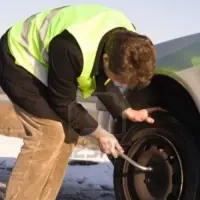
¿Es obligatorio ponerse el chaleco reflectante en caso de accidente de día?
Is it compulsory to put on the reflective vest after an accident during the day?
- ASí, siempreYes, always.
- BSí, pero únicamente en vías urbanasYes, but only in built-up areas.
- CNoNo.
ExplanationThe obligation to wear the vest does not depend on whether it is day or night: you must wear it when you get out of the vehicle and step onto the carriageway or hard shoulder of a road outside a built-up area, including after an accident. It makes you visible at any time of day.
¿Está permitido remolcar un vehículo averiado con un coche en la autopista?
Are you allowed to tow a broken-down vehicle with a car on a motorway (autopista)?
- ASí, hasta el taller más cercano.Yes, to the nearest garage.
- BNo, debe hacerlo una grúa.No, a tow truck must do it.
- CSí, si la grúa se demora más de media hora.Yes, if the tow truck is more than half an hour late.
ExplanationOn a motorway, a broken-down vehicle that cannot continue under its own power must be removed by a roadside assistance service, that is, a tow truck. Towing it with another car using a rope or bar is very dangerous because of the speed of the other traffic and the lack of control over the towed vehicle.
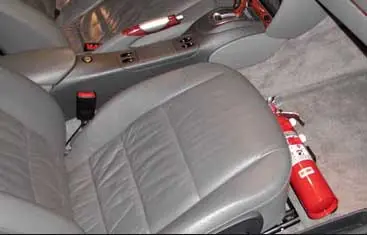
¿Es obligatorio llevar en su turismo un extintor?
Is it compulsory to carry a fire extinguisher in your car?
- ASí, pero solo fuera de poblado.Yes, but only outside built-up areas.
- BNo.No.
- CSí.Yes.
ExplanationA fire extinguisher is not part of the compulsory equipment of a car, although carrying one is advisable. It is compulsory in other vehicles, such as passenger vehicles with more than nine seats or vehicles carrying dangerous goods.
¿Cuándo hay más accidentes de ciclistas: en verano o en invierno?
When are there more accidents involving cyclists: in summer or in winter?
- ANo hay diferencia.There is no difference.
- BEn invierno, por las condiciones meteorológicas adversas.In winter, because of bad weather.
- CEn verano, porque con el buen tiempo hay más ciclistas en las carreteras.In summer, because with good weather there are more cyclists on the roads.
ExplanationAccidents involving cyclists increase in summer because, with good weather and holidays, many more cyclists are out on roads and streets. More exposure means more accidents, even though bad winter weather also increases the risk of each journey.
Una norma fundamental, si nos encontramos con un accidente de circulación en el que ha habido heridos y tenemos la obligación de prestar auxilio, es...
If we come across a road accident with injured people and we are obliged to help, a basic rule is...
- ATrasladarles en nuestro vehículo con la mayor urgencia posible.To take them in our vehicle as urgently as possible.
- BDarles algo de beber para reanimarles.To give them something to drink to revive them.
- CProcurar moverlos lo menos posible.To try to move them as little as possible.
ExplanationTrying to move the injured as little as possible is correct because it reduces the risk of causing further harm. Many injuries can get worse if the person is moved without proper attention and care.
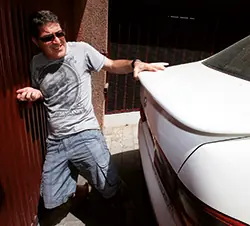
Muchos atropellos a peatones se producen cuando los vehículos...
Many pedestrians are hit when vehicles...
- ACirculan marcha atrás porque el conductor no ha visto al peatón.Are reversing and the driver has not seen the pedestrian.
- BSe disponen a entrar en un garaje.Are about to enter a garage.
- CEstacionan en la acera.Park on the pavement.
ExplanationWhen reversing, visibility is very limited and there are large blind spots: the driver may not see a pedestrian behind the vehicle, especially a child. That is why reversing is an exceptional manoeuvre that requires a careful check of the surroundings.

Para realizar una respiración boca a boca, ¿qué es lo primero que se tiene que hacer?
To give mouth-to-mouth resuscitation, what must you do first?
- AColocar al herido en posición de defensa.Place the injured person in the recovery position.
- BLimpiarle y abrirle las vías respiratorias.Clear and open their airway.
- CPresionarle sobre el pecho.Press on their chest.
ExplanationTo give mouth-to-mouth resuscitation, the first thing to do is to check that nothing is blocking air from getting into the lungs.
Ante un accidente leve sin heridos debe…
After a minor accident with no injuries, you must...
- AAbandonar el lugar inmediatamenteLeave the scene immediately
- BSeñalizar, apartar el vehículo si es posible y rellenar parte amistosoWarn other traffic, move the vehicle out of the way if possible, and fill in an accident report form
- CEsperar siempre a la policíaAlways wait for the police
ExplanationUnder Article 130 of the General Traffic Regulations, after an accident you warn other traffic with the hazard warning lights and the V-16 hazard warning device, move any vehicles that are blocking the carriageway off it if possible, and fill in the joint accident report form in a safe place off the road.
De las siguientes medidas, ¿cuál de ellas cree Ud. que es conveniente aplicar, como norma general, a los heridos en un accidente de circulación?
Which of the following measures do you think should, as a general rule, be taken with people injured in a road accident?
- AAflojarles las prendas y ropas que puedan oprimir el cuello o las vías respiratorias.Loosen any clothing that may press on the neck or airway.
- BDarles de beber siempre que lo soliciten.Give them something to drink whenever they ask.
- CHacerles andar.Make them walk.
ExplanationLoosening any clothing that may press on the neck or airway is essential so that the injured person can breathe easily and so that no obstruction makes their condition worse. In an emergency it is crucial to make sure the airway is clear and that the victim is not harmed further by tight clothing.
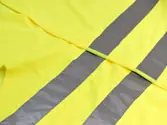
A causa de una avería debemos salir de nuestro vehículo en una vía dentro de poblado, ¿será obligatorio usar un chaleco reflectante?
Because of a breakdown, we have to get out of our vehicle on a road in a built-up area. Is it compulsory to wear a reflective vest?
- ASí, siempre que salgamos de nuestro vehículo a causa de una avería usaremos un chaleco reflectante.Yes, whenever we get out of our vehicle because of a breakdown, we must wear a reflective vest.
- BNo, en vías dentro de poblado no es necesario.No, it is not necessary on roads in built-up areas.
- CSí, pero solo de noche.Yes, but only at night.
ExplanationOnly on interurban roads must a driver who gets out of the vehicle and goes onto the carriageway or hard shoulder wear a reflective vest, both by day and by night.
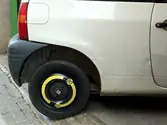
Circulando con la rueda de emergencia o de uso temporal...
When driving on an emergency or temporary-use spare wheel...
- ACircularemos a la velocidad máxima establecida para la vía hasta llegar a nuestro destino para repararla.We will drive at the maximum speed allowed on the road until we reach our destination, where we will have the tyre repaired.
- BCircularemos respetando las limitaciones propias de dicha rueda y durante el tiempo indispensable para llevar el vehículo al centro de reparación más cercano.We will respect the limits of that wheel and drive only for as long as needed to take the vehicle to the nearest repair centre.
- CCircularemos como máximo a 50 km/h y durante un tiempo no superior a dos horas.We will drive at a maximum of 50 km/h and for no more than two hours.
ExplanationEmergency or temporary-use spare wheels have a speed limit, shown on the wheel itself, which we must never exceed. We may only drive on this type of wheel to go to the nearest repair garage. These wheels are usually limited to 80 km/h and can be used for between 50 and 200 km.
Si por un accidente u otra emergencia un vehículo debe detenerse en una autovía o autopista...
If, because of an accident or other emergency, a vehicle has to stop on a dual carriageway (autovía) or motorway (autopista)...
- ALos ocupantes pueden bajar del vehículo y caminar por la calzada, tomando las debidas precauciones.the occupants may get out of the vehicle and walk on the carriageway, taking due care.
- BNinguno de los ocupantes del vehículo puede caminar por la calzada.none of the occupants of the vehicle may walk on the carriageway.
- CLos ocupantes pueden bajar del vehículo y caminar por la calzada, excepto los menores de edad.the occupants may get out of the vehicle and walk on the carriageway, except minors.
ExplanationPedestrians may not walk on motorways or dual carriageways except in the cases in Article 130 (Article 125.1 of the General Traffic Regulations). The occupants of an immobilised vehicle get out on the side away from traffic, without walking along lanes or hard shoulders (Article 130.3), whatever their age.
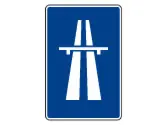
¿Qué hará en caso de que su vehículo quede inmovilizado en la autopista por una avería durante el día?
What will you do if your vehicle breaks down and is immobilised on a motorway (autopista) during the day?
- APoner 2 triángulos de preseñalización de peligro a 50 metros y visibles a 100 metros.Place 2 warning triangles 50 metres away, visible from 100 metres.
- BColocar el dispositivo de preseñalización de peligro en la parte más alta del vehículo, garantizando su máxima visibilidad y encender el alumbrado de emergencia.Place the hazard warning device on the highest part of the vehicle, ensuring maximum visibility, and switch on the hazard warning lights.
- CAvisar lo antes posible mediante un poste de SOS.Report it as soon as possible from an SOS emergency phone post.
ExplanationIf the vehicle is immobilised on a motorway or dual carriageway, the hazard warning lights must be used in all cases, even during the day, and if the cause is a breakdown the hazard warning device must also be placed. The V-16 hazard warning device is a type-approved amber flashing light with geolocation, powered by its own battery. It must be placed on the highest part of the immobilised vehicle to ensure maximum visibility. At present the V-16 is the only legal option for signalling an immobilised vehicle or an obstacle on the road; warning triangles are no longer used.
Los niños suelen sufrir más atropellos, debido ...
Children are more likely to be hit by vehicles because of...
- Aa que su visión periférica es mayor.their wider peripheral vision.
- Ba que su campo visual es mayor.their wider field of vision.
- Cal desconocimiento de las normas y su menor campo visual, entre otros.their lack of knowledge of the rules and their narrower field of vision, among other things.
ExplanationAs pedestrians, children have a number of limitations. Their field of vision is narrower: it can be up to 40% narrower than an adult's when they walk between parked vehicles. They have hearing limitations: under the age of 7 they cannot tell where a vehicle is coming from by its sound. Their control of attention is poor. They do not know the rules: they do not know all the signs or how to behave correctly. For all these reasons it is very important to take extra care around children.
All topics
- Definitions
- Documents and penalty points
- The driver's condition
- Duties of drivers and pedestrians
- Vehicle safety devices
- Vehicle controls and equipment
- Vehicle lights and horn
- Traffic signs, markings and signals
- The road and its lanes
- Speed and distances
- Manoeuvres
- Right of way
- Carrying passengers and loads
- Driving safely in difficult conditions
- Vehicle mechanics and maintenance
- Defensive and eco-driving
Independent app: not affiliated with or endorsed by the DGT (Spain's Directorate-General for Traffic) or the Ministry of the Interior. The official exam is booked with the DGT and taken at its test centres. The questions here are practice material; the DGT's official question bank is not public.
Basado en datos de la Agencia Estatal Boletín Oficial del Estado (https://www.boe.es). Textos consolidados de carácter meramente informativo. La AEBOE no patrocina ni respalda este sitio.
Parte de las preguntas procede de los tests de la revista «Tráfico y Seguridad Vial» de la DGT, reproducidos con indicación de la fuente.