
DGT test · 626 questions
Road accidents and first aid · Page 8 of 13
What to do at a crash: protect, alert and help, basic first aid, and marking a stopped vehicle with the V-16 beacon.
Questions in this topic, with answers
626 questions, 50 per page, with the correct answer and the explanation. Page 8 of 13.
En los accidentes de tráfico que implican motocicletas y ciclomotores, una de las principales causas de muerte es...
In road accidents involving motorcycles and mopeds, one of the main causes of death is...
- Ael peso del vehículo.the weight of the vehicle.
- Bla fricción con el asfalto.friction with the road surface.
- Cla falta de casco.not wearing a helmet.
ExplanationSpanish traffic rules make helmets compulsory for riders and passengers of motorcycles and mopeds. The Traffic Code states this clearly and stresses that the helmet is an essential piece of safety equipment that helps prevent serious or fatal injuries in an accident. Not wearing a helmet greatly increases the risk of death in motorcycle accidents, which makes it one of the main causes of death among motorcyclists. So the correct answer is not wearing a helmet.
Si usted observa que un herido en accidente de tráfico presenta dificultades respiratorias que se manifiestan en forma de jadeos y ruidos parecidos a ronquidos, debe saber que tales síntomas son indicativos de...
You see that a person injured in a road accident has breathing difficulties, with gasping and snoring-like noises. These symptoms indicate...
- AParada cardíaca.cardiac arrest.
- BHemorragia.bleeding.
- CObstrucción parcial de las vías respiratorias.partial blockage of the airway.
ExplanationGasping and snoring-like noises indicate a partial blockage of the airway. This means something is making it hard for air to reach the lungs. It is important to recognise these symptoms and take steps to clear the airway so that the person can breathe properly.
¿Dónde se producen la mayor parte de accidentes con víctimas mortales?
Where do most fatal accidents happen?
- AEn travesías.On travesías (stretches of road through a town).
- BEn vías urbanas.On roads in built-up areas.
- CEn vías interurbanas.On roads outside built-up areas.
ExplanationMost accidents happen on roads outside built-up areas (that is, on the open road), and more on straight stretches than on bends.
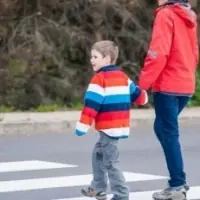
¿Qué grupos de peatones tienen más riesgo de sufrir un accidente?
Which groups of pedestrians are most at risk of an accident?
- ALos ancianos fundamentalmente.Mainly older people.
- BLos niños y los ancianos.Children and older people.
- CLos niños y los jóvenes.Children and young people.
ExplanationOlder people and children are the two groups of pedestrians most at risk of a road accident.
¿Qué daños materiales generan costes como consecuencia de los accidentes de tráfico?
What material damage causes costs as a result of road accidents?
- ASolo en los vehículos.Only damage to vehicles.
- BDaños a los pasajeros de los vehículos.Damage to the passengers of the vehicles.
- CEn los vehículos, la vía y el medio ambiente.Damage to vehicles, the road and the environment.
ExplanationThe material damage from an accident affects the vehicles and their load, the road and its fixtures (signs, barriers, road surface) and the environment, for example through spills or fires. Injuries to passengers are not material damage but human and health costs.
El latigazo cervical se produce con más frecuencia en las colisiones...
Whiplash happens most often in...
- AFrontales.head-on collisions.
- BLaterales.side collisions.
- CPor alcance.rear-end collisions.
ExplanationWhiplash happens most often in rear-end collisions, for example when you are stopped and another vehicle hits you from behind.
La mayoría de accidentes de ciclistas se producen por...
Most cyclist accidents are caused by...
- AColisiones por alcance.rear-end collisions.
- BSalidas de la vía y atropellos.running off the road and being run over.
- CColisiones frontales.head-on collisions.
ExplanationMost cyclist accidents are caused by a crash with another vehicle, and of these the most frequent are head-on collisions.
¿Qué debe hacer, entre otras medidas, para auxiliar a un herido en accidente de circulación que tiene una fractura de columna vertebral?
What must you do, among other things, to help a person injured in a road accident who has a broken spine?
- AEvitar que se siente o se mueva.Stop them from sitting up or moving.
- BTrasladarlo inmediatamente a un hospital en mi turismo.Take them to hospital immediately in my car.
- CPonerle la cabeza de lado y hacia atrás, para evitar asfixias.Turn their head to the side and back, to prevent choking.
ExplanationIt is essential to stop the injured person from sitting up or moving, especially if they have a broken spine. Moving someone with this injury can make it worse and cause more damage to the spinal cord, which could lead to paralysis or serious complications. The best thing is to keep the person still and wait for the emergency services.
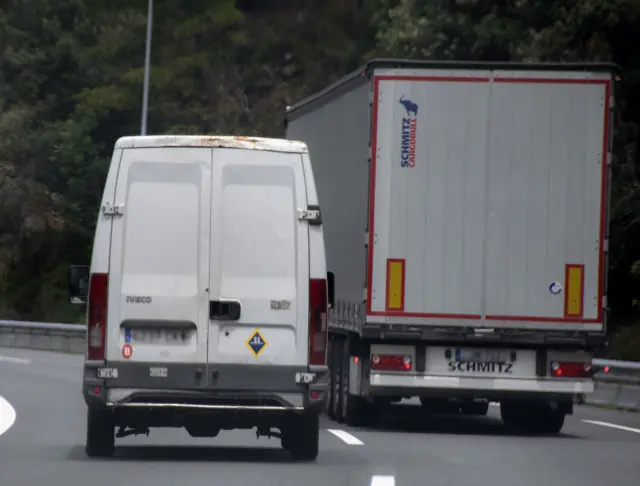
En vías interurbanas, ¿cuáles son las infracciones que cometen con mayor frecuencia los conductores de furgonetas implicados en accidentes con víctimas?
On roads outside built-up areas, what offences do van drivers involved in accidents with casualties commit most often?
- ANo respetar la distancia de seguridad y circular a velocidad inadecuada.Not keeping a safe distance and driving at an unsuitable speed.
- BInvadir parcialmente el sentido contrario y exceso o mala colocación de la carga.Partly moving into the opposite lane, and overloading or badly placing the load.
- CAdelantar de forma antirreglamentaria y circular por lugar prohibido.Overtaking illegally and driving where it is prohibited.
ExplanationOn roads outside built-up areas, van drivers involved in accidents with casualties most often fail to keep a safe distance and drive at an unsuitable speed. Not keeping enough distance from the vehicle in front is dangerous because it leaves no room to react to sudden braking or emergencies, which increases the risk of collisions. Driving at a speed that does not suit the road or traffic conditions also makes the vehicle harder to control and reduces reaction time, which can lead to accidents. That is why it is crucial to keep a safe distance and adapt your speed to traffic and road conditions.
¿Qué es lo primero que debemos hacer para auxiliar a un herido en un accidente de tráfico?
What is the first thing you must do to help a person injured in a road accident?
- ADarle medicamentos para el dolor.Give them painkillers.
- BDarle agua si lo pide.Give them water if they ask for it.
- CProtegerle el cuello para evitar lesiones cervicales.Protect their neck to prevent neck injuries.
ExplanationThe first thing to do to help an injured person is to protect their neck, to prevent movements that could cause neck injuries.
Entre los costes de los accidentes de tráfico, ¿se incluye la perdida de la capacidad productiva?
Does the cost of road accidents include the loss of productive capacity?
- ASí.Yes.
- BNo.No.
- CNo, solo se incluyen los daños materiales.No, only material damage is included.
ExplanationThe cost of road accidents is divided into material damage, healthcare costs, administrative costs and human costs; the human costs include the loss of productive capacity.
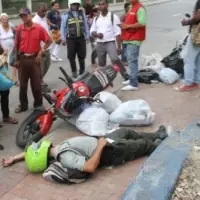
Cuando han habido heridos en un accidente de tráfico es fundamental…
When people have been injured in a road accident, it is essential to…
- ADarles alguna cosa para beber, para reanimarlos.give them something to drink to revive them.
- BSacarlos del vehículo para intentar reanimarlos.take them out of the vehicle to try to revive them.
- CMoverlos lo mínimo posible y llamar al 112.move them as little as possible and call 112.
ExplanationWhen helping a person injured in a road accident, do not move them unless it is essential. Call 112 for medical help, do not let the injured person walk, loosen any clothing that restricts their breathing, and cover them with clothes or blankets so that they do not lose body heat.
¿Cuántos chalecos reflectantes se tienen que llevar obligatoriamente en el turismo?
How many reflective vests must you carry in a car?
- ATantos como ocupantes vayan en el vehículo.As many as there are occupants in the vehicle.
- BUno.One.
- CDos, uno para el conductor y otro para el acompañante.Two, one for the driver and one for the passenger.
ExplanationYou must carry one reflective vest inside the vehicle. On roads outside built-up areas, the driver must get out already wearing the vest.
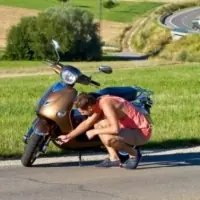
En caso de una avería de su motocicleta en una calzada, ¿cómo lo debe señalizar si es un obstáculo para la circulación?
If your motorcycle breaks down on the carriageway, how must you mark it if it obstructs traffic?
- ACon la luz de emergencia si la tiene.With the hazard warning lights, if it has them.
- BCon los triángulos de señalización de peligro que está obligado a llevar.With the warning triangles that it must carry.
- CObligatoriamente con las luces de posición.With the sidelights, which is compulsory.
ExplanationUnder Article 130.4 of the General Traffic Regulations, if a breakdown immobilises the vehicle and it obstructs the carriageway, you must switch on the hazard warning lights if the vehicle has them. Motorcycles are not required to carry the V-16 flashing warning beacon, which is required for cars and vans, and warning triangles are no longer valid for marking a vehicle.
¿Qué es lo primero que debemos hacer para intentar cortar la hemorragia en la pierna de un herido en accidente de tráfico?
What is the first thing you should do to try to stop bleeding from the leg of a person injured in a road accident?
- APresionar directamente sobre la herida con la mano o el puño y elevar la pierna.Press directly on the wound with your hand or fist and raise the leg.
- BAplicarle un torniquete.Apply a tourniquet.
- CTapar la herida con un vendaje, sin presionarla.Cover the wound with a bandage, without pressing.
ExplanationThe correct answer is to press directly on the wound with your hand or fist and raise the leg. Pressing directly on the wound can stop the bleeding, and raising the leg helps the blood return to the heart, which makes it harder for blood to come out of the wound.
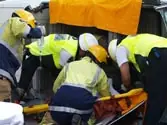
Durante el día, la mayor parte de accidentes se producen...
During the day, most accidents happen...
- Aal mediodía.at midday.
- Bal empezar la jornada laboral.at the start of the working day.
- Cpor la tarde, al finalizar la jornada laboral.in the afternoon, at the end of the working day.
ExplanationDuring the day, most accidents happen at the times when people go to or leave work, and more so in the afternoon, at the end of the working day.
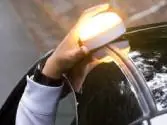
¿Está permitido colocar el dispositivo de preseñalización de peligro alejado del vehículo averiado?
Is it allowed to place the hazard warning device away from the broken-down vehicle?
- ASí, alejado se podrá apreciar mejor.Yes, away from the vehicle it can be seen better.
- BSí, debe estar al menos a 100 metros.Yes, it must be at least 100 metres away.
- CNo, se debe colocar en la parte más alta posible del vehículo inmovilizado.No, it must be placed on the highest possible point of the immobilised vehicle.
ExplanationNo. Under Annex XI of the General Vehicle Regulations, the V-16 light is placed on the highest possible point of the immobilised vehicle to make it as visible as possible. Since 1 January 2026, warning triangles, which were placed on the ground away from the vehicle, are no longer valid.
¿Cuál es la causa más frecuente de los siniestros de circulación?
What is the most frequent cause of road crashes?
- AEl factor vía y entorno.The road and surroundings factor.
- BEl factor humano.The human factor.
- CEl factor vehículo.The vehicle factor.
ExplanationOut of every 100 accidents, only between 4 and 13 are due to the vehicle factor, between 10 and 35 to the road factor, and between 70 and 90 mainly to the human factor.
Los niños, ¿cuándo es más frecuente que tengan accidentes?
When are children most likely to have accidents?
- ALos fines de semana.At weekends.
- BAl inicio de la jornada escolar.At the start of the school day.
- CAl final de la jornada escolar.At the end of the school day.
ExplanationChildren are most often hit by vehicles when they leave school at the end of the school day: they come out in a hurry, tired and distracted by playing with their friends, and they cross without looking. Take extra care at these times and in these areas.
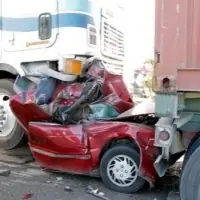
Una gran parte de las víctimas mortales por accidente de circulación se producen en…
A large share of road deaths happen on…
- ATravesíasTravesías (stretches of road through a town)
- BVías urbanas.Roads in built-up areas.
- CVías interurbanasRoads outside built-up areas
ExplanationMost road deaths happen on roads outside built-up areas, especially on conventional roads, where speeds are high and vehicles run off the road or collide head-on. In built-up areas there are more accidents, but they are less serious.
¿Cuáles son las causas más frecuentes de los siniestros de circulación?
What are the most frequent causes of road crashes?
- ALas debidas al factor humano.Those due to the human factor.
- BLas debidas al factor vía y entorno.Those due to the road and surroundings factor.
- CLas debidas al factor vehículo.Those due to the vehicle factor.
ExplanationMost road crashes are due to the human factor: between 70% and 90% of accidents.
La mayor parte de las víctimas mortales por accidente de circulación se producen en...
Most road deaths happen on...
- Avías interurbanas.roads outside built-up areas.
- Bvías urbanas.roads in built-up areas.
- Ctravesías.travesías (stretches of road through a town).
ExplanationMost casualties, especially fatal ones, happen in accidents on roads outside built-up areas, more on straight stretches than on bends.
Ud es conductor de una motocicleta.¿ tiene que prestar ayuda a los heridos si preséncia un accidente?
You are riding a motorcycle. Must you help the injured if you witness an accident?
- ANo, ya que es tarea de los sanitarios.No, because that is the job of medical staff.
- BNo, en ningún caso.No, never.
- CSi, siempre.Yes, always.
ExplanationYes. Every road user who witnesses an accident, whatever they are driving, must help the victims or call for help, unless their help is not needed (Article 129 of the General Traffic Regulations). It is not a job only for medical staff.
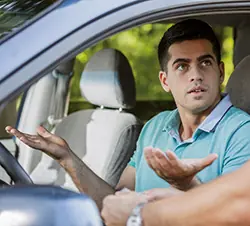
Los conductores jóvenes, en general, ¿evalúan peor los riesgos de la circulación?
In general, do young drivers assess traffic risks less well?
- ANo.No.
- BSí, lo que reduce la posibilidad de sufrir un accidente de tráfico.Yes, which reduces the chance of having a road accident.
- CSí, lo que aumenta la posibilidad de sufrir un accidente de tráfico.Yes, which increases the chance of having a road accident.
ExplanationYoung drivers tend to underestimate dangers and overestimate their own abilities; this poorer assessment of risk increases the likelihood of being involved in an accident.
¿A qué herido, de los que se citan, se debe atender en primer lugar en un accidente de circulación?
Which of the following injured people should be attended to first in a road accident?
- AAl que se encuentra dentro del vehículo y se queja de grandes dolores.The one who is inside the vehicle and complaining of severe pain.
- BAl que presenta una fuerte hemorragia en la pierna.The one with heavy bleeding from the leg.
- CAl que está inconsciente.The one who is unconscious.
ExplanationYou must attend first to the unconscious casualty, because their breathing or circulation may be at risk and their life is in the most immediate danger. Someone who is complaining is conscious and breathing; heavy bleeding is also urgent, but comes after making sure the person is breathing.
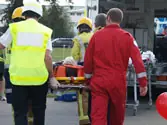
¿Cómo se conocen las unidades existentes en muchos hospitales para atender a las víctimas con lesiones, físicas o emocionales, derivadas de un siniestro vial?
What are the units in many hospitals that treat victims with physical or emotional injuries from a road crash called?
- AUnidad de Urgencia Traumatológicas.Trauma Emergency Unit.
- BUnidad de Accidentes de Tráfico.Road Accident Unit.
- CUnidad de Medicina Familiar.Family Medicine Unit.
ExplanationRoad accident units are specialised areas in hospitals that treat people who have suffered physical or emotional injuries from a road crash. Their aim is to give victims immediate medical care and psychological support to help their full recovery.
¿Qué accidentes de moto ocurren con mayor frecuencia?
Which motorcycle accidents happen most often?
- AAccidentes en solitario.Single-vehicle accidents.
- BColisión entre 2 vehículos.Collisions between 2 vehicles.
- CAtropellos.Hitting pedestrians.
ExplanationMost accidents involving motorcycles are collisions with another vehicle, often at junctions, because the other driver does not see the motorcycle or misjudges its speed and distance. That is why it is important to make yourself visible and to ride with anticipation.
¿Cuál es el tipo de accidente más frecuente de motocicletas?
What is the most frequent type of motorcycle accident?
- AAtropello.Hitting a pedestrian.
- BColisión con otro vehículo.Collision with another vehicle.
- CSalida de la vía.Running off the road.
ExplanationThe most frequent type of motorcycle accident is a collision between two vehicles (almost 66% of cases). The collision can be head-on, front-to-side or rear-end.
Si presencia un accidente pero de forma manifiesta no necesitan ayuda,¿qué debe hacer?
If you witness an accident but the people clearly do not need help, what should you do?
- ADetenerse para colaborar.Stop and offer to help.
- BContinuar la marcha sin necesidad de detenerse.Continue on your way without needing to stop.
- CLlamar al 112.Call 112.
ExplanationHelping and calling for help are obligations, and failing to do so is punished in the Criminal Code as the crime of failure to help. However, road users who are not involved do not have to do this when: - the authorities or their officers are already at the scene; - their help is clearly not needed.
Debemos tapar a los heridos...
You should cover injured people...
- AEn invierno.in winter.
- BEn verano.in summer.
- CTanto en invierno como en verano.both in winter and in summer.
ExplanationAlways cover a person injured in a road accident, both in winter and in summer, to prevent their body temperature from dropping (hypothermia).
En situaciones de extrema urgencia, ¿en qué circunstancias se permite utilizar un vehículo particular para trasladar a un herido, según las normas de seguridad vial?
In cases of extreme urgency, when may a private vehicle be used to take an injured person, under road safety rules?
- ASi el conductor del vehículo particular tiene conocimientos médicos.If the driver of the private vehicle has medical knowledge.
- BSi el conductor tiene prisa y considera que puede llegar más rápido al hospital en su propio vehículo.If the driver is in a hurry and thinks they can get to hospital faster in their own vehicle.
- CCuando no haya sido posible solicitar ayuda sanitaria por ningún medio.When it has been impossible to call for medical help by any means.
ExplanationInjured people should be transported by ambulance. However, in cases of extreme urgency you may use a private vehicle: - When it has been impossible to call for medical help by any means. - When the person's condition gets seriously worse and medical help does not arrive. - When more than 30 minutes have passed since you called for help and the injured person has bleeding that cannot be stopped, increasing signs of shock, or a tourniquet.
Si se encuentra un accidente de tráfico, ¿debe detenerse para auxiliar y prestar ayuda a las víctimas?
If you come across a road accident, must you stop to help the victims?
- ASolamente si lo solicita alguna autoridad presente.Only if an authority at the scene asks you to.
- BNo, ya que al no estar implicado, no tiene ninguna responsabilidad.No. As you are not involved, you have no responsibility.
- CSí, salvo que la ayuda esté ya organizada.Yes, unless help is already organised.
ExplanationAnyone who witnesses, comes across or is involved in an accident must help when necessary, as long as there is no risk to themselves or others. Failing to do so is the crime of failure to help (omisión de socorro) under the Criminal Code. The same applies to people who cannot help but do not urgently ask others for help. Road users who are NOT involved do not have to do this when the authorities or their officers are already at the scene, or when their help is not needed.
Si se queda detenido dentro de un túnel y se produce un incendio, ¿qué debe hacer?
If you are stopped inside a tunnel and a fire breaks out, what must you do?
- AApartar el vehículo hacia la derecha, apagar el motor y dirigirse a la salida más cercana.Move the vehicle to the right, switch off the engine and go to the nearest exit.
- BHacer marcha atrás hasta el inicio del túnel.Reverse back to the tunnel entrance.
- CPermanecer dentro del vehículo y esperar a los servicios de emergencia.Stay inside the vehicle and wait for the emergency services.
ExplanationIf there is a fire in a tunnel, the driver must move the vehicle to the right, switch off the engine and leave the doors open. Moving over means the vehicle does not block emergency vehicles that may arrive. It is also important that the driver and occupants leave the vehicle quickly and go to the nearest exit, because staying inside can be dangerous because of the fire and smoke.
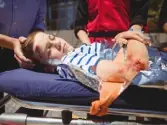
¿Por qué los menores, cuando se desplazan a pie, tienen una mayor probabilidad de sufrir accidentes especialmente entre los 6 y 10 años y sobre todo en entornos urbanos?
Why are children on foot more likely to have accidents, especially between 6 and 10 years old and above all in towns?
- AÚnicamente por comportamientos imprudentes.Only because of careless behaviour.
- BSolo por no conocer las normas de circulación.Only because they do not know the traffic rules.
- CPorque su menor estatura y la falta de madurez de su sistema auditivo influyen en su percepción del tráfico.Because being shorter and having immature hearing affects how they perceive traffic.
ExplanationChildren, especially between 6 and 10, have not yet fully developed their physical and sensory abilities. Being shorter makes it harder for them to see and be seen between vehicles, and it reduces their field of vision. Also, their hearing is still immature, so they cannot tell exactly where traffic sounds come from or how fast vehicles are moving. Because of these limits, their perception of traffic is incomplete. This increases the risk of accidents, above all in towns, where traffic is denser and more complex.
¿Qué es lo primero que debemos hacer ante un accidente de tráfico?
What is the first thing you must do at a road accident?
- AProtegernos a nosotros mismos.Protect yourself.
- BProteger el lugar del accidente.Protect the accident scene.
- CProteger a los heridos.Protect the injured.
ExplanationAt an accident, follow the PAS rule: protect, alert and help. The first thing is to protect yourself: stop in a safe place, put on your vest and signal your vehicle, because a helper who gets hit helps nobody. Then protect the scene and look after the injured.
A una persona herida y consciente tras un accidente, mientras llega la ayuda:
For an injured person who is conscious after an accident, while help is on its way:
- ASe le debe dar de comer y beber.They should be given food and drink.
- BNo se le debe dar de comer ni beber.They should not be given food or drink.
- CSe le debe hacer caminar.They should be made to walk.
ExplanationDo not give an injured person food or drink: they may need surgery, and there is a risk of choking or vomiting.
¿Cuándo se producen accidentes de tráfico con más frecuencia?
When do road accidents happen most often?
- ALos lunes.On Mondays.
- BEn los periodos de vacaciones y los fines de semana.During holiday periods and at weekends.
- CEn invierno.In winter.
ExplanationWeekends and public holidays are the most dangerous days, especially in the early hours of the morning. Also, most accidents happen during holiday periods (Easter, summer, December).
En caso de un accidente en el que ya se ha organizado la ayuda, ¿debe detenerse para prestar auxilio?
If you come across an accident where help has already been organised, must you stop to help?
- ASí, en vías interurbanas o donde no exista un poste SOS.Yes, on roads outside built-up areas or where there is no SOS post.
- BNo, si no está implicado, debe continuar la marcha.No. If you are not involved, you must continue on your way.
- CSí, debe detenerse y colaborar siempre.Yes, you must always stop and help.
ExplanationUnder the General Traffic Regulations, specifically Article 129, road users must help or call for help in an accident. However, if they have witnessed the accident and help is already organised (for example, emergency services are on their way), they do not have to stop, especially if they are not directly involved. The reason is to avoid creating a new danger for traffic. So the correct answer is that you do not need to stop if you are not involved in the accident, which lets traffic keep moving without unnecessary interference.
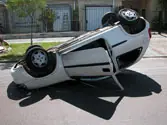
Durante el día, el mayor número de accidentes tiene lugar...
During the day, most accidents happen...
- Aal mediodía.at midday.
- Ba última hora de la tarde al salir del trabajo.late in the afternoon, when leaving work.
- Ca primera hora de la mañana, los fines de semana.early in the morning, at weekends.
ExplanationDuring the day, most accidents happen at the times when people go to or leave work, especially in the afternoon, at the end of the working day.
Para recordar las pautas básicas a seguir en caso de accidente se utiliza la regla PAS. Estas siglas significan:
The PAS rule is used to remember the basic steps to follow at an accident. The letters stand for:
- Aproteger, avisar y socorrer.protect, alert and help (proteger, avisar, socorrer).
- Bprevenir, atender y servir.prevent, attend and serve (prevenir, atender, servir).
- Cprecaución, atención y seguridad.caution, attention and safety (precaución, atención, seguridad).
ExplanationThe PAS rule sums up the basic steps at an accident: Protect (signal with the hazard warning lights and the V-16 hazard warning light), Alert the emergency services and Help the injured. Article 129 of the General Traffic Regulations requires you to help or call for help and to avoid further danger.
Un herido tras un accidente solo debe moverse:
After an accident, an injured person should only be moved:
- ASiempre, para sacarlo de la carretera.Always, to get them off the road.
- BSi existe un peligro inminente (incendio, riesgo de atropello) y con la máxima precaución.If there is an imminent danger (fire, risk of being hit), and with the greatest care.
- CNunca, bajo ninguna circunstancia.Never, under any circumstances.
ExplanationDo not move an injured person unless there is immediate danger to life, because of the risk of making injuries worse (especially spinal injuries).
Para evitar el atropello a ciclistas sería recomendable...
To avoid hitting cyclists, it is advisable to...
- ARealizar señales acústicas cerca de los ciclistas, pero únicamente cuando vayas a adelantarlos.Use sound signals near cyclists, but only when you are going to overtake them.
- BEvitar las señales acústicas cerca de los ciclistas.Avoid sound signals near cyclists.
- CRealizar señales acústicas cerca de los ciclistas para que te vean y extremen las precauciones.Use sound signals near cyclists so that they see you and take extra care.
ExplanationAvoid sound signals near cyclists, because they can frighten them and put their safety at risk. Keep a suitable distance when overtaking cyclists, and use light signals so that they can see you and take extra care.
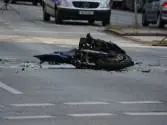
¿Qué debería hacer un conductor si, al llegar al lugar de un accidente en el que se ha visto involucrada una motocicleta, encuentra a su conductor en estado de shock?
What should a driver do if, on arriving at the scene of an accident involving a motorcycle, they find the rider in a state of shock?
- AQuitarle rápidamente el casco al motorista para que pueda respirar mejor.Quickly remove the rider's helmet so that they can breathe better.
- BNo quitarle el casco al motorista, salvo que se conozca la técnica adecuada para hacerlo.Not remove the rider's helmet, unless you know the correct technique for doing so.
- CDarle de beber algo al motorista para que se tranquilice.Give the rider something to drink to calm them down.
ExplanationWith an injured motorcyclist, do not remove the helmet, to avoid making injuries to the neck (cervical spine) worse, unless it is necessary to resuscitate them and you know the correct removal technique.
El número 112 de servicios de emergencia…
The 112 emergency number…
- ASirve para avisar de cualquier emergencia, es gratuito y está disponible a nivel Europeo.Is used to report any emergency, is free and is available across Europe.
- BSólo sirve para llamar a los servicios sanitarios, no a los agentes de tráfico.Is only for calling the health services, not the traffic officers.
- CSólo sirve para llamar a los agentes de tráfico, no a los servicios sanitarios.Is only for calling the traffic officers, not the health services.
Explanation112 is the emergency number valid throughout the European Union. It is free, works even with no credit, and is used for any emergency: it coordinates the health services, fire brigade and police, including traffic officers.
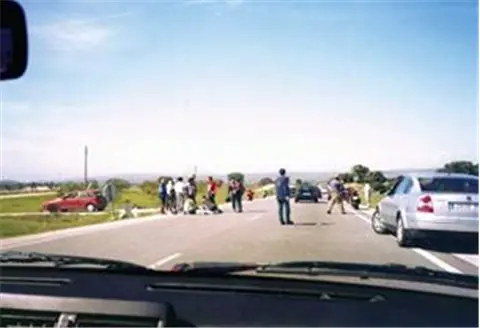
En un accidente de tráfico, ¿qué debe hacer?
At a traffic accident, what must you do?
- AÚnicamente auxiliar a los heridos y autoprotegerse.Only help the injured and protect yourself.
- BAutoprotegerse, proteger el lugar del accidente y socorrer a los heridos.Protect yourself, protect the accident scene and help the injured.
- CÚnicamente auxiliar a los heridos y proteger el lugar del accidente.Only help the injured and protect the accident scene.
ExplanationAt an accident you follow the PAS procedure: protect, alert, help. First you must protect yourself and protect the scene to prevent another accident, then call 112, and then help the injured. Dealing only with the injured leaves everyone exposed to another collision.
La falta de experiencia en la conducción, ¿es una de las causas de accidentes en conductores jóvenes?
Is lack of driving experience one of the causes of accidents among young drivers?
- ASí.Yes.
- BNo, en ningún caso.No, never.
- CNo, porque la experiencia no es importante.No, because experience is not important.
ExplanationInexperience, overestimating their abilities and perceiving less danger are among the main causes of accidents among young people.

¿En qué tipo de vías será obligatorio el uso del chaleco reflectante?
On which roads is it compulsory to use the reflective vest?
- AEn vías dentro de poblado.On roads in built-up areas.
- BEn vías fuera de poblado.On roads outside built-up areas.
- CEn todo tipo de vías.On all roads.
ExplanationThe reflective vest is compulsory when you get out of the vehicle and are on the carriageway or hard shoulder of roads outside built-up areas.
¿Qué factores suelen ser los causantes de la mayoría de los accidentes?
Which factors usually cause most accidents?
- AEl vehículo y el conductor fundamentalmente.Mainly the vehicle and the driver.
- BEl conductor y el factor vía y el entorno, fundamentalmente.Mainly the driver and the road and environment factor.
- CEl conductor únicamente.Only the driver.
ExplanationThe 3 factors found in every traffic situation are: the vehicle, the road and environment, and the driver. The human factor is responsible for more than 70% of accidents, followed by the road and environment factor and finally the vehicle factor.
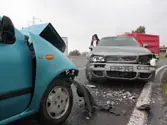
La regla que permite seguir un orden de actuación en caso de accidente es:
The rule that gives an order of action at an accident is:
- AAvisar, Socorrer, Proteger.Alert, Help, Protect.
- BProteger, Avisar, Socorrer.Protect, Alert, Help.
- CProteger, Socorrer, Avisar.Protect, Help, Alert.
ExplanationThe rule that gives an order of action at an accident is known as PAS: Protect, Alert and Help (proteger, avisar, socorrer), in that order.
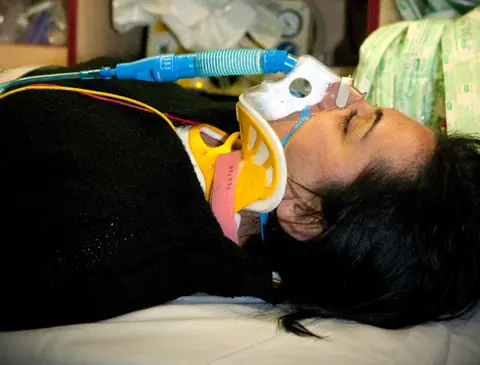
Los accidentes de tráfico con muertes, ¿qué daños humanos provocan?
What human damage do fatal road accidents cause?
- ALos gastos por el tratamiento en el hospital.The cost of hospital treatment.
- BLos gastos de los seguros médicos y los servicios que se ofrecen.The cost of medical insurance and the services provided.
- CLos años de vida perdidos.The years of life lost.
ExplanationThe human damage of a fatal accident is measured in years of life lost: the time the victim would have lived if they had not died. Hospital, insurance and service costs are economic costs, not the human damage itself.
All topics
- Definitions
- Documents and penalty points
- The driver's condition
- Duties of drivers and pedestrians
- Vehicle safety devices
- Vehicle controls and equipment
- Vehicle lights and horn
- Traffic signs, markings and signals
- The road and its lanes
- Speed and distances
- Manoeuvres
- Right of way
- Carrying passengers and loads
- Driving safely in difficult conditions
- Vehicle mechanics and maintenance
- Defensive and eco-driving
Independent app: not affiliated with or endorsed by the DGT (Spain's Directorate-General for Traffic) or the Ministry of the Interior. The official exam is booked with the DGT and taken at its test centres. The questions here are practice material; the DGT's official question bank is not public.
Basado en datos de la Agencia Estatal Boletín Oficial del Estado (https://www.boe.es). Textos consolidados de carácter meramente informativo. La AEBOE no patrocina ni respalda este sitio.
Parte de las preguntas procede de los tests de la revista «Tráfico y Seguridad Vial» de la DGT, reproducidos con indicación de la fuente.