
DGT test · 691 questions
Vehicle safety devices · Page 13 of 14
Seat belts, child restraints, helmets, head restraints and airbags: when they are compulsory, the exceptions and how to use them properly.
Questions in this topic, with answers
691 questions, 50 per page, with the correct answer and the explanation. Page 13 of 14.
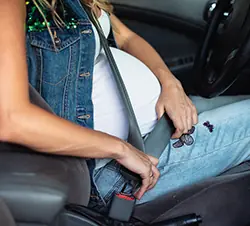
Una embarazada, ¿debe llevar puesto el cinturón de seguridad?
Must a pregnant woman wear a seat belt?
- ASí, pero solo en vías interurbanas.Yes, but only on interurban roads.
- BSí, es obligatorio.Yes, it is compulsory.
- CNo, no es obligatorio.No, it is not compulsory.
ExplanationThe seat belt is also compulsory for pregnant women, on all types of road: it is the best protection for the mother and the foetus. The lower strap must be placed below the abdomen, resting on the hips.
El ciclista, ¿puede quitarse el casco en vías interurbanas?
May a cyclist take off their helmet on interurban roads?
- AEn caso de rampas ascendentes prolongadas, en condiciones extremas de calor o por razones médicas.On long uphill climbs, in extreme heat or for medical reasons.
- BSólo en rampas ascendentes prolongadas.Only on long uphill climbs.
- CNo.No.
ExplanationUnder Article 118.2 of the General Traffic Regulations (RGC) (as worded by RD 518/2026), riders and passengers of bicycles must wear a fastened helmet on interurban roads. The reform removes the old exceptions for long uphill climbs, extreme heat or medical reasons.
¿Es seguro que un niño vaya tumbado en el asiento posterior del vehículo?
Is it safe for a child to lie down on the rear seat of the vehicle?
- APuede ir tumbado e incluso de pie, siempre que se instale una barra para que se sujete.They may lie down and even stand, as long as a bar is fitted for them to hold on to.
- BNunca debe ir tumbado, porque en caso de accidente, puede sufrir graves lesiones.They must never lie down, because they may suffer serious injuries in an accident.
- CEn trayectos cortos, si es menor de un año, lo más seguro es que vaya en brazos.On short trips, if they are under one year old, it is safest for them to be held in someone's arms.
ExplanationChildren must never lie down on the rear seat of the vehicle, because they may suffer serious injuries in an accident. Children must travel in child restraint systems suited to their height and weight, always sitting and correctly held in. Travelling lying down or without a restraint increases the risk of injury in a collision.
¿Está el conductor obligado a usar el cinturón de seguridad?
Must the driver wear a seat belt?
- ANo, solo fuera de poblaciones.No, only outside towns.
- BNo, en ningún tipo de vía.No, on no type of road.
- CSí, en todas las vías.Yes, on all roads.
ExplanationUnder Article 117 of the General Traffic Regulations (RGC), all drivers and occupants of motor vehicles, including lorries, must wear a seat belt on all roads, both urban and interurban. This is to keep occupants safe and reduce the risk of injury in an accident. So the correct option is that the driver must wear a seat belt on all roads.
En un vehículo con airbag frontal en el copiloto que no se puede desactivar, ¿cómo debe viajar un bebé en silla a contramarcha?
In a vehicle with a front passenger airbag that cannot be deactivated, how must a baby in a rear-facing seat travel?
- AEn una plaza trasera, nunca delante con el airbag activado.In a rear seat, never in the front with the airbag active.
- BEn el asiento del copiloto, es indiferente.In the front passenger seat; it does not matter.
- CEn brazos de un adulto en el asiento delantero.In an adult's arms in the front seat.
ExplanationIf the front airbag cannot be deactivated, the rear-facing seat must go in a rear seat.
¿Deben llevar abrochado el cinturón de seguridad los pasajeros de los asientos delanteros de los camiones con una MMA no superior a 3.500 kg?
Must front-seat passengers in lorries with an MAM of no more than 3,500 kg wear a fastened seat belt?
- ANo, pero sí el conductor.No, but the driver must.
- BSolo cuando circulen por vías interurbanas.Only on roads outside built-up areas.
- CSí.Yes.
ExplanationYes, front-seat passengers in lorries with an MAM of no more than 3,500 kg must wear a fastened seat belt. This is because seat belts are compulsory for both the driver and the passengers of goods vehicles with an MAM of up to 3,500 kg.
¿Es importante regular el apoyacabezas?
Is it important to adjust the head restraint?
- ANo, ya vienen regulados de serie.No, they come already adjusted as standard.
- BSí, el borde superior debe estar a la altura de la parte inferior de la cabeza.Yes, the top edge should be level with the bottom of the head.
- CSí, el borde superior debe estar a la altura de la parte superior de la cabeza.Yes, the top edge should be level with the top of the head.
ExplanationHead restraints must be adjusted correctly: their top edge should be level with the top of the head, and the gap between the head and the head restraint should never be more than 4 centimetres.
¿El apoyacabezas es un elemento de seguridad activa o pasiva?
Is the head restraint an active or a passive safety feature?
- AActiva.Active.
- BActiva y pasiva.Active and passive.
- CPasiva.Passive.
ExplanationThe head restraint is a passive safety feature, because it works once the accident has happened. Its job is to reduce the consequences of the crash.
Se ha demostrado que el airbag evita aproximadamente:
It has been shown that the airbag prevents approximately:
- AUn 4% de las muertes en conductores y un 1% de los daños en pasajeros.4% of driver deaths and 1% of injuries to passengers.
- BUn 75% de las muertes en conductores y un 80% de los daños en pasajeros.75% of driver deaths and 80% of injuries to passengers.
- CUn 14% de las muertes en conductores y un 11% de los daños en pasajeros.14% of driver deaths and 11% of injuries to passengers.
ExplanationThe airbag prevents approximately 14% of driver deaths and 11% of injuries to passengers. This is because the airbag inflates and deflates quickly in an impact, protecting the vehicle's occupants from the deceleration forces and stopping the body from hitting the inside of the vehicle. However, the airbag is not foolproof and must not be used as the only protective element.
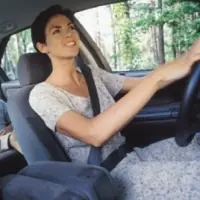
¿Deben los conductores llevar el cinturón de seguridad mientras estén estacionando?
Must drivers wear a seat belt while they are parking?
- ASí, solo deben desabrocharlo cuando el vehículo esté detenidoYes, they should only unfasten it when the vehicle has stopped
- BÚnicamente deben llevarlo cuando estacionan en vías urbanasThey only have to wear it when parking on urban roads
- CNo, no es necesarioNo, it is not necessary
ExplanationThere are limits to the obligation to wear a seat belt: drivers who are parking or reversing do not have to wear it, on any type of road.
Con carácter general, ¿en qué asientos deben viajar los niños de estatura igual o inferior a 135 cm?
As a general rule, in which seats must children who are 135 cm tall or less travel?
- AEn los asientos traseros, con un sistema de retención infantil adecuado.In the rear seats, with a suitable child restraint system.
- BEn el asiento del copiloto para vigilarlos mejor.In the front passenger seat, so you can keep a better eye on them.
- CEn cualquier asiento, siempre que lleven el cinturón del adulto.In any seat, as long as they wear the adult seat belt.
ExplanationChildren who are 135 cm tall or less must use a suitable child restraint system (child seat) and, as a general rule, travel in the rear seats.
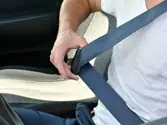
¿Por qué es obligatorio el cinturón de seguridad?
Why is the seat belt compulsory?
- APorque reduce de forma importante el riesgo de muerte y de lesiones graves en un accidente.Because it greatly reduces the risk of death and serious injury in an accident.
- BPorque sustituye al airbag en caso de choque.Because it replaces the airbag in a crash.
- CPorque anula la fuerza del impacto.Because it cancels out the force of the impact.
ExplanationThe seat belt keeps the occupant held in the seat and stops them from being thrown out or hitting the inside of the vehicle, so it greatly reduces the risk of death and serious injury. It does not replace the airbag or cancel out the force of the impact: it spreads it and cushions it.
Si un turismo tiene airbags, ¿puede prescindir del uso del cinturón de seguridad?
If a car has airbags, can you do without the seat belt?
- ANo, porque los airbags complementan el uso del cinturón.No, because airbags complement the use of the seat belt.
- BSí.Yes.
- CSí, dentro de poblado, no fuera de poblado.Yes, in built-up areas but not outside them.
ExplanationNo. The airbag complements the seat belt and does not replace it: without a seat belt, the occupant is thrown against the airbag while it is inflating and can be seriously injured, or thrown out of the vehicle. The seat belt is compulsory both in and outside built-up areas.
Si conduce un taxi con licencia exclusivamente de carácter urbano, ¿podrá prestar servicio fuera del casco urbano?
If you drive a taxi with a licence that is only for urban service, may you provide a service outside the urban area?
- ASí, en un radio de 50 km desde donde este domiciliado el vehículo.Yes, within a 50 km radius of where the vehicle is registered.
- BSí, en un radio de 30 km desde donde este domiciliado el vehículo.Yes, within a 30 km radius of where the vehicle is registered.
- CNo, sólo dentro del casco urbano del municipio que haya otorgado la licencia.No, only within the urban area of the municipality that granted the licence.
ExplanationTaxi drivers with a licence that is only for urban service must provide their service only within the urban area of the municipality that granted them the licence. There is no exception that allows them to provide the service outside the urban area.
¿Está permitido que un niño viaje en el asiento delantero con un sistema de retención infantil orientado hacia atrás?
Is a child allowed to travel in the front seat in a rear-facing child restraint system?
- ASí, pero el airbag debe estar activado.Yes, but the airbag must be activated.
- BNo.No.
- CSí, pero el airbag debe estar desactivado.Yes, but the airbag must be deactivated.
ExplanationUnder the General Traffic Regulations (RGC), children must travel in the rear seats, but they are allowed to use the front seat if they use an approved child restraint system and the front airbag is deactivated. This is crucial, because an airbag going off can cause serious injuries or even death to a child in a rear-facing restraint system. So it is compulsory to deactivate the airbag in these cases to keep the child safe.
En un coche, ¿quién debe llevar el cinturón de seguridad?
In a car, who must wear a seat belt?
- ASolo los que están en los asientos delanteros.Only those in the front seats.
- BSolo los que están en los asientos traseros.Only those in the back seats.
- CTodos los ocupantes del vehículo.Everyone in the vehicle.
ExplanationUnder Article 117.1 of the General Traffic Regulations, the driver and all passengers, in the front and in the back, must wear an approved seat belt, fastened, both in and outside built-up areas. A back-seat passenger without a seat belt can also hit the people in front with great force.
¿Una persona con un certificado médico que le exime del uso de los sistemas de retención del vehículo está exenta de llevar el cinturón de seguridad?
Is a person with a medical certificate exempting them from using the vehicle's restraint systems exempt from wearing a seat belt?
- ASí.Yes.
- BNo.No.
- CSolo fuera de zonas urbanas.Only outside urban areas.
ExplanationUnder the General Traffic Regulations (RGC), Article 119, section 1, letter b, people with a medical certificate exempting them from using approved restraint systems do not have to wear a fastened seat belt. This exemption applies on both urban and interurban roads, as long as the certificate is valid and is shown to the authorities when requested. So the correct answer is “Yes”.
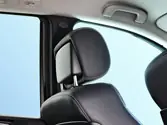
¿Cuál debe ser la distancia entre la cabeza y el reposacabezas de un vehículo?
What should the distance between the head and the head restraint of a vehicle be?
- ANo más de 4 cm.No more than 4 cm.
- B25 cm.25 cm.
- CLa distancia no importa, siempre la la altura sea la adecuada.The distance does not matter, as long as the height is right.
ExplanationThe head restraint is correctly adjusted when: - Height: the top of the head restraint is level with the top of the head (its widest part should be at eye level). - Distance: the gap between the head and the head restraint is as small as possible (never more than 4 cm).
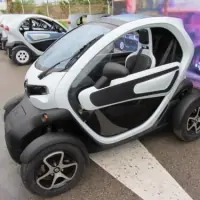
¿Deben llevar casco los pasajeros de un cuadriciclo?
Must the passengers of a quadricycle wear a helmet?
- ASolo cuando el cuadriciclo no cuente con estructura de autoprotección o cinturon de seguridadOnly when the quadricycle does not have a protective structure or seat belts
- BSi, en todos los casosYes, in all cases
- CSi, pero solo en vías interurbanas y de nocheYes, but only on interurban roads and at night
ExplanationThe occupants of a quadricycle must wear a helmet, unless the vehicle has a protective structure and seat belts and this is stated in its documents. In that case they are exempt from wearing a helmet, but the driver and the passenger must wear the seat belt on all types of road.
La utilización de pinzas para retener el cinturón de seguridad…
Using clips to hold the seat belt...
- AEs conveniente, porque reduce la presión del cinturón sobre el pecho.is advisable, because it reduces the pressure of the belt on the chest.
- BEs peligroso, porque reduce la eficacia del cinturón.is dangerous, because it reduces the effectiveness of the belt.
- CEs necesaria, como complemento del airbag, en los vehículos dotados del mismo.is necessary, as a complement to the airbag, in vehicles that have one.
ExplanationUsing clips to hold the seat belt is dangerous because it reduces its effectiveness. The seat belt is designed to spread the force of an impact evenly over the body. If a clip is used, the belt may not fit properly, which increases the risk of serious injuries in an accident.
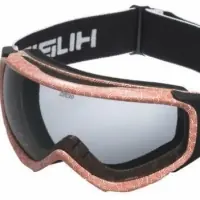
¿Cuál es la principal finalidad de las gafas de seguridad en una bicicleta o motocicleta?
What is the main purpose of safety goggles on a bicycle or motorcycle?
- AEvitar que nos lloren los ojos por la velocidadTo stop our eyes watering because of the speed
- BProteger los ojos del conductorTo protect the rider's eyes
- CMejorar la visión de lejos de los conductores con problemas de visiónTo improve distance vision for riders with sight problems
ExplanationSafety goggles are not compulsory but they are recommended, because their function is to protect the eyes of motorcycle and moped riders and passengers.
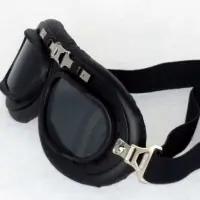
¿Son obligatorias las gafas de seguridad para los conductores de bicicleta?
Are safety goggles compulsory for cyclists?
- ANo, y no deberán usarse nunca porque distorsionan la realidadNo, and they should never be used because they distort reality
- BSí, en todos los casosYes, in all cases
- CNo son obligatorias pero si recomendablesThey are not compulsory, but they are advisable
ExplanationSafety goggles are not compulsory but they are recommended, because they protect the eyes of motorcycle and moped riders and passengers.
Si conducimos un turismo para realizar frecuentes descargas de mercancía en trayectos cortos, ¿es obligatorio que usar el cinturón de seguridad?
If we drive a car to make frequent deliveries of goods on short trips, is it compulsory to wear the seat belt?
- ANo, ya que los trayectos son de corta distancia.No, because the trips are short.
- BSí, siempre.Yes, always.
- CNo si es dentro de poblado.Not in built-up areas.
ExplanationUnder Article 119.2 of the General Traffic Regulations (RGC) (as worded by RD 518/2026), in built-up areas the seat belt exemption only covers drivers and passengers of vehicles on an emergency call; the old exemption for goods delivery drivers has been removed. The general exemptions of Article 119.1 still apply, such as when reversing or parking.
¿Es recomendable el uso de gafas de seguridad cuando se circula conduciendo una motocicleta?
Is it advisable to wear safety goggles when riding a motorcycle?
- ANo, lo único recomendable y obligatorio es el uso del casco.No, the only thing that is advisable and compulsory is wearing a helmet.
- BSi, cuando el casco no dispone de pantalla.Yes, when the helmet has no visor.
- CSolo es recomendable durante el día .It is only advisable during the day.
ExplanationWearing safety goggles when riding a motorcycle is highly recommended, because they can prevent eye injuries from small stones or even insects. In some countries they are compulsory.
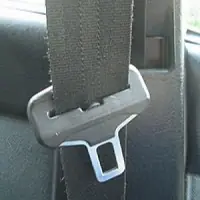
¿Es recomendable utilizar pinzas reguladoras de presión en los cinturones de seguridad?
Is it advisable to use pressure-adjusting clips on seat belts?
- ANo, están totalmente desaconsejadasNo, they are strongly advised against
- BSí, es recomendable utilizarlasYes, it is advisable to use them
- CSolo se deben utilizar en los asientos traserosThey should only be used in the rear seats
ExplanationClips that loosen the tension of the seat belt are strongly advised against: they create slack that, in a crash, lets the body move before it is held back, which reduces the effectiveness of the belt and can cause injuries.
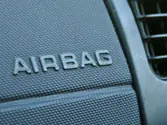
¿Podemos desconectar el airbag del acompañante?
May we deactivate the front passenger airbag?
- ANo, los airbag son obligatorios y no se pueden desconectar.No, airbags are compulsory and cannot be deactivated.
- BSí, en caso de llevar un dispositivo de retención homologado para niños dispuesto en sentido contrario al de la marcha.Yes, if we are carrying an approved child restraint device fitted facing backwards.
- CNo, porque en el caso de accidente las consecuencias serían más graves.No, because in an accident the consequences would be more serious.
ExplanationIf we are carrying an approved restraint device fitted facing backwards, we must deactivate the front passenger airbag.
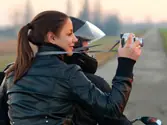
¿El pasajero de una moto debe llevar abrochado el casco?
Must a motorcycle passenger wear their helmet fastened?
- ASí, y además el conductor es responsable de que lo lleve abrochado.Yes, and the rider is also responsible for making sure it is fastened.
- BSí, siendo el pasajero el único responsable.Yes, and the passenger is solely responsible.
- CNo es obligatorio, pero si aconsejable.It is not compulsory, but it is advisable.
ExplanationThe helmet must fit the head well, must not be tilted backwards or forwards over the eyes, and the chin strap must be fastened. The rider is responsible for making sure the passenger takes all the compulsory safety measures. In this case, it is the rider's responsibility to make sure the passenger wears the helmet correctly fastened.
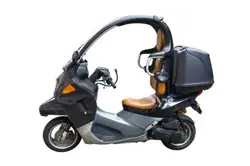
¿En qué caso puede un motorista circular sin casco?
In what case may a motorcyclist ride without a helmet?
- AEn ningún caso ya que el casco siempre es obligatorio.In no case, because a helmet is always compulsory.
- BCuando circule en vías urbanas a velocidad reducida.When riding on urban roads at low speed.
- CCuando la motocicleta tenga estructura de autoprotección, cinturón de seguridad y así conste en su tarjeta ITV.When the motorcycle has a protective structure and a seat belt, and this is stated on its ITV card.
ExplanationArticle 118.1 of the General Traffic Regulations only exempts from the helmet the drivers and passengers of motorcycles with a protective structure and seat belts, when this is stated on the technical inspection card. In that case they must wear their seat belts fastened on all roads.
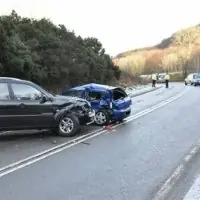
Después de un accidente, ¿debe revisar los cinturones de seguridad?
After an accident, should you check the seat belts?
- ASí, y cambiarlos por unos nuevos si han sufrido daños.Yes, and replace them with new ones if they have been damaged.
- BNo, mientras siga funcionando el cierre.No, as long as the buckle still works.
- CNo es necesario.It is not necessary.
ExplanationSeat belts are the most important passive safety element in a vehicle. That is why they must always be checked and kept in perfect condition. After an accident the seat belts may have been damaged; if so, they must be replaced with new ones.
La cinta torácica del cinturón de seguridad...
The chest strap of the seat belt...
- Aestará colocada sobre el cuello.must go over the neck.
- Bestará colocada sobre el hombro.must go over the shoulder.
- Cestará colocada sobre la clavícula.must go over the collarbone.
ExplanationThe chest strap of the seat belt must be placed over the collarbone, halfway between the shoulder and the neck, and run down across the middle of the chest.
El reposacabezas correctamente regulado:
A correctly adjusted head restraint:
- AEvita totalmente las lesiones cervicales.Completely prevents neck injuries.
- BReduce el riesgo de latigazo cervical.Reduces the risk of whiplash.
- CSolo es útil en vías rápidas.Is only useful on fast roads.
ExplanationThe head restraint is a passive safety element designed to protect the neck in an impact, especially in rear-end collisions. Adjusting it correctly helps reduce the sudden backward movement of the head. This lowers the risk of injuries such as whiplash, although it does not remove it completely. It is not only for fast roads, because it can be useful on any type of road. How well it works depends on it being correctly adjusted to the height of the driver or passenger.
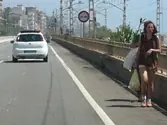
Los peatones que circulen por el arcén en vías fuera de poblado, ¿Cuándo deberán utilizar un elemento luminosos o reflectante homologado?
When must pedestrians walking on the hard shoulder of roads outside built-up areas use an approved light or reflective item?
- ACuando existan condiciones meteorológicas que disminuyan sensiblemente la visibilidad.When weather conditions noticeably reduce visibility.
- BCuando el arcén tenga una anchura inferior a 1,5 metros, tanto de día como de noche.When the hard shoulder is less than 1.5 metres wide, both by day and by night.
- CSiempre que circulen por el arcén.Whenever they walk on the hard shoulder.
ExplanationPedestrians walking on interurban roads between sunset and sunrise, or in conditions that reduce visibility, must carry a light or retroreflective item that can be seen from at least 150 m away. Groups of pedestrians must also carry the lights needed to show their position and size: white or yellow at the front and red at the back.
Si un niño mide más de 1,35 m pero menos de 1,50 m:
If a child is taller than 1.35 m but shorter than 1.50 m:
- APuede usar el cinturón de adulto sin másThey can simply use the adult seat belt
- BSe recomienda seguir usando un SRI adecuado a su tallaIt is recommended that they keep using a child restraint system suited to their height
- CNo puede viajar en el asiento delanteroThey cannot travel in the front seat
ExplanationAlthough the legal requirement is up to 1.35 m, it is recommended to keep using child restraint systems up to a height of 1.50 metres, because the adult seat belt may not fit properly.
No usar el cinturón de seguridad, el casco o el sistema de retención infantil resta...
Not using the seat belt, helmet or child restraint system costs...
- A4 puntos.4 points.
- B3 puntos.3 points.
- C6 puntos.6 points.
ExplanationSince 2022 it is 4 points. 3 was the previous figure, and 6 is for using a mobile phone.
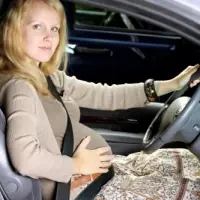
¿Deben utilizar el cinturón de seguridad las mujeres embarazadas?
Must pregnant women wear a seat belt?
- ASolo deben usarlo si circulan por vías interurbanas.They only have to wear it on interurban roads.
- BSí, deben utilizarlo correctamente, salvo exención médica debidamente acreditada.Yes, they must wear it correctly, unless they have a properly certified medical exemption.
- CNo, las mujeres embarazadas están exentas siempre.No, pregnant women are always exempt.
ExplanationPregnant women must wear a seat belt, unless they have a medical exemption certificate. They should place the lower strap below the belly, over the hips, and the diagonal strap between the breasts, to protect the foetus in a crash.
El cinturón de seguridad en un vehículo mixto adaptable, ¿es obligatorio usarlo?
Is it compulsory to wear a seat belt in an adaptable mixed-use vehicle?
- ASolo en vías fuera de poblado.Only on roads outside built-up areas.
- BSolo en vías dentro de poblado.Only on roads in built-up areas.
- CSí, en todo tipo de vías.Yes, on all types of road.
ExplanationIn a mixed-use vehicle, as in a car, we must wear the seat belt on all roads.
¿Qué distancia mínima de seguridad debe haber entre el pecho del conductor y el volante con airbag?
What minimum safe distance should there be between the driver's chest and a steering wheel with an airbag?
- AAl menos 25 centímetros.At least 25 centimetres.
- BAl menos 10 centímetros.At least 10 centimetres.
- CNo importa la distancia si se lleva el cinturón abrochado.The distance does not matter if you are wearing your seat belt.
ExplanationThe airbag opens at more than 250 km/h in milliseconds; sitting closer than 25 cm can cause serious injuries from the direct impact.
Para un uso eficaz del cinturón de seguridad ...
To use the seat belt effectively...
- Ano colocará nada en el asiento para impedir el efecto submarino.do not put anything on the seat, to prevent submarining.
- Bsi es necesario colocará un cojín sobre el asiento para que el cinturón esté a la altura adecuada.if necessary, put a cushion on the seat so that the belt is at the right height.
- Cdesconectará el airbag porque el cinturón de seguridad no es obligatorio cuando el vehículo tiene airbag.deactivate the airbag, because the seat belt is not compulsory when the vehicle has an airbag.
ExplanationPutting covers, cushions or similar items on the seat can make the body slide under the seat belt and be thrown forward; this is known as submarining.
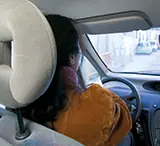
El reposacabezas, ¿cómo debe colocarse?
How should the head restraint be positioned?
- AA la altura de cuello.At neck height.
- BLo más alto posible para que no moleste.As high as possible so that it does not get in the way.
- CA la altura de la cabeza.At head height.
ExplanationThe head restraint should be at head height: its top level with the top of the head, or its centre at eye level, and as close to the head as possible. At neck height, in a rear-end collision it acts as a lever and makes the injury worse.
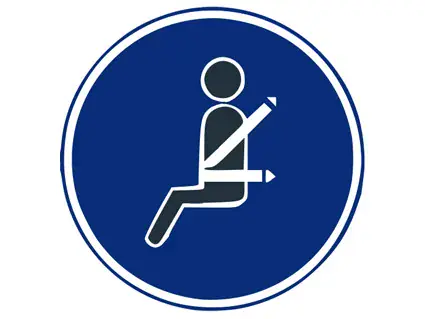
Los pasajeros que viajen en un taxi, ¿deben utilizar el cinturón de seguridad?
Must passengers travelling in a taxi wear a seat belt?
- ANo, salvo que el trayecto se realice por carretera.No, unless the trip is on the open road.
- BSí, como norma general.Yes, as a general rule.
- CSí, pero sólo los pasajeros de los asientos traseros.Yes, but only passengers in the rear seats.
ExplanationWearing a seat belt in a taxi is compulsory for all passengers, whether they travel in the front or the rear seats. This is because the seat belt is an important safety element for both the driver and the passengers.
Si nuestro vehículo dispone de ABS y frenamos sobre hielo...
If our vehicle has ABS and we brake on ice...
- Autilizaremos el freno de mano.we will use the handbrake.
- Bpisaremos el embrague y el freno al mismo tiempo.we will press the clutch and the brake at the same time.
- Cevitaremos frenar.we will avoid braking.
ExplanationIf the vehicle has ABS, we must brake and press the clutch pedal at the same time, so that the engine does not stall and the ABS does not stop working.
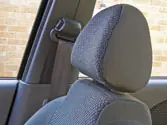
¿Qué es el reposacabezas?
What is the head restraint?
- AEs un elemento de confort.A comfort element.
- BEs un elemento de seguridad importante para evitar lesiones cervicales.An important safety element for preventing neck injuries.
- CEs un elemento decorativo del vehículo.A decorative element of the vehicle.
ExplanationThe head restraint is an important passive safety element that can significantly reduce the chance of neck injuries. Adjusting it properly is vital, in both the front and the rear seats: - The top edge of the head restraint should be between the top of the head and eye level. - There should be no gap between the driver's head and the head restraint, or it should be as small as possible, never more than 4 cm.
Respecto al cinturón de seguridad, el airbag frontal es un sistema que:
Compared with the seat belt, the front airbag is a system that:
- ASustituye al cinturón y permite no usarlo.Replaces the seat belt and means you do not have to wear it.
- BComplementa al cinturón, pero no lo sustituye.Complements the seat belt, but does not replace it.
- CSolo funciona si no se lleva puesto el cinturón.Only works if you are not wearing the seat belt.
ExplanationThe airbag complements the seat belt: it improves protection, but never replaces it.
¿Cuándo puede el conductor de un vehículo de reparto circular por una vía urbana sin llevar puesto el cinturón de seguridad?
When may the driver of a delivery vehicle drive on an urban road without wearing a seat belt?
- AEn trayectos cortos, cuando realiza operaciones de carga y descarga.On short trips, when making loading and unloading stops.
- BSiempre; en una vía urbana no está obligado a usar el cinturón de seguridad.Always; on an urban road they do not have to wear a seat belt.
- CSolo en las exenciones generales, como la maniobra de marcha atrás o de estacionamiento.Only under the general exemptions, such as when reversing or parking.
ExplanationUnder Article 119.2 of the General Traffic Regulations (RGC) (as worded by RD 518/2026), in built-up areas the seat belt exemption only covers drivers and passengers of vehicles on an emergency call; the old exemption for goods delivery drivers has been removed. The general exemptions of Article 119.1 still apply, such as when reversing or parking.
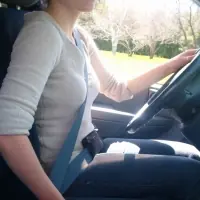
¿En qué vías es obligatorio el uso del cinturón de seguridad?
On which roads is it compulsory to wear a seat belt?
- AÚnicamente en vías interurbanasOnly on interurban roads
- BSolo en vías urbanas, en interurbanas es opcionalOnly on urban roads; on interurban roads it is optional
- CEn vías urbanas y vías interurbanasOn urban and interurban roads
ExplanationWearing seat belts and other restraint systems, correctly fastened, is compulsory for the driver and passengers on both urban and interurban roads.
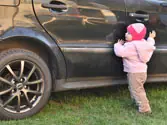
¿Un niño con una estatura inferior a 1,35 metros puede viajar, por norma general, en el asiento delantero del vehículo utilizando únicamente el cinturón de seguridad homologado?
As a general rule, can a child shorter than 1.35 metres travel in the front seat of a vehicle using only the approved seat belt?
- ASí.Yes.
- BSí, si ya ha cumplido los 12 años.Yes, if the child is already 12 years old.
- CNo.No.
ExplanationMinors who are 1.35 m tall or shorter must travel in the rear seats of the vehicle, always using an approved child restraint system suited to their height and weight. There are three exceptions in which minors below that height may travel in the front seat: 1. When the vehicle has no rear seats. 2. When all the rear seats are already occupied by minors with the same physical characteristics, so it is not possible to fit all the child seats needed at that moment. 3. When it is not possible to install child restraint systems in those seats. When minors are taller than 1.35 m, they may sit in the front seat using the adult seat belt.
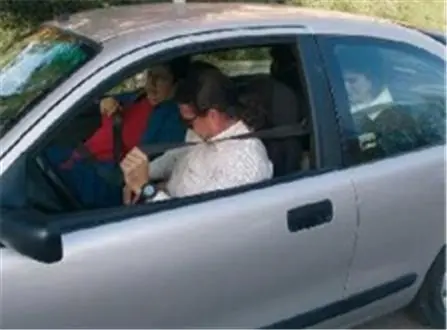
¿Cuál de las siguientes afirmaciones acerca del cinturón de seguridad es correcta?
Which of the following statements about the seat belt is correct?
- AEn los asientos traseros no hace falta llevar cinturón.You do not need to wear a seat belt in the rear seats.
- BSi el vehículo dispone de airbag no es aconsejable utilizarlo.If the vehicle has an airbag, it is not advisable to wear it.
- CEn caso de enfermedad grave debidamente justificada, puede no utilizarlo.In case of a serious illness that is properly certified, you may go without it.
ExplanationUnder Article 119 of the General Traffic Regulations (RGC), people with an exemption certificate for serious medical reasons, which they must show to police officers, may drive without a seat belt. The seat belt is also compulsory in the back, and the airbag does not replace it.
¿En qué tipo de vías es obligatorio llevar puesto el cinturón de seguridad?
On what types of road is it compulsory to wear a seat belt?
- ASólo en las vías fuera de poblado.Only on roads outside built-up areas.
- BSólo en las travesías y vías urbanas.Only on travesías (stretches of road through a town) and urban roads.
- CEn todas.On all of them.
ExplanationThe seat belt is compulsory on all roads. This includes both urban and interurban roads. Wearing a seat belt is a basic safety measure that helps reduce the risk of serious injury in an accident.
La función principal del cinturón de seguridad es:
The main function of the seat belt is:
- AEvitar multas.To avoid fines.
- BRetener al ocupante y evitar que salga despedido o golpee el interior en una colisión.To hold the occupant and stop them from being thrown out or hitting the inside in a collision.
- CMejorar la comodidad del asiento.To make the seat more comfortable.
ExplanationThe seat belt holds the occupant, stops them from being thrown out and reduces impacts against the inside of the vehicle.
¿En qué momento se debe abrochar el casco el conductor de una motocicleta?
When should a motorcycle rider fasten their helmet?
- AAntes de comenzar a circular.Before starting to ride.
- BCuando se lo indique un agente.When a traffic officer tells them to.
- CCuando se encuentre en movimiento.When they are moving.
ExplanationThe helmet must be fastened before you start riding, because a fall can happen at any moment, even when pulling away. With the strap undone, the helmet can fly off and would not protect the head.
All topics
- Definitions
- Documents and penalty points
- The driver's condition
- Duties of drivers and pedestrians
- Vehicle controls and equipment
- Vehicle lights and horn
- Traffic signs, markings and signals
- The road and its lanes
- Speed and distances
- Manoeuvres
- Right of way
- Carrying passengers and loads
- Driving safely in difficult conditions
- Vehicle mechanics and maintenance
- Road accidents and first aid
- Defensive and eco-driving
Independent app: not affiliated with or endorsed by the DGT (Spain's Directorate-General for Traffic) or the Ministry of the Interior. The official exam is booked with the DGT and taken at its test centres. The questions here are practice material; the DGT's official question bank is not public.
Basado en datos de la Agencia Estatal Boletín Oficial del Estado (https://www.boe.es). Textos consolidados de carácter meramente informativo. La AEBOE no patrocina ni respalda este sitio.
Parte de las preguntas procede de los tests de la revista «Tráfico y Seguridad Vial» de la DGT, reproducidos con indicación de la fuente.