
DGT test · 691 questions
Vehicle safety devices · Page 12 of 14
Seat belts, child restraints, helmets, head restraints and airbags: when they are compulsory, the exceptions and how to use them properly.
Questions in this topic, with answers
691 questions, 50 per page, with the correct answer and the explanation. Page 12 of 14.
Un niño menor de 12 años y de 1,40 metros de altura, ¿puede viajar en el asiento delantero?
May a child under 12 who is 1.40 metres tall travel in the front seat?
- ANo, ya que los menores de 12 años nunca viajan en el asiento delantero.No, because children under 12 never travel in the front seat.
- BSí, utilizando el cinturón de seguridad.Yes, using the seat belt.
- CNo, los niños no pueden viajar nunca en el asiento delantero.No, children can never travel in the front seat.
ExplanationThe rule does not set a minimum age for sitting in the front, but a height: children 135 cm tall or less must sit in the back in a child restraint system. A child who is 1.40 m tall may travel in the front seat with the seat belt properly adjusted.
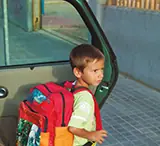
Si los ocupantes de los asientos traseros de un vehículo son menores de edad y de estatura igual o inferior a 135 cm de altura, ¿qué dispositivos de seguridad deben utilizar?
If the occupants of the rear seats of a vehicle are children who are 135 cm tall or less, what safety devices must they use?
- AUn dispositivo de retención infantil adaptado a su talla y peso.A child restraint device suited to their height and weight.
- BEl cinturón de seguridad que viene instalado en el vehículo.The seat belt fitted in the vehicle.
- CObligatoriamente un sistema de retención infantil soldado a la carrocería del vehículo.It must be a child restraint system welded to the vehicle's bodywork.
ExplanationChildren who are 135 cm tall or less must travel in the rear seats using an approved child restraint system suited to their height and weight. The vehicle's seat belt is not designed for their size, and in a crash it can injure their neck or abdomen.
¿Es obligatorio el uso del casco de protección para el conductor y pasajero de una motocicleta?
Is it compulsory for the rider and passenger of a motorcycle to wear a protective helmet?
- ASí, tanto en vías urbanas como interurbanas.Yes, on both urban and interurban roads.
- BNo, aunque es aconsejable.No, although it is advisable.
- CSí, pero solo en vías interurbanas.Yes, but only on interurban roads.
ExplanationUnder Article 118.1 of the General Traffic Regulations, motorcycle riders and passengers must wear an approved, properly fastened helmet on all types of road, both urban and interurban.
Es conveniente que el traje del conductor o pasajero de una motocicleta sea...
It is advisable for the clothing of a motorcycle rider or passenger to be...
- Ade piel u otro material similar que proteja de lesiones en caso de accidente.made of leather or a similar material that protects against injuries in an accident.
- Bpoco vistoso y de colores apagados, para no distraer a los demás conductores.plain and in dull colours, so as not to distract other drivers.
- Cmuy amplio y suelto porque lo más importante es la estética y la comodidad.very wide and loose, because looks and comfort are what matter most.
ExplanationThe clothing of a motorcycle rider and passenger must resist abrasion. It must be made of leather or special synthetic fibres, with extra protection in certain areas made of other, stronger materials, to protect them from the injuries usually suffered in an accident.
La cinta torácica del cinturón de seguridad debe estar colocada...
The chest strap of the seat belt must be placed...
- ASobre el cuello.Over the neck.
- BSobre el hombro.Over the shoulder.
- CSobre la clavícula, a medio camino entre el hombro y el cuello.Over the collarbone, halfway between the shoulder and the neck.
ExplanationThe chest strap must go over the collarbone, halfway between the shoulder and the neck, and run down across the middle of the chest. If it is placed over the shoulder, it can slip outwards in an accident.
Si instala un sistema de retención infantil orientado hacia atrás en el asiento delantero del acompañante, ¿qué medida de seguridad es imprescindible tomar?
If you fit a rear-facing child restraint system in the front passenger seat, what safety measure is essential?
- AAsegurarse de que el dispositivo esté fuera del alcance del airbagMake sure the device is out of the airbag's reach
- BNo colocar nunca este sistema en un asiento con airbag frontalNever fit this system in a seat with a front airbag
- CDesactivar el airbag frontal manual o automáticamenteDeactivate the front airbag, manually or automatically
ExplanationUnder Article 117 of the General Traffic Regulations (RGC), in front seats with a front airbag, rear-facing restraint systems may only be used if the airbag has been deactivated. If it went off, it would hit the child seat and could cause very serious injuries to the child.
El automóvil que está destinado a servicios o al transporte exclusivo de mercancías, el cual conserva la carrocería del turismo y solo dispone de una fila de asientos, se denomina ...
A motor car used for services or only for carrying goods, which keeps the bodywork of a car and has only one row of seats, is called...
- AVehículo mixto.Mixed-use vehicle.
- BDerivado de turismo.Car-derived van.
- CFurgoneta.Van.
ExplanationA car-derived van (derivado de turismo) is a motor car used for services or only for carrying goods, derived from a car whose bodywork it keeps, and with only one row of seats.
¿En qué asiento debe viajar un niño de dos años?
In which seat should a two-year-old child travel?
- AEn el asiento delantero o trasero, utilizando siempre el cinturón de seguridad.In the front or rear seat, always using the seat belt.
- BEn el asiento delantero o trasero, utilizando siempre un dispositivo homologado adaptado a su talla y peso.In the front or rear seat, always using an approved device suited to their height and weight.
- CEn el asiento trasero, utilizando siempre un dispositivo homologado adaptado a su talla y peso.In the rear seat, always using an approved device suited to their height and weight.
ExplanationChildren who are 1.35 m tall or less must sit in the rear seats of the vehicle, always using an approved restraint device suited to their height and weight. There are three exceptions in which children below that height may travel in the front seat: 1. When the vehicle has no rear seats. 2. When all the rear seats are already taken by children in the same situation, so it is impossible to fit all the child seats needed at that moment. 3. When it is not possible to fit child restraint systems in those seats. If we fit a rear-facing child restraint device in the front seat, we must be able to deactivate the airbag. When children are taller than 1.35 m, they may sit in the front seat using the adult seat belt.
¿Qué indica el testigo del airbag encendido mientras conduces?
What does it mean if the airbag warning light is on while you are driving?
- AQue el airbag está listoThat the airbag is ready
- BUn fallo en el sistema de airbagA fault in the airbag system
- CQue el airbag se ha activadoThat the airbag has been activated
ExplanationIf the airbag (SRS) warning light is on, there is a fault in the system. The airbag may not open in an accident. You must have it checked.
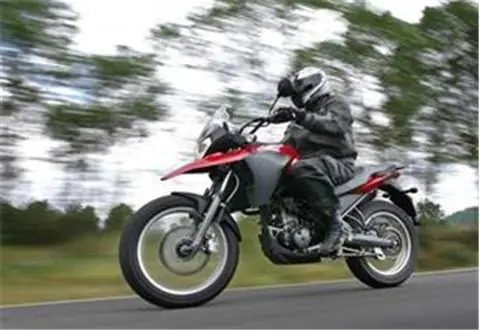
Cuando conduce una motocicleta, debe tener en cuenta que...
When riding a motorcycle, you should bear in mind that...
- Acuanto mayor es la velocidad, hay mayor dificultad para mantener el equilibrio.the higher the speed, the harder it is to keep your balance.
- Bes más visible que otros automóviles.it is more visible than other motor vehicles.
- Ces menos estable y más frágil que el resto de los vehículos.it is less stable and more fragile than other vehicles.
ExplanationWhen riding a motorcycle, bear the following in mind: - Motorcycles are less stable than three- or four-wheeled vehicles. - As they usually have no bodywork, they are more fragile. - As they are smaller, they are less visible and can easily be hidden by other vehicles.
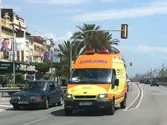
Los pasajeros y los conductores de un vehículo en servicio de urgencia, ¿están obligados a llevar el cinturón de seguridad?
Must the passengers and drivers of a vehicle on an emergency call wear a seat belt?
- ALos conductores no, los pasajeros sí.Not the drivers, but the passengers must.
- BNi los conductores ni los pasajeros, si circulan dentro de poblado.Neither the drivers nor the passengers, if they are driving in a built-up area.
- CNi los conductores ni los pasajeros ya circulen dentro como fuera de poblado.Neither the drivers nor the passengers, whether they are driving in or outside a built-up area.
ExplanationDrivers and passengers of vehicles on an emergency call are exempt from wearing a seat belt only in built-up areas.
En el caso de condiciones climáticas que reduzcan significativamente la visibilidad, ¿cómo se debe señalizar la carga que sobresale de la parte delantera del vehículo?
In weather conditions that significantly reduce visibility, how must a load that sticks out from the front of the vehicle be marked?
- ACon una luz roja.With a red light.
- BCon una luz blanca.With a white light.
- CCon una luz blanca y un dispositivo reflectante también blanco.With a white light and a white reflector as well.
ExplanationUnder Article 15 of the General Traffic Regulations, a load that sticks out at the front is marked with a white light at night or in conditions that reduce visibility. The red light is for loads that stick out at the rear, and the combination of light and reflector is for loads that stick out at the sides.
¿Cuándo debe utilizarse el cinturón de seguridad en un turismo?
When must the seat belt be worn in a car?
- AÚnicamente en vías interurbanasOnly on interurban roads
- BÚnicamente en vías urbanas y travesíasOnly on urban roads and travesías (stretches of road through a town)
- CTanto en vías urbanas como interurbanasOn both urban and interurban roads
ExplanationWearing seat belts and other restraint systems, correctly fastened, is compulsory for the driver and passengers on both urban and interurban roads.
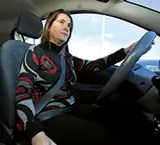
Cuando las cintas no quedan bien estiradas, el cinturón de seguridad...
When the straps are not properly tight, the seat belt...
- Apierde eficacia y puede provocar lesiones durante el accidente.loses effectiveness and can cause injuries in the accident.
- Bprotege más en caso de accidente.protects more in an accident.
- Cno reduce su eficacia en caso de accidente.is no less effective in an accident.
ExplanationA seat belt with slack or twisted straps does not hold the body from the first instant of the impact: it lets the body move and concentrates the pressure on small areas, so it loses effectiveness and can cause injuries.
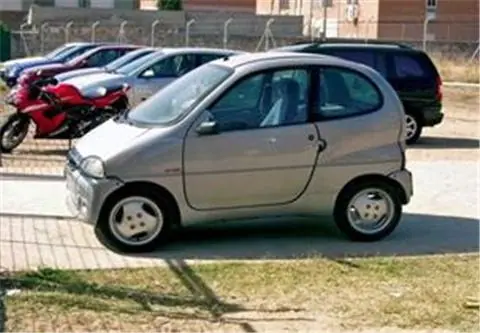
Los ocupantes de un ciclomotor que disponga de cinturones de seguridad, están obligados a utilizarlos...
The occupants of a moped fitted with seat belts must wear them...
- Aúnicamente cuando circulen por vías que no dispongan de arcén.only when riding on roads without a hard shoulder.
- Btanto en vías urbanas como interurbanas.on both urban and interurban roads.
- Csolo cuando circulen por vías interurbanas.only when riding on interurban roads.
ExplanationUnder Article 118 of the General Traffic Regulations (RGC), occupants of mopeds with a protective structure and seat belts are exempt from wearing a helmet, but must wear the seat belt on all types of road, urban and interurban.
Los cinturones de seguridad, ¿son eficaces para prevenir lesiones?
Are seat belts effective in preventing injuries?
- ASí.Yes.
- BNo.No.
- CSí, pero sólo cuando se conduce a poca velocidad.Yes, but only when driving at low speed.
ExplanationThe seat belt is the most effective passive safety system: it cuts the risk of death or serious injury by about half. It protects at any speed, including in town and in low-speed impacts.
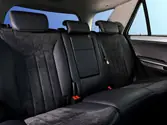
¿Deberán llevar el cinturón de seguridad los pasajeros de los asientos posteriores?
Must passengers in the rear seats wear a seat belt?
- ASí, fuera de poblado pero no dentro de poblado.Yes, outside built-up areas but not in built-up areas.
- BSí, en autopistas y autovías, pero no en las demás vías.Yes, on motorways (autopistas) and dual carriageways (autovías), but not on other roads.
- CSí, en todas las vías.Yes, on all roads.
ExplanationPassengers in the rear seats must wear a seat belt on all types of road. The only exception is if the vehicle has no seat belts.
¿Están obligados a llevar cinturón de seguridad los pasajeros de un taxi?
Must taxi passengers wear a seat belt?
- ASí, en todos los casos tanto en asientos delanteros como traseros.Yes, in all cases, in both front and rear seats.
- BNo, no es necesario.No, it is not necessary.
- CSí, pero únicamente cuando viajen en las plazas delanteras.Yes, but only when travelling in the front seats.
ExplanationTaxi passengers, in both the rear and the front seats, must wear a seat belt on all urban and interurban roads. They are never exempt from wearing it, even on short trips.
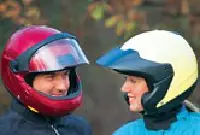
Si conducimos una motocicleta.¿Estamos obligados a llevar el casco?
If we are riding a motorcycle, must we wear a helmet?
- ASí, si circulamos por una vía interurbana.Yes, if we are riding on an interurban road.
- BNo, si circulamos por una travesía.No, if we are riding on a travesía (stretch of road through a town).
- CSí, tanto en vías urbanas como en interurbanas.Yes, on both urban and interurban roads.
ExplanationRiders and passengers of motorcycles must wear an approved helmet, properly fastened, on all types of road: urban, interurban and travesías. From 1 October 2026, they must also always wear closed shoes, and gloves on interurban roads.
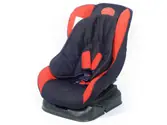
¿Dónde deberán situarse los sistemas de retención infantil en el vehículo?
Where in the vehicle must child restraint systems be placed?
- AIndistintamente en los asientos delanteros o traseros.In either the front or the rear seats.
- BEn los asientos traseros.In the rear seats.
- CEn los asientos delanteros.In the front seats.
ExplanationApproved child restraint systems must be placed in the rear seats. As an exception, they may be placed in the front seat when the vehicle has no rear seats or when all the rear seats are already taken by children in the same situation.
¿Para qué sirven los sistemas de seguridad pasiva?
What are passive safety systems for?
- APara evitar que se produzca un accidente por causa del mal estado del vehículo.To prevent an accident caused by the poor condition of the vehicle.
- BPara reducir el número y gravedad de las lesiones en caso de accidente.To reduce the number and severity of injuries in an accident.
- CPara evitar que se produzcan los accidentes.To prevent accidents from happening.
ExplanationVehicles have safety elements that we must know and use correctly. These elements can be for active or passive safety, depending on their purpose. ACTIVE (or primary) safety elements aim to reduce the chance of an accident happening, acting before it happens, either automatically or through the driver's action. PASSIVE (or secondary) safety elements, such as the airbag, act automatically to reduce the severity of the injuries suffered in an accident.
Después de un accidente, ¿se tendrá que revisar el estado de los cinturones de seguridad?
After an accident, must the condition of the seat belts be checked?
- ASí.Yes.
- BNo.No.
- CSolo si el airbag se ha activado.Only if the airbag has gone off.
ExplanationAfter an accident the seat belt may have been damaged, so it is very important to check it and replace it with a new one if necessary.
Si al realizar una frenada de emergencia en un vehículo no dotado de ABS notamos que las ruedas se bloquean, ¿cómo actuaremos?
If, when braking in an emergency in a vehicle without ABS, you notice that the wheels lock, what should you do?
- ASeguiremos pisando el pedal del freno enérgicamente.Keep pressing the brake pedal hard.
- BReduciremos ligeramente la presión sobre el pedal del freno.Slightly reduce the pressure on the brake pedal.
- CSoltaremos completamente el pedal del freno.Release the brake pedal completely.
ExplanationIf you notice the wheels locking when braking, you should slightly reduce the pressure on the brake pedal, without releasing it completely, until you regain grip and control of the steering.
Los niños menores de tres años, ¿cómo deben viajar en el vehículo?
How must children under three travel in the vehicle?
- ASujetos al menos con el cinturón de seguridad de los adultos.Held at least by the adult seat belt.
- BSiempre con un sistema de sujeción adaptado a su talla y peso.Always with a restraint system suited to their height and weight.
- CSujetos en los brazos de un adulto.Held in an adult's arms.
ExplanationChildren under three must always travel in a restraint system suited to their height and weight, such as a child car seat. These systems are designed to protect children in an accident, making sure they are held firmly and that the forces of the impact are spread safely.
Si no lleva colocado correctamente el cinturón de seguridad, ¿puede influir en las consecuencias de un accidente?
If you are not wearing your seat belt correctly, can it affect the consequences of an accident?
- ANo, el cinturón es efectivo siempre.No, the seat belt is always effective.
- BNo, cuando el vehículo tenga además instalado airbag.No, if the vehicle also has an airbag fitted.
- CSí, ya que puede sufrir lesiones graves.Yes, because you may suffer serious injuries.
ExplanationThe seat belt is one of the most important passive safety elements in vehicles; since it was invented it has saved millions of lives. However, it must be worn correctly to avoid serious injuries. The chest strap must go over the collarbone, halfway between the shoulder and the neck, and run down across the middle of the chest. The lap strap must go over the hip bones, always below the abdomen. Once the seat belt is properly fastened, pull the strap slightly upwards so that it fits snugly against the body. Misusing the seat belt, or putting towels, cushions, covers, etc. on the seat, can cause submarining, which is when the seat belt cannot hold us in an accident and we slide down under the lap strap.
¿Cuál es el mejor lugar para situar un dispositivo de retención homologado para niños?
What is the best place to fit an approved child restraint device?
- AEn el asiento delantero.In the front seat.
- BEn los asientos traseros laterales.In the side rear seats.
- CEn el asiento trasero central.In the middle rear seat.
ExplanationThe best place to fit the approved restraint device is the middle rear seat, because this protects the child from side impacts.
Apenas en un accidente de cada millón podría ser más seguro NO hacer uso del cinturón de seguridad, por lo que se puede afirmar que:
In barely one accident in a million could it be safer NOT to wear a seat belt, so we can say that:
- AEs más seguro no llevarlo puesto.It is safer not to wear it.
- BSólo es útil a altas velocidades.It is only useful at high speeds.
- CSu obligatoriedad está más que justificada.Making it compulsory is more than justified.
ExplanationMaking the seat belt compulsory is more than justified, because using it correctly greatly reduces the number and severity of injuries in an accident. Although in very rare and specific cases it could be safer not to wear it, statistics show that in most cases the seat belt is highly effective in preventing serious injuries or even death. So making it compulsory is backed by evidence, and its main aim is to protect the life and physical safety of the vehicle's occupants.
Ud tiene un vehículo que dispone de Airbag.¿Tienen que ponerse el cinturón los ocupantes de los asientos traseros?
You have a vehicle fitted with an airbag. Must the occupants of the rear seats wear a seat belt?
- ASí, ya que es obligatorio.Yes, because it is compulsory.
- BNo, pero los ocupantes de los asientos delanteros, sí están obligados a llevarlos.No, but the occupants of the front seats are required to wear one.
- CNo.No.
ExplanationThe seat belt is compulsory for all occupants, front and rear, even if the vehicle has an airbag. The airbag complements the seat belt and does not replace it; also, a rear passenger without a seat belt can hit those in front with great force.
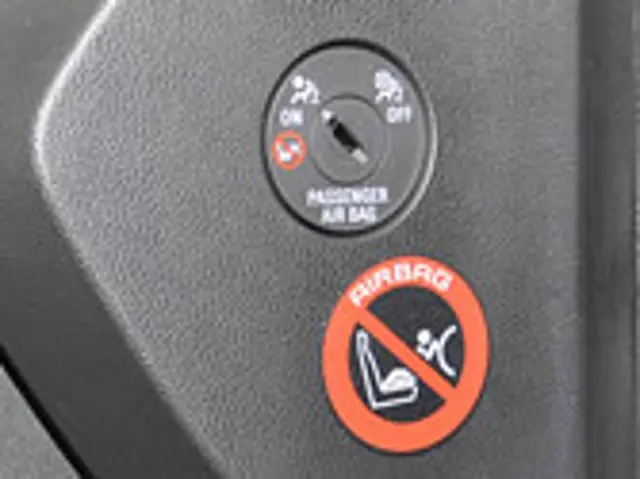
Se debe desactivar el airbag delantero cuando en el asiento del copiloto ...
The front airbag must be switched off when, on the front passenger seat…
- Ase coloque una silla infantil orientada hacia delante.a forward-facing child seat is fitted.
- Bviaje una mujer embarazada.a pregnant woman is travelling.
- Cse coloque una silla infantil orientada hacia atrás.a rear-facing child seat is fitted.
ExplanationA rear-facing seat puts the child's head very close to the dashboard: if the front airbag opens, it hits the back of the seat and can cause serious injuries. That is why Article 117.3 of the RGC only allows these systems in the front if the airbag has been switched off.
¿Cuál será la distancia correcta a la que nos situaremos del airbag delantero?
At what distance should we sit from the front airbag?
- ALa ideal será a unos 25 centímetros.Ideally about 25 centimetres.
- BComo máximo a 10 centímetros del volante.No more than 10 centimetres from the steering wheel.
- CAl menos 50 centímetros entre nuestro pecho y el volante.At least 50 centimetres between our chest and the steering wheel.
ExplanationThe distance should not be less than 10 centimetres, and the ideal is 25 centimetres.
Su casco de protección ha sufrido un golpe. ¿Puede afectar este golpe a su eficacia?
Your protective helmet has taken a knock. Can this affect how well it works?
- ASí, pero solamente si se aprecian grietas en el exterior.Yes, but only if cracks can be seen on the outside.
- BSí, pero solamente si se aprecian abolladuras en el exterior.Yes, but only if dents can be seen on the outside.
- CSí, aunque no se aprecien daños en su exterior.Yes, even if no damage can be seen on the outside.
ExplanationA protective helmet can suffer internal damage even if no damage can be seen on the outside. Internal damage can reduce the helmet's ability to protect the head in another impact. So it is advisable to replace the helmet as soon as possible after it has taken a knock, whether in an accident or in a fall from more than 1.50 metres.
En una frenada de emergencia con ABS, si el pedal de freno vibra debe...
In an emergency stop with ABS, if the brake pedal vibrates, you should...
- Asoltar el pedal para no bloquear las ruedas.release the pedal so as not to lock the wheels.
- Bseguir frenando a fondo.keep braking hard.
- Cpisar el pedal de forma intermitente.press the pedal on and off.
ExplanationWhen braking sharply there is a danger that the wheels will lock, and you will lose control of the vehicle. To prevent this there is the ABS anti-lock system, a safety system that stops the wheels from locking when braking hard. In an emergency stop, if our vehicle has ABS, we should press the brake pedal fully and keep up the maximum pressure, even if there are vibrations or noises.
El uso del cinturón de seguridad, ¿puede reducir la probabilidad de resultar muerto en un accidente?
Can wearing a seat belt reduce the chance of being killed in an accident?
- ANo, la aumenta casi al doble.No, it almost doubles it.
- BSí, casi a la mitad.Yes, by almost half.
- CNo, no la reduce en absoluto.No, it does not reduce it at all.
ExplanationThe seat belt cuts the chance of dying in an accident by almost half, because it stops the occupants from hitting the inside of the vehicle or being thrown out of it. It is the most effective passive safety element.
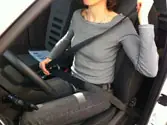
La banda inferior del cinturón de seguridad deberá ir colocada a la altura de...
The lower strap of the seat belt must be placed at the level of...
- AEl abdomen.The abdomen.
- BLa pelvis.The pelvis.
- CEl estómago.The stomach.
ExplanationThe lower or lap strap of the belt must go over the pelvis and hip bones, always below the abdomen. If it is placed over the belly or stomach, in a crash it can damage internal organs or allow the body to slide underneath (submarining).
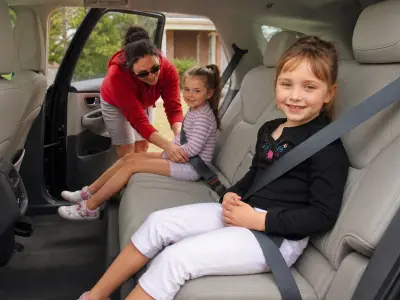
¿Quiénes están obligados a llevar el cinturón de seguridad en un turismo?
Who must wear a seat belt in a car?
- AÚnicamente el conductorOnly the driver
- BÚnicamente los ocupantes de los asientos delanterosOnly the occupants of the front seats
- CTodos los ocupantesAll occupants
ExplanationUnder Article 117 of the General Traffic Regulations (RGC), the driver and all occupants, in the front and in the back, must wear the seat belt fastened, on urban and interurban roads. Children who are 135 cm tall or less must use a child restraint system.
Un sistema de retención infantil homologado orientado hacia atrás, ¿en algún caso se podrá usar en los asientos delanteros?
May an approved rear-facing child restraint system ever be used in the front seats?
- ANo, en ningún caso.No, never.
- BSí, siempre que el airbag frontal esté activado.Yes, as long as the front airbag is switched on.
- CSí, en los casos excepcionales previstos y con el airbag frontal desactivado.Yes, in the exceptional cases allowed and with the front airbag deactivated.
ExplanationChildren 135 cm tall or shorter must travel in the rear; only exceptionally may they travel in the front, for example if there are no rear seats or the rear seats are occupied by other children. If the vehicle has a front airbag, a rear-facing system may only be used in the front with the airbag deactivated (Article 117.3 of the General Traffic Regulations).
En los vehículos en servicio de urgencia dentro de poblado, estarán exentos de usar el cinturón de seguridad...
In vehicles on an emergency call in built-up areas, the following are exempt from wearing a seat belt...
- Asolo los conductores.only the drivers.
- Bel conductor y el acompañante solamente.only the driver and the front passenger.
- Cel conductor y los pasajeros.the driver and the passengers.
ExplanationDrivers and passengers of vehicles on an emergency call are exempt from wearing a seat belt in built-up areas.
Dentro de poblado, ¿quién estará exento de usar el cinturón de seguridad?
In a built-up area, who is exempt from wearing a seat belt?
- ALos niños menores de 12 años.Children under 12.
- BLas mujeres embarazadas.Pregnant women.
- CLos ocupantes de vehículos en servicio de urgencia.Occupants of vehicles on an emergency call.
ExplanationUnder Article 119 of the General Traffic Regulations (RGC) (as worded by RD 518/2026), in built-up areas only drivers and passengers of vehicles on an emergency call are exempt from wearing a seat belt; taxi drivers, delivery drivers and people accompanying schoolchildren no longer are. The general exemptions remain: the driver when reversing or parking, and people with a medical exemption certificate.

Como norma general, ¿un menor de estatura inferior a 1´35m puede ir en el asiento delantero del vehículo con el cinturón de seguridad homologado?
As a general rule, may a child shorter than 1.35 m travel in the front seat of the vehicle using an approved seat belt?
- ASí, si tiene más de 12 años.Yes, if they are over 12.
- BSí.Yes.
- CNo.No.
ExplanationChildren whose height is 1.35 m or less must sit in the rear seats of the vehicle, always using an approved child restraint system suited to their height and weight. There are three exceptions in which children below that height may travel in the front seat: 1. When the vehicle has no rear seats. 2. When all the rear seats are already taken by children who meet the same conditions, so that it is not possible to fit all the child seats needed at that moment. 3. When it is not possible to fit child restraint systems in those seats. When children are taller than 1.35 m, they may sit in the front seat using the adult seat belt.
Los frenos son un dispositivo de seguridad...
Brakes are a safety device of which type?
- AActiva.Active.
- BPasiva.Passive.
- CNo son dispositivos de seguridad, solo son dispositivos mecánicos.They are not safety devices, only mechanical devices.
ExplanationBrakes are active safety devices. Active safety devices aim to reduce the chance of an accident happening, acting before it happens, either automatically or through the driver's action. Passive safety devices, such as the airbag, act automatically to reduce the severity of the injuries suffered in an accident.
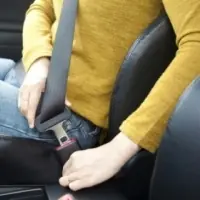
El cinturón de seguridad...
The seat belt…
- ASe debe colocar sobre el abdomen para que sea realmente eficaz.Must be placed over the abdomen to be truly effective.
- BDebe ajustarse bien para evitar el efecto submarino.Must be well adjusted to prevent submarining.
- CDebe quedar holgado para que la conducción sea cómoda y no aparezca la fatiga.Must be loose so that driving is comfortable and you do not get tired.
ExplanationThe seat belt must be fastened and fit closely to the body: the diagonal strap over the collarbone and the middle of the chest, and the lap belt over the hip bones, never over the abdomen. If it is loose or the seat back is tilted too far back, in a crash the body can slide under it: this is called submarining.
¿Para qué sirve principalmente el airbag?
What is the airbag mainly for?
- ANinguna: es un elemento decorativo.Nothing: it is a decorative element.
- BEvitar que, en caso de accidente, los ocupantes choquen contra partes del vehículo.To stop the occupants from hitting parts of the vehicle in an accident.
- CReducir el consumo de combustible.To reduce fuel consumption.
ExplanationThe airbag is a passive safety device designed to protect the vehicle's occupants from hitting the rigid parts of the car in an accident. It opens instantly in a collision, inflating with gas to cushion the impact. Remember that the airbag does not replace the seat belt, but works together with it. Without the seat belt fastened, the airbag opening can cause serious injuries.
¿Están obligados los conductores y pasajeros de bicicletas a utilizar cascos de protección?
Are bicycle riders and passengers required to wear protective helmets?
- ANo están obligados en ninguna vía, pero es aconsejable que los utilicen.They are not required to on any road, but it is advisable to wear them.
- BSí, cuando circulen por vías interurbanas.Yes, when travelling on interurban roads.
- CSí, tanto en vías urbanas como en vías interurbanas.Yes, on both urban and interurban roads.
ExplanationAdult cyclists must wear an approved helmet on interurban roads; children under 16 must wear one on all types of road (Article 118 of the General Traffic Regulations). In town an adult is not required to, unless they are cycling as a professional activity.
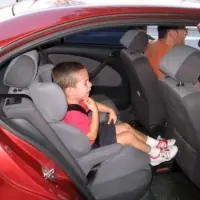
¿Es recomendable situar a un niño y su silla en el asiento del copiloto si éste tiene airbag?
Is it advisable to put a child and their child seat in the front passenger seat if it has an airbag?
- ASí, pero únicamente a los mayores de dos años.Yes, but only children over two years old.
- BSí, porque así su seguridad aumenta.Yes, because it makes them safer.
- CNo, como norma general los niños deben viajar en los asientos traseros.No, as a general rule children must travel in the rear seats.
ExplanationChildren with a height of 135 cm or less must travel in the back in their child restraint system; only in exceptional cases may they travel in the front. In that case, if the seat is rear-facing and there is a front airbag, the airbag must be deactivated, because when it inflates it would hit the seat next to the child's head.
En un cuadriciclo equipado con cinturones de seguridad, ¿Quiénes los deben utilizar?
In a quadricycle fitted with seat belts, who must wear them?
- ASolo el conductor en todo tipo de vías.Only the driver, on all types of road.
- BEl conductor y el pasajero sólo cuando circulen por vías fuera de poblado.The driver and the passenger, only when travelling outside built-up areas.
- CTanto el conductor como el pasajero.Both the driver and the passenger.
ExplanationIn a quadricycle with a protective structure and seat belts, the driver and the passenger must wear their seat belts fastened on all types of road; in return they are exempt from wearing a helmet (Article 118 of the General Traffic Regulations).
El conductor de una motocicleta, ¿debe abrocharse el casco de protección?
Must a motorcycle rider fasten their protective helmet?
- ASí, tanto en vías urbanas como interurbanas.Yes, on both urban and interurban roads.
- BSí, pero solo cuando lo indique un agente.Yes, but only when a traffic officer says so.
- CSí, pero únicamente en vías urbanas.Yes, but only on urban roads.
ExplanationUnder Article 118.1 of the General Traffic Regulations, motorcycle riders and passengers must wear an approved helmet, properly fastened, on all types of road, urban and interurban. An unfastened helmet can fly off in a crash and gives no protection.
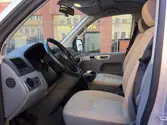
¿Cuál es la distancia correcta respecto al volante, cuando el vehículo dispone de Air-Bag?
What is the correct distance from the steering wheel when the vehicle has an airbag?
- AMáximo a 10 cm del volante.At most 10 cm from the steering wheel.
- BA 25 cm del volante.25 cm from the steering wheel.
- CA 50 cm del volante.50 cm from the steering wheel.
ExplanationThe correct distance from the steering wheel and the front airbag should never be less than 10 cm, although ideally it should be about 25 cm, to avoid hitting the airbag directly if it goes off.
¿Dónde puede viajar un niño que mide menos de 135 centímetros?
Where may a child shorter than 135 centimetres travel?
- AEn cualquiera de los asientos traseros, utilizando el cinturón de seguridad para adultos.In any of the back seats, using the adult seat belt.
- BEn un asiento delantero o trasero, utilizando siempre el cinturón de seguridad para adultos.In a front or back seat, always using the adult seat belt.
- CEn el asiento trasero, utilizando siempre un sistema de retención homologado según su talla y peso.In the back seat, always using an approved child restraint system suited to the child's height and weight.
ExplanationUnder Article 117.3 of the General Traffic Regulations, children shorter than 135 cm must travel in the back seats in an approved child restraint system suited to their height and weight. Only in exceptional cases may they travel in the front, and never with the adult seat belt instead of the child restraint system.
¿Existe algún dispositivo de seguridad que sustituya al cinturón de seguridad?
Is there any safety device that replaces the seat belt?
- ANo, todos están diseñados para funcionar de forma complementariaNo, they are all designed to work together
- BSí, los asientos traserosYes, the rear seats
- CSí, el airbag del conductorYes, the driver's airbag
ExplanationAs a passive safety element in the vehicle, the seat belt can NOT be replaced by any other, because it is essential for protecting the driver and passengers. It must be used together with other safety systems, such as the airbag.
¿Cuándo pueden viajar los niños en el asiento del copiloto sin sistema de retención infantil (SRI)?
When may children travel in the front passenger seat without a child restraint system?
- AA partir de los 12 años.From the age of 12.
- BCuando midan más de 1,35 metros.When they are taller than 1.35 metres.
- CNunca, mientras sean menores de edad.Never, while they are minors.
ExplanationThe rule does not set an age but a height: minors who are 1.35 m tall or less must use a child restraint system and travel in the back, except in specific exceptional cases. Once they are taller than that, they may travel in the front passenger seat with the seat belt, whatever their age.
All topics
- Definitions
- Documents and penalty points
- The driver's condition
- Duties of drivers and pedestrians
- Vehicle controls and equipment
- Vehicle lights and horn
- Traffic signs, markings and signals
- The road and its lanes
- Speed and distances
- Manoeuvres
- Right of way
- Carrying passengers and loads
- Driving safely in difficult conditions
- Vehicle mechanics and maintenance
- Road accidents and first aid
- Defensive and eco-driving
Independent app: not affiliated with or endorsed by the DGT (Spain's Directorate-General for Traffic) or the Ministry of the Interior. The official exam is booked with the DGT and taken at its test centres. The questions here are practice material; the DGT's official question bank is not public.
Basado en datos de la Agencia Estatal Boletín Oficial del Estado (https://www.boe.es). Textos consolidados de carácter meramente informativo. La AEBOE no patrocina ni respalda este sitio.
Parte de las preguntas procede de los tests de la revista «Tráfico y Seguridad Vial» de la DGT, reproducidos con indicación de la fuente.