
DGT test · 839 questions
Vehicle lights and horn · Page 2 of 17
Side, dipped, main-beam, fog and hazard lights, and the horn: when each one is compulsory and when it is forbidden.
Questions in this topic, with answers
839 questions, 50 per page, with the correct answer and the explanation. Page 2 of 17.
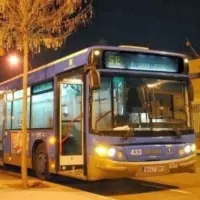
¿Dónde se debe situar la luz de gálibo?
Where must the end-outline marker lights be placed?
- AEn el borde exterior más bajo del vehículoOn the lowest outer edge of the vehicle.
- BEn la parte trasera central del vehículoAt the rear centre of the vehicle.
- CEn el borde exterior más elevado del vehículoOn the highest outer edge of the vehicle.
ExplanationA vehicle's end-outline marker lights must always be placed at the highest and widest part of the vehicle, specifically on its highest outer edge, so that other road users can recognise and see them more easily.
¿Qué alumbrado usará para circular en una travesía insuficientemente iluminada?
Which lights will you use to drive on a poorly lit travesía (stretch of road through a town)?
- AAlumbrado de posición con el de corto alcance.Position lights with dipped headlights.
- BAlumbrado de posición con el de largo alcance.Position lights with main beam.
- CSolamente alumbrado de posición.Only position lights.
ExplanationWhen we drive on a road outside a built-up area where it passes through a town (a travesía is inside a built-up area), we use the position lights together with dipped headlights, whether it is well lit or poorly lit.
Circulando con nuestra motocicleta un día de lluvia intensa, ¿qué alumbrado utilizaremos?
When riding our motorcycle on a day of heavy rain, which lights should we use?
- AEl de posición y corto alcance como mínimo.At least the position light and the dipped headlight.
- BEl de posición.The position light.
- CEl delantero de niebla de forma aislada, si disponemos de él.The front fog light on its own, if we have one.
ExplanationThe position light and the dipped headlight are necessary in heavy rain to make the vehicle more visible and warn other road users that we are there. It is important to use at least these lights to reduce the risk of accidents.
La regulación, el funcionamiento y el estado del sistema de alumbrado, ¿hay que revisarlos con frecuencia?
Should the adjustment, operation and condition of the lighting system be checked often?
- ANo, con una vez cada dos o tres años es suficiente.No, once every two or three years is enough.
- BSí.Yes.
- CNo, sólo es necesario cambiar las bombillas cuando estén fundidas.No, you only need to change the bulbs when they have blown.
ExplanationLights are very important to see and be seen. Each light must shine in a particular way; for example, dipped headlights must light a sufficient distance without dazzling other road users. If they are not properly adjusted, they could dazzle others, or we might not see far enough. That is why we must check the lights often.
¿Las señales acústicas se pueden usar?
Can the horn be used?
- ANo ,en ningún caso.No, never.
- BSolamente para evitar un posible accidente.Only to avoid a possible accident.
- CPara evitar un posible accidente y advertir fuera de poblado el propósito de adelantar.To avoid a possible accident, and outside built-up areas to warn that you intend to overtake.
ExplanationThe horn may be used in exceptional cases to avoid a possible accident, to warn outside built-up areas that you intend to overtake, and to warn other road users of our presence when we are on an emergency call.
Su motocicleta, ¿puede estar provista de luz antiniebla delantera y trasera?
Can your motorcycle be fitted with front and rear fog lights?
- ANo, sólo puede disponer de la luz antiniebla trasera.No, it can only have the rear fog light.
- BSí, aunque no es obligatorio.Yes, although it is not compulsory.
- CNo, en ningún caso.No, never.
ExplanationA motorcycle can be fitted with front and rear fog lights, although it is not compulsory. This means that fitting fog lights at both the front and the rear of the motorcycle is optional for riders.
En caso de niebla, ¿qué luces deben utilizarse?
In fog, which lights must be used?
- ALas luces de posición junto a las luces antiniebla traseras.The position lights together with the rear fog lights.
- BLas luces de carretera junto con las luces antiniebla traseras.Main beam together with the rear fog lights.
- CLas luces de cruce y, en caso de disponer de ellas, las luces antiniebla delanteras.Dipped headlights and, if fitted, the front fog lights.
ExplanationIn reduced visibility, such as fog, heavy rain, snowfall or smoke or dust, it is compulsory to use the appropriate lights. In these cases you must use dipped headlights and, depending on the conditions, the front fog light, as long as the vehicle has one, as fitting it is not compulsory. This light can be used alone or together with dipped headlights or main beam, depending on the situation. The rear fog light, for its part, must only be used when conditions are especially unfavourable, such as thick fog, very heavy rain, heavy snowfall or dense clouds of dust or smoke, because using it wrongly can dazzle other road users.
En una zona poblada, ¿está permitido usar señales acústicas?
In a built-up area, are you allowed to use your horn?
- ASí, solo para evitar un accidente.Yes, only to avoid an accident.
- BNo.No.
- CSí, para evitar un accidente o para avisar a otros usuarios de que se realiza un servicio de urgencia.Yes, to avoid an accident or to warn other road users that an emergency service is being carried out.
ExplanationIn built-up areas the horn may only be used to avoid a possible accident or to warn others that an emergency service is being carried out (Article 110.2 of the General Traffic Regulations, in connection with Article 70). Warning another driver that you are about to overtake is only allowed outside built-up areas.
Circulando con niebla muy espesa, ¿Deberemos llevar encendido de forma obligatoria el alumbrado delantero antiniebla?
When driving in very thick fog, must we have the front fog light on?
- ANo.No.
- BSí, además de la luz antiniebla trasera.Yes, as well as the rear fog light.
- CSólo la luz de posición.Only the position light.
ExplanationIn fog, the front fog light is optional, not compulsory: you can use it or dipped headlights or main beam. What you must switch on in very thick fog is the rear fog light, as well as dipped headlights and the position lights.
¿Hay que revisar con frecuencia el ajuste, el funcionamiento y el estado del sistema de alumbrado?
Should the adjustment, working order and condition of the lighting system be checked often?
- ANo, cada dos o tres años sería suficiente.No, every two or three years would be enough.
- BSí.Yes.
- CNo, sólo hay que cambiar las bombillas cuando se funden.No, you only need to change the bulbs when they blow.
ExplanationIt is advisable to check often that all the lights work, are clean and are properly adjusted: a blown bulb or a badly aimed headlight reduces visibility, may dazzle others and means other road users do not notice what we are doing. It is not enough to change bulbs when they blow.

Hay mucha niebla. ¿Qué luces deben llevar encendidas los vehículos?
There is a lot of fog. Which lights must vehicles have on?
- ALas luces antiniebla junto con las luces cortas.The fog lights together with dipped headlights.
- BLas luces antiniebla junto con las luces de emergencia.The fog lights together with the hazard warning lights.
- CLas luces de posición solamente.Only the position lights.
ExplanationIf, while driving, we find a lot of fog (thick fog), as well as dipped headlights we must have the rear fog lights on and, if the vehicle has them, the front fog lights.
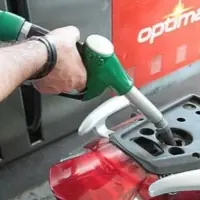
¿Es obligatorio apagar las luces al llenar el depósito de una motocicleta?
Is it compulsory to switch off the lights when filling up a motorcycle's fuel tank?
- ASí.Yes.
- BNo, hay que dejar encendida la luz de estacionamiento.No, you must leave the parking light on.
- CNo, hay que dejar encendida la luz de corto alcance.No, you must leave the dipped headlight on.
ExplanationWhenever we are going to fill up our motorcycle's fuel tank at a petrol station or service area, we must switch off the engine, electronic devices and lights, and apply the handbrake. Smoking while refuelling is also strictly prohibited.
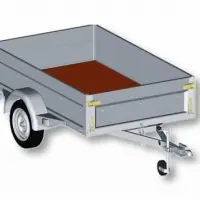
¿De qué color sera la luz antiniebla trasera en los remolques?
What colour will the rear fog light be on trailers?
- ABlancaWhite.
- BRojaRed.
- CAmarillaYellow.
ExplanationThe rear fog light is red and compulsory.
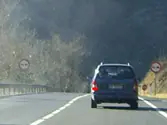
Con niebla no espesa, ¿qué luces de antiniebla está permitido utilizar en un turismo?
In fog that is not thick, which fog lights are you allowed to use on a car?
- ALa delantera únicamente.Only the front one.
- BLa trasera únicamente.Only the rear one.
- CNinguna.None.
ExplanationIn fog that is not thick, we may only use the front fog light. To use the rear fog light, the fog must be thick.
Cuando disminuye la visibilidad debido a una lluvia intensa, el alumbrado de largo alcance...
When visibility is reduced by heavy rain, main beam...
- AEs obligatorio utilizarlo.is compulsory.
- BEstá prohibido utilizarlo.is prohibited.
- CNo suele ser el más adecuado.is not usually the most suitable.
ExplanationIn heavy rain you must switch on your lights, but main beam is not usually the most suitable: it reflects off the raindrops and dazzles the driver. It is usually better to use dipped headlights or the front fog light. It is neither prohibited nor compulsory.
¿Está permitido usar las luces largas al circular por una travesía?
Are you allowed to use main beam when driving through a travesía (stretch of road through a town)?
- ANo.No.
- BSí, en travesías con poca iluminación.Yes, in poorly lit travesías.
- CSolo si se circula a una velocidad superior a 40 km/h.Only if you are driving faster than 40 km/h.
ExplanationA travesía is a stretch of road inside a built-up area, and in built-up areas you drive with dipped headlights even if the road is not well enough lit (Article 101.1 of the General Traffic Regulations). Main beam is for outside built-up areas at more than 40 km/h.
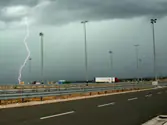
En caso de lluvia intensa, ¿está obligado a utilizar el alumbrado de antiniebla posterior?
In heavy rain, are you required to use the rear fog light?
- ASí.Yes.
- BNo.No.
- CSí, tanto el delantero como el posterior.Yes, both the front and the rear ones.
ExplanationWe must use the rear fog light in very heavy rain, so if the rain is heavy (without the 'very'), we may not use the rear fog light.
En caso de no disponer de luces antiniebla delanteras, ¿qué luces utilizaremos en caso de niebla no espesa?
If you do not have front fog lights, which lights should you use in fog that is not thick?
- ACorto alcance.Dipped headlights.
- BCorto alcance o posición.Dipped headlights or position lights.
- CPosición.Position lights.
ExplanationIn fog that is not thick, we use at least dipped headlights. If we have a front fog light, we may use it if we choose.
En una vía interurbana insuficientemente iluminada circula un turismo a 40 kilómetros por hora, ¿está permitido que use las luces de corto alcance?
A car is travelling at 40 kilometres per hour on an insufficiently lit interurban road. Is it allowed to use its dipped headlights?
- ANo, debería llevar la luz de carretera obligatoriamente.No, it should have the main beam on, compulsorily.
- BSí.Yes.
- CNo.No.
ExplanationOn insufficiently lit interurban roads you may use the dipped headlights when travelling at 40 km/h or less, when the vehicle has no main beam, or when the main beam could dazzle. At 40 km/h it is correct to have the dipped headlights on.
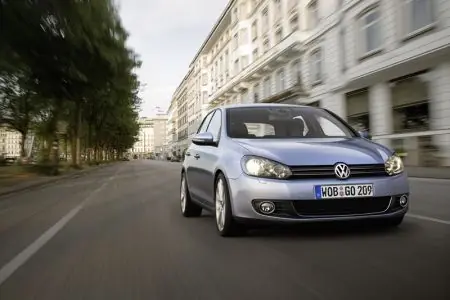
¿Qué función cumplen los sistemas de alumbrado del vehículo?
What is the purpose of the vehicle's lighting systems?
- AÚnicamente la de alumbrar la vía.Only to light the road.
- BÚnicamente la de ser visto por los demás usuarios de la vía.Only to be seen by other road users.
- CTanto la de ver como la de ser visto por los demás usuarios de la vía.Both to see and to be seen by other road users.
ExplanationLights have a double purpose: they let the driver see the road and its obstacles, and they make the vehicle visible to other road users. That is why position lights or dipped headlights are also switched on in situations where you can see well, such as in tunnels or in rain.
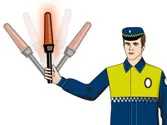
Si se encuentra a un policía balanceando una luz roja hacia usted, ¿qué hará?
If you find a police officer swinging a red light towards you, what will you do?
- AModerar la velocidad.Slow down.
- BDetenerme.Stop.
- CSeguir con precaución, porque solo advierte de un peligro.Continue with care, because it only warns of a danger.
ExplanationWhen an officer swings a red or yellow light, the road users towards whom the light is directed must stop. You stop at the nearest stop line or, if there is none, immediately before the officer.
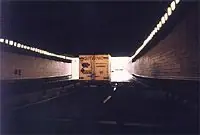
Circulando por el interior de un túnel suficientemente iluminado, utilizaremos el alumbrado de...
When driving inside a well-lit tunnel, we will use...
- ADe largo alcance.main beam.
- BDe posición y de corto alcance.position lights and dipped headlights.
- CNinguno ya que es suficientemente iluminado.no lights, because it is well lit.
ExplanationAccording to Article 101 of the General Traffic Regulations, in well-lit tunnels and underpasses you must have the position lights and dipped headlights on at any time of day. Even if the lighting is good, you must drive with your lights on.
¿Se pueden usar luces adaptativas en su vehículo?
May you use adaptive headlights on your vehicle?
- ASí.Yes.
- BNo, están prohibidas.No, they are prohibited.
- CSí, son obligatorias.Yes, they are compulsory.
ExplanationAdaptive headlights are a lighting system found on many modern vehicles that adjusts the intensity and direction of the beam according to speed, the type of road and oncoming vehicles. They are permitted, but not compulsory.
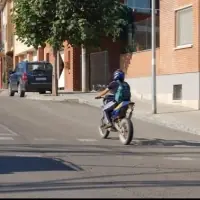
¿Deben los ciclomotores de dos ruedas llevar luz de corto alcance?
Must two-wheeled mopeds have dipped headlights?
- ASi, de forma obligatoriaYes, compulsorily
- BNoNo
- CÚnicamente en vías fuera de pobladoOnly on roads outside built-up areas
ExplanationYes. Two-wheeled mopeds must have dipped headlights fitted, and must also switch them on whenever lights are compulsory, both inside and outside built-up areas.
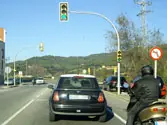
Dentro de poblado, ¿se podrá utilizar el alumbrado de carretera en forma de destello en algún caso?
In a built-up area, may the main beam ever be used as a flash?
- ASí, para indicar a otro conductor que le cedemos el paso.Yes, to tell another driver that we are giving way to them.
- BNo, está prohibido.No, it is prohibited.
- CSí, para evitar un posible accidente.Yes, to avoid a possible accident.
ExplanationAs a general rule, using the main beam in built-up areas is prohibited, but it may be flashed to give a warning about a possible accident.
Si circulo por un carril adicional, ¿qué luces debo llevar?
If I am driving in an additional lane, which lights must I have on?
- ALas de posición junto con las de corto alcance.The position lights together with dipped headlights.
- BLas de posición junto con las de corto alcance y las de carretera.The position lights together with dipped headlights and main beam.
- CLas luces de posición.The position lights.
ExplanationWhen driving in an additional lane, we must have at least the position lights together with dipped headlights on.
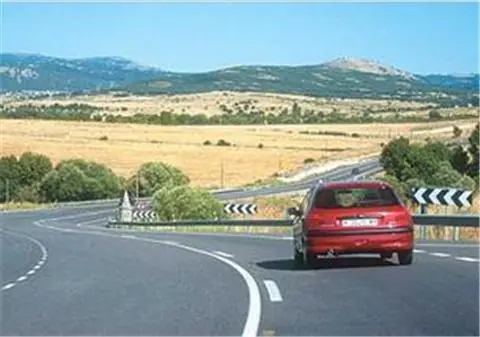
De día es obligatorio encender el alumbrado que corresponda...
During the day you must switch on the appropriate lights…
- Acuando se circule por pasos inferiores o tramos de vía afectados por la señal túnel.when driving through underpasses or stretches of road covered by the “Tunnel” sign.
- Bsólo cuando existan condiciones que disminuyan la visibilidad.only when there are conditions that reduce visibility.
- Ccuando se circule por carriles para VAO.when driving in HOV (VAO) lanes.
ExplanationDuring the day you must have the appropriate lights on in tunnels, underpasses and stretches covered by the “Tunnel” sign (Article 98.1 of the General Traffic Regulations). It is not enough to switch them on only when visibility is poor, and HOV (VAO) lanes do not require it on their own.
¿Se debe revisar periódicamente el sistema de alumbrado del vehículo como parte del mantenimiento preventivo?
Should the vehicle's lighting system be checked regularly as part of preventive maintenance?
- ASí, para comprobar que el sistema esté bien ajustado y funcione correctamente.Yes, to check that the system is properly adjusted and works correctly.
- BNo, salvo en los vehículos que cuentan con un sistema de regulación automático.No, except on vehicles with an automatic levelling system.
- CNo, solo cuando el vehículo vaya sobrecargado, ya que podrían variar la inclinación del haz de luz.No, only when the vehicle is overloaded, as the angle of the light beam could change.
ExplanationRegular checking of the vehicle's lighting system is an important part of preventive maintenance. It includes checking that the headlights, indicators, brake lights and fog lights work. Incorrectly adjusted headlights can dazzle other drivers or light the road poorly, especially at night. In Spain, drivers are advised to check the condition of their lights regularly and adjust them if necessary.
¿Qué alumbrado usaremos para circular con nuestro turismo por una vía urbana durante el día?
Which lights should we use when driving our car on a road in a built-up area during the day?
- ALas de posición.The position lights.
- BAlumbrado de posición o corto alcance.Position lights or dipped headlights.
- CNo será necesario ningún alumbrado.No lights will be needed.
ExplanationDuring the day, a car does not need to have any lights on in normal weather and environmental conditions.
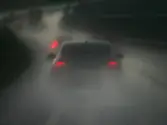
Circulando con niebla densa, ¿qué alumbrado debemos llevar encendido?
When driving in dense fog, which lights must we have on?
- ALas luces delanteras antiniebla, posición y corto alcance.The front fog lights, position lights and dipped headlights.
- BLas posteriores antiniebla, posición y corto alcance.The rear fog lights, position lights and dipped headlights.
- CLas luces de posición y corto alcance.The position lights and dipped headlights.
ExplanationThe only fog light that it is compulsory to use is the rear fog light. In very bad weather, as in this case of dense fog, it is also used together with the position lights and dipped headlights.
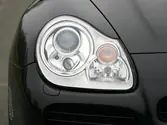
El alumbrado, ¿se considera un sistema de seguridad del vehículo?
Are the lights considered a vehicle safety system?
- ASí, de seguridad activa.Yes, an active safety system.
- BSí, de seguridad pasiva.Yes, a passive safety system.
- CNo, únicamente sirve para ver y ser visto.No, they are only for seeing and being seen.
ExplanationActive safety systems help the driver reduce the chance of an accident happening. They include, for example, the lights, tyres, brakes, suspension and steering. Passive safety systems, on the other hand, aim to reduce injuries to a minimum once an accident has happened. They include, for example, the chassis and body, seat belts, airbags, the head restraint and the helmet.
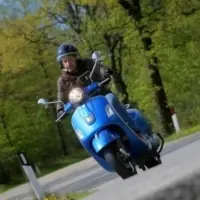
Si un ciclomotor de dos ruedas lleva luz de largo alcance, ¿cuántas puede llevar?
If a two-wheeled moped has main beam headlights, how many may it have?
- AMínimo dos luces y máximo cuatro.At least two and at most four.
- BDos luces obligatoriamente.Two, compulsorily.
- CUna o dos.One or two.
ExplanationUnder the General Vehicle Regulations (Article 21 and Annex X), main beam is optional on two-wheeled mopeds. If they have it, it may be one or two lights, white and at the front.
¿Debe encender la luz de corto alcance en un túnel suficientemente iluminado?
Must you switch on dipped headlights in a well-lit tunnel?
- ANo, porque está iluminado.No, because it is lit.
- BSí, es obligatorio.Yes, it is compulsory.
- CNo, debe encender la luz largo alcance.No, you must switch on main beam.
ExplanationEvery motor vehicle and moped driving between sunset and sunrise on well-lit roads, inside or outside built-up areas, or at any time of day in well-lit tunnels and other stretches of road covered by the 'Tunnel' sign, must have dipped headlights on as well as the position lights. It must also have these lights on in built-up areas when the road is poorly lit.
¿Cuándo llevará el remolque luz de posición lateral?
When must a trailer have side marker lights?
- ACuando la longitud supere los 6 metros.When it is longer than 6 metres.
- BCuando la longitud supere los 12 metros.When it is longer than 12 metres.
- CCuando la longitud supere los 7 metros.When it is longer than 7 metres.
ExplanationUnder Article 16 of the General Vehicle Regulations (RGV), trailers and semi-trailers, except agricultural ones, must have side marker lights when they are longer than 6 metres. These lights show the vehicle's presence when it is seen from the side.
¿Puede un turismo circular de noche solo con las luces de posición?
Can a car be driven at night with only the sidelights on?
- ASí, en ciudad bien iluminada.Yes, in a well-lit town.
- BNo, nunca.No, never.
- CSolo en autopista.Only on the motorway.
ExplanationAt night, every motor vehicle must have the dipped headlights on in addition to the sidelights, even on well-lit roads in built-up areas; on unlit roads, main beam or dipped headlights. Sidelights alone are not enough for driving (Article 101.1 of the General Traffic Regulations).
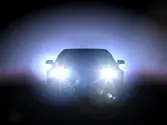
Si el vehículo que se acerca de frente nos deslumbra con sus luces de cruce, ¿qué haremos?
If an oncoming vehicle dazzles us with its dipped headlights, what should we do?
- ARealizaremos destellos de luz para que se dé cuenta.Flash our lights so that the driver notices.
- BSaldremos de la calzada.Leave the carriageway.
- CReduciremos la velocidad hasta incluso llegar a detenernos.Reduce speed, even coming to a stop if necessary.
ExplanationIf you are dazzled: - Look towards the right-hand side of the carriageway and avoid looking straight at the lights of the oncoming vehicle. - Reduce speed as much as necessary, even coming to a stop, until you recover from the effects of the dazzle. - Avoid moving onto the hard shoulder, as you may run off the road or find road users on it.
Además de las luces de posición, ¿con que otras luces puede utilizarse simultáneamente la luz delantera de niebla?
Apart from the position lights, which other lights can the front fog light be used together with?
- ASolamente con la de corto alcance y la posterior de niebla.Only with dipped headlights and the rear fog light.
- BCon la de corto alcance, la de largo alcance y la posterior de niebla.With dipped headlights, main beam and the rear fog light.
- CSolamente con las de posición.Only with the position lights.
ExplanationThis is correct. The front fog light can be used together with dipped headlights, main beam and the rear fog light. This is because these combinations help improve visibility in poor conditions, such as fog, so that the driver can see better and other drivers can see them.
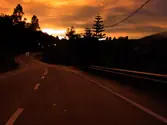
Si está amaneciendo pero aún no ha salido el sol, ¿qué alumbrado llevaremos encendido en un turismo?
If dawn is breaking but the sun has not yet risen, which lights should we have on in a car?
- ANinguno.None.
- BSolo el de posición.Only the position lights.
- CEl de corto alcance y el de posición.Dipped headlights and position lights.
ExplanationFrom sunset until sunrise we must have at least the position lights on together with dipped headlights. In this case, as the sun has not risen, we must have these lights on.
Si está lloviendo ligeramente durante la noche, ¿usaremos el alumbrado antiniebla delantero?
If it is raining lightly at night, should we use the front fog lights?
- ASí, si la vía no está iluminada.Yes, if the road is not lit.
- BSí, siempre que esté acompañada por la luz de cruce.Yes, as long as the dipped headlights are also on.
- CNo, está prohibido.No, it is prohibited.
ExplanationThe front fog lights may be used in heavy rain, so if the rain is light, using them is prohibited.
¿Cuándo debe cambiar de luces de carretera a cruce?
When must you switch from main beam to dipped headlights?
- ACuando se aproxima otro vehículoWhen another vehicle is approaching
- BAl entrar en una curvaWhen entering a bend
- CNunca, las largas son mejoresNever, main beam is better
ExplanationYou must switch to dipped headlights when another vehicle is approaching from the opposite direction.
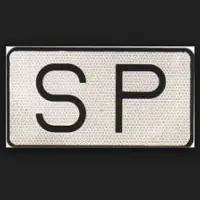
¿Qué indica la placa SP?
What does the SP plate indicate?
- AQue se dedica a prestar servicios privadosThat the vehicle provides private services.
- BQue se dedica al transporte de enfermosThat the vehicle carries sick people.
- CQue se dedica a prestar servicios públicosThat the vehicle provides public services.
ExplanationUnder Annex XI of the General Vehicle Regulations (Reglamento General de Vehículos), the V-9 sign (S.P.) indicates that the vehicle provides public services, such as a taxi or a scheduled bus. It is placed next to the number plates, and the rear one must be lit like the number plate.
¿Cuántos catadióptricos deben llevar las motocicletas?
How many reflectors must motorcycles have?
- AUno trasero.One at the rear.
- BDos, uno delante y otro detrás.Two, one at the front and one at the rear.
- CUno delantero.One at the front.
ExplanationMotorcycles must have one rear reflector.
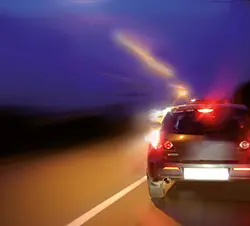
Como mantenimiento preventivo, ¿es conveniente realizar una revisión periódica del sistema de alumbrado del vehículo?
As preventive maintenance, is it advisable to check the vehicle's lighting system regularly?
- ASí, para comprobar su correcto reglado y funcionamiento.Yes, to check that it is correctly adjusted and working.
- BNo, salvo en los vehículos que disponen de un sistema regulador automático.No, except on vehicles with an automatic levelling system.
- CNo, solamente, cuando lleve sobrecarga porque podrían producirse cambios de inclinación del alcance luminoso.No, only when it is overloaded, because the angle of the light beam could change.
ExplanationYou should check the lights regularly to make sure they all work and are correctly adjusted: badly aimed lights light the road poorly and dazzle other drivers.
Las luces de largo alcance o carretera deben utilizarse…
Main beam must be used…
- Aen vías interurbanas, insuficientemente iluminadas.on roads outside built-up areas that are not sufficiently lit.
- Ben vías insuficientemente iluminadas, dentro y fuera de poblado.on roads that are not sufficiently lit, both inside and outside built-up areas.
- Ctanto en vías urbanas como en interurbanas.on both urban and non-urban roads.
ExplanationMain beam is used at night outside built-up areas, on roads that are not sufficiently lit, at more than 40 km/h and without dazzling anyone. In built-up areas, even if the road is poorly lit, you use dipped headlights.
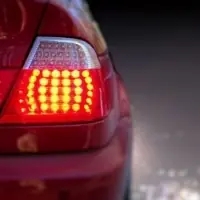
¿Cuál de éstos NO es un dispositivo de alumbramiento en el vehículo?
Which of these is NOT a lighting device on a vehicle?
- ALuz de estacionamientoParking light.
- BLuz de frenadoBrake light.
- CLuz antivaho posteriorRear demister light.
ExplanationA rear demister light is not one of the vehicle's lighting devices, so it does not exist.
Se deben usar señales acústicas ...
Horn signals must be...
- Ade cualquier tipo de sonido.of any type of sound.
- Bde sonido agudo.high-pitched.
- Cde sonido no estridente.not shrill.
ExplanationUnder Article 110 of the RGC, only horn signals that are not shrill may be used, and only exceptionally or when a rule provides for it; using the horn without reason or excessively is prohibited.
Circulando de noche,por una vía urbana suficientemente iluminada, ¿qué alumbrado utilizaremos?
When driving at night on a well-lit road in a built-up area, which lights should we use?
- APosición y corto alcance.Position lights and dipped headlights.
- BNinguno.None.
- CCorto o largo indistintamente.Dipped headlights or main beam, either one.
ExplanationOn a well-lit road in a built-up area we must use the position lights and dipped headlights; driving with only the position lights or with main beam is prohibited.
¿Qué alumbrado usará un turismo cuando circule de noche por una vía urbana suficientemente iluminada?
Which lights will a car use when driving at night on a well-lit road in a built-up area?
- AEl alumbrado de posición.Position lights.
- BEl alumbrado de corto alcance.Dipped headlights.
- CEl alumbrado de largo alcance.Main beam.
ExplanationA car driving at night on a road in a built-up area, whether well lit or poorly lit, must use dipped headlights.
De noche, en caso de avería del alumbrado, si tiene que circular con un alumbrado de intensidad inferior, ¿puede continuar la marcha?
At night, if your lights fail and you have to drive with weaker lights, can you carry on?
- ASí, manteniendo una velocidad que permita detener el vehículo dentro de la zona iluminada.Yes, keeping to a speed that lets you stop the vehicle within the lit area.
- BSí, puede continuar hasta el taller más próximo.Yes, you may continue to the nearest garage.
- CNo, no podrá continuar el viaje.No, you will not be able to continue your journey.
ExplanationIf, because of a failure that cannot be repaired on the road, you have to drive with weaker lights, you may continue, but reducing your speed to one that lets you stop the vehicle within the lit area (Article 107 of the General Traffic Regulations).
Si conduciendo nos aproximamos a niños o a ancianos deberemos...
If, while driving, we approach children or elderly people, we should...
- AAvisarles con señales acústicas, nuestra presencia.warn them of our presence with the horn.
- BNos detendremos para cederles siempre el paso.always stop to give way to them.
- CAdoptaremos las precauciones necesarias para no ponerlos en peligro.take the necessary precautions so as not to put them in danger.
ExplanationChildren and elderly people are vulnerable road users whose reactions can be unpredictable or slow. When approaching them, you must slow down and take the necessary precautions so as not to put them in danger. Using the horn can frighten them.
All topics
- Definitions
- Documents and penalty points
- The driver's condition
- Duties of drivers and pedestrians
- Vehicle safety devices
- Vehicle controls and equipment
- Traffic signs, markings and signals
- The road and its lanes
- Speed and distances
- Manoeuvres
- Right of way
- Carrying passengers and loads
- Driving safely in difficult conditions
- Vehicle mechanics and maintenance
- Road accidents and first aid
- Defensive and eco-driving
Independent app: not affiliated with or endorsed by the DGT (Spain's Directorate-General for Traffic) or the Ministry of the Interior. The official exam is booked with the DGT and taken at its test centres. The questions here are practice material; the DGT's official question bank is not public.
Basado en datos de la Agencia Estatal Boletín Oficial del Estado (https://www.boe.es). Textos consolidados de carácter meramente informativo. La AEBOE no patrocina ni respalda este sitio.
Parte de las preguntas procede de los tests de la revista «Tráfico y Seguridad Vial» de la DGT, reproducidos con indicación de la fuente.