
DGT test · 839 questions
Vehicle lights and horn · Page 7 of 17
Side, dipped, main-beam, fog and hazard lights, and the horn: when each one is compulsory and when it is forbidden.
Questions in this topic, with answers
839 questions, 50 per page, with the correct answer and the explanation. Page 7 of 17.
Si circula de día por un carril en sentido contrario al habitual que está abierto al tráfico, ¿qué luces debe encender?
If you are driving during the day in a lane in the opposite direction to normal that is open to traffic, which lights must you switch on?
- ALas luces de cruce (luces cortas).Dipped headlights.
- BLas luces de carretera (luces largas).Main beam.
- CSólo las luces de posición.Only the position lights.
ExplanationUnder the General Traffic Regulations, specifically Article 41, when driving in a lane opened for the opposite direction to normal, it is compulsory to switch on dipped headlights both by day and at night. This rule is in force to ensure that vehicles travelling in the unusual direction can be seen and to increase road safety on roads where the flow of traffic is affected. So the correct answer to the question is 'dipped headlights'.
Un vehículo llevará encendida la luz de gálibo cuando mida...
A vehicle will have its end-outline marker lights on when it measures...
- ADos o más metros de ancho y seis o más metros de largo.two or more metres wide and six or more metres long.
- BMás de 2,10 de ancho.more than 2.10 m wide.
- CMás de cuatro metros de alto.more than four metres high.
ExplanationThis is correct because end-outline marker lights must be on in vehicles more than 2.10 metres wide. These lights help other drivers see the size of the vehicle, especially in poor visibility.
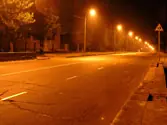
¿Qué alumbrado deberá utilizar para estacionar en una vía dentro de poblado suficientemente iluminada?
Which lights must you use to park on a well-lit road in a built-up area?
- APosición.Position lights.
- BEstacionamiento.Parking lights.
- CNo usaré ningún alumbrado.I will not use any lights.
ExplanationOn well-lit urban roads that are not travesías (stretches of road through a town), it is not compulsory to leave any lights on when parking, because others can see the vehicle. On poorly lit travesías, the position lights or parking lights must be switched on.
¿Cuántas luces de cruce delanteras está obligado a llevar un vehículo especial?
How many front dipped headlights is a special vehicle required to have?
- ADosTwo.
- BUnaOne.
- CTresThree.
ExplanationSpecial vehicles must have two front dipped headlights, whose light must be white, placed at the outer edges of the front of the vehicle.
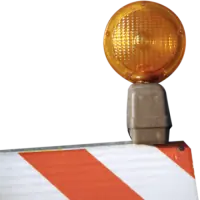
¿Qué indican las luces amarillas fijas o intermitentes usadas como elemento de balizamiento?
What do steady or flashing yellow lights used as road marker devices indicate?
- ALa presencia de una curva pronunciada.The presence of a sharp bend.
- BLa prohibición de pasar a través de la línea imaginaria que las une.A ban on passing through the imaginary line joining them.
- CEl borde de la calzada.The edge of the carriageway.
ExplanationSteady or flashing yellow lights are delimiting marker devices: they prohibit passing through the imaginary line joining them. The edge of the carriageway is marked by other devices, such as edge marker posts.
Un semáforo cambia de rojo a verde. ¿Está permitido usar el claxon para avisar a otro conductor de que ya puede avanzar?
A traffic light changes from red to green. Are you allowed to use the horn to tell another driver they can now move off?
- ANo, en ningún caso.No, never.
- BSí, si se trata de una vía interurbana.Yes, if it is on a road outside built-up areas.
- CSí, si se trata de una vía urbana.Yes, if it is on a road in a built-up area.
ExplanationUnder Article 110 of the RGC, the horn may only be used to avoid a possible accident, to warn another driver outside built-up areas that you are about to overtake them, or in emergencies. Telling another driver that the light has turned green is using it without good reason, and that is prohibited.
¿Está permitido usar las luces de largo alcance en ciudad?
Is it allowed to use main beam in town?
- ASí, siempre que sea necesarioYes, whenever necessary
- BNo, está prohibidoNo, it is prohibited
- CSí, si no hay peatonesYes, if there are no pedestrians
ExplanationIn built-up areas you must use dipped headlights, even when the road is poorly lit, under Article 101 of the General Traffic Regulations; main beam is for roads outside built-up areas, and in town it may only be used as short flashes to warn other road users.
¿Cuándo es obligatorio usar el alumbrado de cruce (cortas)?
When is it compulsory to use dipped headlights?
- ASolo de nocheOnly at night.
- BEntre la puesta y salida del sol y en túnelesBetween sunset and sunrise, and in tunnels.
- CSolo cuando llueveOnly when it rains.
ExplanationDipped headlights are compulsory from sunset to sunrise, in tunnels, in reversible lanes and in bad weather.
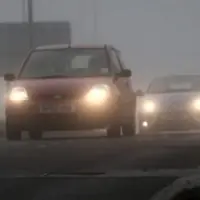
¿De qué color debe ser la luz de largo alcance de un vehículo?
What colour must a vehicle's main beam be?
- ARojoRed.
- BBlancoWhite.
- CNaranjaOrange.
ExplanationA vehicle's main beam must always be white, giving a white beam of light so that the driver can see the road better.
¿En qué vías se puede utilizar la luz de largo alcance?
On which roads can main beam be used?
- AEn vías fuera de poblado suficientemente iluminadas.On well-lit roads outside built-up areas.
- BEn vías fuera de poblado insuficientemente iluminadas.On poorly lit roads outside built-up areas.
- CEn vías fuera de poblado tanto suficiente como insuficientemente iluminadas.On roads outside built-up areas, whether well lit or poorly lit.
ExplanationMain beam may only be used on poorly lit roads outside built-up areas, provided it does not dazzle other road users.
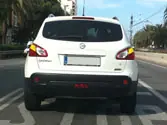
Este vehículo está averiado y circula muy despacio con la luz de emergencia encendida. ¿Es correcto?
This vehicle has broken down and is moving very slowly with its hazard warning lights on. Is this correct?
- ANo, porque las luces de emergencia se encienden únicamente cuando el vehículo está parado.No, because hazard warning lights are only switched on when the vehicle is stopped.
- BNo, porque está prohibido utilizarla en vías urbanas.No, because it is prohibited to use them on roads in built-up areas.
- CSí, porque está averiado.Yes, because it has broken down.
ExplanationThe hazard warning lights are used to signal and warn of the temporary danger caused by a vehicle affected by a breakdown, an accident, a fallen load or any other emergency, on roads inside and outside built-up areas, both by day and at night, and whether the vehicle is immobilised or moving.
De noche por una via urbana insuficientemente iluminada ¿Con qué alumbrado debe circular?
At night on a poorly lit road in a built-up area, which lights must you drive with?
- APosición solamente.Only position lights.
- BPosición y cruce.Position lights and dipped headlights.
- CPosición y largo alcance.Position lights and main beam.
ExplanationEvery motor vehicle and moped driving between sunset and sunrise on well-lit roads, inside or outside built-up areas, or at any time of day in well-lit tunnels and other stretches of road covered by the 'Tunnel' sign, must have dipped headlights on as well as the position lights. When driving, we must always have the position lights on together with some other light (dipped, main beam or fog lights). Main beam is prohibited in built-up areas. Even if the road in a built-up area is poorly lit, position lights plus dipped headlights must be used.
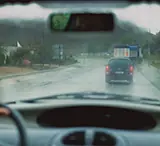
Circulando con lluvia intensa, ¿es obligatorio utilizar la luz antiniebla trasera?
When driving in heavy rain, is it compulsory to use the rear fog light?
- ASí.Yes.
- BSí, el trasero y el delantero.Yes, both the rear and the front ones.
- CNo.No.
ExplanationFRONT FOG LIGHT: - Fitting and using it is NOT compulsory. - It is white or selective yellow. - It may be used, if you choose, in fog, heavy rain, snowfall, clouds of smoke or dust, or in similar conditions. - It may also be used on narrow roads with many bends, that is, roads with a carriageway 6.5 m wide or less that are marked with 'dangerous bends' signs. REAR FOG LIGHT: - Fitting and using it is compulsory. - It is red. - It must be used in THICK fog, VERY heavy rain, HEAVY snowfall or DENSE clouds of smoke or dust. During the day, the front fog light may be on with just the position lights, but it can also be used together with dipped headlights or main beam. At night, it must be used at least with dipped headlights. During the day, the rear fog light must be used at least together with the front fog light or dipped headlights. At night, at least with dipped headlights.
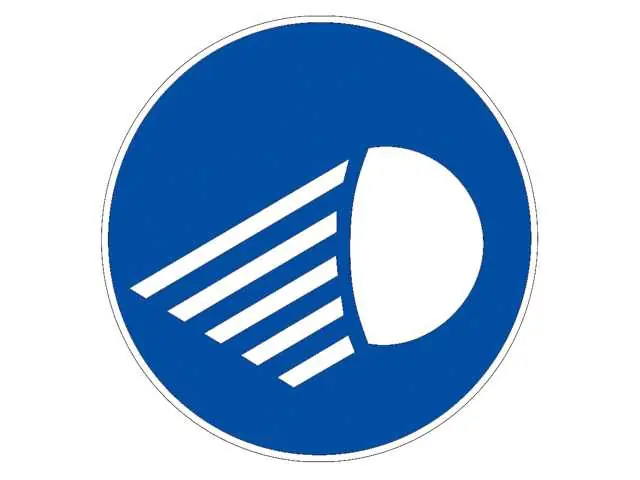
A partir de esta señal, ¿al menos, qué luces debes llevar encendidas?
From this sign onwards, which lights must you have on as a minimum?
- ALas de posición.Position lights.
- BLas de corto alcance.Dipped headlights.
- CLas de largo alcance.Main beam.
ExplanationThis is the 'dipped headlights compulsory' sign (R-413): from this sign you must have at least dipped headlights on, by day and at night, until the sign ending the requirement. Position lights alone are not enough, and main beam is not the minimum required.
En caso de niebla no espesa, ¿podremos usar el alumbrado antiniebla delantero?
In fog that is not thick, can we use the front fog light?
- ASí.Yes.
- BNo, solo lo podremos usar en caso de niebla espesa.No, we may only use it in thick fog.
- CLo tendremos que usar de manera obligatoria junto con el alumbrado posterior antiniebla.We must use it, together with the rear fog light.
ExplanationIn fog that is not thick, we may use the front fog light if we choose. The rear fog light is only allowed in thick fog.
¿Circulando con una ligera nevada podremos utilizar la luz antiniebla posterior?
When driving in light snowfall, can we use the rear fog light?
- ASí, la usaremos obligatoriamente.Yes, we must use it.
- BNo, por estar prohibido su uso en estas circunstancias.No, because it is prohibited in these conditions.
- CSí, la podremos usar de forma opcional.Yes, we may use it if we choose.
ExplanationThe rear fog light is only used in very bad weather or environmental conditions. In the case in the question, the snowfall would have to be heavy.
Va por una carretera interurbana y ve que está nevando de forma ligera. ¿Puede usar las luces antiniebla?
You are on a road outside a built-up area and see that it is snowing lightly. Can you use the fog lights?
- ASí, debe usar las luces antiniebla traseras.Yes, you must use the rear fog lights.
- BSí, pero sólo las luces antiniebla delanteras; las traseras están prohibidas en este caso.Yes, but only the front fog lights; the rear ones are prohibited in this case.
- CNo, está prohibido usar las luces antiniebla cuando la nevada es ligera.No, it is prohibited to use fog lights when the snowfall is light.
ExplanationIn weather conditions that reduce visibility, such as light snow, the front fog lights may be used. However, the rear fog lights must only be used in very poor visibility, such as dense fog or heavy snowfall. This is based on Article 106 of the General Traffic Regulations, which states that lights are compulsory in poor visibility and sets out the proper use of fog lights.
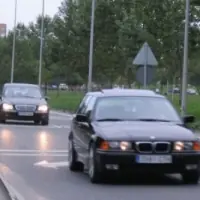
¿Es correcto utilizar las luces de posición aisladamente?
Is it correct to use the position lights on their own?
- ASi, entre el ocaso y la salida del solYes, between sunset and sunrise.
- BNo, se deben utilizar con otras lucesNo, they must be used with other lights.
- CSi, siempre se deben utilizar solasYes, they must always be used on their own.
ExplanationAs the Traffic Regulations state, it is not allowed to drive with only the position lights, so they must always be used with other lights, such as dipped headlights, main beam or fog lights, depending on the situation and the road you are driving on.
La luz antiniebla trasera se utilizará simultáneamente con:
The rear fog light will be used at the same time as:
- ALa luz de gálibo.The end-outline marker light.
- BLa luz de posición.The position light.
- CLa luz de emergencia.The hazard warning lights.
ExplanationFitting and using a rear fog light is compulsory. It must only be on when the weather or environmental conditions are especially unfavourable, such as thick fog, very heavy rain, heavy snowfall or dense clouds of dust or smoke. It is used together with the position lights and also with dipped headlights, main beam or the front fog light. The rear fog light can be switched off independently of the other lights.
¿Es correcto circular por una vía urbana insuficientemente iluminada a 40 km/h con la luz de corto alcance o cruce?
Is it correct to drive on a poorly lit road in a built-up area at 40 km/h with dipped headlights?
- ANo, debemos usar la luz de largo alcance o carretera.No, we must use main beam.
- BSí.Yes.
- CSí, pudiendo usar opcionalmente la luz de largo alcance si no deslumbramos a otros usuarios.Yes, and we may use main beam if we choose, if we do not dazzle other road users.
ExplanationWhen driving on a road in a built-up area, whether well lit or poorly lit, we must use dipped headlights; main beam is prohibited.
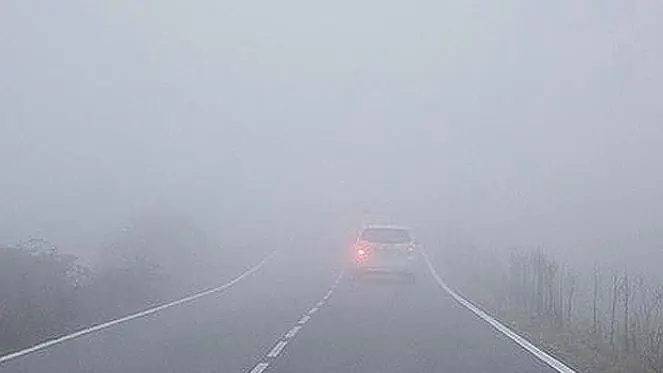
Es obligatorio utilizar la luz antiniebla trasera...
It is compulsory to use the rear fog light...
- Acuando las condiciones meteorológicas o ambientales sean especialmente desfavorables.when the weather or environmental conditions are especially unfavourable.
- Ben caso de lluvia, nevada o nubes de polvo o de humo.in rain, snowfall or clouds of dust or smoke.
- Ccuando existan condiciones meteorológicas o ambientales que disminuyan la visibilidad.when there are weather or environmental conditions that reduce visibility.
ExplanationFRONT FOG LIGHT: - Fitting and using it is NOT compulsory. - It is white or selective yellow. - It may be used, if you choose, in fog, heavy rain, snowfall, clouds of smoke or dust, or in similar conditions. - It may also be used on narrow roads with many bends, that is, roads with a carriageway 6.5 m wide or less that are marked with 'dangerous bends' signs. REAR FOG LIGHT: - Fitting and using it is compulsory. - It is red. - It must be used in THICK fog, VERY heavy rain, HEAVY snowfall or DENSE clouds of smoke or dust. During the day, the front fog light may be on with just the position lights, but it can also be used together with dipped headlights or main beam. At night, it must be used at least with dipped headlights. During the day, the rear fog light must be used at least together with the front fog light or dipped headlights. At night, at least with dipped headlights.
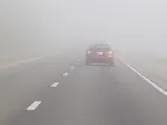
Su vehículo que no tiene luces antiniebla delanteras, ¿qué alumbrado debe encender cuando hay niebla?
Your vehicle has no front fog lights. Which lights must you switch on when there is fog?
- AEl de corto alcance o el de largo alcance.Dipped headlights or main beam.
- BEl de posición solamente.Only the position lights.
- CEl de largo alcance, solamente.Only main beam.
ExplanationIf we do not have a front fog light, in fog, heavy rain, snowfall, clouds of smoke or dust or any similar situation, we use dipped headlights, which may be used alone or together with main beam. When driving, the position lights must be used together with another light.
¿Qué alumbrado se usará al circular durante la noche por una vía urbana suficientemente iluminada?
Which lights will be used when driving at night on a well-lit road in a built-up area?
- ASi está suficientemente iluminada no será necesario el uso de ningún alumbrado.If it is well lit, no lights will be needed.
- BSerá necesario el alumbrado de corto alcance.Dipped headlights will be needed.
- CSerá necesario el alumbrado de posición, únicamente.Only the position lights will be needed.
ExplanationOn a road in a built-up area, whether it is well lit or not, we use dipped headlights.
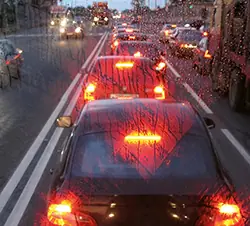
¿Qué debe hacer para avisar de que va a disminuir la velocidad de su vehículo de modo considerable?
What must you do to warn that you are going to reduce your vehicle's speed considerably?
- AEncender las luces de posición.Switch on the position lights.
- BEncender el intermitente izquierdo.Switch on the left indicator.
- CPisar varias veces el pedal de freno.Press the brake pedal several times.
ExplanationPressing the brake pedal several times makes the brake lights flash and warns those behind of a considerable reduction in speed, as provided for in Art. 109 of the General Traffic Regulations (RGC).
Circulando durante el día con una motocicleta, ¿qué alumbrado llevaremos encendido?
When riding a motorcycle during the day, which lights should we have on?
- ASi hay buena visibilidad no se usará ninguna luz.If visibility is good, no lights will be used.
- BEl de corto alcance.The dipped headlight.
- CEl de posición.The position light.
ExplanationWhen riding a motorcycle, we must always have at least the position light on together with the dipped headlight.
Conduce de noche un conjunto de vehículos y la carga sobresale por los laterales del remolque de forma que hay 30 centímetros entre el borde exterior de la luz de posición y el borde exterior de la carga. ¿Es necesario señalizar la carga que sobresale?
You are driving a vehicle combination at night and the load sticks out sideways from the trailer so that there are 30 centimetres between the outer edge of the position light and the outer edge of the load. Must the protruding load be marked?
- ASí, por su parte delantera y trasera.Yes, at the front and at the rear.
- BNo, ni por la parte delantera ni por la trasera.No, neither at the front nor at the rear.
- CSí, pero sólo por su parte trasera.Yes, but only at the rear.
ExplanationA load sticking out sideways from the trailer must be marked if its side edge is more than 40 centimetres from the outer edge of the vehicle's position light. In this case, the load sticks out by 30 centimetres, so it does not need to be marked at the front or at the rear.
Un vehículo debe llevar las luces de gálibo si mide...
A vehicle must have end-outline marker lights if it measures...
- Amás de 2,10 metros de ancho.more than 2.10 metres wide.
- Bmás de 4 metros de alto.more than 4 metres high.
- C2 o más metros de ancho y 6 o más metros de largo.2 or more metres wide and 6 or more metres long.
ExplanationEnd-outline marker lights: under the traffic rules, vehicles more than 2.10 metres wide must be fitted with end-outline marker lights. These lights help other drivers judge the size of large vehicles, especially in poor visibility or at night. They are fitted at the front and rear of the vehicle and help avoid accidents when manoeuvring in narrow spaces.
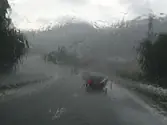
Circulando con lluvia muy intensa, ¿se tendrá que usar obligatoriamente el alumbrado antiniebla posterior?
When driving in very heavy rain, must the rear fog light be used?
- ANo, sólo es aconsejable.No, it is only advisable.
- BSí.Yes.
- CNo, está prohibido ya que no hay niebla.No, it is prohibited because there is no fog.
ExplanationWhen driving in very heavy rain, heavy snowfall, dense clouds of dust or smoke, or thick fog, we must use the rear fog light. FRONT FOG LIGHT: - Fitting and using it is NOT compulsory. - It is white or selective yellow. - It may be used, if you choose, in fog, heavy rain, snowfall, clouds of smoke or dust, or in similar conditions. - It may also be used on narrow roads with many bends, that is, roads with a carriageway 6.5 m wide or less that are marked with 'dangerous bends' signs. REAR FOG LIGHT: - Fitting and using it is compulsory. - It is red. - It must be used in THICK fog, VERY heavy rain, HEAVY snowfall or DENSE clouds of smoke or dust. During the day, the front fog light may be on with just the position lights, but it can also be used together with dipped headlights or main beam. At night, it must be used at least with dipped headlights. During the day, the rear fog light must be used at least together with the front fog light or dipped headlights. At night, at least with dipped headlights.
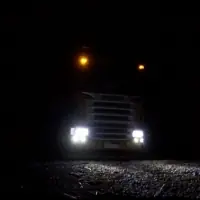
¿Para que vehículos es obligatorio la luz de gálibo?
For which vehicles are end-outline marker lights compulsory?
- APara los que midan más de 2,10 metros de anchoFor those more than 2.10 metres wide.
- BPara los que midan más de 1,90 metros de anchoFor those more than 1.90 metres wide.
- CPara los que midan más de 1,80 metros de anchoFor those more than 1.80 metres wide.
ExplanationEnd-outline marker lights are always compulsory for all vehicles more than 2.10 metres wide. Fitting them is optional for vehicles between 1.80 and 2.10 metres wide.
El alumbrado y la señalización óptica de los vehículos, ¿qué función tiene?
What is the purpose of vehicle lighting and light signals?
- AAlumbrar la vía para que el conductor pueda circular en condiciones de poca visibilidad.To light the road so that the driver can drive in poor visibility.
- BHacer visible el vehículo a los demás conductores.To make the vehicle visible to other drivers.
- CAlumbrar la vía para ver y señalizar nuestro vehículo para ser vistos.To light the road so we can see, and to mark our vehicle so we can be seen.
ExplanationVehicle lighting and light signals are used both to light the road and to make our own vehicle visible to other drivers. For example, a motorcycle has its dipped headlight on both by day and at night.
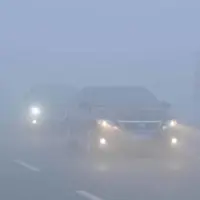
¿De qué tipo es la instalación de la luz antiniebla delantera en un vehículo?
What type of fitting is the front fog light on a vehicle?
- AProhibida para los conductores novelesProhibited for novice drivers.
- BOpcionalOptional.
- CObligatoria para todos los vehículosCompulsory for all vehicles.
ExplanationFitting and using a front fog light on a vehicle is optional for the driver, and whether to use it is left to their choice. It may be used when bad weather greatly reduces the driver's visibility.
Es obligatorio utilizar el alumbrado de carretera para circular a más de 40 km/h por una vía...
It is compulsory to use main beam when driving at more than 40 km/h on a road that is...
- AUrbana insuficientemente iluminada.in a built-up area and poorly lit.
- BInterurbana suficientemente iluminada.outside a built-up area and well lit.
- CInterurbana insuficientemente iluminada.outside a built-up area and poorly lit.
ExplanationIf we are driving on a poorly lit road outside a built-up area at more than 40 km/h, we use main beam.
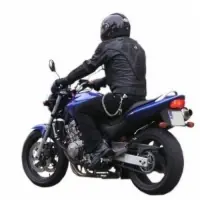
¿Es obligatorio para las motocicletas llevar la luz de marcha atrás?
Must motorcycles have a reversing light?
- ANoNo
- BSí.Yes.
- CÚnicamente para las de gran cilindradaOnly large-engined motorcycles
ExplanationA reversing light is compulsory on motor cars, but not on motorcycles: Article 16 of the General Vehicle Regulations does not include it among their compulsory devices, whatever their engine size, and it is not among their optional lights either.
De día, ¿Es obligatorio señalizar una carga que sobresale lateralmente más de 0,40 metros del borde exterior de la luz de posición?
During the day, is it compulsory to mark a load that sticks out sideways more than 0.40 metres beyond the outer edge of the position light?
- ANo.No.
- BSí, con un panel reflectante de color rojo.Yes, with a red reflective panel.
- CSí, con una luz y dispositivo reflectante de color blanco por delante y una luz y dispositivo reflectante de color rojo por detrás.Yes, with a white light and reflective device at the front and a red light and reflective device at the rear.
ExplanationAccording to Article 15 of the General Traffic Regulations, a load that sticks out sideways more than 0.40 metres beyond the edge of the position lights only has to be marked with lights and reflectors at night or in poor visibility. During the day it is not compulsory.
Durante el día y con buen tiempo, debe llevar las luces de cruce encendidas cuando...
During the day and in good weather, you must have dipped headlights on when…
- ACircula a menos de 40 km/h.You are driving at less than 40 km/h.
- BCircula por tramos estrechos con muchas curvas.You are driving on narrow stretches with many bends.
- CCircula por un carril reversible.You are driving in a reversible lane.
ExplanationUnder Article 104 of the General Traffic Regulations, all vehicles driving in a reversible lane, a temporary extra lane or a lane opened in the opposite direction to normal must have their dipped headlights on during the day.
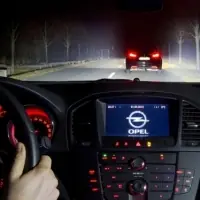
¿En qué ocasión se podrá llevar encendida la luz de largo alcance en vía interurbana?
On which occasion may you have your main beam on outside built-up areas?
- ACuando nos aproximamos a una zona residencialWhen approaching a residential area
- BCuando llueva intensamenteWhen it is raining heavily
- CEn los cruces no señalizadosAt junctions without signs
ExplanationIn fog, heavy rain, snow or clouds of smoke or dust you must have your lights on, and you may use the front fog light, dipped headlights or main beam (Article 106 of the General Traffic Regulations), always without dazzling anyone.
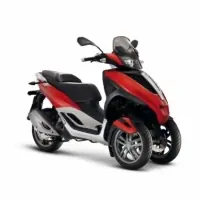
¿Es obligatorio que los ciclomotores de tres ruedas lleven luces de largo alcance?
Must three-wheeled mopeds have main-beam headlights?
- ASí, y deben llevar dos como mínimo.Yes, and they must have at least two.
- BNo, es opcional.No, they are optional.
- CSí, es obligatorio que las lleven.Yes, they must have them.
ExplanationUnder Article 21 of the General Vehicle Regulations (RGV), main beam is optional on two- and three-wheeled mopeds and on light quadricycles. It is, however, compulsory on motor cars, on motorcycles with or without a sidecar and on three-wheeled vehicles.
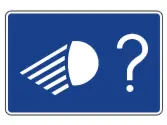
A la vista de esta señal, ¿tendremos que apagar obligatoriamente la luz de cruce?
When you see this sign, must we switch off the dipped headlights?
- ASí, por obligarlo la señal.Yes, because the sign requires it.
- BNo.No.
- CLa señal aconseja usar el alumbrado de corto alcance.The sign advises using dipped headlights.
ExplanationThe sign in the question shows the end of a stretch where dipped headlights are compulsory, and reminds you that you may do without them as long as they are not required by visibility, time of day or road lighting. For example, at night, even if we see this sign, we will not switch off the dipped headlights.
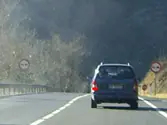
Circulando con niebla densa, ¿podrá utilizar la luz de largo alcance o carretera?
When driving in dense fog, can you use main beam?
- ANo, porque está prohibido.No, because it is prohibited.
- BSí, es obligatorio su uso.Yes, it is compulsory.
- CSí podrá, pero no es aconsejable.Yes, you may, but it is not advisable.
ExplanationIn dense fog, main beam may be used, but it is not recommended.
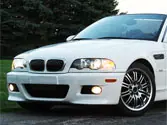
¿En algún caso se podrá circular con una luz antiniebla delantera junto con la de posición y sin utilizar el alumbrado de corto alcance o cruce?
Is it ever possible to drive with a front fog light together with the position lights and without using dipped headlights?
- ANo, para circular siempre se tendrá que llevar el alumbrado de posición junto con el de cruce.No, when driving you must always have the position lights on together with dipped headlights.
- BSí, al circular durante el día con niebla, no es necesario utilizar el alumbrado de corto alcance conjuntamente con el de posición y el antiniebla.Yes, when driving during the day in fog, you do not need to use dipped headlights together with the position lights and the fog light.
- CSi, tanto de día como de noche.Yes, both by day and at night.
ExplanationDuring the day, in fog or other situations set out in the law, you may drive with the position lights together with the front fog light. If driving between sunset and sunrise, dipped headlights must be used together with the position lights. FRONT FOG LIGHT: - Fitting and using it is NOT compulsory. - It is white or selective yellow. - It may be used, if you choose, in fog, heavy rain, snowfall, clouds of smoke or dust, or in similar conditions. - It may also be used on narrow roads with many bends, that is, roads with a carriageway 6.5 m wide or less that are marked with 'dangerous bends' signs. During the day, the front fog light may be on with just the position lights, but it can also be used together with dipped headlights or main beam. At night, it must be used at least with dipped headlights.
Dentro de poblado y en caso de niebla densa, ¿se podrá usar el alumbrado antiniebla?
Inside a built-up area and in dense fog, can the fog lights be used?
- ASí.Yes.
- BNo.No.
- CSí, pero solo el delantero antiniebla.Yes, but only the front fog light.
ExplanationIn dense fog, the fog lights may be used both inside and outside built-up areas.
Con niebla que reduce sensiblemente la visibilidad, ¿está permitido conducir únicamente con los alumbrados de posición y corto alcance?
In fog that greatly reduces visibility, is it allowed to drive with only the position lights and dipped headlights?
- ASí, cuando el vehículo no dispone de luces delanteras de niebla.Yes, when the vehicle has no front fog lights.
- BNo, debe encender obligatoriamente el alumbrado delantero y trasero de niebla.No, you must switch on the front and rear fog lights.
- CNo, debe llevar las luces delanteras de niebla en todos los casos.No, you must have the front fog lights on in all cases.
ExplanationAs vehicles do not have to be fitted with front fog lights, using them is not compulsory either. The rear fog lights are only used in thick fog. So using the position lights and dipped headlights will be enough in this case.
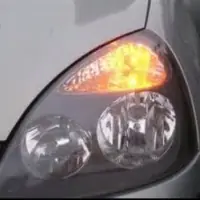
¿Cuál de éstas NO es un tipo de luz de posición?
Which of these is NOT a type of position light?
- ALuz de posición lateralSide position light.
- BLuz de posición traseraRear position light.
- CLuz de posición de emergenciaEmergency position light.
ExplanationThe different types of position lights on a vehicle include the front position light, the rear position light and the side position light. An emergency position light does not exist.
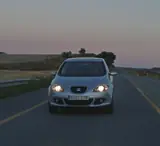
Las lámparas del automóvil deben sustituirse...
A car's bulbs should be replaced...
- ASolamente en caso de rotura.only if they break.
- BEn cuanto disminuya su intensidad luminosa.as soon as their brightness decreases.
- CAntes de pasar la inspección técnica del vehículo.before the vehicle inspection (ITV).
ExplanationA car's bulbs should be replaced as soon as their brightness decreases or they are found not to work properly.
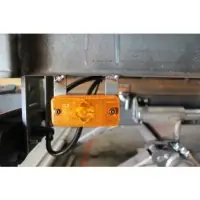
¿Con que luces se debe utilizar simultáneamente la luz antiniebla trasera?
Which lights must the rear fog light be used together with?
- ACon las de cruceWith dipped headlights.
- BCon la de gáliboWith the end-outline marker light.
- CCon las de posiciónWith the position lights.
ExplanationBefore switching on the rear fog light, the position lights must be switched on, and it must always be used together with them. The rear fog light is also used together with dipped headlights, main beam or the front fog light, depending on the situation.
¿Cuándo es obligatorio usar las luces de cruce durante el día?
When is it compulsory to use dipped headlights during the day?
- AAl circular por un carril reversible.When driving in a reversible lane.
- BCuando llueve.When it is raining.
- CAl circular por un carril VAO (vehículos de alta ocupación).When driving in an HOV lane (VAO, high-occupancy vehicles).
ExplanationDuring the day you must have your dipped headlights on when driving in a reversible lane, a temporary extra lane or a lane opened in the opposite direction to normal (Article 104 of the General Traffic Regulations). HOV lanes (VAO) do not require it, and rain only does if it considerably reduces visibility.
Un coche circula de noche por una vía urbana poco iluminada. ¿Qué luces debe llevar?
A car is driving at night on a poorly lit urban road. Which lights must it have on?
- ASolo las luces de posición.Only the sidelights.
- BLas luces de posición y las de cruce (cortas).The sidelights and dipped headlights.
- CSolo las luces de carretera (largas).Only main beam.
ExplanationUnder Article 101.1 of the RGC, in built-up areas you must have dipped headlights on, as well as the sidelights, also when the road is not well enough lit. Main beam is only compulsory outside built-up areas, at more than 40 km/h and on poorly lit roads (Article 100).
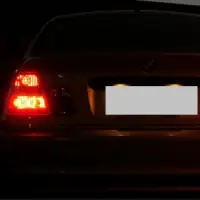
¿Cual es la anchura máxima que debe tener un vehículo para poder llevar luz de estacionamiento?
What is the maximum width a vehicle may have to be able to have a parking light?
- A3 metros3 metres.
- B1 metro1 metre.
- C2 metros2 metres.
ExplanationParking lights are optional on vehicles, as long as the vehicle is no longer than 6 metres and no wider than 2 metres.
¿Qué luz debe utilizarse al entrar en un túnel iluminado?
Which lights must be used when entering a lit tunnel?
- AÚnicamente la luz de posición.Only the sidelights.
- BLa luz de cruce (corta).Dipped headlights (low beam).
- CLa luz de carretera (larga).Main beam (high beam).
ExplanationIn tunnels you switch on dipped headlights, as in any situation of reduced visibility.
Al circular de noche por una travesía, ¿qué alumbrado utilizaremos?
When driving at night through a travesía (stretch of road through a town), which lights will we use?
- AEl alumbrado de posición, si está suficientemente iluminada.Sidelights, if it is sufficiently lit.
- BEl alumbrado de corto alcance en cualquier caso.Dipped headlights in all cases.
- CSi está insuficientemente iluminada, el alumbrado de largo alcance o carretera.If it is insufficiently lit, main beam.
ExplanationA travesía is a road inside a built-up area, so main beam is prohibited there. We must drive with dipped headlights.
All topics
- Definitions
- Documents and penalty points
- The driver's condition
- Duties of drivers and pedestrians
- Vehicle safety devices
- Vehicle controls and equipment
- Traffic signs, markings and signals
- The road and its lanes
- Speed and distances
- Manoeuvres
- Right of way
- Carrying passengers and loads
- Driving safely in difficult conditions
- Vehicle mechanics and maintenance
- Road accidents and first aid
- Defensive and eco-driving
Independent app: not affiliated with or endorsed by the DGT (Spain's Directorate-General for Traffic) or the Ministry of the Interior. The official exam is booked with the DGT and taken at its test centres. The questions here are practice material; the DGT's official question bank is not public.
Basado en datos de la Agencia Estatal Boletín Oficial del Estado (https://www.boe.es). Textos consolidados de carácter meramente informativo. La AEBOE no patrocina ni respalda este sitio.
Parte de las preguntas procede de los tests de la revista «Tráfico y Seguridad Vial» de la DGT, reproducidos con indicación de la fuente.